This vibrant grilled salmon dish brings a bright, zesty profile to the table, making it a perfect selection for a quick, healthful meal. By mastering the heat of the grill and the timing of the sear, you can achieve a restaurant-quality finish with minimal effort. The combination of fresh lemon juice and bold pepper creates a classic crust that seals in the natural juices of the fish.

List of ingredients
- 3 tablespoons olive oil
- 3 tablespoons lemon juice
- 3 tablespoons lemon pepper seasoning (or to taste)
- Salt (to taste)
- 4 6-8 ounce skin-on salmon fillets, about 1-inch thick
step-by-step instructions
- Step: Heat the grill to high heat (450-500°F). Brush the grates well and wipe grate with oiled paper towels until grate is black and glossy, 5 to 10 times, re-dipping towels in oil between applications.
- Step: Combine olive oil with lemon juice, lemon pepper seasoning, and salt if using.
- Step: Brush the salmon with half of the lemon pepper sauce and place it skin side up on the hot grill. Sear until surface is firm and grill marks have formed. Once you place the fillet on the grill, don’t move it until it’s ready to flip.
- Step: When the fish is about 70% done, about 6 minutes, it should release along the charred grill marks more easily without sticking. Slide a thin spatula, preferably a fish spatula, between the fish and the grill to gently release any parts that might be sticking, and gently roll over to cook on the other side. Baste with the remaining lemon pepper sauce.
- Step: Cook until the fish reaches the desired temperature or until it flakes with a fork.
Refining Your Grilling Technique
Maintaining Constant High Heat
A consistent high-temperature environment is necessary to form the initial crust on the salmon flesh. If the grill temperature drops significantly after placing the cold fillets on the grates, the fish will likely stick and lose its texture. Ensure your grill lid is closed during the initial stages to keep the ambient temperature stable.
Selecting the Ideal Spatula
The choice of tool significantly impacts your success, particularly when flipping delicate fish. A long, thin, flexible metal spatula, often called a fish spatula, is designed to slide easily between the grates and the salmon without tearing the tender flesh. Avoid using heavy-duty wide spatulas designed for large burgers, as they are often too bulky to slide cleanly under the fillets.
Preparation and Flavor Optimization
The Role of Skin-On Fillets
Using salmon fillets with the skin intact is a strategic choice for high-heat cooking methods. The skin acts as a protective buffer between the heat source and the delicate muscle fibers of the fish, significantly reducing the likelihood of the fillet drying out or breaking apart. Even if you prefer not to eat the skin, leaving it on during the grilling process ensures the fish stays cohesive and juicy until the very last moment.
Achieving the Perfect Seasoning Profile
Because lemon pepper seasoning blends vary significantly in their salt concentration, it is prudent to test your blend before adding extra salt. If you prefer to make your own seasoning at home, use fresh lemon zest and freshly cracked black pepper for a more potent, aromatic flavor profile. You can store your custom blend in an airtight glass jar away from direct sunlight for several weeks.
Understanding Doneness
Signs of Perfectly Cooked Salmon
The visual indicator for perfectly cooked salmon is the ease with which the flesh separates. If you press gently on the top of the fillet with a fork, the segments should flake apart along the white lines of the muscle structure. If the fillet offers significant resistance, it requires additional time on the heat.
Managing Residual Heat
Salmon continues to cook internally after you remove it from the grill due to residual heat stored in the flesh. To avoid overcooking, it is helpful to pull the fillets off the grill when they reach 140°F if you prefer a well-done finish, or slightly lower for a medium-rare result. Resting the fish for five minutes on a clean plate allows the juices to redistribute evenly throughout the fillets.
Variations and Accompaniments
Pairing with Grilled Garden Vegetables
Since the grill is already at the correct temperature, it is efficient to cook your side dishes at the same time. Asparagus spears, zucchini coins, and thick slices of red onion take well to the same oil-based glaze used on the salmon. Toss these vegetables in a light coating of olive oil and salt before placing them on the cooler edges of the grill while the salmon completes its final cooking stage.
Serving Suggestions for Summer Dinners
This salmon recipe acts as a versatile centerpiece for various styles of meals. For a lighter approach, serve it alongside a cold pasta salad featuring fresh herbs, cucumbers, and a light vinaigrette. If you prefer a heartier meal, the lemon-forward profile of the fish pairs beautifully with creamy sides, such as lemon-zest infused mashed potatoes or a chilled orzo salad tossed with sun-dried tomatoes.
Frequently Asked Questions
Can I marinate the salmon for longer than 30 minutes?
It is best to limit the marination time to 30 minutes. Because the marinade contains a significant amount of lemon juice, the acidic content will eventually begin to break down the proteins in the fish, causing the texture to become mushy if left for too long.
Should I remove the skin before grilling?
It is highly recommended to leave the skin on during the grilling process. The skin provides essential structural integrity to the fillet, making it much easier to flip and preventing the meat from falling through the grill grates. You can easily slide the skin away after the fish is cooked and plated.
How do I handle the white albumin on the fish?
The white substance that sometimes oozes out of salmon is known as albumin. It is a protein that coagulates as the fish heats up. While it is perfectly safe to consume, you can minimize its appearance by not overcooking the fish and ensuring your grill is properly preheated, which encourages a faster sear that traps moisture inside.
Can I grill this recipe on a stovetop grill pan?
Yes, a cast-iron grill pan is an excellent substitute for an outdoor grill. Ensure the pan is preheated over medium-high heat for several minutes before adding the fish. Since indoor pans may not reach the same extreme temperatures as an outdoor flame, you may need to increase the cooking time by one or two minutes per side to achieve the same level of char.
Print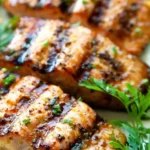
Lemon Pepper Salmon – Easy Grilled Salmon Recipe
- Total Time: PT15M
- Yield: 4 servings 1x
- Diet: Pescatarian
Description
Lemon Pepper Salmon recipe – A quick and easy recipe for the best grilled salmon. A family favorite for a healthy summertime dinner.
Ingredients
- 3 tablespoons olive oil
- 3 tablespoons lemon juice
- 3 tablespoons lemon pepper seasoning (or to taste)
- Salt (to taste)
- 4 6-8 ounce skin-on salmon fillets, about 1-inch thick
Instructions
- Step: Heat the grill to high heat (450-500°F). Brush the grates well and wipe grate with oiled paper towels until grate is black and glossy, 5 to 10 times, re-dipping towels in oil between applications.
- Step: Combine olive oil with lemon juice, lemon pepper seasoning, and salt if using.
- Step: Brush the salmon with half of the lemon pepper sauce and place it skin side up on the hot grill. Sear until surface is firm and grill marks have formed. Once you place the fillet on the grill, don’t move it until it’s ready to flip.
- Step: When the fish is about 70% done, about 6 minutes, it should release along the charred grill marks more easily without sticking. Slide a thin spatula, preferably a fish spatula, between the fish and the grill to gently release any parts that might be sticking, and gently roll over to cook on the other side. Baste with the remaining lemon pepper sauce.
- Step: Cook until the fish reaches the desired temperature or until it flakes with a fork.
Notes
Optional: Marinate the salmon with half of the sauce for up to 30 minutes. For added protection against sticking, brush the fillets only with olive oil before grilling, then with the lemon pepper sauce after flipping. Internal temperature: For medium to medium-rare, aim for 125˚F to 135˚F; for well-done, 145˚F.
- Prep Time: PT5M
- Cook Time: PT10M
- Category: Main Course
- Method: Grilling
- Cuisine: American
Nutrition
- Serving Size: 1 fillet
- Calories: 348 kcal
- Sugar: 0.3 g
- Sodium: 76 mg
- Fat: 21 g
- Saturated Fat: 3 g
- Unsaturated Fat: 16 g
- Trans Fat: 0 g
- Carbohydrates: 4 g
- Fiber: 1 g
- Protein: 34 g
- Cholesterol: 94 mg