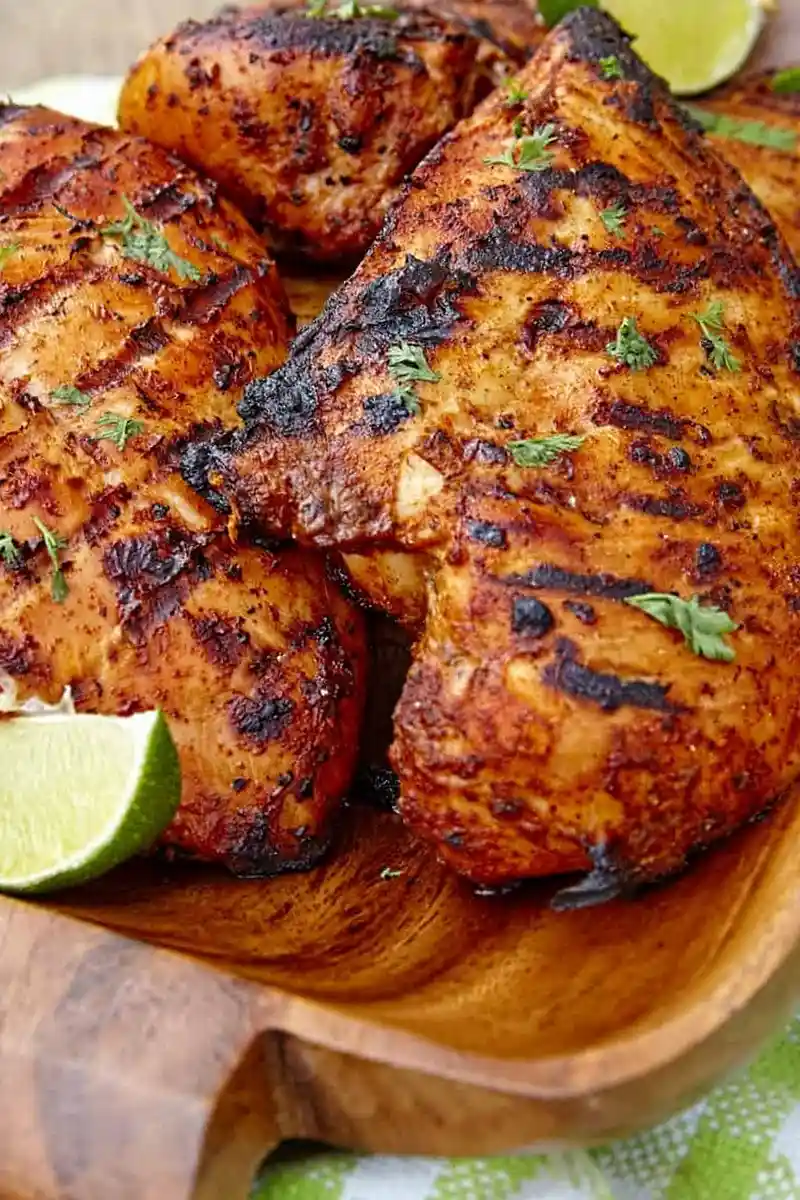
This citrus-forward chicken is a fast and healthy dinner option that works perfectly for busy weeknights. The combination of lemon and lime tenderizes the meat while adding a bright, zesty flavor profile.
List of ingredients
- 4 boneless skinless chicken breasts (about 1.5 pounds) – ensure they are of similar thickness for even cooking.
- 1/2 cup extra virgin olive oil – provides a healthy fat base for the marinade.
- 1/4 cup lemon juice – adds acidity to break down proteins.
- 1/4 cup lime juice – provides a sharp, bold citrus note.
- 3 cloves garlic (minced) – adds a savory, aromatic punch.
- 1 tsp salt – enhances the overall flavor of the marinade.
- 3 tbsp fresh cilantro (or 1 tbsp dried) – provides an herbal, fresh finish.
step-by-step instructions
- Prepare the marinade: In a medium mixing bowl, combine the extra virgin olive oil, lemon juice, lime juice, minced garlic, and salt. Whisk until the ingredients are well integrated.
- Coat the chicken: Place the chicken breasts in a large plastic ziplock bag or a shallow glass dish. Pour the marinade over the chicken, ensuring every piece is fully submerged.
- Marinate the meat: Seal the bag or cover the dish and place it in the refrigerator. Let the chicken marinate for at least 20 minutes, but no longer than 2 hours.
- Grill the chicken: Heat a grill to medium-high heat. Place the chicken on the grates and cook for 4-6 minutes per side. Use a meat thermometer to ensure the internal temperature reaches 165°F.
- Air fry the chicken: Preheat the air fryer to 375°F/190°C. Line the air fryer basket or tray with parchment paper to prevent sticking and place the chicken inside.
- Cook and baste: Set the air fryer timer for 10-12 minutes. Flip the chicken halfway through the cooking time and baste the tops with some of the reserved marinade.
- Final temperature check: At the end of the timer, check the internal temperature. If the chicken has not reached 165°F, continue air frying in 2-minute intervals.
Optimizing the Marinade Process
Maintaining the Ideal Marinating Window
The chicken should soak in the citrus mixture for at least 20 minutes to allow the flavors to penetrate the surface. For maximum tenderness, 30 minutes to 2 hours is the recommended range. This window ensures the meat is flavored without compromising the structural integrity of the proteins.
Preventing Texture Breakdown
Avoid marinating the chicken for longer than 2 hours. The citric acid in the lemon and lime juice acts as a chemical tenderizer that can over-process the meat if left too long. Excessive marinating can lead to a mealy or mushy texture on the exterior of the chicken breasts.
Using Ziplock Bags for Maximum Contact
Using a plastic ziplock bag is more efficient than a bowl because it forces the marinade to stay in direct contact with all sides of the meat. Squeeze out as much air as possible before sealing to eliminate gaps. This method also makes the cleanup process faster and reduces the amount of marinade needed.
Technical Cooking Guidance
Controlling Grill Temperatures
Keep the grill at a steady medium-high heat to achieve a nice sear without burning the outside. If the heat is too high, the sugars in the citrus juice may char too quickly before the center is cooked. Use a grill brush to clean the grates before adding oil to prevent sticking.
Air Fryer Basket Preparation
Parchment paper is essential for preventing the chicken from sticking to the basket, but ensure it does not cover the entire bottom. Some airflow is necessary for the hot air to circulate around the chicken. Only use parchment paper that is specifically designed for air fryers to avoid safety hazards.
Accurate Internal Temperature Verification
Always use a digital meat thermometer to check the thickest part of the chicken breast. Cooking by time alone is unreliable because chicken breast sizes vary. The USDA recommends a minimum internal temperature of 165°F to ensure the meat is safe for consumption.
Ingredient Substitutions and Adjustments
Using Chicken Thighs for Extra Juiciness
If you prefer a meatier texture, replace the breasts with boneless skinless chicken thighs. Thighs have a higher fat content, which makes them more resistant to drying out during high-heat grilling. You may need to increase the cooking time by 2-3 minutes per side depending on the thickness.
Ratio for Dried Cilantro Substitution
When substituting dried cilantro for fresh, use a ratio of 1 tablespoon of dried herbs for every 3 tablespoons of fresh. Dried herbs are more concentrated in flavor but lack the bright, grassy notes of fresh leaves. Add the dried cilantro during the mixing phase to allow it to rehydrate in the oil.
Adjusting the Citrus Balance
You can shift the flavor profile by adjusting the ratio of lemon to lime juice. For a sharper, more tropical taste, increase the lime juice and decrease the lemon. For a more traditional Mediterranean flavor, favor the lemon juice over the lime.
Serving and Pairing Ideas
Complementary Grain Pairings
Serve the chicken alongside brown rice or white basmati rice to soak up the leftover citrus juices. Quinoa is another excellent option, providing a nutty flavor and additional protein. For a lower-carb alternative, use cauliflower rice sautéed with a bit of garlic.
Fresh Vegetable Side Options
Air-fried asparagus and baby potatoes pair exceptionally well with the acidity of this chicken. You can roast these vegetables in the same air fryer or on the grill. A simple side salad with a light vinaigrette also complements the zesty flavors.
Creating Nutrient-Dense Bowls
Slice the cooked chicken and place it over a bed of mixed greens or grains. Add toppings such as avocado, black beans, corn, and cherry tomatoes for a complete meal. Drizzle a small amount of the remaining marinade (boiled first for safety) or a squeeze of fresh lime over the top.
Using Chicken in Wraps and Quesadillas
Diced lemon lime chicken is ideal for filling tortillas or flour wraps. Combine the meat with shredded cabbage, sliced onions, and a dollop of Greek yogurt or sour cream. For quesadillas, melt Monterey Jack or Cheddar cheese over the sliced chicken in a pan until golden brown.
Storage and Preservation
Short-Term Refrigeration
Store leftover chicken in an airtight glass or plastic container in the refrigerator. It will remain fresh and safe to eat for up to 5 days. Ensure the container is sealed tightly to prevent the chicken from absorbing other odors from the fridge.
Long-Term Freezer Storage
For long-term storage, place the cooked and cooled chicken in freezer-safe bags or containers. It can be stored in the freezer for up to 3 months without significant loss of quality. Label the containers with the date of preparation for easy tracking.
Preventing Freezer Burn
To avoid freezer burn, remove as much air as possible from the storage bag before sealing. You can use a straw to suck out the remaining air or use a vacuum sealer. This prevents ice crystals from forming on the surface of the meat, which can degrade the texture.
Reheating for Quality
Air Fryer Reheating Method
The air fryer is the best tool for reheating to maintain the original texture. Set the temperature to 260°F and heat the chicken for approximately 5 minutes. This low-and-slow approach warms the center without overcooking the exterior.
Microwave Heating Techniques
When using a microwave, slice the chicken into thinner strips to ensure more even heat distribution. Heat on medium power for 60 to 90 seconds. Adding a teaspoon of water to the plate can create steam, which helps keep the meat from drying out.
Safe Thawing Processes
Thaw frozen chicken in the refrigerator overnight to maintain the best texture and safety. If you are short on time, use the defrost setting on your microwave. Avoid thawing chicken on the counter at room temperature to prevent bacterial growth.
Troubleshooting Common Issues
Preventing the Meat from Drying Out
If the chicken feels dry, allow it to rest for 5 minutes after cooking before slicing. Resting allows the juices to redistribute throughout the meat. If using breasts, ensure they are not overcooked beyond the 165°F threshold.
Managing Excessive Acidity
If the marinade tastes too sharp, increase the amount of olive oil slightly to balance the acidity. A pinch of brown sugar or honey can also neutralize the tartness of the citrus. Always taste a small amount of the marinade before adding the meat.
Reducing Grill Flare-ups
Flare-ups occur when oil from the marinade drips onto the hot coals or burners. To minimize this, shake off excess marinade before placing the chicken on the grill. Keep a clean area of the grill free of food to move the chicken if a flame becomes too intense.
Frequently Asked Questions
Can I use bottled citrus juice instead of fresh?
While bottled juice is convenient, fresh lemon and lime juice provide a superior, brighter flavor. Bottled versions often contain preservatives or added sugars that can alter the taste and the tenderizing effect of the marinade.
Is this recipe suitable for meal prep?
Yes, this recipe is excellent for meal prep because the citrus marinade keeps the meat flavorful even after refrigeration. You can cook several pounds of chicken at once and portion them out with grains and vegetables for the week.
How do I prevent the chicken from sticking to the grill?
Lightly oil the grill grates with a paper towel dipped in vegetable oil before adding the chicken. Ensure the grill is fully preheated; meat is less likely to stick to a very hot surface than to a lukewarm one.
Print
Lemon Lime Chicken
- Total Time: 30 minutes
- Yield: 4 servings 1x
- Diet: General
Description
A fantastic Lemon Lime Chicken recipe made with simple ingredients that tenderize and flavor the chicken. It can be air fried or grilled and served with your favorite side dishes for a complete dinner.
Ingredients
- 4 boneless skinless chicken breasts (about 1.5 pounds)
- 1/2 cup extra virgin olive oil
- 1/4 cup lemon juice
- 1/4 cup lime juice
- 3 cloves garlic (minced)
- 1 tsp salt
- 3 tbsp fresh cilantro (or 1 tbsp dried)
Instructions
- Marinade: Make the marinade by combining the olive oil, lemon juice, lime juice, salt, and minced garlic.
- Marinate: Put the chicken in a plastic ziplock bag or bowl, pour in the marinade, and refrigerate for 30 minutes to 2 hours.
- Grill Option: Grill for 4-6 minutes on each side or until the internal temperature reaches 165°F.
- Air Fryer Option: Preheat the air fryer to 375°F/190°C. Line the basket with parchment paper, add the marinated chicken, and cook for 10-12 minutes, flipping halfway and basting with reserved marinade until the internal temperature reaches 165°F.
Notes
Store in an airtight container for up to 5 days in the fridge or 3 months in the freezer. Reheat in the air fryer at 260°F for 5 minutes or in the microwave for 60-90 seconds. Do not marinate for more than 2 hours as the citrus may cause the meat to become tough.
- Prep Time: 20 minutes
- Cook Time: 10 minutes
- Category: Main Course
- Method: Grilling or Air Frying
- Cuisine: American
Nutrition
- Serving Size: 6 oz
- Calories: 443 kcal
- Sugar: 1 g
- Sodium: 780 mg
- Fat: 31 g
- Saturated Fat: 5 g
- Unsaturated Fat: 25 g
- Trans Fat: 0.02 g
- Carbohydrates: 3 g
- Fiber: 0.2 g
- Protein: 36 g
- Cholesterol: 109 mg