This delicious chicken bulgogi is a quick and flavorful meal perfect for busy weeknights. By using simple pantry staples and a hot skillet, you can achieve a professional Korean BBQ taste at home.
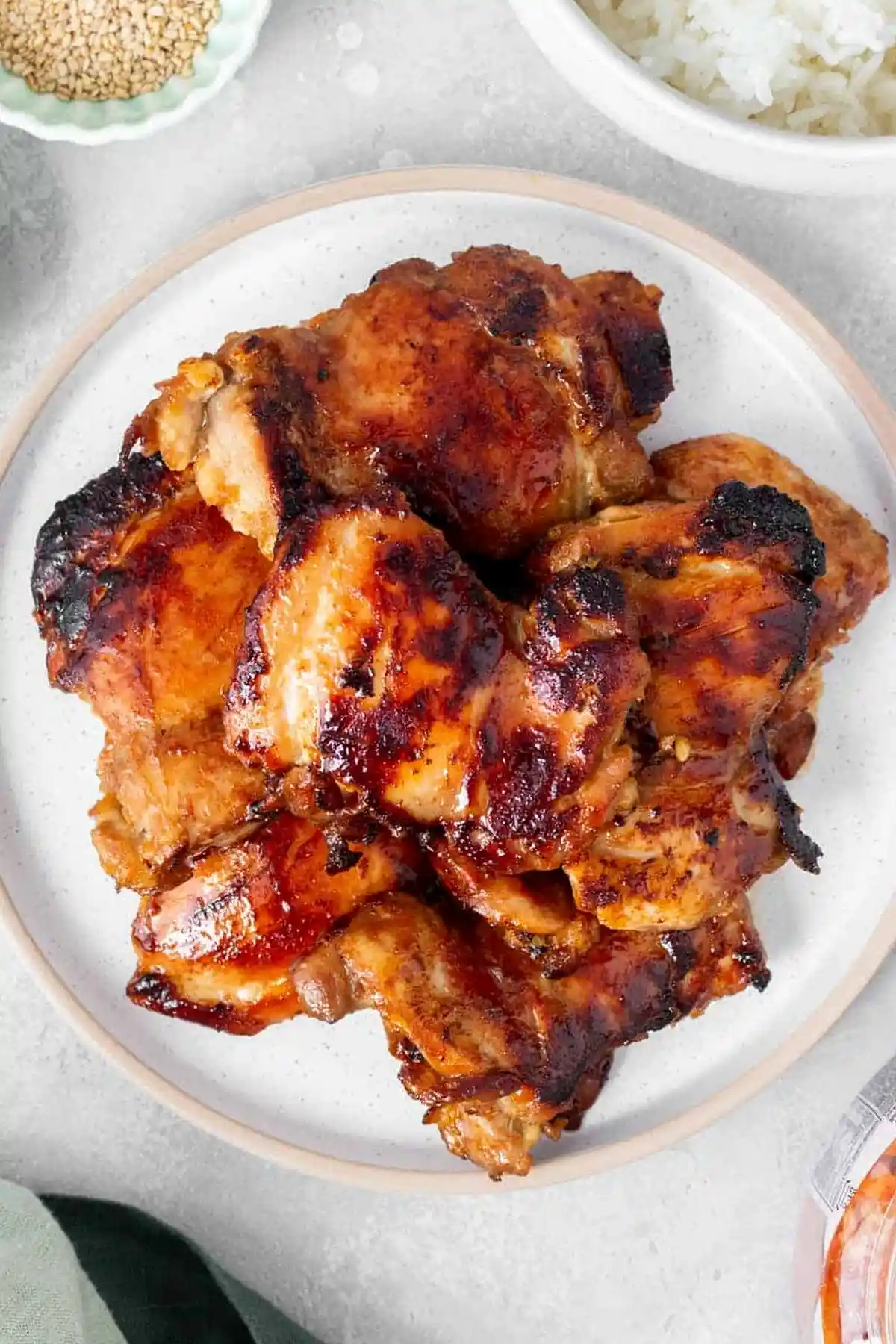
List of ingredients
- 3 tablespoons soy sauce (low sodium) – provides the essential salty base.
- 2 tablespoons rice vinegar – a suitable alcohol-free alternative to mirin for acidity.
- 3 tablespoons brown sugar – provides sweetness and aids in caramelization.
- 2 tablespoons minced garlic – adds a pungent, aromatic depth.
- 1 tablespoon sesame oil – contributes a distinct nutty flavor.
- 1 teaspoon onion powder – enhances the savory profile of the marinade.
- 1 tablespoon oil – used for searing the chicken in the pan.
- 1 pound boneless skinless chicken thighs – ensures the meat remains juicy during high-heat cooking.
step-by-step instructions
- Prepare the marinade: In a bowl, combine the soy sauce, rice vinegar, brown sugar, minced garlic, sesame oil, and onion powder.
- Marinate the chicken: Add the chicken thighs to the marinade and toss to combine. Set aside to marinate for a minimum of 30 minutes in the fridge.
- Heat the pan: In a large cast iron pan over medium-high heat, heat up the cooking oil until it is hot.
- Sear the meat: Add the chicken thighs into the pan, smooth-side down. Cook for 4 to 5 minutes.
- Flip and finish: Flip the chicken thighs and cook for another 4 to 5 minutes. For extra char, you can flip one more time and sear for an additional minute.
- Rest and serve: Transfer the chicken thighs to a plate to let them rest for 5 to 10 minutes before slicing and serving.
Cooking Success Secrets
Optimizing Your Cast Iron Temperature
Wait until the oil is shimmering or just starting to smoke before adding the meat. This ensures an immediate sear, which prevents the chicken from steaming in its own juices. A properly heated pan is the key to achieving the signature BBQ crust.
Managing the Searing Process
Avoid moving the chicken too frequently once it hits the pan. Allowing the meat to stay undisturbed for several minutes encourages the Maillard reaction, creating a deeply browned surface. The chicken will naturally release from the pan when the sear is complete.
Utilizing a Digital Meat Thermometer
The safest and most accurate way to ensure your chicken is cooked is by using a meat thermometer. Aim for an internal temperature of 165°F (74°C) at the thickest part of the thigh. This prevents overcooking while ensuring the meat is fully safe to eat.
Preventing Pan Overcrowding
If you have a smaller skillet, cook the chicken in two separate batches. Crowding the pan lowers the temperature and causes the meat to release water, leading to boiling rather than searing. Cooking in batches ensures every piece gets a crisp, charred exterior.
Ingredient Swaps and Alternatives
Substituting Soy Sauce for Coconut Aminos
For those seeking a soy-free option, coconut aminos can be used as a direct replacement. Note that coconut aminos are naturally sweeter and lower in sodium than soy sauce. You may need to reduce the brown sugar slightly to maintain a savory balance.
Using Honey Instead of Brown Sugar
Honey is an excellent substitute for brown sugar and can create a slightly glossier glaze. Because honey is a liquid, it may caramelize faster than granulated sugar. Keep a close eye on the heat to prevent the glaze from burning.
Rice Vinegar as a Mirin Substitute
Since mirin contains alcohol, rice vinegar combined with a bit of extra sugar is a perfect alternative. This combination provides the necessary acidity to balance the salt and sweetness. It maintains the bright, tangy profile typical of Korean marinades.
Selecting the Right Cooking Oil
Use an oil with a high smoke point, such as avocado, canola, or vegetable oil, for the searing process. While sesame oil is used in the marinade for flavor, it has a lower smoke point and can burn if used as the primary frying oil. High-heat oils keep the pan stable during the sear.
Flavor Enhancements and Variations
Adding Freshly Grated Ginger
Adding a tablespoon of freshly grated ginger to the marinade introduces a zesty, peppery warmth. Ginger complements the garlic and soy sauce, adding another layer of aromatic complexity. It is a common addition in many traditional Korean meat recipes.
Incorporating Gochugaru for Spicy Heat
If you prefer a spicy kick, stir in one to two teaspoons of Gochugaru, which are Korean red pepper flakes. These flakes provide a smoky, fruity heat that differs from standard chili flakes. It transforms the dish into a spicier version of dak-bulgogi.
Utilizing Asian Pear Puree
Pureed Asian pear is a traditional ingredient used to tenderize meat through natural enzymes. Replace a portion of the sugar with pear puree for a more authentic taste and a softer meat texture. This adds a subtle, fruity sweetness that enhances the soy base.
Adding Toasted Sesame Seeds
Garnish the finished chicken with a sprinkle of toasted sesame seeds just before serving. The seeds provide a slight crunch and a visual contrast to the dark, glazed meat. This simple addition enhances the nutty aroma of the sesame oil.
Serving and Pairing Ideas
Pairing with Steamed Short-Grain Rice
Serve the sliced chicken over a bed of steamed short-grain white rice. The sticky texture of the rice is perfect for absorbing the extra savory glaze from the chicken. It provides a neutral base that balances the intensity of the garlic and soy.
Creating Korean-Style Lettuce Wraps
Wrap pieces of chicken in fresh red leaf lettuce or perilla leaves for a refreshing contrast. This method, known as ssam, adds a crisp texture and fresh herbal notes to the meal. You can also add a dollop of ssamjang or gochujang inside the wrap.
Balancing Flavors with Kimchi
Side dishes of fermented kimchi provide a sharp, acidic counterpoint to the sweet and salty chicken. The probiotic tang of the cabbage helps cut through the richness of the chicken thighs. This creates a balanced palate across the entire meal.
Adding Sautéed Root Vegetables
Sauté sliced carrots, onions, and mushrooms in the same pan used for the chicken. These vegetables soak up the leftover caramelized bits of marinade. This adds essential nutrients and varied textures to the final presentation.
Preservation and Storage
Using Glass Airtight Containers
Store leftover cooked chicken in glass containers with airtight lids to maintain freshness. Glass is preferable to plastic as it does not absorb the strong odors of garlic and sesame oil. This keeps your fridge smelling fresh while preserving the food.
Proper Cooling Before Refrigeration
Allow the chicken to cool to room temperature before sealing it in a container. Placing hot meat directly into the fridge can create excess condensation. This moisture can make the seared exterior of the chicken soggy and affect the texture.
Determining the Safe Fridge Lifespan
Cooked chicken bulgogi can be safely stored in the refrigerator for up to 4 days. Ensure the container is kept at a constant temperature of 40°F (4°C) or below. Label the container with the date to track freshness accurately.
Reheating Methods
Restoring the Sear with a Skillet
For the best results, reheat the chicken in a non-stick skillet over medium heat with a teaspoon of oil. This helps restore the crispness of the seared edges that can be lost during refrigeration. Heat until the glaze becomes bubbly and sticky again.
Microwave Steaming Techniques
When using a microwave, place the chicken in a microwave-safe dish and cover it with a damp paper towel. This traps steam and prevents the meat from drying out during the heating process. Heat in short 30-second intervals until warmed through.
Low-Temperature Oven Warming
For larger batches, warm the chicken in the oven at 300°F (150°C) covered with aluminum foil. The foil prevents the sugars in the marinade from burning while the meat heats evenly. This method is ideal for serving guests.
Advanced Preparation Advice
Marinating in Freezer-Safe Bags
Combine the chicken and marinade in a heavy-duty freezer bag for easier mixing and storage. This method saves space in the refrigerator and allows you to massage the marinade into the meat more effectively. It also simplifies the cleanup process.
Thawing Frozen Marinated Chicken
If you have frozen the chicken in its marinade, thaw it slowly in the refrigerator overnight. Avoid thawing at room temperature to prevent the growth of harmful bacteria. This ensures the meat retains its texture and the flavors remain integrated.
Timing Your Marination Process
While 30 minutes is the minimum for flavor, marinating for 2 to 4 hours provides a deeper taste. Avoid marinating for more than 8 to 12 hours, as the acid in the vinegar can begin to break down the meat fibers too much. This can result in a mushy texture.
Troubleshooting Common Issues
Preventing the Sugary Sauce from Burning
The brown sugar in the marinade can burn quickly if the heat is too high. If you notice the sauce darkening too rapidly, lower the heat to medium. You can add a tablespoon of water to the pan to deglaze and loosen any burnt bits.
Fixing Chicken That Sticks to the Pan
If the chicken resists flipping, do not force it, as this will tear the meat. Give it another minute or two to develop a proper crust. Once the searing process is complete, the meat will release naturally from the surface of the pan.
Managing Excessive Kitchen Smoke
High-heat searing often produces smoke, especially with sugary marinades. Ensure your kitchen ventilation is on high or open nearby windows before you start cooking. Using a high-smoke-point oil also helps reduce the amount of smoke produced.
Correcting an Overly Salty Marinade
If the marinade tastes too salty, you can balance it by adding a small amount of honey or a splash of water. Adding a squeeze of fresh lime juice can also help brighten the flavor and distract from the excess salt. Always taste a small amount of sauce before adding the meat.
Frequently Asked Questions
Can I use chicken breasts instead of thighs?
Yes, you can use breasts, but they cook faster and dry out more easily than thighs. If using breasts, reduce the cooking time and ensure you do not overcook them. Thighs are recommended for their higher fat content and superior flavor.
Is this recipe suitable for an outdoor grill?
This recipe works excellently on a grill, but be mindful of flare-ups caused by the dripping sugar. Use medium-high heat and move the chicken frequently to avoid burning. Grilling adds a smoky dimension that mimics traditional Korean BBQ.
How do I make the marinade thicker?
To create a thicker glaze, you can simmer some of the leftover marinade in a small saucepan. Reduce the liquid over medium heat until it thickens into a syrup. Brush this reduction onto the chicken during the last minute of cooking.
Can I marinate the chicken for 24 hours?
Marinating for 24 hours is possible, but the texture of the meat may change due to the acidity. For the best balance of tenderness and structure, stick to under 8 hours. Over-marinating can make the exterior of the chicken too soft.
Print
Korean Style Chicken Bulgogi
- Total Time: 40 minutes
- Yield: 4 servings 1x
- Diet: Dairy-free
Description
This easy chicken bulgogi (also known as dak-bulgogi) is a simple recipe you can whip up on a skillet on a busy weeknight. Marinaded in pantry staples and seared to perfection, this homemade Korean BBQ chicken is a household favorite! Sweet, savory, and salty, this chicken bulgogi recipe is irresistible!
Ingredients
- 3 tablespoons soy sauce (low sodium)
- 2 tablespoons rice vinegar
- 2 tablespoons brown sugar
- 2 tablespoons minced garlic
- 1 tablespoon sesame oil
- 1 teaspoon onion powder
- 1 tablespoon oil
- 1 pound boneless skinless chicken thighs
Instructions
- Step 1: In a bowl, combine the soy sauce, rice vinegar, brown sugar, minced garlic, sesame oil, and onion powder. Add the chicken thighs to the marinade.
- Step 2: Toss to combine. Set aside to marinate for a minimum of 30 minutes in the fridge.
- Step 3: In a large cast iron pan over medium-high heat, heat up the cooking oil and once hot, add the chicken thighs into the pan, smooth-side down.
- Step 4: Cook for 4 to 5 minutes and then flip the chicken thighs and cook for another 4 to 5 minutes. If you’d like for the chicken to be more charred, you can flip it one more time and sear it for another minute.
- Step 5: When done, transfer the chicken thighs to a plate to let them rest for 5 to 10 minutes before slicing and serving.
Notes
If the chicken thighs are stuck to the pan, give it a few more extra minutes. The internal temperature of the chicken thighs should reach 165°F (74°C). Allow the cast iron skillet to heat up before adding the chicken for a better sear.
- Prep Time: 30 minutes
- Cook Time: 10 minutes
- Category: Main Course
- Method: Pan-Searing
- Cuisine: Korean
Nutrition
- Serving Size: 1 serving
- Calories: 247 kcal
- Sugar: 8 g
- Sodium: 601 mg
- Fat: 12 g
- Saturated Fat: 2 g
- Unsaturated Fat: 9 g
- Trans Fat: 0.04 g
- Carbohydrates: 12 g
- Fiber: 0.2 g
- Protein: 23 g
- Cholesterol: 108 mg