Grilling salmon is a straightforward process that rewards you with a smoky, tender, and succulent fish perfect for any dinner. Whether you prefer the direct sear of hot grates or the gentle, steam-infused environment of a foil packet, mastering these techniques ensures restaurant-quality results every time. By choosing high-quality center-cut fillets and monitoring heat levels closely, you can prevent drying and enjoy a perfectly flaky texture.
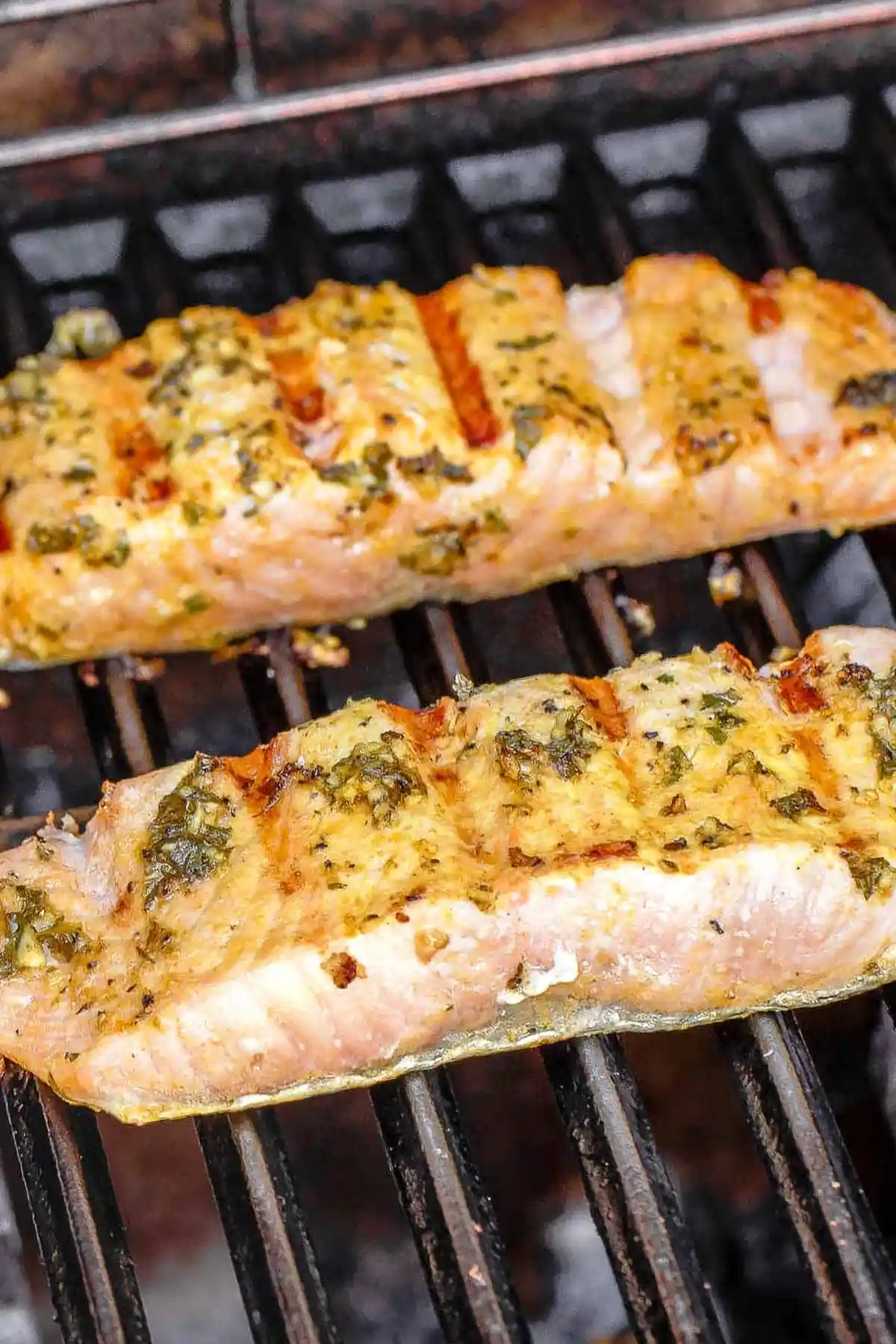
List of ingredients
- 1 to 1 1/2 pounds salmon fillet, skin-on, center cut
- Kosher salt to taste
- Marinade of your choice (options include lemon-garlic, spicy lime-harissa, or fresh herb blends)
- Extra virgin olive oil for brushing grates or foil
step-by-step instructions
- Step: Cut the large salmon fillet into 4 equal pieces, season with kosher salt, and apply your preferred marinade. Let it rest in the refrigerator for 20 minutes.
- Step: For direct grilling, preheat your grill to 450°F and oil the grates thoroughly.
- Step: Place salmon flesh-side down on the grill grates and cook for 1-3 minutes until grill marks appear.
- Step: Carefully flip the salmon to the skin-side down, reduce heat to 350°F, and cover the grill for another 3-5 minutes until the fish is opaque.
- Step: For foil grilling, preheat the grill to 375-400°F. Brush a large piece of heavy-duty foil with olive oil and place the fish inside.
- Step: Add your chosen marinade, seal the foil into a tented pouch, and cut a few small holes in the top for steam to escape.
- Step: Grill the foil pouch for 14-19 minutes depending on the thickness of the fillet.
- Step: Allow the salmon to rest for 5 minutes before serving to ensure an internal temperature of 145°F.
Essential grilling techniques
Maintaining consistent grill heat
Using a thermometer to monitor your grill temperature is critical when cooking fish. For direct-heat grilling, starting at 450°F creates an immediate sear that seals in juices, while dropping the temperature prevents the exterior from burning before the center is done. Keeping the lid closed at all times acts like an oven, ensuring the ambient air cooks the top of the salmon evenly alongside the direct heat from the bottom.
Selecting the right cut of fish
Choosing center-cut fillets is the single most important factor for success. These pieces have a consistent height from edge to center, meaning they will reach the target internal temperature simultaneously. Avoid the tail end, which is too thin and will likely dry out long before the thick middle section is cooked through.
Managing the skin
When cooking directly on the grates, the skin acts as a protective barrier between the delicate flesh and the intense heat. Always grill the salmon with the skin-side down for the majority of the cooking time to keep the fish intact. You can easily remove the skin after cooking if you prefer not to eat it, as it will lift away from the flesh quite simply.
Flavor and seasoning strategies
Creating depth with dry rubs
Dry seasoning blends work exceptionally well for salmon because they create a textured crust during the searing phase. Mix equal parts garlic powder, oregano, cumin, and coriander with a touch of Aleppo pepper for a Mediterranean-inspired profile. Rub this mixture onto dry fish surfaces to ensure it adheres properly before hitting the hot grates.
Utilizing citrus-based marinades
Citrus marinades brighten the natural richness of the salmon. Combine freshly squeezed lemon or lime juice with high-quality extra virgin olive oil, minced garlic, and fresh herbs like mint or dill. Allow the salmon to sit in this mixture for no longer than 20 minutes to prevent the acid from beginning to break down the fish tissue too aggressively.
Experimenting with savory pastes
For a bolder flavor, spread a layer of harissa or basil pesto over the fillet before sealing it in foil. The foil packet traps the aromatics, essentially braising the fish in its own flavorful steam. This method is particularly effective for those who find traditional grilling too intimidating, as the foil provides a buffer that eliminates the risk of sticking or burning.
Practical service suggestions
Pairing with fresh salads
Grilled salmon pairs beautifully with cool, crisp vegetables that offset the warmth of the fish. Prepare a cucumber salad with diced tomatoes, red onions, and a light vinaigrette to serve alongside. The crunch of fresh vegetables complements the tender, flaky texture of the cooked salmon perfectly.
Choosing starchy accompaniments
If you prefer a heartier meal, consider serving the salmon over a bed of fluffy bulgur wheat or a classic potato salad. These starches act as a neutral canvas for the bold flavors of your marinade. Grilled root vegetables, such as carrots or fennel, can also be cooked on the grill alongside the fish for an efficient, one-stop meal preparation.
Handling leftovers and storage
Proper refrigerator storage
Store any leftover salmon in an airtight container to prevent it from absorbing other refrigerator odors. It will stay fresh and safe to eat for up to two days. Keeping the fish in the refrigerator as soon as it reaches room temperature is essential for maintaining its food safety and quality.
Repurposing cold salmon
Since reheating grilled salmon often leads to a rubbery, dry consistency, it is best enjoyed cold. Flake the cold leftovers into a fresh green salad or a chilled pasta dish. The salmon provides a significant boost of protein and flavor without the need for additional heating, making it an excellent lunch option for the following day.
Commonly asked questions
How can I verify the salmon is fully cooked?
The most reliable method is to check the internal temperature with a probe thermometer, aiming for 145°F. Alternatively, use a fork to gently twist the thickest part of the fillet; if the flesh separates easily into moist flakes and is no longer translucent, it is ready to be removed from the heat.
What should I do if the fish starts to stick to the grates?
Sticking usually happens when the fish is flipped too early. Wait until the flesh releases naturally from the grates before attempting to turn it. If it feels anchored, give it another 30 to 60 seconds of cooking time, as the proteins will naturally release from the metal once a proper sear has formed.
Is it necessary to use heavy-duty foil?
Standard household foil is thin and can tear easily when you attempt to move the packet onto or off the grill. Heavy-duty foil is specifically designed to withstand higher heat and the mechanical stress of being handled, ensuring your marinade remains trapped inside the packet rather than leaking into the grill.
How do I manage flare-ups while grilling?
Flare-ups occur when fat or oil drips onto the heat source. Keep a spray bottle of water nearby for small flames, or simply move the salmon to a cooler part of the grill until the flare-up subsides. Cooking with the lid closed as much as possible also limits the oxygen available to fuel flames, keeping the environment more controlled.
Print
How to Grill Salmon Perfectly (2 Ways!)
- Total Time: PT13M
- Yield: 4 servings 1x
- Diet: Mediterranean Diet
Description
Learn how to grill salmon like a pro! This recipe offers two simple methods for juicy, tender salmon: directly over the hot grates or wrapped in foil for easy cleanup. Use center-cut, skin-on salmon fillets for the most uniform cooking and best flavor.
Ingredients
- 1 to 1 1/2 pounds salmon fillet, skin-on, center cut
- Kosher salt to taste
- Marinade of your choice (options include lemon-garlic, spicy lime-harissa, or fresh herb blends)
- Extra virgin olive oil for brushing grates or foil
Instructions
- Step: Cut the large salmon fillet into 4 equal pieces, season with kosher salt, and apply your preferred marinade. Let it rest in the refrigerator for 20 minutes.
- Step: For direct grilling, preheat your grill to 450°F and oil the grates thoroughly.
- Step: Place salmon flesh-side down on the grill grates and cook for 1-3 minutes until grill marks appear.
- Step: Carefully flip the salmon to the skin-side down, reduce heat to 350°F, and cover the grill for another 3-5 minutes until the fish is opaque.
- Step: For foil grilling, preheat the grill to 375-400°F. Brush a large piece of heavy-duty foil with olive oil and place the fish inside.
- Step: Add your chosen marinade, seal the foil into a tented pouch, and cut a few small holes in the top for steam to escape.
- Step: Grill the foil pouch for 14-19 minutes depending on the thickness of the fillet.
- Step: Allow the salmon to rest for 5 minutes before serving to ensure an internal temperature of 145°F.
Notes
Leftover salmon can be stored in an airtight container for up to 2 days and is best used in cold salads. Always use center-cut fillets for even cooking.
- Prep Time: PT5M
- Cook Time: PT8M
- Category: Dinner
- Method: Grilling
- Cuisine: Mediterranean
Nutrition
- Serving Size: 1 fillet
- Calories: 242 kcal
- Sugar: 0.5 g
- Sodium: 75 mg
- Fat: 11 g
- Saturated Fat: 2 g
- Unsaturated Fat: 8 g
- Trans Fat: 0 g
- Carbohydrates: 1 g
- Fiber: 0 g
- Protein: 34 g
- Cholesterol: 94 mg