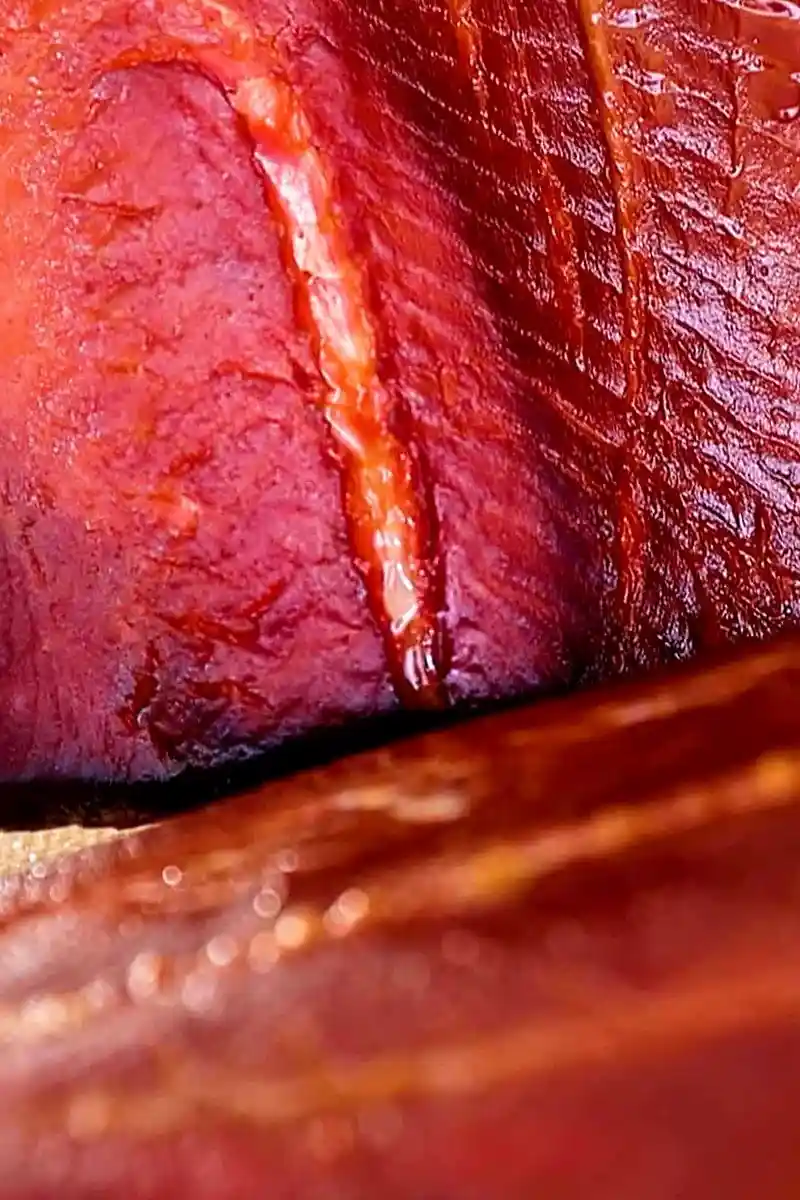
Create a rich and tender fish with this straightforward home-smoking method. This process transforms a simple filet into a gourmet appetizer that is perfect for breakfast or party platters.
List of ingredients
- 3 lb skin-on salmon – must be previously brined for 8 hours to ensure optimal flavor and texture.
step-by-step instructions
- Drain the fish: After brining for 8 hours, remove the salmon from the brine solution, shake off any excess liquid, and place it on a rack to drain.
- Develop the pellicle: Transfer the salmon to a parchment-lined baking sheet. Place it in front of a fan in a well-ventilated area, or leave it uncovered in the refrigerator for approximately 4 hours until the skin becomes shiny and tacky.
- Prepare for smoking: Cut the salmon filet horizontally into thirds for easier handling. Transfer the pieces to a smoking rack that has been sprayed with oil to prevent the fish from sticking.
- Setup for Gas Grill/Smoker: Add 1 inch of water to the smoker tray. Place alder wood chips into an internal smoker box.
- Execute Gas Smoke: Start the temperature at 100°F for 2 hours, then increase to 140°F for 2 hours, and finish at 175°F for the final 1.5 to 2 hours. Baste the fish with the brine mixture each time you raise the temperature.
- Execute Pellet Smoke: Set your pellet smoker to its lowest setting (typically 165°F) and smoke for 4 to 5 hours. Baste periodically with the brine mixture to maintain moisture.
- Check internal temperature: Use an instant-read thermometer to monitor the fish. Remove the salmon from the heat once it reaches an internal temperature of 145°F.
- Cool and store: Allow the smoked salmon to rest on a cooling rack for one hour. Once cooled, wrap in plastic or place in a container and refrigerate until ready to serve.
Mastering the Pellicle Process
The Purpose of the Pellicle
A pellicle is the thin, sticky layer of proteins that forms on the surface of the fish after it has been brined and dried. This layer is essential because it seals moisture inside the filet and provides a tacky surface for smoke particles to adhere to. Without it, the smoke will not penetrate the fish as effectively, resulting in less flavor.
Using Airflow for Faster Drying
Placing your salmon in front of a circulating fan is the fastest way to create a pellicle. The constant airflow evaporates surface moisture quickly, accelerating the development of the tacky skin. Ensure the area is well-ventilated to avoid any buildup of humidity around the fish.
The Refrigerator Drying Method
If you do not have a fan, the refrigerator is an excellent alternative for drying the fish. The naturally dry environment of a fridge draws moisture out of the salmon over several hours. Keep the fish uncovered on a baking sheet to ensure air can reach all surfaces of the filet.
Identifying a Completed Pellicle
You can tell the pellicle is ready when the surface of the salmon appears shiny and feels sticky to the touch. This transition usually takes about 4 hours depending on the humidity of your environment. If the fish still feels wet or slippery, allow it to dry longer before starting the smoking process.
Optimizing Your Smoking Equipment
Selecting Alder Wood Chips
Alder wood is highly recommended for salmon because it provides a mild, sweet smoky flavor that does not overpower the natural taste of the fish. Heavier woods like hickory or mesquite can be too intense for delicate seafood. Alder offers a balanced profile that enhances the richness of the omega-3 fats in the salmon.
Preparing the Smoker Box
For those without a professional smoker box, an aluminum loaf pan or a bowl made of tin foil works perfectly. Fill the container with dry wood chips and place it directly on the rack over the hottest part of your grill. This ensures the chips smolder and release smoke steadily without catching fire.
The Role of the Water Tray
Adding an inch of water to the smoker tray helps maintain a humid environment inside the grill. This moisture prevents the exterior of the fish from drying out too quickly during the long cooking process. It also helps regulate the temperature, preventing sudden spikes that could overcook the fish.
Using Precision Thermometers
An instant-read digital thermometer is the only way to guarantee the salmon is cooked safely and remains tender. Because different filets vary in thickness, relying on time alone can lead to overcooking. Remove the fish exactly when it hits 145°F to avoid a dry, chalky texture.
Temperature Management and Techniques
Managing Low-Temperature Stages
Starting the smoke at 100°F allows the fish to absorb the maximum amount of smoke flavor before the proteins begin to tighten. This slow start is key to achieving the classic tender texture of professional smoked salmon. If your grill cannot go this low, keep the lid open slightly to let heat escape.
Adapting for Pellet Smoker Heat
Pellet smokers often have a minimum temperature setting around 165°F, which is higher than gas grill starting temps. Because the heat is more consistent and forced, the cooking time is typically shorter, ranging from 4 to 5 hours. The result remains tender as long as the internal temperature is monitored closely.
The Benefits of Brine Basting
Basting the salmon with its remaining brine mixture every time the temperature is increased adds layers of flavor. This technique also keeps the surface moist, which encourages more smoke to stick to the pellicle. Use a brush to apply a thin, even layer across the top of the filets.
Handling Differently Sized Filets
Filets that are thicker than one inch will require longer smoking times to reach the safe internal temperature. Conversely, thinner cuts may reach 145°F much faster, especially during the final high-heat stage. Always check the thickest part of the fish to ensure it is fully cooked.
Serving and Pairing Suggestions
Classic Bagel and Cream Cheese
The most popular way to serve this smoked salmon is chilled on a toasted bagel spread with thick cream cheese. The acidity of the cream cheese cuts through the richness of the smoked fish. This combination provides a balance of textures and flavors that is ideal for breakfast.
Adding Traditional Garnishes
Enhance your salmon platter with capers, thinly sliced red onions, and fresh dill sprigs. The saltiness of capers and the bite of raw onion provide a sharp contrast to the smoky sweetness of the fish. A squeeze of fresh lemon juice over the top adds a bright, citrusy finish.
Incorporating Salmon into Salads
Cold smoked salmon works beautifully as a protein substitute in fresh garden salads. Use a bed of mixed greens, cucumbers, and cherry tomatoes, then flake the smoked salmon on top. A light lemon-vinaigrette dressing complements the smoke without masking it.
Creating an Appetizer Board
Arrange slices of chilled smoked salmon on a wooden board with assorted crackers, sliced cucumbers, and soft cheeses. This presentation is excellent for entertaining guests and allows them to customize their bites. Include some olives or pickled vegetables to add variety to the board.
Storage and Maintenance
Proper Refrigeration Techniques
Store your finished smoked salmon in an airtight glass or plastic container to prevent it from absorbing other odors in the fridge. Ensure the fish is completely cooled before sealing the container to avoid condensation. When stored correctly, the salmon will stay fresh for 8 to 10 days.
Long-Term Freezer Storage
For storage beyond ten days, wrap the salmon tightly in plastic wrap and then place it in a heavy-duty freezer bag. This double-layering prevents freezer burn and preserves the smoky aroma. Smoked salmon can be kept in the freezer for several months without significant loss of quality.
Safe Thawing Procedures
When using frozen smoked salmon, thaw it slowly in the refrigerator for 24 hours before serving. Avoid thawing it on the counter or in warm water, as this can compromise the texture and safety of the fish. Once thawed, consume the fish within two days.
Signs of Spoilage
Always check the salmon for a sour smell or a slimy surface before consuming it. While smoked fish has a longer shelf life than raw fish, it can still spoil if not kept at the correct temperature. If the color has faded significantly or the smell is off, discard it immediately.
Troubleshooting Common Issues
Addressing Dry Texture
If your salmon comes out dry, it is likely because the internal temperature exceeded 145°F or the smoke temperature was too high. Ensure you are using the stepped temperature method for gas grills to cook the fish gently. Using a thermometer is the best way to prevent this error.
Managing Lack of Pellicle
If you cannot get a pellicle to form due to high humidity, place the brined salmon on a piece of aluminum foil that fits the size of the fish. This prevents the fish from sitting directly on the rack and allows smoke to move around the filet more efficiently. While not a perfect substitute, it helps maintain flavor.
Avoiding Bitter Smoke Flavor
Bitter flavors usually occur when wood chips are soaked in water before being added to the smoker. Soaked chips can lower the grill temperature and create a steam-like effect that produces acrid smoke. Always use dry alder wood chips for the cleanest and sweetest flavor profile.
Preventing Salmon from Sticking
Fish tends to stick to metal racks, which can tear the delicate flesh when removing it. To prevent this, spray the smoking rack generously with a neutral cooking oil before placing the salmon. Alternatively, you can use a non-stick grill mat if your smoker supports it.
Frequently Asked Questions
Do I need to soak wood chips before smoking?
No, you should not soak the wood chips. Dry chips provide a more consistent temperature and a better flavor, whereas wet chips can produce a bitter taste and potentially damage the grill.
Why is my smoked salmon dry?
Dryness is usually caused by cooking the fish at too high a temperature for too long. Following a gradual temperature increase and removing the fish exactly at 145°F internal temperature will ensure tenderness.
How do I store smoked salmon?
Keep the smoked salmon in an airtight container in the refrigerator for 8 to 10 days. For longer preservation, wrap it tightly and store it in the freezer.
Print
Homemade Smoked Salmon Guide
- Total Time: 9 hours
- Yield: 10 servings 1x
- Diet: Pescetarian
Description
My smoked salmon has a rich flavor and comes out perfectly tender every time! See just how easy it is to smoke your own salmon at home.
Ingredients
- 3 lb skin-on salmon, brined
Instructions
- Prepare: After brining for 8 hours, remove salmon from brine solution, shake off excess, and place salmon on a rack to drain.
- Dry: Transfer to a parchment-lined baking sheet in front of a fan or in a well ventilated area to dry and develop a pellicle (shiny, tacky skin). Alternatively, leave salmon uncovered in the refrigerator.
- Cut: Cut the salmon filet horizontally into thirds for easier handling and transfer pieces to a smoking rack sprayed with oil to prevent sticking.
- Smoke (Gas Grill): Add 1 inch of water to the water tray and alder wood chips to the internal smoker box. Smoke for 4-6 hours, starting at 100°F for 2 hours, then 140°F for 2 hours, and finally 175°F for 1.5-2 hours, until internal temperature reaches 145°F.
- Smoke (Pellet Smoker): Smoke for 4.5-5 hours at 165°F until the internal temperature reaches 145°F.
- Finish: Allow smoked salmon to rest on a cooling rack for an hour, then serve immediately or refrigerate.
Notes
The pellicle creates a sticky surface on the fish for the smoke to adhere to. This step takes about 4 hours and is vital for properly smoked salmon.
- Prep Time: 30 minutes
- Cook Time: 4 hours 30 minutes
- Category: Appetizers
- Method: Smoking
- Cuisine: American
Nutrition
- Serving Size: 1 serving
- Calories: 159 kcal
- Sugar: 0 g
- Sodium: 1067 mg
- Fat: 6 g
- Saturated Fat: 1 g
- Unsaturated Fat: 4 g
- Trans Fat: 0 g
- Carbohydrates: 0 g
- Fiber: 0 g
- Protein: 25 g
- Cholesterol: 31 mg