This savory chicken dish uses a blend of dried herbs and a quick pan-sear to create a flavorful crust. It is a fast weeknight meal that delivers restaurant-style results in under 20 minutes.
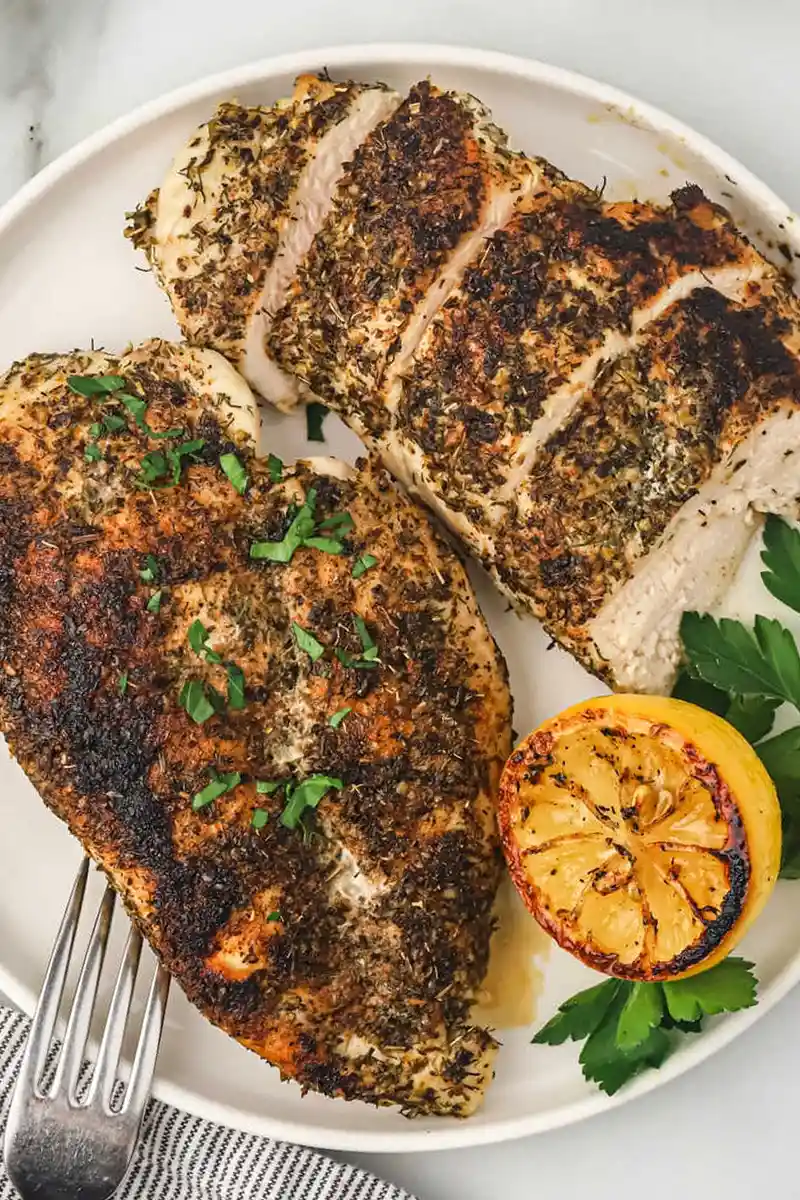
List of ingredients
- 4 boneless skinless chicken breasts – pounded to even thickness.
- 2 tablespoons dried dill – for a tangy, herbal note.
- 2 tablespoons dried basil – adds a sweet, peppery aroma.
- 2 tablespoons dried oregano – provides a classic earthy flavor.
- 2 tablespoons garlic powder – for a pungent, savory base.
- 1 teaspoon paprika – adds color and a mild sweetness.
- 2 teaspoons salt – enhances all other seasonings.
- 2 teaspoons pepper – adds a subtle spicy bite.
- 2 tablespoons extra virgin olive oil – used for searing the meat.
- 1 fresh lemon (juiced) – provides acidity to balance the herbs.
step-by-step instructions
- Combine the seasonings: In a small mixing bowl, stir together the dried dill, dried basil, dried oregano, garlic powder, paprika, salt, and pepper until the mixture is uniform.
- Prepare the chicken: Place the boneless skinless chicken breasts between two sheets of plastic wrap. Use a large wooden spoon or a meat mallet to gently pound them until they are an even thickness across the entire piece.
- Apply the herb crust: Sprinkle the prepared seasoning mixture evenly over both sides of each chicken breast. Press the herbs lightly into the meat with your fingers to ensure the coating sticks.
- Sear the chicken: Heat the extra virgin olive oil in a large skillet over medium-high heat. Once the oil is shimmering, add the chicken and cook for approximately 5 minutes per side until browned and slightly crispy.
- Finish cooking: Reduce the skillet heat to medium-low. Continue cooking the chicken until it is fully cooked through and the internal temperature reaches exactly 165°F.
- Add final flavor: Remove the skillet from the heat source. Squeeze the juice of one fresh lemon directly over the cooked chicken breasts.
- Rest the meat: Let the chicken rest for 5 minutes before slicing or serving to allow the juices to redistribute.
Mastering the Cooking Process
Using an Instant-Read Meat Thermometer
The most reliable way to prevent overcooking is to use a digital meat thermometer. Insert the probe into the thickest part of the breast to ensure it has hit 165°F. This avoids the need to cut into the meat, which lets precious juices escape.
Pounding Chicken for Uniformity
Chicken breasts naturally taper from a thick end to a thin end, which often leads to uneven cooking. Pounding them to a consistent thickness ensures that the thin end does not dry out while the thick end is still raw. Use plastic wrap to prevent the meat from tearing or sticking to the mallet.
Achieving the Perfect Sear
Wait until the olive oil is shimmering or slightly smoking before adding the chicken to the pan. This high initial heat creates a Maillard reaction, which browns the herbs and locks in flavor. Avoid overcrowding the pan, as this lowers the temperature and causes the chicken to steam rather than sear.
Allowing the Meat to Rest
Resting the chicken for 5 minutes after cooking allows the muscle fibers to relax. This process ensures that the juices stay within the meat rather than running out onto the plate. Squeezing the lemon juice during this resting period allows the acidity to penetrate the crust.
Customizing Your Herb Crust
Using Fresh Herbs Instead of Dried
If using fresh herbs, you will need to triple the quantity because fresh herbs have higher water content. Finely chop fresh dill, basil, and oregano before mixing them with the garlic powder and paprika. Note that fresh herbs may brown more quickly in the pan than dried ones.
Adjusting the Spice Level
For a spicier version, add a half teaspoon of cayenne pepper or red chili flakes to the seasoning mix. If you prefer a milder flavor, reduce the black pepper to one teaspoon. Adjusting these elements allows you to tailor the dish to different palate preferences.
Alternative Oil Options
While extra virgin olive oil is recommended for flavor, avocado oil is a great alternative due to its higher smoke point. Grapeseed oil also works well for high-heat searing without adding a strong flavor. Avoid using butter for the initial sear as it can burn quickly at medium-high temperatures.
Adding Lemon Zest for Depth
For a more intense citrus flavor, grate the zest of the lemon into the dry seasoning mix before applying it to the chicken. The zest contains essential oils that provide a brighter aroma than the juice alone. This adds a layer of complexity to the herb crust.
Alternative Cooking Methods
Baking in the Oven
If you prefer not to use a skillet, preheat your oven to 400°F. Place the seasoned chicken in a baking dish and bake for approximately 20 minutes per side depending on the thickness. Ensure the chicken reaches an internal temperature of 165°F before removing it from the oven.
Using a Baking Rack
When baking, place a wire rack inside your baking dish to elevate the chicken. This allows hot air to circulate under the meat, preventing the bottom from becoming soggy. It helps maintain a more consistent crust across the entire surface of the breast.
The Sear-and-Bake Hybrid Method
For very thick breasts, sear them in a skillet for 3 minutes per side to develop the crust. Transfer the skillet (if oven-safe) or move the chicken to a baking sheet and finish in the oven at 375°F. This ensures a crispy exterior and a perfectly cooked interior without burning the herbs.
Recommended Side Dish Pairings
Homemade Cornbread
A piece of warm, buttery cornbread complements the earthy herbs of the chicken. The sweetness of the corn balances the acidity of the lemon juice. Serve it with a side of honey or maple syrup for additional flavor.
Green Beans with Smoked Paprika
Steam fresh green beans and sauté them with a touch of olive oil and smoked paprika. The smokiness of the paprika mirrors the flavors in the chicken crust. This provides a crisp, nutritious vegetable contrast to the protein.
Loaded Mashed Potatoes
Prepare creamy mashed potatoes and top them with shredded cheddar cheese, chives, and a dollop of sour cream. The richness of the potatoes pairs well with the lean chicken breast. Use a hand mixer for a smoother, airier texture.
Roasted Root Vegetables
Toss carrots, parsnips, and sweet potatoes in olive oil, salt, and pepper. Roast them at 400°F until caramelized and tender. These vegetables add a natural sweetness that complements the savory herb profile.
Steamed Broccoli with Garlic
Lightly steam broccoli florets and toss them with minced garlic and a drizzle of olive oil. The bright green color and clean taste of the broccoli cut through the richness of the seared chicken. Add a pinch of salt to bring out the vegetable’s natural flavor.
Storage and Reheating Guidelines
Refrigerating Leftovers
Place leftover chicken in an airtight container once it has cooled to room temperature. It will stay fresh in the refrigerator for up to 5 days. Ensure the container is sealed tightly to prevent the chicken from absorbing other odors in the fridge.
Best Reheating Practices
To maintain the texture, reheat the chicken in a skillet over medium heat with a teaspoon of water or broth. Cover the pan for a few minutes to steam the meat gently. Avoid the microwave if possible, as it can make the chicken rubbery and dry.
Freezing for Long-Term Storage
Wrap cooked chicken breasts tightly in foil and then place them in a freezer-safe bag. They can be stored for up to 3 months. Thaw the chicken in the refrigerator overnight before reheating it in the oven or skillet.
Troubleshooting Common Issues
Preventing Herb Burn
If the herbs are turning black instead of brown, your skillet heat is too high. Reduce the heat to medium and add a small amount of oil if the pan looks dry. Lowering the temperature allows the chicken to cook through without scorching the dried spices.
Fixing Dry Chicken
Dry chicken usually results from overcooking or failing to pound the meat evenly. Always use a thermometer to stop cooking exactly at 165°F. If the chicken is already dry, slice it thinly and drizzle with extra lemon juice or a bit of melted butter.
Improving Seasoning Adhesion
If the herb mixture is falling off the chicken, ensure the meat is patted dry with paper towels before applying the spices. Moisture on the surface creates a barrier that prevents the dry rub from sticking. Pressing the spices firmly into the meat also helps them adhere during the searing process.
Frequently Asked Questions
Can I use chicken thighs instead of breasts?
Yes, you can use boneless skinless chicken thighs. Thighs are more forgiving and stay juicy longer, but they may require a few extra minutes of cooking time due to their higher fat content.
What is the best oil for high-heat searing?
Avocado oil or grapeseed oil are the best choices because they have very high smoke points. This prevents the oil from breaking down and tasting bitter when you sear the chicken at medium-high heat.
How do I store the leftover spice mix?
Keep any unused seasoning mixture in a small glass jar with a tight lid. Store it in a cool, dark pantry or the refrigerator to keep the dried herbs from losing their potency over time.
Can I make this recipe in an air fryer?
Yes, place the seasoned chicken in the air fryer basket at 375°F. Cook for about 12-15 minutes, flipping halfway through, until the internal temperature reaches 165°F.
Print
Herb-Crusted Pan-Seared Chicken
- Total Time: 20 minutes
- Yield: 4 servings 1x
- Diet: General
Description
Texas Roadhouse Herb Crusted Chicken is seasoned perfectly and cooked in a skillet for an amazing dinner idea. Easy copycat recipe.
Ingredients
- 4 Boneless Skinless Chicken Breasts
- 2 Tablespoons Dried Dill
- 2 Tablespoons Dried Basil
- 2 Tablespoons Dried Oregano
- 2 Tablespoons Garlic Powder
- 1 Teaspoon Paprika
- 2 teaspoons Salt
- 2 teaspoons Pepper
- 2 Tablespoons Extra Virgin Olive Oil
- Lemon (juiced)
Instructions
- Step 1: In a small bowl, mix together 2 tablespoons dried dill, 2 tablespoons dried basil, 2 tablespoons dried oregano, 2 tablespoons garlic powder, 1 teaspoon paprika, 2 teaspoons salt, and 2 teaspoons pepper.
- Step 2: Place 4 boneless skinless chicken breasts between sheets of plastic wrap and use a large wooden spoon or mallet to gently pound them until they are an even thickness.
- Step 3: Sprinkle the seasoning mixture evenly over both sides of the chicken breasts, pressing lightly so the seasoning sticks.
- Step 4: Heat 2 tablespoons extra virgin olive oil in a large skillet over medium-high heat. Add the chicken breasts to the skillet and cook for about 5 minutes on each side until both sides are browned and slightly crispy.
- Step 5: Reduce the heat to medium-low and continue cooking until the chicken is fully cooked through and reaches an internal temperature of 165°F.
- Step 6: Remove the chicken from the heat and squeeze the juice of 1 lemon over the top.
- Step 7: Let the chicken rest for about 5 minutes before serving.
Notes
Use an instant-read meat thermometer to ensure chicken reaches 165°F. Refrigerate leftovers in an airtight container for up to 5 days.
- Prep Time: 5 minutes
- Cook Time: 10 minutes
- Category: Main Course
- Method: Skillet
- Cuisine: American
Nutrition
- Serving Size: 1 serving
- Calories: 223 kcal
- Sugar: 0.3 g
- Sodium: 1302 mg
- Fat: 10 g
- Saturated Fat: 2 g
- Unsaturated Fat: 7 g
- Trans Fat: 0.01 g
- Carbohydrates: 7 g
- Fiber: 3 g
- Protein: 26 g
- Cholesterol: 72 mg