This classic beef goulash is a filling, one-pot style meal that combines savory ground beef with tender elbow macaroni in a rich tomato sauce. It is an ideal choice for quick weeknight dinners that require minimal cleanup while delivering maximum comfort and flavor.
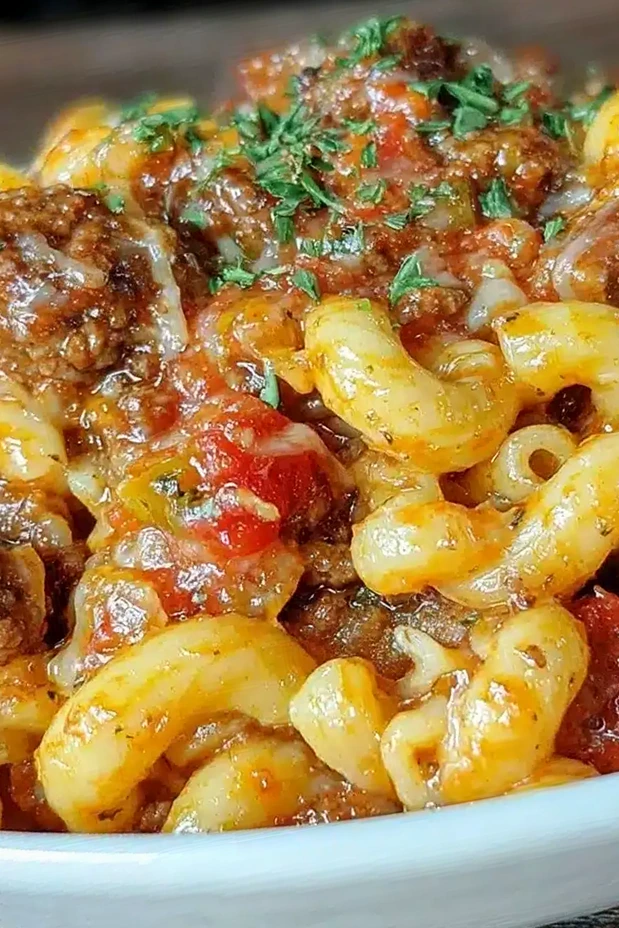
List of ingredients
- 1 lb (450 g) ground beef (85/15 lean preferred) – provides the savory protein base.
- 2 cups (200 g) elbow macaroni – the traditional pasta choice for this dish.
- 1 medium yellow onion, finely chopped – adds a necessary sweet and savory foundation.
- 3 cloves garlic, minced – provides a pungent, aromatic kick to the sauce.
- 15 oz (425 g) tomato sauce – creates the smooth, thick body of the sauce.
- 14.5 oz (411 g) diced tomatoes (fire-roasted optional) – adds chunks of texture and brightness.
- 1 cup (240 ml) beef broth – helps meld the flavors and maintains the right consistency.
- 1 tbsp Worcestershire sauce – adds a deep, umami richness.
- 2 tsp paprika (sweet or smoked) – provides the signature warm, earthy color and flavor.
- 1 tsp dried oregano – adds a subtle herbal note.
- Salt and black pepper to taste – used for essential seasoning adjustments.
- 1 tbsp olive oil – used for sautéing the aromatics.
- Optional: 1/4 tsp red pepper flakes – adds a hint of spicy warmth if desired.
step-by-step instructions
- Boil the Pasta: Bring a large pot of salted water to a boil. Add 2 cups (200 g) of elbow macaroni and cook according to package instructions, about 7–8 minutes until al dente. Drain and set aside. Tip: Keep the pasta slightly firm as it will soften further when combined with the sauce.
- Sauté Aromatics: While pasta cooks, heat 1 tablespoon olive oil in a large skillet or Dutch oven over medium heat. Add chopped onion and cook for 4–5 minutes until translucent and soft. Stir in minced garlic and cook for another 30 seconds until fragrant. Tip: Do not let the garlic brown too quickly or it may become bitter.
- Brown the Beef: Add 1 pound (450 g) ground beef to the pan. Break it up with a wooden spoon and cook until browned and no longer pink, about 7–8 minutes. Drain excess fat if desired. Tip: Searing the meat well creates a better flavor profile for the final dish.
- Season the Meat: Stir in 2 teaspoons paprika, 1 teaspoon dried oregano, salt, and pepper to taste. Add 1 tablespoon Worcestershire sauce and optional 1/4 teaspoon red pepper flakes. Mix well to coat the beef evenly. Tip: Ensure the spices are well-incorporated into the beef before adding liquids.
- Simmer the Sauce: Pour in 15-ounce (425 g) can of tomato sauce and 14.5-ounce (411 g) can of diced tomatoes with juice. Stir in 1 cup (240 ml) beef broth. Bring to a simmer, reduce heat to low, and cook uncovered for 10–15 minutes, stirring occasionally. Tip: Simmering uncovered allows the sauce to thicken to the desired consistency.
- Combine and Finalize: Add cooked macaroni to the skillet with the sauce. Stir gently to combine and heat through for another 2–3 minutes. Taste and adjust seasoning if needed. Tip: Gently fold in the pasta to avoid breaking the macaroni.
- Serve: Spoon goulash into bowls and serve hot. Pairs well with green salad or crusty bread. Tip: Let the dish rest for a minute before serving to let the sauce settle.
Mastering the Cooking Process
Brown the Beef Thoroughly for Deeper Flavor
Browning the beef is not just about cooking it through; it is about creating a Maillard reaction. This process gives the meat a caramelized crust and a rich, savory flavor that defines the dish. If you cook the meat too quickly on low heat, it may steam in its own juices, resulting in a gray color and less depth.
Avoid crowding the pan too much to ensure the temperature remains high. If you are making a double batch, brown the meat in portions. This prevents the pan from cooling down and ensures every piece of beef gets a proper sear.
Cook Pasta Al Dente to Prevent Mushiness
Since the macaroni is added to a simmering sauce at the end, it continues to cook through residual heat. If you boil the pasta until it is fully soft in the pot, it will likely become overcooked and mushy once it hits the sauce.
Aim for ‘al dente,’ which means the pasta still has a slight bite to it. This ensures the macaroni maintains its structural integrity and provides a satisfying contrast to the tender beef and smooth sauce.
Simmer the Sauce Gently for Flavor Development
The simmering stage is where the individual flavors of the tomato, broth, and spices meld into a cohesive sauce. Reducing the heat to low prevents the sauce from scorching while allowing the water content to evaporate slightly.
Cooking the sauce uncovered is a key technique here. It allows the sauce to thicken naturally, concentrating the savory notes and ensuring the goulash isn’t too watery when the pasta is added.
Adjust Salt Levels Gradually
Canned ingredients like tomato sauce, diced tomatoes, and beef broth often contain varying levels of sodium. Adding too much salt at the beginning can lead to an overly salty final product that is difficult to correct.
Season the beef lightly at first, and wait until the sauce has simmered and reduced before doing a final taste test. This allows you to accurately judge how much additional salt is actually needed.
Ingredient Substitutions and Swaps
Use Ground Turkey or Chicken for a Leaner Protein
If you prefer a lighter version of this meal, ground turkey or ground chicken are excellent alternatives to beef. These proteins are leaner and offer a milder flavor that allows the tomato and paprika notes to shine more prominently.
Because poultry is leaner, you may need to add a small amount of extra olive oil during the sautéing phase to prevent the meat from sticking to the pan. The cooking time and sequence remain exactly the same.
Substitute Lentils or Mushrooms for a Plant-Based Option
For those seeking a meatless version, cooked brown lentils or finely chopped cremini mushrooms provide a similar hearty texture to ground beef. Mushrooms, in particular, offer a natural umami flavor that complements the savory sauce.
If using raw mushrooms, sauté them until they release their moisture and brown deeply before adding the other ingredients. For lentils, add them toward the end of the sauce simmering process so they do not break down too much.
Swap Regular Macaroni for Gluten-Free Pasta
This recipe is easily adaptable for those avoiding gluten. Brown rice pasta or corn-based macaroni are great substitutes that hold up well in a thick sauce without disintegrating.
Be mindful that gluten-free pastas often have different boiling times and can go from undercooked to overcooked very quickly. Monitor the pasta closely and drain it a minute earlier than you think is necessary.
Use Small Shells or Rotini for Different Textures
While elbow macaroni is the traditional choice, other small pasta shapes can work well. Small shells are excellent for scooping up the sauce, while rotini (spirals) provide a bit more chew and a different mouthfeel.
Regardless of the shape, ensure the pasta is small enough to be easily scooped with a spoon. Avoid large noodles like penne or rigatoni, as they can make the dish feel disjointed and uneven.
Ways to Customize Your Goulash
Add Shredded Cheese for a Creamy Finish
To turn this into a cheesier comfort meal, stir in a cup of shredded sharp cheddar or mozzarella during the final heating step. The cheese will melt into the sauce, adding a creamy texture and a salty tang.
For the best results, stir the cheese in on low heat and remove the pan from the burner just as the cheese melts. This prevents the cheese from separating or becoming oily from overheating.
Incorporate Diced Bell Peppers for Color and Sweetness
Adding diced red or green bell peppers during the onion sauté phase introduces a subtle sweetness and a pop of color. Peppers add a layer of freshness that balances the richness of the beef.
Cook the peppers until they are tender-crisp before adding the ground beef. This ensures they are fully cooked through but still retain some of their vibrant color in the final dish.
Increase the Heat with Extra Red Pepper Flakes
The original recipe includes red pepper flakes as an optional ingredient, but you can increase the quantity for a spicier kick. This adds a warmth that cuts through the richness of the beef and tomato sauce.
If you prefer a more complex heat, try adding a pinch of cayenne pepper or a dash of your favorite hot sauce during the simmering process. Start small and taste as you go.
Add Zucchini or Spinach for Extra Nutrition
To sneak in more vegetables, you can add finely diced zucchini or a handful of fresh baby spinach. Zucchini should be sautéed with the beef, while spinach should be stirred in at the very end.
Spinach only needs a minute of heat to wilt into the sauce, making it a great way to add nutrients without altering the flavor profile of the goulash significantly.
Essential Kitchen Equipment
The Benefits of Using a Dutch Oven
A Dutch oven is the ideal vessel for this recipe because of its heavy walls and tight-fitting lid. It distributes heat evenly, which prevents the beef from burning in one spot and the sauce from scorching on the bottom.
The depth of a Dutch oven also makes it easier to stir large quantities of pasta and sauce without splashing over the sides. It is a versatile tool that can transition from the stovetop to the oven if needed.
Why a Heavy-Bottomed Skillet is Preferred
If you do not have a Dutch oven, a heavy-bottomed stainless steel or cast-iron skillet is the next best choice. Thin pans tend to create hot spots that can burn the garlic or the tomato sauce during the simmering phase.
A wider skillet also provides more surface area for browning the meat, which helps the beef sear more effectively. This results in better flavor development through the Maillard reaction.
The Importance of a Large Colander
A sturdy colander is essential for draining the pasta quickly and efficiently. Rinsing the pasta briefly with warm water after draining can remove excess starch, which prevents the macaroni from clumping together.
Make sure your colander is large enough to handle two cups of macaroni without overcrowding, allowing the water to drain away completely so the pasta doesn’t continue to steam in the bowl.
Using Silicone Spatulas to Protect Pans
Using a silicone spatula or a wooden spoon is recommended to avoid scratching the surface of your non-stick or enamel pans. These tools are also better for scraping the bottom of the pan to incorporate the flavorful browned bits into the sauce.
Silicone spatulas are particularly useful for folding in the pasta at the end, as they are flexible enough to stir the mixture without breaking the macaroni noodles.
Serving and Pairing Suggestions
Pair with a Crisp Green Salad
Because goulash is a rich and hearty dish, pairing it with a light, crisp green salad creates a balanced meal. A simple vinaigrette with lemon juice and olive oil provides an acidity that cuts through the richness of the beef.
Consider adding sliced cucumbers or radishes to the salad for extra crunch. The coolness of the salad contrasts perfectly with the heat of the goulash.
Serve with Warm Crusty Bread
Warm, crusty bread or garlic toast is a classic accompaniment to beef goulash. The bread is perfect for soaking up the extra savory tomato sauce left in the bowl.
For a simple touch, brush a baguette with melted butter and garlic, then toast it in the oven for a few minutes until golden brown. This adds a buttery dimension to the meal.
Garnish with Fresh Parsley or Parmesan
A sprinkle of freshly chopped parsley adds a burst of color and a hint of freshness to the top of the dish. It helps brighten the overall presentation of the meal.
Alternatively, a dusting of grated Parmesan or Pecorino Romano cheese adds a salty, nutty finish. This enhances the savory notes of the beef and the acidity of the tomatoes.
Add Steamed Vegetables as a Side
For a more nutritionally complete dinner, serve the goulash alongside steamed broccoli, carrots, or green beans. These vegetables provide a clean, earthy flavor that complements the spiced beef.
Steaming the vegetables keeps them vibrant and tender, ensuring they don’t overpower the main dish while still adding necessary vitamins and minerals to the plate.
Storage and Reheating Guide
Store Leftovers in Airtight Containers
Leftover goulash stores exceptionally well in the refrigerator for up to three days. Use airtight glass or plastic containers to prevent the dish from absorbing other smells in the fridge.
Allow the goulash to cool slightly before sealing the container to prevent excess condensation from forming, which can make the pasta too soft upon reheating.
Freeze Portions for Long-Term Storage
This recipe is excellent for meal prep and can be frozen for up to two months. Portion the goulash into individual freezer-safe containers to make reheating easier for single servings.
Label each container with the date. When you are ready to eat, thaw the portions overnight in the refrigerator before reheating them on the stove or in the microwave.
Reheat with Broth to Restore Moisture
Pasta tends to absorb the sauce while sitting in the refrigerator, which can make the goulash seem dry when reheated. To fix this, add a splash of beef broth or water before warming it up.
Reheat the dish slowly on the stove over medium-low heat, stirring occasionally. This restores the luscious consistency of the sauce and prevents the pasta from drying out.
Thaw Frozen Portions Carefully in the Fridge
To maintain the best texture, avoid thawing frozen goulash directly in the microwave. Instead, move the container from the freezer to the refrigerator 12 to 24 hours before you plan to eat it.
Slow thawing prevents the sauce from separating and ensures the pasta doesn’t become mushy. Once thawed, reheat gently as described above.
Common Troubleshooting Tips
Fixing a Sauce That Is Too Thick
If the sauce becomes too thick during the simmering process or after reheating, do not panic. Simply stir in a small amount of beef broth or water, one tablespoon at a time, until the desired consistency is reached.
Avoid adding too much liquid at once, as this can dilute the flavor of the paprika and tomato. Stir constantly while adding liquid to ensure it incorporates smoothly.
Preventing the Pasta From Overcooking
If you find your pasta is consistently too soft, try draining it 2 minutes before the package instructions suggest. This ensures it remains firm when it is finally folded into the hot sauce.
Additionally, avoid covering the pan with a tight lid once the pasta is added. Keeping the pan uncovered allows a bit of steam to escape, preventing the macaroni from over-steaming.
Balancing Overly Acidic Tomato Sauce
Some brands of canned tomatoes can be more acidic than others, which may result in a sharp taste. To balance this, you can stir in a tiny pinch of sugar or a small knob of unsalted butter at the end of cooking.
The sugar neutralizes the acid without making the dish sweet, while the butter adds a richness that mellows the overall flavor profile of the tomato base.
Correcting Over-Salted Goulash
If you accidentally over-salt the dish, you can try adding a bit more unsalted beef broth or a splash of water. This dilutes the sodium concentration across the meal.
Adding more bulk, such as extra cooked macaroni or more diced tomatoes (no salt added), can also help distribute the salt more evenly, making the dish more palatable.
Frequently Asked Questions
Can I make this in a slow cooker?
Yes, you can adapt this for a slow cooker. Brown the beef and sauté the onions and garlic first, then add all ingredients except the pasta to the slow cooker. Cook on low for 4-5 hours, then stir in the pre-cooked macaroni during the last 30 minutes of cooking.
Is it possible to make this dish ahead of time?
Absolutely. This goulash often tastes even better the next day as the flavors have more time to meld together. Store it in the fridge and reheat with a splash of broth to keep it moist.
Can I use ground turkey or chicken instead of beef?
Yes, ground turkey or chicken works well for a lighter version. Simply brown them the same way as the beef; you may just need a bit more oil in the pan since poultry is typically leaner.
Do I have to cook the pasta separately?
Cooking the pasta separately is highly recommended to prevent it from becoming mushy. If you cook it directly in the sauce, the starch can make the sauce too thick and the noodles may overcook.
Is this recipe gluten-free?
The original recipe is not gluten-free because it uses wheat-based elbow macaroni. To make it gluten-free, simply replace the macaroni with your favorite gluten-free pasta alternative.
What can I serve with goulash?
Goulash pairs beautifully with a fresh green salad, steamed broccoli, or warm garlic bread. These sides balance the richness of the beef and tomato sauce perfectly.
Print
Hearty Old Fashioned Beef Goulash
- Total Time: 40 minutes
- Yield: 6 servings 1x
- Diet: General
Description
A nostalgic and nourishing goulash recipe featuring tender ground beef, elbow macaroni, and a savory tomato sauce. Perfect for cozy family dinners and busy weeknights.
Ingredients
- 1 lb (450 g) ground beef (85/15 lean preferred)
- 2 cups (200 g) elbow macaroni
- 1 medium yellow onion, finely chopped
- 3 cloves garlic, minced
- 15 oz (425 g) tomato sauce
- 14.5 oz (411 g) diced tomatoes
- 1 cup (240 ml) beef broth
- 1 tbsp Worcestershire sauce
- 2 tsp paprika (sweet or smoked)
- 1 tsp dried oregano
- Salt and black pepper to taste
- 1 tbsp olive oil
- 1/4 tsp red pepper flakes (optional)
Instructions
- Step: Bring a large pot of salted water to a boil. Add 2 cups (200 g) of elbow macaroni and cook according to package instructions, about 7–8 minutes until al dente. Drain and set aside.
- Step: While pasta cooks, heat 1 tablespoon olive oil in a large skillet or Dutch oven over medium heat. Add chopped onion and cook for 4–5 minutes until translucent and soft. Stir in minced garlic and cook for another 30 seconds until fragrant.
- Step: Add 1 pound (450 g) ground beef to the pan. Break it up with a wooden spoon and cook until browned and no longer pink, about 7–8 minutes. Drain excess fat if desired.
- Step: Stir in 2 teaspoons paprika, 1 teaspoon dried oregano, salt, and pepper to taste. Add 1 tablespoon Worcestershire sauce and optional 1/4 teaspoon red pepper flakes. Mix well to coat the beef evenly.
- Step: Pour in 15-ounce (425 g) can of tomato sauce and 14.5-ounce (411 g) can of diced tomatoes with juice. Stir in 1 cup (240 ml) beef broth. Bring to a simmer, reduce heat to low, and cook uncovered for 10–15 minutes, stirring occasionally.
- Step: Add cooked macaroni to the skillet with the sauce. Stir gently to combine and heat through for another 2–3 minutes. Taste and adjust seasoning if needed.
- Step: Spoon goulash into bowls and serve hot.
Notes
Do not overcook pasta before adding to sauce to avoid mushiness. Brown beef well for deeper flavor. Simmer sauce gently for 10–15 minutes to develop rich flavor. Adjust salt gradually to avoid over-salting. Use gluten-free pasta for gluten-free version. Leftovers store well in fridge for 3 days or freeze up to 2 months.
- Prep Time: 10 minutes
- Cook Time: 30 minutes
- Category: Main Course
- Method: Stovetop
- Cuisine: American
Nutrition
- Serving Size: 1 serving
- Calories: 350 kcal
- Sugar: 8 g
- Sodium: 780 mg
- Fat: 12 g
- Saturated Fat: 5 g
- Unsaturated Fat: 7 g
- Trans Fat: 0 g
- Carbohydrates: 35 g
- Fiber: 4 g
- Protein: 20 g
- Cholesterol: 65 mg