This grilled lemon pepper chicken is a fast and flavorful option for summer cookouts. It uses common kitchen staples to create a juicy, tangy protein that pairs well with any side dish.
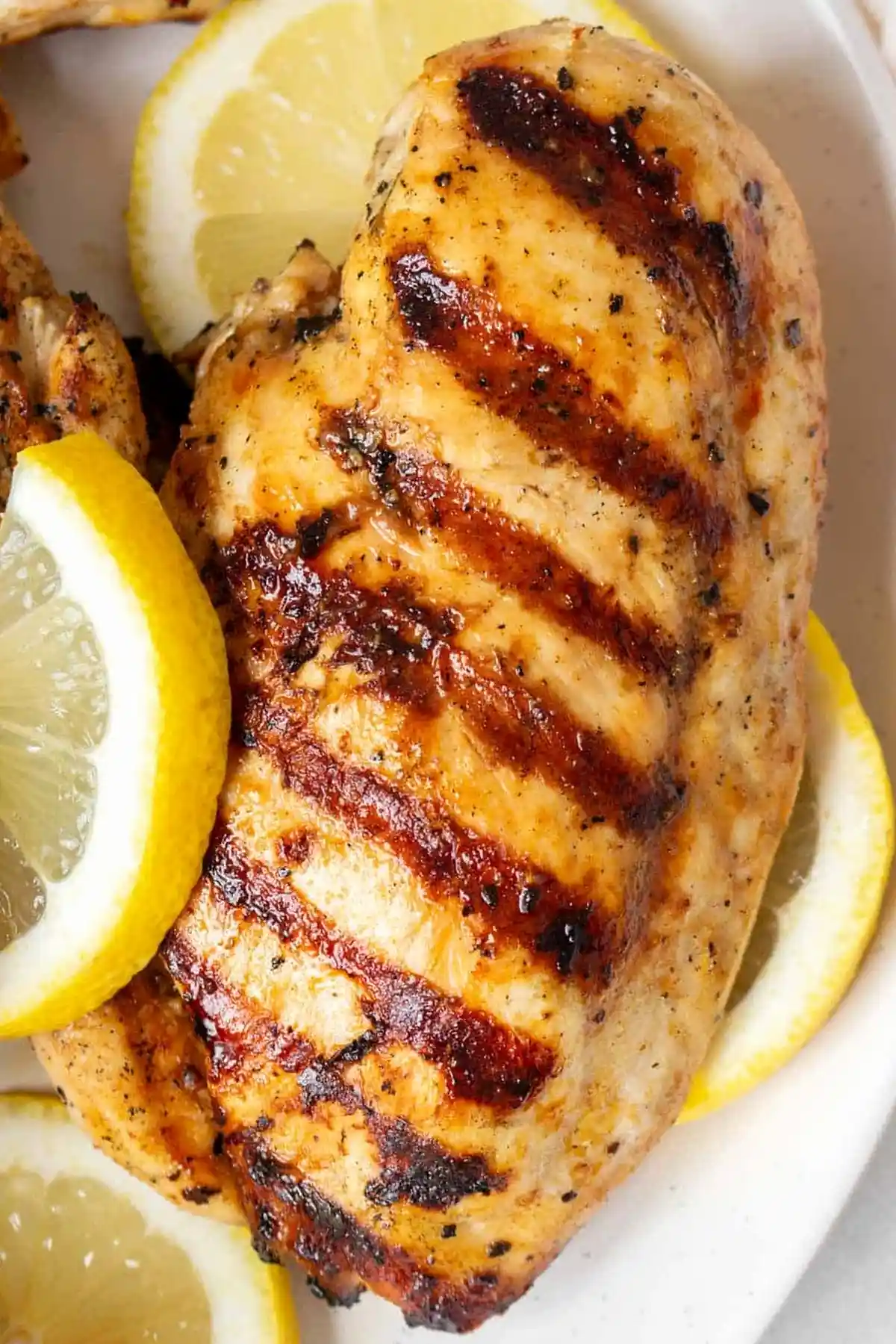
List of ingredients
- 1 lemon zested – adds concentrated citrus oils for aroma.
- ½ cup lemon juice (approx 2 lemons) – provides the acidic base for tenderizing.
- 1 tablespoon Dijon mustard – adds tanginess and helps the marinade emulsify.
- 1 teaspoon garlic powder – provides a consistent, savory depth.
- ½ teaspoon onion powder – complements the garlic for a well-rounded flavor.
- 1 teaspoon salt – enhances all other flavors in the dish.
- 1 teaspoon pepper – adds a subtle spicy kick.
- ⅓ cup oil – keeps the chicken moist and prevents sticking to the grill.
- 5 chicken breasts – the primary protein for the meal.
step-by-step instructions
- Prepare the marinade: Combine the lemon juice, lemon zest, garlic powder, salt, pepper, Dijon mustard, and oil. Mix until well combined.
- Marinate the meat: To a bowl or ziptop bag, add the chicken breasts and marinade. Marinate for 30 minutes in the fridge.
- Prep the grill: Heat the grill to 400F.
- Start grilling: Place the chicken breasts onto the grill, smooth side down. Discard the marinade.
- Cook and flip: Grill the chicken breasts on direct heat for 12 to 16 minutes, depending on the size of the breasts, making sure to flip the chicken breasts at the halfway mark. The lid of the grill should be closed between flipping.
- Rest the chicken: Remove the breasts from the grill and allow the chicken to rest for at least five minutes before serving.
Advanced Grilling Techniques
Preventing Meat from Sticking
Avoid moving the chicken immediately after placing it on the hot grates. The meat will naturally release from the grill surface once a proper sear has formed. Moving it too early often results in tearing the outer layer of the chicken.
Maintaining Even Heat Distribution
Keep the grill lid closed as much as possible between flips. This traps the heat and creates an oven-like environment, ensuring the thickest part of the breast cooks through without burning the exterior. If you notice flare-ups, move the chicken to a slightly cooler part of the grate.
Using Indirect Heat for Thick Cuts
If your chicken breasts vary significantly in size, move the larger pieces to a zone of indirect heat. This allows the internal temperature to rise slowly without over-browning the outside. This technique is especially useful for very thick, organic chicken breasts.
Utilizing a Meat Thermometer
Always rely on an instant-read thermometer rather than timing alone. The chicken is safely cooked when the internal temperature reaches 165°F (74°C) in the thickest part. Removing the meat exactly at this point prevents the chicken from becoming dry and rubbery.
Marinade Customization and Substitutions
Choosing the Right Cooking Oil
While olive oil is a great choice for flavor, avocado oil is superior for high-heat grilling due to its higher smoke point. Neutral oils like grapeseed or canola also work well if you prefer a cleaner taste that doesn’t compete with the lemon. Avoid using butter in the marinade as it burns quickly at 400F.
Alternative Mustard Options
If you do not have Dijon mustard, whole grain mustard is an excellent substitute that adds a nice texture. Yellow mustard can be used in a pinch, though it has a more vinegar-forward profile. The mustard acts as an emulsifier, helping the oil and lemon juice stay blended.
Enhancing the Citrus Profile
For a more intense citrus punch, you can add a teaspoon of lemon pepper seasoning in addition to the fresh zest. If you prefer a sweeter tang, a small amount of honey or maple syrup can be whisked into the marinade. This creates a caramelized glaze on the grill.
Fresh Garlic vs. Garlic Powder
Garlic powder is recommended here because it distributes evenly and doesn’t burn as easily as fresh minced garlic. If you choose to use fresh garlic, mince it into a very fine paste. Be aware that larger chunks of fresh garlic may char and become bitter over direct heat.
Preparation and Meal Planning
Optimal Marinating Duration
Marinating for 30 minutes is sufficient for flavor penetration without breaking down the meat too much. Avoid marinating chicken breasts in lemon juice for more than 6 to 12 hours. Excess acidity can begin to ‘cook’ the meat, resulting in a mealy or mushy texture.
The Importance of Patting Meat Dry
Always pat the chicken breasts dry with paper towels before adding them to the marinade. Excess surface moisture prevents the oil from adhering to the meat. This step ensures a better sear and more consistent browning on the grill.
Batch Prepping for the Week
This recipe is ideal for meal prep because the flavor holds up well during storage. Grill several breasts at once and allow them to cool completely before slicing. This prevents the chicken from overcooking during the reheating process later in the week.
Storage and Reheating Guidelines
Refrigerator Storage Limits
Store cooked chicken breasts in an airtight glass or plastic container in the refrigerator. They will remain fresh and safe to eat for up to 4 days. Ensure the container is sealed tightly to prevent the chicken from absorbing other odors from the fridge.
Long-Term Freezer Instructions
For freezer storage, let the chicken cool completely and wrap individual breasts in parchment paper before placing them in a freezer bag. This prevents them from sticking together and reduces freezer burn. Grilled chicken can be stored in the freezer for up to 3 months.
Best Reheating Methods
To maintain moisture, reheat the chicken in a skillet over medium heat with a splash of water or chicken broth. Alternatively, use a microwave on medium power and cover the meat with a damp paper towel. Avoid overheating, as this will dry out the lean breast meat.
Serving and Pairing Ideas
Complementary Grilled Vegetables
Since the grill is already hot, prepare asparagus, zucchini, or bell peppers alongside the chicken. Toss these vegetables in a light coating of olive oil and salt. The charred flavor of the vegetables balances the bright acidity of the lemon pepper chicken.
Best Starch Pairings
Serve the chicken over a bed of fluffy quinoa or brown rice to soak up any remaining juices. Grilled potato wedges or a corn on the cob seasoned with butter are also classic choices. For a lower-carb option, cauliflower rice provides a great base.
Fresh Salad Combinations
A crisp arugula salad with shaved parmesan and a balsamic glaze complements the lemon flavors perfectly. A classic Greek salad with cucumbers, tomatoes, and olives also matches the Mediterranean profile of this dish. Keep the dressing light to let the chicken be the star.
Troubleshooting Common Issues
Addressing Dry Chicken
If the chicken consistently turns out dry, check the thickness of your breasts. Consider pounding the thicker end of the breast to an even thickness before marinating. This ensures the entire piece of meat cooks at the same rate.
Fixing Bland Flavor
If the flavor is too mild, ensure you are using fresh lemon juice rather than bottled concentrates. Fresh zest provides the aromatic oils that bottled juice lacks. You can also finish the chicken with a squeeze of fresh lemon juice right before serving.
Managing Grill Flare-ups
Flare-ups occur when oil from the marinade drips onto the coals or burners. To minimize this, shake off excess marinade before placing the chicken on the grill. Keep a spray bottle of water handy to dampen flames if they become too aggressive.
Frequently Asked Questions
Can I use chicken thighs instead of breasts?
Yes, boneless skinless chicken thighs work very well with this marinade. Thighs are more forgiving and stay juicier, though they may require a few extra minutes of grilling time compared to breasts.
Do I need to peel the lemons before zesting?
No, you only zest the yellow outer layer of the skin. Avoid zesting the white part (the pith), as it is very bitter and will negatively affect the taste of the marinade.
Can I make this in an oven if I don’t have a grill?
Yes, you can bake the chicken at 400°F on a sheet pan or in a baking dish. Bake for 20-25 minutes or until the internal temperature reaches 165°F, flipping halfway through for color.
How do I know when the chicken is safely cooked?
The most reliable method is using a meat thermometer to check for an internal temperature of 165°F. Visually, the juices should run clear and the meat should be opaque throughout.
Print
Grilled Lemon Pepper Chicken
- Total Time: 52 minutes
- Yield: 5 servings 1x
- Diet: General
Description
Made with kitchen staples, this grilled lemon pepper chicken recipe is perfect for a cookout. Marinaded in a combination of freshly squeezed lemon juice, lemon zest, Dijon mustard, oil, garlic powder, salt, and pepper, this lemon pepper chicken is so juicy and full of bright, tangy flavor.
Ingredients
- 1 lemon, zested
- ½ cup lemon juice
- 1 tablespoon Dijon mustard
- 1 teaspoon garlic powder
- ½ teaspoon onion powder
- 1 teaspoon salt
- 1 teaspoon pepper
- ⅓ cup oil
- 5 chicken breasts
Instructions
- Step 1: Combine the lemon juice, lemon zest, garlic powder, salt, pepper, Dijon mustard, and oil. Mix until well combined.
- Step 2: To a bowl or ziptop bag, add the chicken breasts and marinade. Marinate for 30 minutes in the fridge.
- Step 3: Heat the grill to 400F.
- Step 4: Place the chicken breasts onto the grill, smooth side down. Discard the marinade.
- Step 5: Grill the chicken breasts on direct heat for 12 to 16 minutes, depending on the size of the breasts, making sure to flip the chicken breasts at the halfway mark. The lid of the grill should be closed between flipping.
- Step 6: Remove the breasts from the grill and allow the chicken to rest for at least five minutes before serving.
Notes
Avoid moving the chicken when first placed on the grill to prevent sticking. Keep the grill lid closed between flipping for even cooking. Pat chicken dry before marinating for better oil adhesion. Do not use the marinade to baste unless you set a portion aside before adding the raw chicken.
- Prep Time: 10 minutes
- Cook Time: 12 minutes
- Category: BBQ
- Method: Grilling
- Cuisine: Healthy
Nutrition
- Serving Size: 1 chicken breast
- Calories: 401 kcal
- Sugar: 1 g
- Sodium: 761 mg
- Fat: 21 g
- Saturated Fat: 2 g
- Unsaturated Fat: 16 g
- Trans Fat: 0.1 g
- Carbohydrates: 3 g
- Fiber: 0.4 g
- Protein: 48 g
- Cholesterol: 145 mg