This easy baked honey Dijon chicken delivers the perfect balance of sweet and tangy flavors in every bite. The simple marinade transforms ordinary protein into a golden, caramelized dish that is both elegant and incredibly effortless. It is the perfect solution for busy weeknights when you need a reliable dinner that feels like a restaurant-quality meal.
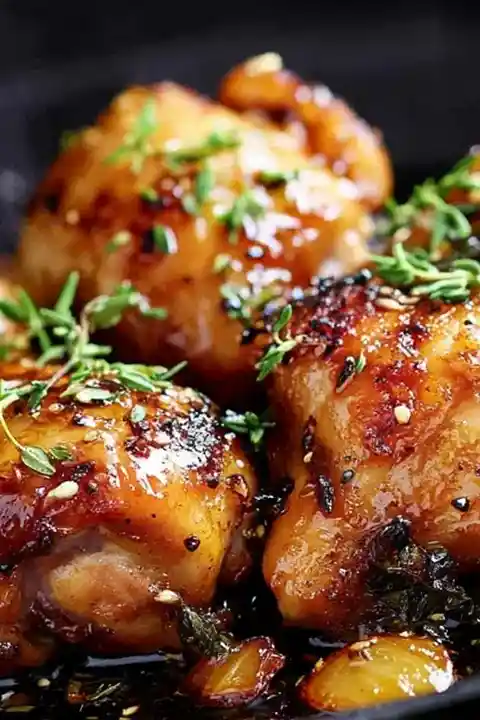
List of ingredients
- 1.5 lbs chicken breasts or thighs, skinless and boneless
- 3 tablespoons Dijon mustard
- 3 tablespoons honey
- 2 cloves garlic, minced
- 2 tablespoons olive oil
- Salt and pepper to taste
- Fresh thyme leaves (optional, for garnish)
step-by-step instructions
- Step: Preheat your oven to 375°F. While the oven heats, remove chicken from refrigerator to take the chill off.
- Step: Using paper towels, thoroughly pat the chicken pieces dry on all sides to ensure better browning. Season both sides generously with salt and pepper.
- Step: In a medium mixing bowl, combine the Dijon mustard, honey, minced garlic, and olive oil. Whisk vigorously until the mixture becomes smooth and well-blended, about 30 seconds.
- Step: Place chicken in a large bowl or shallow dish. Pour 3/4 of the honey-Dijon mixture over the chicken, reserving the remainder for basting. Coat each piece thoroughly on all sides.
- Step: Line a 9×13 inch baking dish with foil or parchment paper. Arrange the coated chicken pieces in a single layer, ensuring they don’t touch each other.
- Step: Place the baking dish on the middle rack of your preheated oven. Bake for 15 minutes, then remove from oven and brush the chicken with the reserved marinade.
- Step: Return to oven and continue baking for another 10-15 minutes, or until the chicken is cooked through and the internal temperature reaches 165°F.
- Step: Remove from oven and let the chicken rest for 5 minutes before serving to allow juices to redistribute.
- Step: If desired, spoon any pan juices over the chicken and garnish with fresh thyme leaves just before serving.
Successful Oven Preparation
Maintaining Correct Oven Temperature
Ensuring your oven is calibrated correctly to 375°F is vital for this recipe. If the temperature is too low, the honey will not properly caramelize, resulting in a pale appearance rather than a deep golden hue. Conversely, if your oven runs hot, check the chicken a few minutes early to prevent the sugar in the honey from turning bitter or burning.
Importance of Even Spacing
Avoid crowding the pan when arranging your chicken pieces. Proper airflow in the oven ensures that the chicken bakes evenly and develops a uniform crust across the entire surface. If you have a large amount of chicken, it is better to use two smaller baking dishes rather than forcing all the pieces into one overcrowded container.
Achieving Uniform Thickness
Before seasoning, consider pounding the thicker parts of your chicken breasts with a meat mallet. Uniform thickness ensures that the edges do not become overcooked while waiting for the center to reach the required temperature of 165°F. This simple step guarantees a consistent texture throughout the entire serving.
Flavor Enhancements and Substitutions
Natural Sweetener Adjustments
While honey is the primary choice, you can substitute it with maple syrup if you prefer a deeper, woodsy sweetness. Keep in mind that maple syrup may slightly change the color of the final glaze, but it reacts beautifully with the Dijon mustard. Always ensure the substitute is a natural liquid sweetener to maintain the correct consistency of the marinade.
Adding Aromatic Complexity
If you want to experiment with the flavor profile, consider adding a teaspoon of smoked paprika or a pinch of red pepper flakes to the initial marinade. Smoked paprika introduces a subtle charred flavor that complements the honey, while red pepper flakes provide a gentle heat that balances the mustard’s tanginess. Incorporate these dry spices during the whisking phase to ensure they are evenly distributed.
Mustard Variety Impact
The type of Dijon mustard you use will dictate the intensity of the sauce. For a more aggressive bite, look for stone-ground Dijon, which contains larger mustard seeds that provide a pleasant texture. If you prefer a milder sauce, a smooth, classic Dijon works perfectly to bind the flavors into a silky, cohesive glaze.
Serving Suggestions
Pairing with Starchy Sides
This chicken pairs wonderfully with roasted root vegetables or creamy mashed potatoes, which serve as excellent vessels for any extra pan juices. Because the sauce has a sweet-tangy profile, simple carbohydrates like plain rice or quinoa also help to ground the dish and round out the meal. Focus on sides that do not compete with the bold honey-mustard flavor, allowing the chicken to remain the centerpiece.
Incorporating Fresh Greens
Balance the richness of the caramelized glaze by serving the chicken alongside steamed asparagus, roasted broccoli, or a light garden salad with a simple vinaigrette. The freshness of crisp green vegetables provides a textural contrast to the tender chicken. A squeeze of fresh lemon juice over the greens can brighten the entire plate and complement the tang in the mustard.
Storage and Reheating Strategies
Managing Leftover Chicken
To keep the chicken as tender as possible, store leftovers in an airtight glass container once they have cooled to room temperature. Avoid keeping the chicken at room temperature for longer than two hours to ensure food safety. Properly stored in the refrigerator, the chicken will maintain its quality for up to four days.
Maintaining Moisture During Reheating
The biggest challenge with reheating poultry is preventing the meat from drying out. When warming in the oven, add a small tablespoon of chicken broth or even a splash of water to the bottom of the dish to create a humid environment. Cover the dish with foil to trap the steam, which helps preserve the moisture of the meat while it warms through at 350°F.
Avoiding Microwave Pitfalls
While the microwave is convenient, it often produces uneven heat, causing parts of the chicken to become rubbery. If you must use a microwave, use a low power setting and heat in short, 30-second intervals, turning the chicken over halfway through. For the best result, always favor the oven or a stovetop skillet on low heat.
Common Kitchen Questions
What should I do if the sauce is too thin?
If the glaze appears too thin, you can reduce the reserved pan juices on the stovetop after the chicken is finished. Simply pour the juices into a small saucepan and simmer over medium heat for 2 to 3 minutes until it thickens into a syrup consistency. This concentrated sauce can then be drizzled back over the chicken for a more intense flavor profile.
Is it necessary to remove the skin?
Yes, removing the skin is recommended for this specific recipe as it allows the honey-dijon marinade to penetrate the meat directly. Without the barrier of the skin, the flavors can permeate the fibers of the chicken, resulting in a more flavorful result. Additionally, this keeps the dish lighter and prevents the rendered fat from the skin from altering the texture of the glaze.
Can I prepare this in advance?
You can certainly prepare the marinade ahead of time and store it in the refrigerator for up to 24 hours. However, do not combine the chicken and marinade until you are ready to cook, as the mustard’s acidity can alter the texture of the meat if it sits too long. For the best quality, marinate for 30 minutes just before placing the chicken into the oven.
Print
Golden Honey Dijon Glazed Chicken
- Total Time: 45 minutes
- Yield: 4 servings 1x
- Diet: Gluten-Free
Description
This easy baked honey Dijon chicken delivers the perfect balance of sweet and tangy flavors in every bite. The simple marinade transforms ordinary chicken into a golden, caramelized dish that is both elegant and effortless.
Ingredients
- 1.5 lbs chicken breasts or thighs, skinless and boneless
- 3 tablespoons Dijon mustard
- 3 tablespoons honey
- 2 cloves garlic, minced
- 2 tablespoons olive oil
- Salt and pepper to taste
- Fresh thyme leaves (optional, for garnish)
Instructions
- Step: Preheat your oven to 375°F. While the oven heats, remove chicken from refrigerator to take the chill off.
- Step: Using paper towels, thoroughly pat the chicken pieces dry on all sides to ensure better browning. Season both sides generously with salt and pepper.
- Step: In a medium mixing bowl, combine the Dijon mustard, honey, minced garlic, and olive oil. Whisk vigorously until the mixture becomes smooth and well-blended, about 30 seconds.
- Step: Place chicken in a large bowl or shallow dish. Pour 3/4 of the honey-Dijon mixture over the chicken, reserving the remainder for basting. Coat each piece thoroughly on all sides.
- Step: Line a 9×13 inch baking dish with foil or parchment paper. Arrange the coated chicken pieces in a single layer, ensuring they don’t touch each other.
- Step: Place the baking dish on the middle rack of your preheated oven. Bake for 15 minutes, then remove from oven and brush the chicken with the reserved marinade.
- Step: Return to oven and continue baking for another 10-15 minutes, or until the chicken is cooked through and the internal temperature reaches 165°F.
- Step: Remove from oven and let the chicken rest for 5 minutes before serving to allow juices to redistribute.
- Step: If desired, spoon any pan juices over the chicken and garnish with fresh thyme leaves just before serving.
Notes
If the top starts browning too quickly, loosely cover the dish with aluminum foil while continuing to bake.
- Prep Time: 15 minutes
- Cook Time: 30 minutes
- Category: Main Course
- Method: Baking
- Cuisine: American
Nutrition
- Serving Size: 1 breast or equivalent portion
- Calories: 285 kcal
- Sugar: 12 g
- Sodium: 380 mg
- Fat: 9 g
- Saturated Fat: 1.5 g
- Unsaturated Fat: 6 g
- Trans Fat: 0 g
- Carbohydrates: 14 g
- Fiber: 0.5 g
- Protein: 35 g
- Cholesterol: 95 mg