This recipe delivers juicy, flavorful chicken thighs using a simple stovetop method and basic pantry spices. It is a fast-cooking meal that minimizes cleanup by using a single pan.
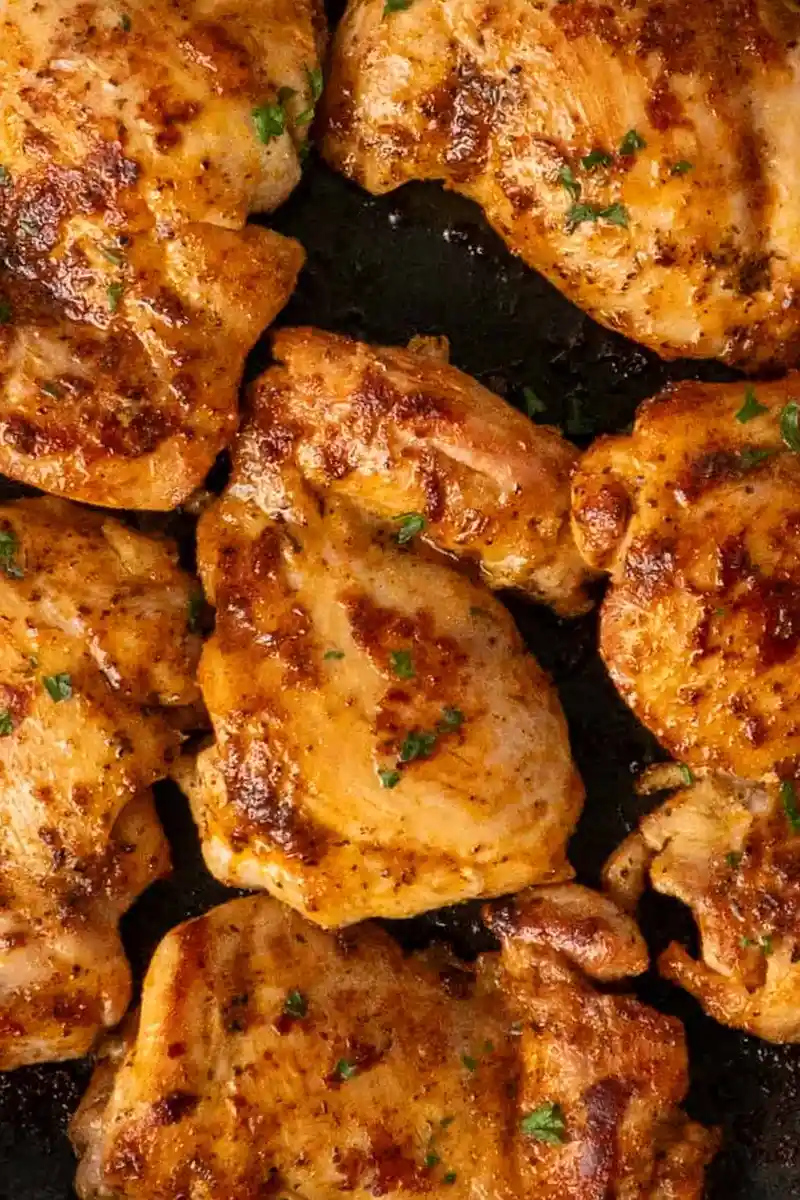
List of ingredients
- ½ tsp Italian seasoning – adds a blend of dried Mediterranean herbs.
- ½ tsp paprika – provides a subtle earthiness and golden color.
- ½ tsp garlic powder – contributes a concentrated savory taste.
- ½ tsp onion powder – adds a mild, sweet aromatic depth.
- ½ tsp black pepper – provides a classic sharp heat.
- ¼ tsp salt – enhances all other flavors in the seasoning mix.
- 1½ lbs boneless, skinless chicken thighs – fat trimmed off for a cleaner sear.
- 2 tbsp butter – used for frying and adding richness.
- ¼ cup Low-sodium chicken broth – keeps the chicken moist during the final cook.
step-by-step instructions
- Mix and Season: Combine the Italian seasoning, paprika, garlic powder, onion powder, black pepper, and salt in a small bowl. Whisk the spices together and sprinkle the mixture evenly over both sides of the chicken thighs.
- Sear the Chicken: Melt the butter over medium-high heat in a large skillet. Place the seasoned chicken in the pan and cook for 5-6 minutes on one side without moving them.
- Flip and Deglaze: Turn the chicken thighs over. Pour the chicken broth into the skillet and continue cooking for another 5-6 minutes until the chicken is golden brown and reaches an internal temperature of 165°.
- Rest and Serve: Remove the chicken from the skillet. Let the thighs rest on a plate for 3-5 minutes before serving to allow the juices to redistribute.
Expert Searing Techniques
Pat the Chicken Dry Before Seasoning
Use paper towels to remove all surface moisture from the chicken thighs before applying spices. Excess water on the meat creates steam when it hits the pan, which prevents a proper brown crust from forming. A dry surface ensures the Maillard reaction occurs for maximum flavor.
Allow Meat to Reach Room Temperature
Take the chicken out of the refrigerator about 15 to 20 minutes before you start cooking. Cold meat can lower the temperature of the skillet too quickly, leading to uneven cooking. Room-temperature chicken sears more efficiently and cooks through more consistently.
Wait for the Butter to Foam
Heat the butter until it is completely melted and begins to foam slightly. This foamy stage indicates the butter has reached the ideal temperature for searing. Adding the chicken too early can result in sticking, while waiting too long may burn the butter solids.
Avoid Overcrowding the Skillet
Leave enough space between the chicken thighs so they are not touching. If the pan is too full, the moisture released by the meat cannot evaporate, and the chicken will boil in its own juices instead of searing. Cook in batches if your skillet is small.
Use a Digital Meat Thermometer
Insert a probe thermometer into the thickest part of the chicken thigh to check for doneness. The chicken is safe to eat once it reaches 165°F. This prevents overcooking, which can make even the fattier thigh meat feel tough.
Prioritize the Resting Period
Let the chicken sit undisturbed for at least 3 to 5 minutes after removing it from the heat. During this time, the muscle fibers relax and the juices flow back into the center of the meat. Cutting into the chicken too soon causes these juices to leak onto the plate.
Select a Heavy-Bottomed Pan
Use a cast-iron skillet or a heavy stainless steel pan for the best results. These materials have high thermal mass, meaning they maintain a steady temperature when the cold meat is added. This ensures a consistent golden-brown sear across the entire surface.
Flavor Variations and Customizations
Incorporate Fresh Garden Herbs
Swap the dried Italian seasoning for a mix of chopped fresh rosemary, thyme, and sage. Fresh herbs provide a more vibrant, aromatic profile that pairs well with the butter. Add these toward the end of the cooking process to prevent them from burning.
Add a Spicy Element
Mix a pinch of cayenne pepper or crushed red chili flakes into the dry spice rub. This introduces a gradual heat that complements the sweetness of the onion powder. Adjust the amount based on your preference for spice levels.
Introduce Fresh Lemon Zest
Grate fresh lemon zest over the chicken thighs during the last minute of cooking. The citric oils provide a bright, zesty contrast to the rich butter sauce. This is especially effective if you are serving the chicken with steamed vegetables.
Add Sautéed Mushrooms
Sauté sliced cremini or button mushrooms in the butter before adding the chicken to the pan. Once the mushrooms are browned, push them to the side or remove them temporarily. The mushrooms absorb the chicken juices and add an earthy umami depth.
Swap for Asian-Style Flavors
Replace the paprika and Italian seasoning with a combination of ginger powder and a splash of soy sauce. Use a small amount of sesame oil instead of half the butter. This creates a savory, salty profile that works well with steamed rice.
Use Bone-In Chicken Thighs
Bone-in thighs offer more flavor and remain very juicy, but they require a longer cooking time. Lower the heat slightly to medium and increase the searing time on each side. You may need to cover the pan for a few minutes to ensure the center reaches 165°F.
Deglaze with Apple Cider Vinegar
Replace the chicken broth with a mixture of apple cider vinegar and a splash of water. The acidity of the vinegar cuts through the richness of the butter and the fat of the chicken. This creates a tangy pan sauce that is excellent for drizzling.
Add Cherry Tomatoes
Toss a handful of whole cherry tomatoes into the skillet during the final three minutes of cooking. The heat causes the tomatoes to burst, releasing a sweet and acidic juice. This adds a pop of color and a fresh element to the dish.
Storage and Reheating Guidelines
Refrigerate in Airtight Containers
Allow the chicken to cool completely before placing it in a sealed glass or plastic container. Store the chicken in the refrigerator for up to three days. Keep any remaining pan sauce in a separate container to prevent the meat from becoming soggy.
Freeze Using the Flash-Freeze Method
Place cooked thighs in a single layer on a baking sheet and freeze for two hours until solid. Transfer the frozen pieces into a heavy-duty freezer bag, removing as much air as possible. This method prevents the pieces from sticking together and allows you to thaw individual servings.
Thaw Slowly in the Refrigerator
Move frozen chicken from the freezer to the refrigerator 24 hours before you plan to eat it. Slow thawing preserves the texture of the meat better than microwave thawing. Avoid thawing on the counter to prevent bacterial growth.
Reheat with Added Moisture
Reheat the chicken in a skillet over medium heat with a tablespoon of water or chicken broth. Cover the pan with a lid to create steam, which prevents the chicken from drying out. Heat until the internal temperature again reaches 165°F.
Serving Suggestions
Pair with Pesto Orzo
Cook orzo pasta and stir in a tablespoon of basil pesto and a squeeze of lemon juice. The herbaceous notes of the pesto complement the Italian seasoning on the chicken. This provides a light yet filling starch component.
Serve with Twice Baked Potatoes
Prepare potatoes stuffed with sour cream, chives, and microbial-rennet cheese. The creamy texture of the potato acts as a base for the savory chicken. This combination is ideal for a hearty dinner.
Accompaniment of Roasted Asparagus
Toss asparagus spears with olive oil, salt, and pepper, then roast at 400°F for 10-12 minutes. The charred, crisp texture of the asparagus balances the richness of the butter-seared chicken. It adds a necessary nutritional balance to the plate.
Pair with Steamed Grains
Serve the chicken over a bed of quinoa, brown rice, or farro. These grains absorb the remaining pan juices from the skillet, ensuring no flavor is wasted. Stir in some chopped parsley for added freshness.
Frequently Asked Questions
Can I use chicken breasts instead of thighs?
Yes, chicken breasts can be used, but they cook much faster and dry out more easily. Reduce the searing time to 3-4 minutes per side and check the internal temperature frequently. Ensure they reach 165°F without exceeding it.
Do I need a cast-iron skillet for this recipe?
A cast-iron skillet is recommended for its superior heat retention, but any heavy-bottomed pan will work. Stainless steel or non-stick skillets are acceptable alternatives. Just ensure the pan is large enough to avoid overcrowding the meat.
My chicken thighs are quite thick; how can I ensure they are cooked through?
If the thighs are very thick, lower the heat after the initial sear and cover the pan with a lid. This traps heat and cooks the center more effectively. Alternatively, finish them in a 375°F oven for 5-10 minutes until the center is done.
How can I prevent the butter from burning?
Keep the heat at a consistent medium-high rather than high. If the butter begins to turn dark brown or smoke, remove the pan from the heat for a few seconds. You can also add a teaspoon of oil to the butter to raise its smoke point.
What should I do if the pan flares up?
If the fat from the chicken thighs causes a flare-up, simply slide the pan away from the heat source. Do not use water to put out a grease fire. Use a lid to smother the flame if necessary and lower the temperature.
How do I adjust the seasoning for a low-sodium diet?
Replace the salt in the rub with a salt-free lemon-pepper blend or increase the amount of garlic and onion powder. Use a strictly no-sodium chicken broth for the deglazing step. This maintains the flavor profile while reducing salt intake.
Print
Easy Skillet Chicken Thighs
- Total Time: 20 minutes
- Yield: 6 servings 1x
- Diet: General
Description
Say goodbye to bland chicken and hello to this flavorful and hassle-free recipe for Skillet Chicken Thighs. Using just a handful of staple spices and a quick stovetop cook, you can whip up juicy chicken thighs in no time to pair with your favorite side dishes!
Ingredients
- ½ tsp Italian seasoning
- ½ tsp paprika
- ½ tsp garlic powder
- ½ tsp onion powder
- ½ tsp black pepper
- ¼ tsp salt
- 1½ lbs boneless, skinless chicken thighs
- 2 tbsp butter
- ¼ cup Low-sodium chicken broth
Instructions
- Season: Add Italian seasoning, paprika, garlic powder, onion powder, black pepper, and salt in a small bowl. Whisk together and sprinkle over both sides of the chicken thighs.
- Sear: Melt butter over medium-high heat in a large skillet. Add chicken, cook for 5-6 minutes on one side, then turn. Add chicken broth and continue to cook for 5-6 minutes until golden brown and the chicken reaches an internal temperature of 165°.
- Rest: Remove chicken thighs, rest on a plate for 3-5 minutes before serving, and enjoy!
Notes
Pat the chicken thighs dry with a paper towel before seasoning for a better sear. Allow meat to sit out for 15-20 minutes before cooking to promote even cooking.
- Prep Time: 5 minutes
- Cook Time: 15 minutes
- Category: Main Course
- Method: Pan-searing
- Cuisine: American
Nutrition
- Serving Size: 1 serving
- Calories: 173 kcal
- Sugar: 0.1 g
- Sodium: 231 mg
- Fat: 9 g
- Saturated Fat: 4 g
- Unsaturated Fat: 4 g
- Trans Fat: 0.2 g
- Carbohydrates: 1 g
- Fiber: 0.2 g
- Protein: 22 g
- Cholesterol: 118 mg