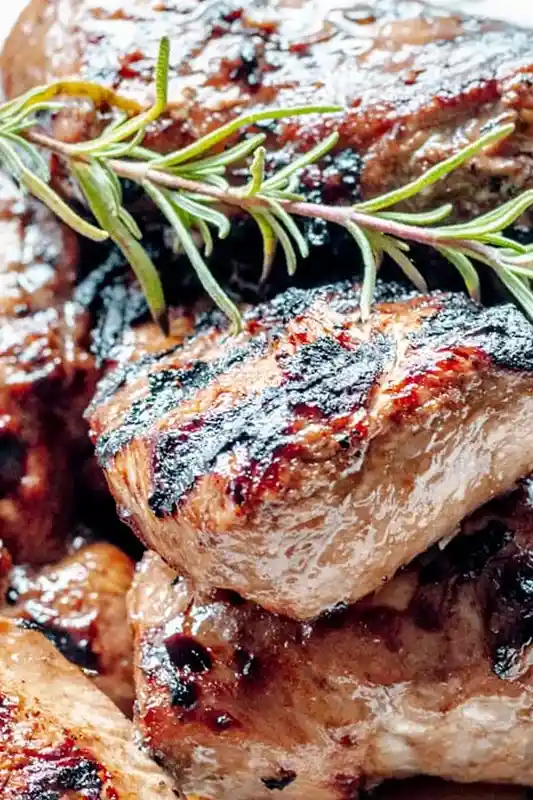
This fast-acting rosemary and balsamic marinade creates a caramelized crust on chicken breasts in just 20 minutes. It is a versatile recipe that works equally well in a heavy skillet or on an outdoor grill.
List of ingredients
- 4 small boneless skinless chicken breasts (about 1 to 1.5 pounds) – use evenly sized pieces for uniform cooking.
- 1/2 cup olive oil – provides the fat necessary for searing and prevents sticking.
- 2 cloves garlic, minced – adds a sharp, aromatic base to the marinade.
- 2 tablespoons balsamic vinegar – creates the tangy flavor and caramelizes under heat.
- 1 teaspoon crushed red pepper – introduces a mild heat and depth of flavor.
- 3 teaspoons fresh rosemary, chopped – provides the primary herby aroma and taste.
step-by-step instructions
- Prepare the marinade: Combine the olive oil, minced garlic, balsamic vinegar, crushed red pepper, and chopped rosemary in a large zip-top bag or a medium bowl. Mix thoroughly until the ingredients are well combined.
- Coat the meat: Add the chicken breasts to the mixture and turn them to ensure every side is well coated. Let the chicken sit for 5 minutes. If you have larger chicken breasts, slice them in half horizontally first to create thinner cutlets.
- Prepare for cooking: Remove the chicken from the marinade, allowing as much of the mixture as possible to remain on the meat. Discard any leftover marinade remaining in the bag or bowl.
- Sear the chicken: Heat a grill, grill pan, or skillet over medium-high heat. Cook the chicken for 5 to 6 minutes per side until the internal temperature reaches 165 degrees Fahrenheit and the exterior is golden brown.
- Rest the meat: Transfer the chicken to a plate and let it rest for a few minutes before serving to maintain juiciness.
Techniques for Perfect Searing
Butterfly Large Chicken Breasts
If your chicken breasts are thicker than one inch, slice them in half horizontally. This butterflying technique increases the surface area available for the marinade and ensures the center cooks through before the outside burns. Thinner cuts cook faster and more consistently across the pan.
Remove Surface Moisture
Pat the chicken breasts dry with a paper towel before adding them to the marinade. Removing excess water helps the oil and balsamic vinegar adhere more effectively to the meat. This results in a better crust and prevents the chicken from steaming in the pan.
Maintain High Pan Temperature
Ensure your skillet or grill is hot enough that a drop of water sizzles immediately upon contact. Using medium-high heat allows the sugars in the balsamic vinegar to caramelize quickly. This creates the characteristic golden-brown color and deep flavor profile.
Avoid Frequent Flipping
Place the chicken in the pan and leave it undisturbed for the full 5 to 6 minutes per side. Moving the meat too often prevents the development of a proper sear. A steady contact with the heat source is what creates the caramelized exterior.
Flavor Customization and Substitutions
Use Chicken Thighs for More Moisture
Substitute boneless skinless chicken thighs for breasts if you prefer a richer taste. Thighs have a higher fat content, making them more forgiving if they stay on the heat slightly too long. They maintain a juicier texture than breasts regardless of the cooking method.
Add Dijon Mustard for Complexity
Stir one teaspoon of Dijon mustard into the marinade for a more sophisticated flavor. The mustard acts as an emulsifier, helping the olive oil and balsamic vinegar bind together more tightly. It adds a subtle tang that complements the rosemary.
Adjust Heat Levels with Red Pepper
Reduce the crushed red pepper to half a teaspoon if you prefer a milder flavor profile. If you are cooking for children or those sensitive to spice, you can omit the red pepper entirely. The rosemary and garlic still provide plenty of savory flavor without the heat.
Double Marinade for Grilled Vegetables
Increase the marinade quantities by double to prepare a side of vegetables. Toss sliced zucchini, bell peppers, or asparagus in the extra mixture before grilling them alongside the chicken. This creates a cohesive meal with shared flavor profiles.
Alternative Cooking Methods
Oven Baking Instructions
Preheat your oven to 425 degrees Fahrenheit and place the marinated chicken in a baking dish. Bake for 20 to 25 minutes, or until the internal temperature reaches 165 degrees Fahrenheit. Note that baking provides a more uniform cook but lacks the deep caramelization of a skillet.
Air Fryer Adaptation
Place the marinated breasts in a single layer in the air fryer basket at 380 degrees Fahrenheit. Cook for 10 to 12 minutes, flipping halfway through the process. The circulating air helps mimic the searing effect of a pan while using less added fat.
Using a Cast Iron Grill Pan
A cast iron grill pan is ideal for achieving char marks while remaining indoors. Ensure the pan is preheated until it slightly smokes before adding the chicken. The heavy metal retains heat better than non-stick pans, leading to a more professional sear.
Serving Suggestions and Pairings
Pair with Mediterranean Rice
Serve this chicken alongside a fluffy Mediterranean-style rice pilaf. The citrus notes and fresh herbs in the rice balance the sweetness of the balsamic glaze. This combination provides a complete, balanced meal with protein and complex carbohydrates.
Contrast with Broccoli Cauliflower Salad
A cold broccoli and cauliflower salad offers a crunchy texture that contrasts with the tender chicken. The creaminess of a typical veggie salad dressing cuts through the acidity of the balsamic vinegar. This pairing is particularly effective for summer dinners.
Add Roasted Honey Carrots
Roasted carrots glazed with honey provide a natural sweetness that pairs well with rosemary. The earthiness of the carrots complements the savory garlic and herby notes of the chicken. Roast them at 400 degrees Fahrenheit until tender and slightly charred.
Serve with Arugula and Lemon
A simple salad of fresh arugula tossed with olive oil and fresh lemon juice is a light option. The peppery nature of the arugula cleanses the palate between bites of the rich, caramelized chicken. This keeps the meal feeling fresh and healthy.
Storage and Meal Prep
Refrigeration and Shelf Life
Store cooked rosemary chicken in an airtight container in the refrigerator for up to 4 days. Keep the meat in a single layer to ensure it cools quickly and stays fresh. This makes it an excellent option for cold chicken salads or meal-prep lunches.
Freezing Marinated Chicken
Place raw chicken and the marinade together in a heavy-duty freezer bag and freeze for up to 3 months. The chicken marinates as it thaws in the refrigerator overnight before cooking. This ‘dump and go’ method saves significant preparation time during the week.
Reheating Without Drying Out
To reheat, place the chicken in a pan over medium heat with a tablespoon of water or vegetable broth. Cover the pan with a lid to create steam, which re-hydrates the meat. Avoid the microwave if possible, as it can make the chicken rubbery.
Marinade and Ingredient Management
Optimizing Marination Time
While 5 minutes is sufficient for quick flavor, marinating for up to 4 hours in the refrigerator improves the depth of taste. The salt and acid have more time to penetrate the muscle fibers. However, avoid marinating for longer than 24 hours to prevent the meat from becoming mushy.
Using Dried Rosemary Instead of Fresh
If fresh rosemary is unavailable, use 1 teaspoon of dried rosemary to replace the 3 teaspoons of fresh. Dried herbs are more concentrated, so a smaller amount is required. Be aware that the flavor will be more muted and less aromatic than the fresh version.
Managing Acidic Breakdown
Balsamic vinegar contains acetic acid which breaks down protein structures. If left to marinate for too long, the acid can denature the meat, leading to a mealy texture. Stick to the recommended 5-minute to 4-hour window for the best results.
Troubleshooting Common Issues
Preventing Balsamic Burning
Because balsamic vinegar contains natural sugars, it can burn if the heat is too high. If you notice the chicken darkening too quickly, reduce the heat to medium. Ensure there is enough olive oil in the pan to act as a thermal buffer.
Correcting Uneven Cooking
Uneven thickness in chicken breasts often leads to overcooked edges and raw centers. Always use a meat thermometer to check the thickest part of the breast. Slicing the breasts horizontally is the most effective way to prevent this issue.
Improving Marinade Adhesion
If the marinade seems to slide off the chicken, ensure the meat was patted dry before the first coating. You can also let the chicken sit for an extra minute after removing it from the bag. This allows the liquids to settle and cling to the surface.
Frequently Asked Questions
Can I marinate the chicken longer than 5 minutes?
Yes, marinating for up to 4 hours in the refrigerator will further enhance the flavor. Avoid exceeding this time, as the acid in the balsamic vinegar can eventually break down the texture of the meat.
Can I use dried rosemary instead of fresh?
Yes, you can substitute 1 teaspoon of dried rosemary for 3 teaspoons of fresh. While the flavor is still good, it will lack the bright, aromatic quality that fresh rosemary provides during the searing process.
How do I know when the chicken is done?
The only reliable way to ensure the chicken is cooked is using a meat thermometer. Insert it into the thickest part of the breast and remove the meat from the heat once it reaches 165 degrees Fahrenheit.
Can I bake this instead of grilling or pan-frying?
Yes, you can bake the marinated chicken at 425 degrees Fahrenheit for 20 to 25 minutes. While you will not achieve the same level of caramelization as the skillet method, the flavor of the marinade remains intact.
Print
Easy Rosemary Chicken
- Total Time: 20 minutes
- Yield: 4 servings 1x
- Diet: General
Description
Chicken breasts marinated in a simple balsamic rosemary mixture and cooked on the grill or in a skillet until caramelized and golden. Ready in about 20 minutes.
Ingredients
- 4 small boneless skinless chicken breasts (about 1 to 1.5 pounds)
- 1/2 cup olive oil
- 2 cloves garlic (minced)
- 2 tablespoons balsamic vinegar
- 1 teaspoon crushed red pepper
- 3 teaspoons fresh rosemary (chopped)
Instructions
- Step: Combine the olive oil, garlic, balsamic vinegar, crushed red pepper, and rosemary in a large zip-top bag or bowl. Mix until combined.
- Step: Add the chicken breasts and turn to coat well. Let sit for 5 minutes. If your chicken breasts are large, slice them in half horizontally first.
- Step: Remove the chicken from the marinade, keeping as much of the mixture on the chicken as possible. Discard the remaining marinade.
- Step: Cook on a grill, grill pan, or skillet over medium-high heat for 5 to 6 minutes per side until the internal temperature reaches 165 degrees Fahrenheit.
- Step: Let the chicken rest for a few minutes before serving.
Notes
Fresh rosemary provides a more distinct aroma than dried. For a juicier result, chicken thighs can be used as a substitute for breasts. If using dried rosemary, use 1 teaspoon instead of 3.
- Prep Time: 8 minutes
- Cook Time: 12 minutes
- Category: Dinner
- Method: Grilling
- Cuisine: American
Nutrition
- Serving Size: 1 chicken breast
- Calories: 378 kcal
- Sugar: 1 g
- Sodium: 142 mg
- Fat: 30 g
- Saturated Fat: 4 g
- Unsaturated Fat: 24 g
- Trans Fat: 0.01 g
- Carbohydrates: 2 g
- Fiber: 0.2 g
- Protein: 24 g
- Cholesterol: 72 mg