This quick beef milanesa is a satisfying meal that combines a crunchy exterior with tender meat. It is an ideal family dinner that can be prepared and served in about 25 minutes.

List of ingredients
- ~1lb Thin Cut Eye of Round Steak – lean, affordable, and ideal for breading.
- 1.5 Cup Flour – used for the initial coating to help the egg adhere.
- 3 Eggs – beaten to create a binding layer.
- 1 Cup Panko – provides a light, airy crunch; standard breadcrumbs may be used as a substitute.
- 1 Teaspoon Salt – enhances the natural flavor of the beef.
- ½ Teaspoon Pepper – adds a subtle warmth to the breading.
- 1 Teaspoon Garlic Powder – provides a savory, aromatic base.
- ½ Teaspoons Onion Powder – adds depth and sweetness to the crust.
- 3 Tablespoons Cooking Oil – for pan-frying the meat to a golden brown.
step-by-step instructions
- Set up the dredging station: Prepare three separate bowls. Fill the first with flour, the second with beaten eggs, and the third with panko, adding a generous portion of the salt, pepper, garlic powder, and onion powder to each bowl for layered flavor.
- Prepare the meat: Use a paper towel to pat the steak pieces completely dry. This step is crucial to ensure the flour sticks properly and the breading does not peel off during frying.
- Bread the steak: Coat each piece of steak thoroughly in flour, then dip it into the egg wash, and finally press it firmly into the panko crumbs. Ensure both sides are fully covered before moving to the next piece.
- Heat the oil: Pour the cooking oil into a frying pan and set the heat to medium-high. Wait until the oil is shimmering and hot before adding the meat to prevent excessive oil absorption.
- Fry the beef: Place the breaded steaks in the pan and fry for 2-3 minutes on each side. Cook until the breading reaches a deep golden brown color and the meat is cooked through.
- Manage the pan space: Work in small batches if necessary. Do not overcrowd the pan, as this lowers the oil temperature and can lead to soggy breading.
- Finish and serve: Remove the steaks from the pan and let them rest on paper towels to drain excess oil. Serve immediately while hot.
Expert Preparation Techniques
Ensure the Beef is Completely Dry
Before starting the dredging process, use absorbent paper towels to remove all surface moisture from the steak. Moisture creates a barrier that prevents flour from adhering, which often leads to the breading separating from the meat. Dry meat ensures a tight bond between the protein and the crust.
Master the Dredging Sequence
Follow the flour-egg-breadcrumb order strictly for the best results. The flour absorbs surface moisture and gives the egg something to grip, while the egg acts as a glue for the panko. Press the panko firmly into the meat with your palms to ensure a thick, even layer of crumbs.
Control Your Frying Temperature
Maintain a medium-high heat to ensure the exterior crisps quickly without overcooking the interior of the thin steak. If the oil is too cold, the panko will soak up the fat and become greasy. If the oil is too hot, the crust will burn before the meat is cooked.
Utilize Tongs or Chopsticks
Using tongs or chopsticks during the dredging process keeps your fingers clean and prevents the breading from clumping on your skin. This method allows you to move the meat efficiently between bowls. It also helps in flipping the steaks in the pan without damaging the crust.
Practical Ingredient Substitutions
Alternative Lean Beef Cuts
If eye of round is unavailable, top round or sirloin tip are excellent alternatives. These cuts are lean and can be sliced thin for a similar cooking time. If the meat is too thick, use a meat mallet to pound it to a uniform thickness of about a quarter inch.
Variations for the Breading
While panko provides the best crunch, traditional fine breadcrumbs create a more dense, classic crust. For a gluten-free option, use almond meal or crushed gluten-free cornflakes. These alternatives change the texture but maintain the overall structure of the dish.
Egg-Free Binding Options
For those avoiding eggs, a mixture of flour and water or a splash of milk can create a similar slurry. Another option is using a flaxseed meal mixed with water, allowed to sit until thickened. These substitutes will bind the crumbs, though the crunch may be slightly different.
Oil Choices for High Heat
Use oils with a high smoke point such as canola, vegetable, or grapeseed oil to prevent the oil from smoking. Avoid extra virgin olive oil for this specific method as it can burn at the temperatures required for frying. This ensures a clean taste and a safe cooking environment.
Creative Flavor Enhancements
Adding Hard Cheeses to the Crust
Mix finely grated Parmesan or Pecorino Romano into the panko crumbs for a salty, nutty flavor. The cheese melts slightly during frying, creating a savory lace-like texture on the crust. This adds a rich dimension to the lean beef.
Integrating Spicy Elements
Incorporate a half teaspoon of cayenne pepper or smoked paprika into the flour and panko bowls. These spices add a subtle heat and a deeper reddish-gold color to the finished steak. This is a great way to satisfy those who prefer a bolder taste profile.
Using Fresh Herb Infusions
Finely chop fresh parsley, oregano, or thyme and mix them directly into the breadcrumbs. The herbs fry along with the panko, providing a fresh, aromatic contrast to the savory beef. This approach makes the dish feel lighter and more refined.
Lemon Zest for Brightness
Stir a small amount of fresh lemon zest into the panko mixture before dredging. The citrus oils cut through the richness of the fried oil and brighten the overall flavor of the beef. Alternatively, squeeze fresh lemon juice over the steaks just before serving.
Recommended Side Dish Pairings
Classic Potato Accompaniments
Pair beef milanesa with thick-cut french fries or creamy mashed potatoes for a comforting meal. The starchiness of the potatoes complements the crispiness of the meat perfectly. Roasted potato wedges with rosemary are another great option for added flavor.
Fresh Green Vegetable Options
Serve the meat alongside a crisp garden salad with a vinaigrette to balance the fried elements. Steamed broccoli or sautéed spinach provides essential nutrients and a color contrast on the plate. A simple slaw with vinegar and carrots also works well.
Grain-Based Side Options
White or brown rice serves as a neutral base that absorbs any remaining juices from the meat. For a more traditional Latin American approach, pair the milanesa with a side of black beans and rice. Quinoa with sautéed peppers is a healthier, protein-rich alternative.
Corn and Root Vegetable Pairings
Grilled corn on the cob or a corn salad adds a sweet contrast to the savory breading. Roasted carrots or parsnips provide an earthy sweetness that pairs well with the garlic and onion notes in the crust. These options make the meal feel more complete and balanced.
Storage and Reheating Guidelines
Optimal Refrigerator Storage
Place cooled milanesa steaks in an airtight container lined with paper towels to absorb excess moisture. They can be stored safely in the refrigerator for up to 3 days. Keep them in a single layer to prevent the breading from sticking together.
Restoring Crispiness on the Stovetop
To reheat, place the steaks in a pan over medium heat with a small amount of fresh oil. Heat for 2 minutes per side until the crust sizzles and becomes crisp again. This is the most effective method for maintaining the original texture.
Using an Air Fryer for Reheating
Place the cold steaks in an air fryer at 350 degrees Fahrenheit for 3 to 5 minutes. The circulating air removes excess oil and restores the crunch without adding more fat. This is faster than the stovetop and yields very consistent results.
Microwave Reheating Limitations
The microwave is the fastest option but will result in a soft, soggy crust. If you must use a microwave, heat the meat for 30 to 60 seconds on medium power. Be aware that the texture will not be as appealing as the oven or pan methods.
Why Freezing is Not Advised
Freezing breaded beef often causes the moisture in the meat to migrate into the breading. When thawed, the crust becomes mushy and may separate from the steak during reheating. For the best quality, this dish is best enjoyed fresh or from the fridge.
Troubleshooting Common Cooking Issues
Fixing Breaded Coating Separation
If the coating falls off, it is usually due to excess moisture on the meat or not pressing the crumbs firmly enough. Ensure the meat is patted dry and apply pressure when coating with panko. Also, avoid flipping the meat too early in the pan.
Adjusting for Overcooked Meat
Thin cutlets cook very quickly and can become tough if left too long. If the breading is browning too fast but the meat is raw, lower the heat slightly. If the meat is overcooking, slice the beef even thinner or increase the heat for a faster sear.
Managing Oil Splatter
Oil splatters occur when water droplets come into contact with hot fat. This highlights the importance of patting the beef dry before flouring. Using a splatter screen over the pan can also keep your stovetop clean and protect your skin.
Preventing a Thick, Doughy Crust
If the breading feels too thick, shake off the excess flour before dipping the meat into the egg. A thin layer of flour is sufficient to provide a grip. Too much flour creates a doughy layer that doesn’t crisp up properly.
Frequently Asked Questions
What is milanesa?
Milanesa is a style of breaded meat common in Argentina and other Latin American countries. It is very similar to the European schnitzel or the Japanese katsu, focusing on a thin cut of meat with a crispy fried coating.
Can I air fry these?
Yes, you can air fry beef milanesa for a lower-fat version. Spray both sides of the breaded steak with oil and air fry at 400 degrees Fahrenheit for 8-10 minutes, flipping halfway through until golden brown.
How do I ensure the beef is tender?
Using a thin cut like eye of round is a good start, but you can also use a meat mallet to pound the steak. Pounding breaks down the tough muscle fibers, resulting in a more tender piece of meat that cooks evenly.
Which oil is best for frying?
Oils with high smoke points are best, such as canola or vegetable oil. These oils can handle the medium-high heat required for browning without breaking down or producing unpleasant flavors.
Can I use different proteins?
While this recipe is for beef, the same dredging method works perfectly for thin chicken breasts, fish fillets, or veal. Adjust the frying time based on the thickness and density of the protein you choose.
Print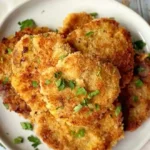
Crispy Golden Beef Milanesa
- Total Time: 25 minutes
- Yield: 4 servings 1x
- Diet: General
Description
This is a great alternative for your fried food lover!
Ingredients
- ~1lb Thin Cut Eye of Round Steak
- 1.5 Cup Flour
- 3 Eggs
- 1 Cup Panko (may sub breadcrumbs)
- 1 Teaspoon Salt
- ½ Teaspoon Pepper
- 1 Teaspoon Garlic Powder
- ½ Teaspoons Onion Powder
- 3 Tablespoons Cooking Oil
Instructions
- Step: Start by setting up your dredging station. One bowl of flour, one of your eggs and one of the panko, giving each bowl a generous sprinkle of the seasonings.
- Step: First coat the steak in flour, then dip the steak into the egg wash. Next coat the steak in panko. Repeat until all steaks are dredged. (Tip: Start by patting steak dry paper towel to ensure coatings stick.)
- Step: Heat the oil in frying pan, over medium-high heat and pan fry the breaded steaks for 2-3 minutes on each side or until breading has browned. Work in batches, if necessary, making sure to not overcrowd the pan. Serve hot and enjoy.
Notes
Would not freeze. Can be kept in fridge for 3-4 days and re-crisped with a little oil stovetop. Can also microwave but outside wont be as crispy.
- Prep Time: 15 minutes
- Cook Time: 10 minutes
- Category: Dinner
- Method: Pan-frying
- Cuisine: Argentine
Nutrition
- Serving Size: 1 serving
- Calories: 374 kcal
- Sugar: 1 g
- Sodium: 740 mg
- Fat: 15 g
- Saturated Fat: 2 g
- Unsaturated Fat: 13 g
- Trans Fat: 0 g
- Carbohydrates: 48 g
- Fiber: 2 g
- Protein: 11 g
- Cholesterol: 123 mg