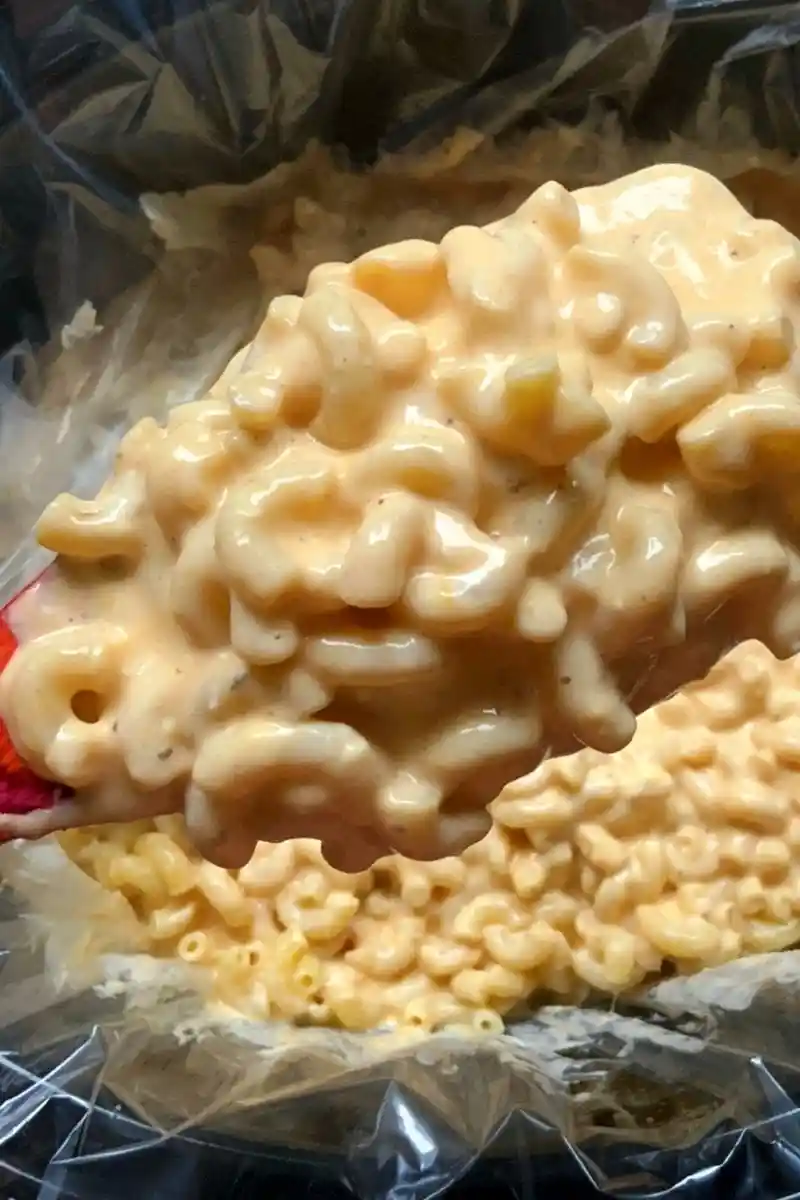
This rich and creamy macaroni and cheese uses a slow cooker to create a velvet-smooth sauce infused with savory Old Bay seasoning. It is an effortless way to prepare a comforting family meal that remains creamy without requiring constant attention at the stove.
List of ingredients
- 3 cups cheddar cheese, shredded – use sharp cheddar for the best flavor profile.
- 1 cup parmesan cheese, grated – adds a salty, nutty depth to the sauce.
- 8 oz cream cheese – ensures a thick and creamy consistency.
- 1 cup whole milk – provides a rich base for the melted cheese.
- 12 oz can evaporated milk – increases creaminess and prevents the sauce from breaking.
- 2 tsp old bay seasoning, plus more for topping – the signature spice blend for a unique twist.
- 1 tsp Dijon mustard – adds a subtle tang that balances the richness.
- 16 oz macaroni – boiled according to al dente instructions on the package.
step-by-step instructions
- Prepare the Pot: Place a slow cooker liner inside your crockpot if you prefer an easier cleanup process.
- Combine Base Ingredients: Add the shredded cheddar, grated parmesan, cream cheese, whole milk, evaporated milk, Old Bay seasoning, and Dijon mustard into the slow cooker.
- Initial Mix and Cook: Stir the ingredients just enough to combine them, cover the pot with a lid, and set the heat to low.
- Cook the Pasta: While the sauce is heating, boil your macaroni in a separate pot following the package directions for al dente pasta.
- Melt the Sauce: Once the cheeses have completely melted—usually between 1 to 2 hours depending on your slow cooker’s heat—open the lid and stir the mixture until it is fully smooth.
- Integrate Pasta: Drain the cooked macaroni thoroughly and stir it into the melted cheese sauce until every noodle is well coated.
- Final Touch: Serve the dish immediately, optionally sprinkling additional Old Bay seasoning on top for extra flavor.
Professional Cooking Tips for Success
Freshly Shred Your Own Cheese
Buying pre-shredded cheese often means the product is coated in potato starch or cellulose to prevent clumping. This can lead to a grainy texture in your sauce. Shredding a block of cheese by hand ensures a much smoother melt and a creamier final result.
Choose Sharp Cheddar for Boldness
Because the sauce contains a lot of milk and cream cheese, a mild cheddar can get lost in the richness. Using an extra-sharp cheddar provides a necessary acidic bite that cuts through the fat and enhances the flavor of the Old Bay seasoning.
Verify Your Slow Cooker Temperature
Slow cookers vary significantly in temperature between brands and models. Some run much hotter than others, meaning your cheese could melt in 45 minutes or take two full hours. Start checking the consistency after one hour to avoid overheating the dairy.
Master the Al Dente Timing
It is critical to undercook the pasta slightly when boiling it separately. The noodles will continue to absorb moisture and soften as they sit in the hot cheese sauce. Removing them from the water while they still have a slight bite prevents them from becoming mushy.
Ingredient Substitutions and Variations
Replace Cheddar with Gruyere
For a more sophisticated and nutty flavor, substitute one cup of the cheddar cheese with one cup of shredded Gruyere. This Swiss-style cheese melts beautifully and adds a complex layer of taste that pairs well with the parmesan.
Substitute Whole Milk for Evaporated Milk
If you do not have evaporated milk on hand, you can use an equal amount of whole milk. Be aware that the sauce may be slightly thinner, as evaporated milk has a higher concentration of solids which helps thicken the base.
Try Different Pasta Shapes
While elbow macaroni is the classic choice, other shapes can work well. Cavatappi or shells are excellent because their spirals and hollow centers trap more of the thick cheese sauce in every bite.
Add Smoked Paprika for Depth
If you want to add a subtle smokiness to the dish, stir in a half teaspoon of smoked paprika along with the Old Bay. This complements the seafood-adjacent notes of the seasoning and adds a warm color to the sauce.
Creative Serving Ideas and Mix-ins
Incorporate Grilled Chicken Pieces
Turn this side dish into a full meal by stirring in sliced grilled chicken breasts. The savory chicken blends perfectly with the creamy sauce and the spicy notes of the Old Bay seasoning.
Stir in Steamed Broccoli Florets
Adding steamed broccoli provides a fresh contrast to the heavy cheese and adds nutritional value to the meal. Stir the florets in at the very end to keep them from overcooking and becoming too soft.
Mix in Cooked Baby Shrimp
Given that Old Bay is traditionally used for seafood, adding cooked baby shrimp is a natural fit. This creates a coastal-style macaroni and cheese that is impressive enough for a dinner party.
Fold in Sautéed Mushrooms
Sautéed mushrooms add an earthy, umami quality to the dish. Cook the mushrooms in a pan with a bit of butter and garlic before stirring them into the final macaroni and cheese mixture.
Storage and Reheating Guidelines
Optimal Refrigeration Methods
Store any leftover mac and cheese in an airtight container or a heavy-duty plastic storage bag. This prevents the pasta from absorbing odors from the fridge and keeps the sauce from drying out. Refrigerated leftovers will stay fresh for 3 to 4 days.
Freezing for Long Term Use
This recipe freezes surprisingly well if stored in individual portions. Use freezer-safe containers and ensure there is a small amount of headspace for expansion. Frozen portions can be kept for up to 3 months without significant loss in quality.
Restoring Creaminess During Reheating
When reheating in the microwave, the sauce often thickens or separates. To fix this, stir in one to two tablespoons of whole milk before heating. This re-emulsifies the fats and restores the original creamy consistency.
Using the Oven for Reheating
If you prefer a crusty top, transfer leftovers to a baking dish and sprinkle a bit of extra cheese on top. Bake at 350 degrees Fahrenheit until the cheese is bubbly and slightly browned, which adds a nice textural contrast.
Troubleshooting Common Issues
Addressing a Grainy Sauce Texture
Graininess usually happens if the cheese is heated too quickly or if pre-shredded cheese was used. To fix this, stir the sauce vigorously with a whisk or use a handheld immersion blender for a few seconds to smooth out the proteins.
Fixing Sauce That Is Too Thick
Depending on the evaporation rate of your slow cooker, the sauce might become overly thick. Slowly stir in additional whole milk, one tablespoon at a time, until the sauce reaches your preferred consistency.
Preventing the Sauce from Breaking
A broken sauce looks oily or separated. This usually occurs from overheating. If this happens, remove the pot from the heat and stir in a small splash of cold milk or a teaspoon of cornstarch slurry to help bind the fats and liquids back together.
Correcting Over-Salted Pasta
Old Bay and parmesan are both salty ingredients. If the final dish tastes too salty, stir in a small amount of unsalted ricotta cheese or a splash of heavy cream. This dilutes the salt concentration without compromising the creaminess.
Frequently Asked Questions
Can I make this entire dish in the slow cooker without boiling pasta?
Yes, you can use a no-boil method by adding an extra cup of whole milk and stirring in uncooked macaroni at the start. However, this requires checking the pasta every 30 minutes after the first hour to ensure the noodles do not become mushy.
Is the Dijon mustard noticeable in the final taste?
The Dijon mustard does not make the dish taste like mustard; instead, it acts as a flavor enhancer. It provides a subtle acidity that brightens the heavy dairy and makes the cheddar taste more prominent.
Can I use a different type of cream cheese?
Full-fat cream cheese is recommended for the best emulsion and texture. While low-fat or whipped versions can be used, they may result in a thinner sauce that does not cling to the pasta as effectively.
What is the best way to avoid a mess in the crockpot?
Using a slow cooker liner is the most effective way to prevent cheese from baking onto the sides of the ceramic pot. If you do not have liners, greasing the sides with a small amount of butter before adding ingredients can help.
} Print
Creamy Slow Cooker Old Bay Macaroni and Cheese
- Total Time: 2 hours 10 minutes
- Yield: 8 servings 1x
- Diet: General
Description
Slow cooker Old Bay mac & cheese with old bay seasoning is an outstanding combination. This easy, creamy and beyond delicious dish in one you do not want to miss!
Ingredients
- 3 cups cheddar cheese, shredded
- 1 cup parmesan cheese, grated
- 8 oz cream cheese
- 1 cup whole milk
- 12 oz can evaporated milk
- 2 tsp old bay seasoning
- 1 tsp Dijon mustard
- 16 oz macaroni, cooked according to al dente instructions on package
Instructions
- Step: Place slow cooker liner in slow cooker, if using.
- Step: Add cheeses, milks, cream cheese and spices to slow cooker.
- Step: Stir just to combine, cover and cook on low.
- Step: Prepare macaroni according to the al dente instructions on the package.
- Step: Once all cheeses have melted (this can take anywhere from 1-2 hours depending on how hot your slow cooker runs), open slow cooker and stir to fully combine.
- Step: Add in drained macaroni and stir again until fully incorporated.
- Step: Serve with additional old bay seasoning sprinkled on top (optional).
Notes
For a no-boil method: do NOT boil the macaroni. Instead, use 2 cups of whole milk total and add the pasta at the same time as the other ingredients. Cover and cook on low for 1 hour, then stir every 30 minutes until the pasta reaches your preferred consistency.
- Prep Time: 10 minutes
- Cook Time: 2 hours
- Category: Dinner
- Method: Slow Cooker
- Cuisine: American
Nutrition
- Serving Size: 1 serving
- Calories: 605 kcal
- Sugar: 9 g
- Sodium: 623 mg
- Fat: 32 g
- Saturated Fat: 19 g
- Unsaturated Fat: 10 g
- Trans Fat: 0 g
- Carbohydrates: 51 g
- Fiber: 2 g
- Protein: 28 g
- Cholesterol: 100 mg