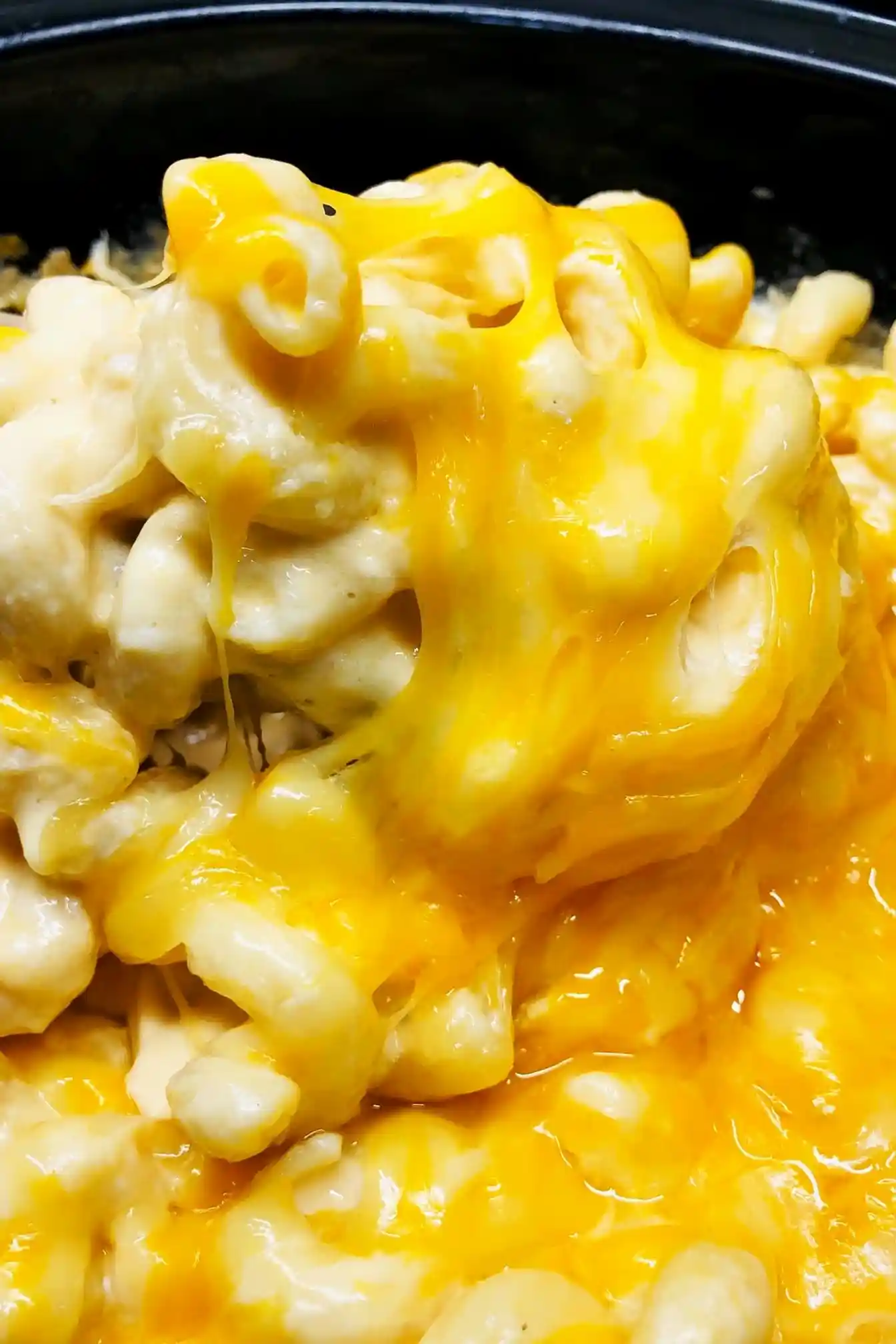
This slow cooker macaroni and cheese provides a rich, indulgent meal without the need for a traditional stovetop roux. It is an efficient way to prepare a large batch of comfort food while keeping your oven free for other dishes.
List of ingredients
- 1 pound short cut pasta (elbow, penne, cavatappi, or shells) – boiled and drained.
- 2 1/2 cups whole milk – creates the primary creamy base.
- 1 12 oz can evaporated milk – stabilizes the sauce and adds richness.
- 1 Tbsp kosher salt – enhances the overall flavor profile.
- 1 tsp dry mustard – cuts through the richness of the cheese.
- 1/2 tsp pepper – adds a light touch of heat.
- 8 oz cream cheese, cut into cubes – thickens the sauce and prevents separation.
- 8 oz gouda cheese, shredded – provides a nutty, complex flavor.
- 16 oz block colby jack cheese, shredded – melts smoothly and adds color.
- 1 stick butter, cut into 8 Tbsps – adds silkiness and flavor.
step-by-step instructions
- Prepare Pasta: Boil the pasta according to package directions in salted water, then drain it well and transfer it to the slow cooker.
- Combine Ingredients: Add the whole milk, evaporated milk, kosher salt, dry mustard, pepper, cubed cream cheese, shredded gouda, butter, and most of the colby jack to the slow cooker, reserving 1/2 cup of the colby jack for the final step.
- Slow Cook: Stir the mixture until combined and set the slow cooker on the low heat setting for 2 to 3 hours, stirring the pot several times during the process to ensure even heating.
- Final Touch: Sprinkle the reserved 1/2 cup of colby jack cheese over the top and let it sit for 5 minutes or until the cheese is fully melted.
Optimal Texture Guidelines
Grate Your Own Cheese
Using block cheese instead of pre-shredded varieties is essential for a smooth sauce. Pre-shredded cheeses are coated in potato starch or cellulose to prevent clumping, which can lead to a grainy texture when melted in a slow cooker.
Control Pasta Doneness
Boil the pasta until it is slightly undercooked, or al dente, before adding it to the slow cooker. Since the pasta will continue to soften during the 2 to 3 hours of slow cooking, starting with firmer noodles prevents them from becoming mushy.
Maintain Stirring Intervals
Stir the mixture every 45 to 60 minutes to distribute the heat evenly. Because slow cookers heat primarily from the sides, stirring prevents the cheese at the edges from scorching while ensuring the center reaches the proper temperature.
Cube the Cream Cheese
Cutting the cream cheese into small, uniform cubes allows it to melt more quickly and evenly into the milk. This ensures that you do not have large lumps of un-melted cheese remaining in the finished dish.
Ingredient Substitutions and Customizations
Alternative Pasta Shapes
While elbow macaroni is traditional, shells or cavatappi are excellent alternatives. These shapes have larger cavities that trap more of the cheese sauce, increasing the flavor in every bite.
Milk Substitutes for Creaminess
If whole milk is unavailable, you can use half-and-half for an even richer result. Avoid using skim milk, as the lower fat content can cause the sauce to break or become too thin during the long cooking process.
Swapping Gouda for Other Cheeses
If you cannot find gouda, sharp white cheddar is a suitable replacement. This substitution maintains the sharpness and meltability required for the sauce, though the flavor will be more traditional and less nutty.
Mustard Variations
If dry mustard is not in your pantry, you can use a teaspoon of Dijon mustard. This provides a similar acidic balance to the heavy fats in the cheese and butter without altering the overall flavor profile.
Flavor Enhancements and Add-ins
Adding Piquant Spices
Adding a teaspoon of smoked paprika or a pinch of cayenne pepper can add depth and a subtle warmth to the dish. These spices complement the richness of the colby jack and gouda cheeses.
Integrating Garlic Profiles
For a savory boost, stir in one teaspoon of garlic powder or two cloves of minced sautéed garlic. Garlic pairs well with the creamy base and enhances the overall complexity of the sauce.
Incorporating Vegetable Mix-ins
Fold in steamed broccoli florets, peas, or sautéed spinach during the last 30 minutes of cooking. This adds color and nutrition to the meal without compromising the creaminess of the macaroni.
Adding Cooked Proteins
To turn this side dish into a full meal, stir in cooked diced chicken, sautéed mushrooms, or crumbled tempeh. Ensure the protein is already cooked through before adding it to the slow cooker.
Serving and Presentation Ideas
Creating a Crispy Topping
For added texture, toast Panko breadcrumbs in a pan with a small amount of melted butter until golden brown. Sprinkle these over the macaroni just before serving to provide a contrast to the soft pasta.
Pairing with Fresh Greens
Balance the richness of the cheese with a side of roasted asparagus or a crisp Caesar salad. The acidity of a vinaigrette helps cleanse the palate between bites of the decadent pasta.
Serving for Large Crowds
Transfer the finished mac and cheese into disposable foil trays if serving at a party. This allows for easy transport and makes it simple to keep the dish warm using a warming tray.
Plating for Visual Appeal
Garnish the dish with freshly chopped parsley or chives. The pop of green color makes the dish look more professional and adds a fresh, herbal note to the rich cheese sauce.
Storage and Preservation
Refrigeration Process
Allow the mac and cheese to cool slightly before transferring it to an airtight container. Rapidly cooling the dish prevents the growth of bacteria and helps maintain the integrity of the sauce.
Container Selection
Use glass airtight containers for storage to prevent the cheese from absorbing odors from other foods in the fridge. Glass also makes it easier to reheat the dish in the microwave or oven.
Freezing Guidelines
This recipe can be frozen for up to two months. Store in freezer-safe bags or containers, and be aware that the sauce may separate slightly upon thawing, requiring a bit of extra milk during reheating.
Storage Timeline
Keep refrigerated mac and cheese for up to 3 to 4 days. After this period, the pasta may absorb too much liquid, making the dish dry and the noodles overly soft.
Reheating Techniques
Microwave Reheating
Heat portions in the microwave using medium power. Add a tablespoon of milk or water and stir halfway through the process to restore the creamy emulsion of the sauce.
Oven Refreshing Method
Place the macaroni in an oven-safe dish and cover it with foil. Heat at 300°F (150°C) until warmed through to prevent the cheese from separating due to excessive heat.
Stovetop Simmering
Place the leftovers in a saucepan over low heat. Stir constantly and add small amounts of milk until the cheese sauce becomes smooth and glossy again.
Recovering the Emulsion
If the sauce looks oily or separated after reheating, whisk in a small pat of cold butter. The fat helps bind the sauce back together for a smooth consistency.
Planning and Preparation
Advance Ingredient Prep
Shred your cheeses and cube your butter the day before you plan to cook. Storing these prepped ingredients in separate bags saves significant time on the day of preparation.
Pasta Par-boiling
If you are preparing the meal for a specific event, boil the pasta and toss it with a small amount of oil to prevent sticking. Store it in the fridge until you are ready to start the slow cooker.
Using the Warming Setting
Once the 2 to 3 hour cooking window is complete, switch the slow cooker to the “warm” setting. This prevents the pasta from overcooking while keeping the meal hot for guests.
Meal Prep Portioning
Divide the finished macaroni and cheese into individual portion containers immediately after cooking. This makes it easier to grab a quick lunch throughout the week without reheating the entire pot.
Troubleshooting Common Issues
Fixing Thin Sauce
If the sauce is too liquidy after three hours, leave the lid off and cook on high for another 30 minutes. This allows some of the moisture to evaporate, thickening the cheese base.
Correcting Grainy Texture
Graininess is usually caused by overheating the cheese. If this happens, stir in a tablespoon of cornstarch slurry (cornstarch mixed with water) and cook for another 15 minutes to smooth out the sauce.
Addressing Dryness
If the pasta has absorbed too much liquid and the dish seems dry, stir in an additional 1/4 cup of warm milk. This will restore the creamy consistency without thinning the flavor.
Preventing Mushy Pasta
If the noodles are too soft, reduce the initial boiling time by an additional minute in future batches. The slow cooker provides significant residual heat that continues to cook the starch.
Frequently Asked Questions
Can I use a high heat setting?
It is not recommended to use the high setting for this recipe. High heat can cause the milk to scald and the cheese fats to separate, resulting in an oily and grainy sauce.
Do I really need to boil the pasta first?
Yes, boiling the pasta first ensures that the noodles cook evenly. Adding raw pasta to a slow cooker often results in uneven textures, where some pieces are mushy and others are hard.
Can I use skim milk instead of whole milk?
Skim milk lacks the fat necessary to create a stable, creamy emulsion. While it can be used, the resulting sauce will be significantly thinner and less rich than when using whole milk.
What is the best slow cooker size for this recipe?
A 6-quart slow cooker is ideal for this volume of ingredients. Ensure the pot is not filled more than 3/4 full to allow room for stirring and to prevent overflow.
Print
Creamy Slow Cooker Macaroni and Cheese
- Total Time: 6 hours 10 minutes
- Yield: 8 servings 1x
- Diet: General
Description
Slow Cooker Mac and Cheese is THE ultimate comfort food, it’s creamy, extra cheesy and decadent! Perfectly cooked in the slow cooker to free up oven space.
Ingredients
- 1 pound short cut pasta (elbow, penne, cavatappi, shells)
- 2 1/2 cups whole milk
- 1 12 oz can evaporated milk
- 1 Tbsp kosher salt
- 1 tsp dry mustard
- 1/2 tsp pepper
- 8 oz cream cheese, cut into cubes
- 8 oz gouda cheese, shredded
- 16 oz block colby jack cheese, shredded
- 1 stick butter, cut into 8 Tbsps
Instructions
- Step: Boil the pasta according to package directions in salted water, drain and put the pasta into the slow cooker.
- Step: Add remaining ingredients to the slow cooker (set aside 1/2 cup of the colby jack to sprinkle over top when it’s finished). Stir until combined and set the slow cooker on low for 2 to 3 hours, stirring a few more times throughout.
- Step: Sprinkle the remaining cheese over top and wait 5 minutes or until melted.
Notes
The mixture may look very liquidy until the 2-hour mark, but continue stirring and it will come together.
- Prep Time: 10 minutes
- Cook Time: 6 hours
- Category: Main Course, Side Dish
- Method: Slow Cooking
- Cuisine: American
Nutrition
- Serving Size: 1 serving
- Calories: 610 kcal
- Sugar: 12 g
- Sodium: 1200 mg
- Fat: 35 g
- Saturated Fat: 20 g
- Unsaturated Fat: 15 g
- Trans Fat: 0 g
- Carbohydrates: 45 g
- Fiber: 2 g
- Protein: 25 g
- Cholesterol: 110 mg