Prepare a restaurant-style meal at home with this one-pot creamy salmon pasta. It combines rich flavors and a silky sauce in just 30 minutes of total time.
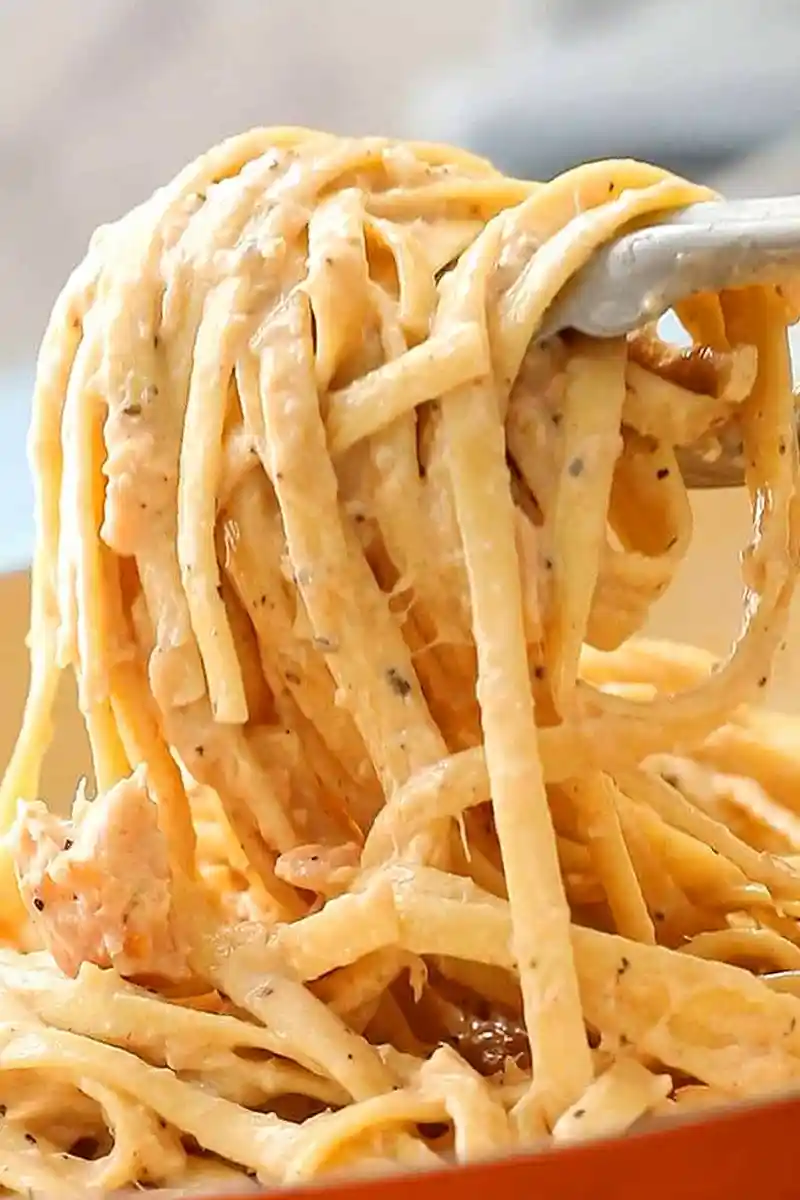
List of ingredients
- 2 to 3 tablespoons olive oil – used for searing the salmon.
- 2 salmon fillets (6 to 8 ounces each) – with or without skin.
- 2 garlic cloves, minced – for a pungent flavor base.
- 1 tablespoon all purpose flour – used to thicken the sauce.
- 1 can (14.5 ounce) chicken stock – preferably 33% reduced sodium.
- 1 1/2 cups milk – whole milk is recommended for richness.
- 1 teaspoon Italian seasoning – for herbal depth.
- 1/2 to 3/4 teaspoon salt – adjust based on the sodium in your stock.
- 1/2 teaspoon paprika – adds color and a mild sweetness.
- 1/4 teaspoon ground black pepper – for a slight spicy kick.
- 8 ounce fettuccini or linguine – these long noodles hold the sauce well.
- 1/4 cup heavy cream – for final sauce indulgence.
- 1/4 cup parmesan cheese – freshly grated for the best melt.
step-by-step instructions
- Prepare the Pan: Select a large pan or skillet that can comfortably hold the pasta strands. If your pan is too small, break the pasta in half before adding it to the pan.
- Sear the Salmon: Season the salmon fillets with salt and pepper. Heat olive oil in the large pan over medium-high heat, add the salmon, and cook for 2 minutes per side until golden and cooked through, then move to a plate.
- Sauté Aromatics and Thickener: Lower the heat to medium. Add the minced garlic and cook for 30 seconds, then stir in the flour and cook for another 30 seconds while stirring constantly.
- Simmer the Base: Pour in the chicken stock and milk. Stir in the Italian seasoning, salt, paprika, and black pepper, then bring the mixture to a gentle simmer.
- Cook the Pasta: Add the pasta to the simmering liquid. Stir every 2 to 3 minutes for about 10 minutes over low to medium heat until nearly cooked. Add a splash of hot stock or milk if the pan looks too dry. While the pasta cooks, flake the cooked salmon into bite-sized pieces and remove the skin if applicable.
- Finish the Sauce: Stir in the heavy cream and Parmesan cheese. Simmer for 1 to 2 minutes, stirring occasionally, until the sauce is creamy and the pasta is fully cooked. Fold in the salmon chunks and serve immediately.
Salmon Preparation and Selection
Choosing High-Quality Salmon Fillets
Look for fillets with a vibrant color and a firm texture that springs back when touched. Wild-caught salmon like Sockeye often provides a bolder flavor, while farmed Atlantic salmon is typically milder and oilier. Ensure the thickness is uniform across the fillets to prevent some parts from overcooking.
The Importance of Patting Fish Dry
Use paper towels to thoroughly pat the salmon dry before seasoning. Removing excess surface moisture is essential for achieving a golden-brown sear. If the fish is damp, it will steam instead of sear, resulting in a pale color and less flavor.
Handling Salmon Skin for Better Texture
If you use skin-on fillets, sear them skin-side down first to protect the delicate flesh. The skin provides a barrier that prevents the fish from sticking and adds depth to the pan drippings. Always peel the skin off after cooking but before flaking the fish into the pasta.
Properly Thawing Frozen Salmon
Thaw frozen fillets slowly in the refrigerator overnight to maintain the cellular structure of the fish. Avoid thawing in warm water, as this can invite bacterial growth and make the texture mushy. Pat the thawed fish dry immediately before cooking.
Pasta and Sauce Optimization
Selecting the Best Pasta Shape
Fettuccine and linguine are ideal because their wide surface area allows the creamy sauce to cling to every strand. However, penne or bow tie pasta also work well if you prefer a chunkier texture. Smaller shapes like fusilli are great for capturing small bits of flaked salmon.
Managing Liquid Levels During Cooking
The one-pot method relies on the pasta absorbing the liquid, which naturally thickens the sauce with released starches. If the liquid evaporates too quickly, the pasta will remain hard and the sauce will be too thick. Keep extra chicken stock or milk on hand to add a splash if the pan looks dry.
The Role of the Flour Roux
The combination of olive oil and flour creates a simple roux that provides stability to the sauce. This prevents the milk and cream from separating under heat. Stirring constantly during the flour stage ensures there are no lumps in the final dish.
Using Freshly Grated Parmesan Cheese
Always use freshly grated Parmesan rather than the pre-shredded variety from a can. Pre-shredded cheeses are often coated in cornstarch or cellulose to prevent clumping, which can make the sauce grainy. Fresh cheese melts smoothly into the sauce for a silky finish.
Customizing Your Dish
Incorporating Fresh Spinach and Greens
Fresh baby spinach can be folded in during the final minute of cooking. The residual heat is enough to wilt the leaves without overcooking them. This adds a pop of color and a boost of nutrients to the indulgent meal.
Using Sun-Dried Tomatoes for Acidity
Add chopped sun-dried tomatoes along with the garlic for a tangy contrast to the rich cream. The concentrated sweetness and acidity of the tomatoes cut through the fat of the salmon and cream. Use oil-packed tomatoes for the best flavor profile.
Substituting Heavy Cream for Lighter Options
If you prefer a lighter sauce, you can replace the heavy cream with half-and-half or additional whole milk. Note that this will result in a slightly thinner sauce with less richness. You can compensate by simmering the sauce for an extra minute to reduce it further.
Adding Peas or Asparagus
Frozen peas can be added during the last 3 minutes of the pasta cooking process. For asparagus, sauté small pieces in the pan before cooking the salmon. These vegetables pair naturally with salmon and add a fresh, crisp texture.
Storage and Reheating Guidelines
Safe Refrigeration and Storage Limits
Store leftovers in an airtight container in the refrigerator for 2 to 3 days. Ensure the pasta is cooled slightly before sealing to prevent excessive condensation. Keep the container in the coldest part of the fridge, away from the door.
Restoring Sauce Texture During Reheating
Cream sauces tend to thicken and separate when chilled. Add a splash of water, milk, or chicken stock before microwaving or heating on the stove. Stir the pasta halfway through the heating process to redistribute the fats and emulsify the sauce again.
Avoiding Freezer Burn and Texture Loss
Creamy pasta dishes are not recommended for freezing because the dairy can break down. Upon thawing, the sauce often becomes grainy, and the pasta may become overly soft or mushy. It is best to enjoy this dish fresh or from the refrigerator.
Preventing Salmon Overcooking During Reheat
When reheating, use a lower power setting on the microwave or low heat on the stove. Heating the dish too rapidly can cause the salmon chunks to become dry and rubbery. Stop heating as soon as the sauce reaches a simmer.
Troubleshooting Common Issues
Fixing a Sauce That Is Too Thin
If the sauce is too watery after the pasta is cooked, simmer it on medium-low for a few extra minutes without a lid. This allows the excess moisture to evaporate, concentrating the flavors. You can also stir in an extra tablespoon of Parmesan cheese to help bind the liquid.
Adjusting a Sauce That Has Become Too Thick
A sauce that is too thick can feel heavy or sticky on the palate. Slowly whisk in a tablespoon of warm milk or chicken stock until the desired consistency is reached. Do this slowly to avoid breaking the emulsion of the cream.
Preventing Overcooked, Dry Salmon
Remove the salmon fillets from the pan as soon as they reach an internal temperature of 145 degrees Fahrenheit. Let them rest on a plate while the pasta cooks. Folding the salmon back in at the very end ensures it doesn’t cook twice and lose its moisture.
Solving the Problem of Lumpy Sauce
Lumps usually occur if the flour was not cooked properly or if the liquids were added too quickly. Use a whisk to stir the sauce vigorously during the simmering stage. If lumps persist, you can pass the sauce through a fine-mesh strainer before adding the pasta.
Frequently Asked Questions
What type of salmon is best for pasta?
Fresh or frozen wild-caught salmon fillets, such as Sockeye or Coho, are recommended for their robust flavor and firm texture. Farmed Atlantic salmon is also a great choice for those who prefer a milder, buttery taste. If using frozen fillets, ensure they are completely thawed and patted dry before searing.
How to prevent salmon from overcooking for pasta?
Select fillets of uniform thickness to ensure even cooking. Use a very hot pan to sear the exterior quickly, and remove the fish from the heat a few minutes before it is fully done. Let the salmon rest, then fold it into the hot pasta at the end to finish cooking gently.
Does pasta go well with salmon?
Yes, pasta and salmon are a classic pairing because the rich, oily nature of the fish complements creamy or buttery sauces. Long noodles like fettuccine are particularly effective at carrying the sauce. The starch from the pasta also helps the salmon flavors meld into the sauce.
Does canned salmon go with pasta?
Canned salmon is a budget-friendly and convenient alternative, though it lacks the searing depth of fresh fillets. To use it, simply drain the liquid, flake the salmon, and fold it into the finished sauce. It works well in creamy recipes, though the texture is softer than fresh fish.
How to make a creamy sauce for salmon pasta?
The process involves creating a base with olive oil, garlic, and flour to thicken the liquid. Adding chicken stock and milk provides the bulk of the sauce, while cooking the pasta directly in the liquid adds natural starch for thickness. Finishing with heavy cream and Parmesan ensures a rich, restaurant-quality emulsion.
Print
Creamy Salmon Pasta
- Total Time: 30 minutes
- Yield: 4 servings 1x
- Diet: General
Description
This Creamy Salmon Pasta is restaurant-quality, ready in 25 minutes, and made in one pot. It’s rich and indulgent thanks to a silky cream sauce, yet uses only ¼ cup of cream for the whole batch.
Ingredients
- 2 to 3 tablespoons olive oil
- 2 salmon fillets (6 to 8 ounces each)
- 2 garlic cloves, minced
- 1 tablespoon all purpose flour
- 1 can (14.5 ounce) chicken stock
- 1 1/2 cups whole milk
- 1 teaspoon Italian seasoning
- 1/2 to 3/4 teaspoon salt
- 1/2 teaspoon paprika
- 1/4 teaspoon ground black pepper
- 8 ounce fettuccini or linguine
- 1/4 cup heavy cream
- 1/4 cup parmesan cheese
Instructions
- Prepare Pan: Use a large pan or skillet that’s big enough to comfortably hold the pasta. If you are using a smaller pan, then break the pasta in half to fit.
- Cook Salmon: Season the salmon fillets with salt and pepper. Heat olive oil in a large pan over medium-high heat, then add the salmon. Cook for 2 minutes on each side until golden and cooked through, then transfer to a plate.
- Sauté Garlic and Flour: Reduce the heat to medium. Add the garlic and cook for 30 seconds. Stir in flour and cook for additional 30 seconds, stirring constantly.
- Add Liquids: Add the stock, milk, Italian seasoning, salt, paprika, and black pepper, and stir well. Bring the mixture to a gentle simmer.
- Cook Pasta: Add the pasta and cook, stirring every 2–3 minutes, for about 10 minutes. If it looks dry, add a splash of hot stock or milk. While the pasta cooks, break the salmon into bite-sized pieces and remove the skin.
- Finish: Stir in the cream and Parmesan, then simmer for 1–2 minutes, stirring occasionally, until the sauce is creamy and the pasta is cooked. Fold in the salmon chunks and serve immediately.
Notes
Pat dry your salmon with paper towels to ensure a good sear. You can use any favorite noodle shape instead of fettuccine. For storage, keep in the fridge for 2-3 days; when reheating, add a splash of water or stock to maintain the cream sauce consistency.
- Prep Time: 5 minutes
- Cook Time: 25 minutes
- Category: Dinner
- Method: Stovetop
- Cuisine: American
Nutrition
- Serving Size: 1 serving
- Calories: 513 kcal
- Sugar: 6 g
- Sodium: 452 mg
- Fat: 27 g
- Saturated Fat: 9 g
- Unsaturated Fat: 13 g
- Trans Fat: 0.04 g
- Carbohydrates: 44 g
- Fiber: 2 g
- Protein: 29 g
- Cholesterol: 134 mg