This rich and creamy pink sauce pasta combines the acidity of tomatoes with the smoothness of heavy cream and melted cheeses. It is a quick, filling meal that works perfectly for a weeknight dinner.
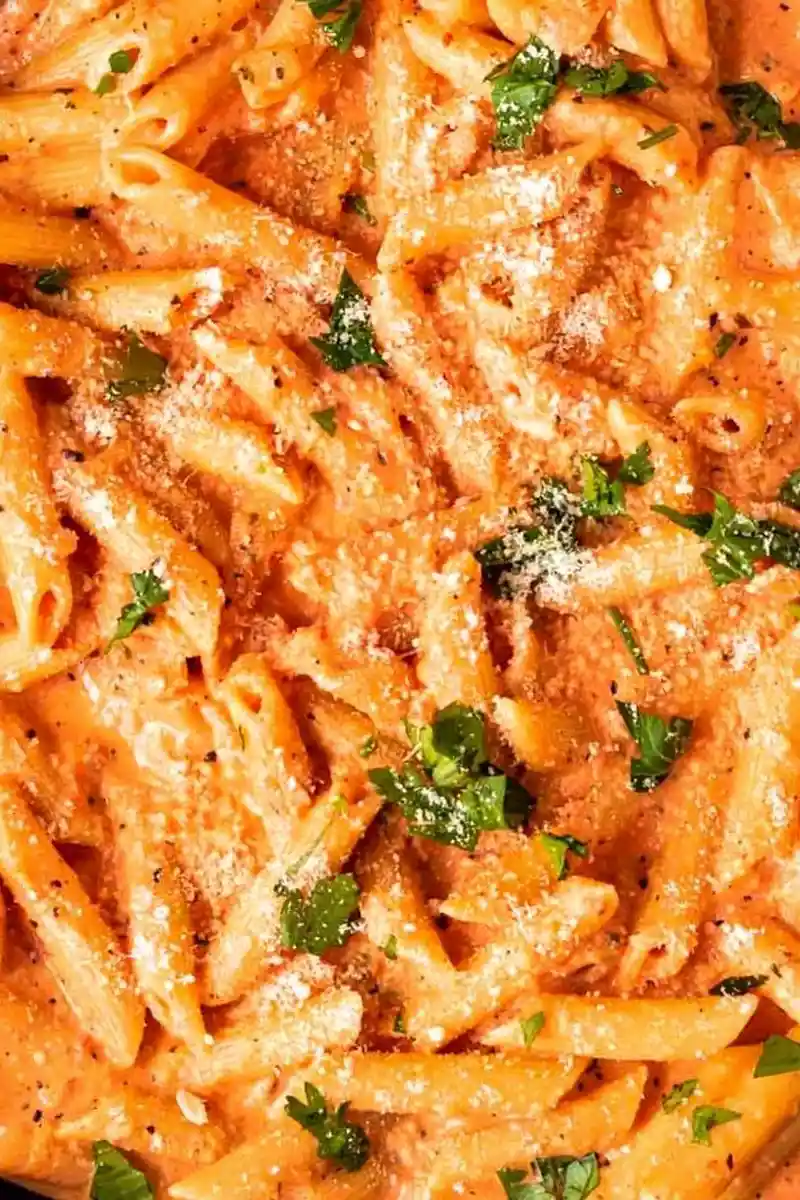
List of ingredients
- 300 g Pasta (penne, uncooked) – Use al dente for best texture.
- 4 Garlic cloves – Freshly minced for better flavor.
- 2 tbsp Olive oil – Extra virgin preferred.
- 1 Onion (medium, diced) – Finely chopped for even cooking.
- 1 tsp Dried oregano – For earthy Italian notes.
- 1/2 tsp Dried basil – Adds a sweet, peppery aroma.
- 1/2 tsp Chili flakes – Provides a mild heat.
- 1/2 tsp Kosher salt – Adjust based on tomato sauce saltiness.
- 1/2 cup Milk – Whole milk creates a creamier base.
- 3/4 cup Heavy cream – Essential for the signature pink texture.
- 1 cup Mozzarella – Shredded for a stretchy consistency.
- 1/2 cup Parmesan – Freshly grated for a salty finish.
- 230 g Tomato sauce – Store-bought marinara or crushed tomatoes.
step-by-step instructions
- Boil the pasta: Fill a large pot with water, add a generous amount of salt, and bring to a boil over high heat. Cook the penne according to the package instructions until it reaches an al dente texture.
- Prepare the pasta: Drain the pasta in a colander and rinse it immediately with cold water to stop the cooking process and prevent sogginess.
- Sauté the aromatics: Heat olive oil in a large skillet over medium heat. Add the diced onions and sauté until they become lightly golden brown.
- Build the tomato base: Stir in the minced garlic and tomato sauce, mixing well to combine.
- Season and enrich: Add the dried oregano, dried basil, chili flakes, and kosher salt. Pour in the heavy cream and milk, stirring continuously until the sauce is homogeneous.
- Melt the cheeses: Stir in the mozzarella and parmesan cheese. Keep the heat on medium and stir until the cheeses are fully melted and smooth.
- Smooth the texture: Use a hand blender directly in the skillet to blend the sauce for a completely smooth and velvety consistency.
- Combine: Add the cooked penne to the skillet and toss well to ensure every piece of pasta is coated in sauce.
- Final touch: Garnish with freshly chopped parsley and extra grated parmesan before serving immediately.
Culinary Secrets for Perfect Pasta
Season the Boiling Water Heavily
Adding a generous amount of salt to the pasta water is the only chance to season the pasta dough itself. This prevents the final dish from tasting flat and enhances the overall flavor profile of the wheat. Use about one tablespoon of salt per gallon of water.
Master the Al Dente Point
Cooking pasta al dente means it still has a slight firm bite in the center. This is crucial for pink sauce pasta because the noodles will continue to absorb moisture from the cream sauce after they are combined. Overcooked pasta will turn mushy when tossed in the skillet.
Cold Water Rinsing Technique
Rinsing the pasta with cold water immediately after draining removes excess surface starch. This prevents the pasta from clumping together and stops the residual heat from overcooking the noodles. It ensures the pasta remains distinct and firm within the sauce.
Avoid Pre-Minced Garlic
Freshly minced garlic contains volatile oils that provide a sharp, pungent flavor essential for Italian sauces. Store-bought pre-grated garlic often loses these oils and can have a metallic aftertaste. Grating your own cloves by hand ensures maximum aromatic impact.
Utilize Reserved Pasta Water
Before draining the pasta, reserve about one cup of the starchy cooking water. If the pink sauce becomes too thick or separates during the melting process, a splash of this water will emulsify the sauce. The starch acts as a binding agent between the fats in the cream and the acidity of the tomatoes.
Ingredient Substitutions and Alternatives
Dairy-Free Cream Alternatives
To make this recipe vegan or dairy-free, replace the heavy cream and milk with full-fat coconut milk or a cashew-based cream. Use vegan mozzarella and nutritional yeast or vegan parmesan to maintain the cheesy flavor. Ensure the plant-based cream is unsweetened to avoid altering the savory profile.
Gluten-Free Pasta Selections
This recipe works well with brown rice pasta, chickpea pasta, or quinoa-based noodles. Because gluten-free pasta can break apart more easily, be extra careful not to overcook it. Rinse gluten-free pasta more thoroughly than wheat pasta to remove excess surface starch that can make the sauce gummy.
Swapping Tomato Sauce for Crushed Tomatoes
If you prefer a chunkier, more rustic sauce, use canned crushed tomatoes instead of smooth marinara. You may need to increase the sauté time for the onions and garlic to cook down the raw taste of the tomatoes. If using plain crushed tomatoes, add a pinch more sugar to balance the acidity.
Experimenting with Pasta Shapes
While penne is ideal for holding thick sauces, rigatoni or fusilli are excellent alternatives. Short, ridged pasta shapes allow the creamy sauce to cling to the surface and get trapped inside the tubes. Avoid thin noodles like spaghetti, as they may not support the weight of the cheese-heavy sauce.
Adding Protein and Vegetables
Integrating Grilled Chicken
Add sliced grilled chicken breast or shredded rotisserie chicken during the final mixing stage. For the best flavor, season the chicken with salt, pepper, and a bit of oregano before adding it. This turns the dish into a high-protein meal without altering the sauce consistency.
Incorporating Sautéed Shrimp
Sauté shrimp in olive oil and garlic in a separate pan until pink, then fold them into the pasta at the end. Shrimp cooks quickly and can become rubbery if boiled in the sauce. Keep the shrimp separate until the final step to maintain their texture.
Adding Fresh Baby Spinach
Stir in two handfuls of fresh baby spinach just before adding the pasta to the skillet. The residual heat of the sauce will wilt the spinach in about 60 seconds. This adds color and nutritional value without requiring extra cooking time.
Mixing in Roasted Broccoli
Toss in small roasted broccoli florets for added crunch and earthiness. Roasting the broccoli first prevents it from releasing excess water into the sauce, which would dilute the creaminess. Mix them in gently to avoid breaking the florets.
Enhancing the Spice Profile
For a deeper flavor, replace dried oregano with a high-quality Italian seasoning blend. You can also add a pinch of paprika for a smoky undertone or onion powder for added depth. Adjust the chili flakes based on your preference for heat.
Storage and Preservation Guide
Refrigerating Leftovers
Store the cooked pasta in an airtight container or cover the bowl tightly with plastic wrap. Keep it in the refrigerator for up to 3 days. The sauce will thicken significantly as it cools because the starches in the pasta absorb the liquid.
Freezing for Long Term Use
You can freeze this pasta for up to 2 months in a freezer-safe container. Let the dish cool completely to room temperature before freezing to prevent ice crystals from forming. Note that the cream sauce may separate slightly upon thawing.
Recognizing Spoilage
Discard the pasta if you notice a sour smell or any discoloration in the cream sauce. Since this dish contains heavy dairy, it is susceptible to spoilage if left at room temperature for more than two hours. Always store it promptly after cooking.
Professional Reheating Methods
Microwave Reheating Process
Heat the pasta in small portions to ensure even warming. Add a tablespoon of milk or water to the pasta before microwaving to loosen the thickened sauce. Heat on medium power in 30-second intervals, stirring in between.
Oven Heating for Bubbly Cheese
Place the pasta in an oven-safe dish and cover it with foil to retain moisture. Preheat the oven to 180C (350F) and heat for 8 to 10 minutes. Remove the foil for the last 2 minutes to let the cheese on top bubble and brown.
Stovetop Warming Method
Place the leftovers in a skillet over low heat. Add a splash of milk or pasta water and stir gently to emulsify the sauce. Avoid high heat, as the cream and cheese can break and become oily.
Preventing Sauce Separation
The key to reheating cream sauces is the addition of a liquid. Adding milk or water restores the emulsion and prevents the fats from separating from the solids. Stir slowly to avoid breaking the pasta noodles.
Sauce Troubleshooting and Fixes
Correcting a Sauce That is Too Thick
If the sauce becomes overly thick after adding the cheese, stir in milk one tablespoon at a time. Continue stirring over low heat until the desired consistency is reached. Do not add too much liquid at once, or the sauce will become runny.
Fixing Separated Cream
If the sauce looks grainy or the oil has separated, whisk in a small amount of warm pasta water. The starch helps bind the fats back together. Using a hand blender can also force the emulsion back into a smooth state.
Balancing Excessive Tomato Acidity
If the sauce tastes too tart or acidic, stir in a tiny pinch of granulated sugar or a small knob of unsalted butter. The sugar neutralizes the acid, while the butter adds a richness that rounds out the flavor.
Adjusting Over-Salted Sauce
If you accidentally added too much salt, increase the amount of heavy cream or add a splash of unsweetened milk. You can also add an extra handful of unsalted spinach or a bit more unsalted butter to dilute the salt concentration.
Frequently Asked Questions
What is the difference between pink sauce and vodka sauce?
Pink sauce is a general blend of tomato and cream sauces. Vodka sauce is a specific type of pink sauce that uses vodka to emulsify the fats and enhance the tomato flavor. This recipe is a traditional pink sauce and contains no alcohol.
Can I use a different type of milk?
Yes, you can use 2% or skim milk, although the sauce will be slightly less rich. For a thicker result, you can replace the milk entirely with more heavy cream or a tablespoon of cream cheese.
How do I make the sauce smoother?
The most effective way to achieve a professional, velvety texture is by using a hand blender. If you do not have one, you can pass the sauce through a fine-mesh sieve before adding the cooked pasta.
Can I use pre-shredded cheese?
You can, but pre-shredded cheeses are coated in potato starch or cellulose to prevent clumping. This can make the sauce slightly grainier. Grating your own mozzarella and parmesan leads to a smoother melt.
Print
Creamy Pink Sauce Pasta Guide
- Total Time: 30 minutes
- Yield: 5 servings 1x
- Diet: Vegetarian
Description
This pink sauce pasta is made with a blend of tomatoes and creamy cream sauce, parmesan cheese, mozzarella, garlic, and delicious spices.
Ingredients
- 300 g Pasta (penne, uncooked)
- 4 Garlic cloves
- 2 tbsp Olive oil
- 1 Onion (medium, diced)
- 1 tsp Dried oregano
- 1/2 tsp Dried basil
- 1/2 tsp Chili flakes
- 1/2 tsp Kosher salt
- 1/2 cup Milk
- 3/4 cup Heavy cream
- 1 cup Mozzarella
- 1/2 cup Parmesan
- 230 g Tomato sauce
Instructions
- Step 1: In a large pot over high heat, add the water, salt, and pasta, and cook the pasta to al dente according to the package instructions.
- Step 2: Drain and wash the pasta with cold water to prevent it from overcooking.
- Step 3: In a large skillet, on medium heat, add olive oil, and the onions, and cook them until they are lightly golden brown.
- Step 4: Add the minced garlic and tomato sauce and mix well.
- Step 5: Add the dried oregano, dried basil, chili flakes, and kosher salt. Then add the heavy cream and milk and mix well until combined.
- Step 6: Add the mozzarella and parmesan cheese and mix over medium heat until the cheeses have melted.
- Step 7: We used a hand blender to make the sauce smoother.
- Step 8: Add the al dente-cooked pasta and mix well.
- Step 9: Garnish with freshly chopped parsley and extra parmesan and serve!
Notes
Make the pasta in salted water to ensure the flavor isn’t flat. Cook the pasta to al dente and rinse with cold water to prevent it from becoming soggy. Reserve a cup of pasta water to loosen the sauce if it becomes too thick.
- Prep Time: 15 minutes
- Cook Time: 15 minutes
- Category: Main Course
- Method: Stovetop
- Cuisine: American, Italian
Nutrition
- Serving Size: 1 serving
- Calories: 494 kcal
- Sugar: 7 g
- Sodium: 828 mg
- Fat: 23 g
- Saturated Fat: 14 g
- Unsaturated Fat: 9 g
- Trans Fat: 0 g
- Carbohydrates: 53 g
- Fiber: 3 g
- Protein: 19 g
- Cholesterol: 68 mg