This recipe produces a rich and velvety pasta dish with a bright citrus lift. It is a practical choice for a sophisticated dinner that comes together in just twenty minutes.
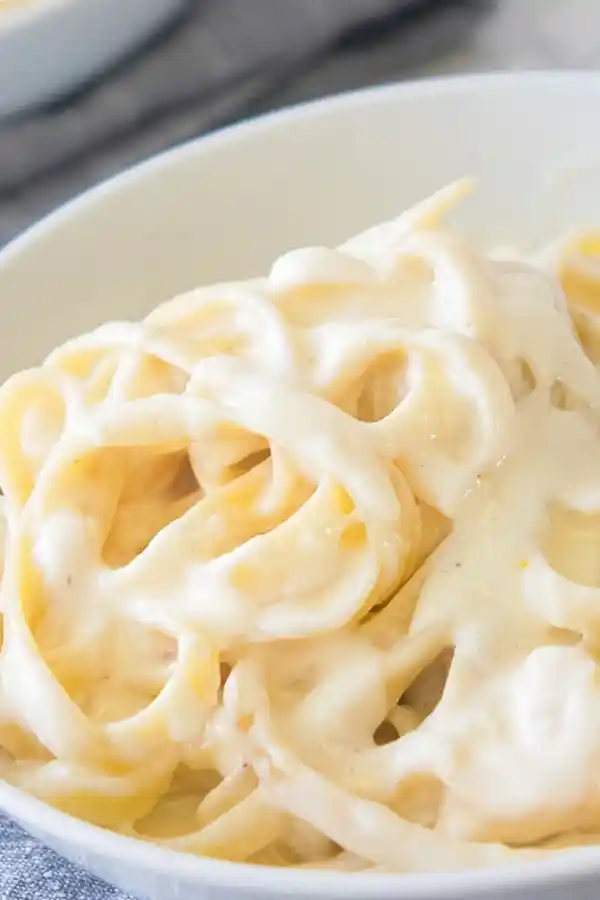
List of ingredients
- 18 ounces fresh fettuccine – ensures a tender, silky texture.
- 2 1/2 cups heavy cream – creates the thick, luxurious base of the sauce.
- 1/2 cup fresh lemon juice – provides essential acidity to balance the richness.
- 12 tablespoons unsalted butter – adds depth of flavor and helps emulsify the sauce.
- 2 cups grated Parmesan – contributes a salty, nutty flavor profile.
- 2 teaspoons grated lemon zest – adds aromatic citrus notes.
- Pinch freshly grated nutmeg – provides a subtle, warm undertone.
- Salt and freshly ground white pepper – used for precise seasoning.
step-by-step instructions
- Boil Pasta: Cook the pasta in a large pot of boiling salted water until tender but still firm to the bite, stirring occasionally, about 4 minutes. Drain.
- Combine Base: Stir 2 cups of the cream and the lemon juice in a heavy large skillet to blend.
- Melt Butter: Add the butter and cook over medium heat just until the butter melts, stirring occasionally, about 3 minutes. Remove from the heat.
- Combine Pasta: Add the pasta and toss to coat.
- Finish Sauce: Add the remaining 1/2 cup of cream, and Parmesan to the cream sauce in the skillet.
- Season: Add the lemon zest, nutmeg, salt, and white pepper.
- Thicken: Toss the pasta mixture over low heat until the sauce thickens slightly, about 1 minute.
Optimizing Pasta Preparation
Selecting Fresh vs Dried Fettuccine
Fresh fettuccine is preferred for this recipe because it absorbs the cream sauce more efficiently due to its porous nature. It also cooks much faster, typically in under five minutes, which keeps the meal quick. If using dried pasta, increase the boiling time and reserve some pasta water to help the sauce bind.
Managing the Pasta Water Salt Level
The water used for boiling the pasta should be heavily salted to ensure the noodles are seasoned from the inside. Since the pasta cooks quickly, the salt doesn’t have much time to penetrate the dough. Use about one tablespoon of salt per gallon of water for the best results.
Achieving the Perfect Al Dente Texture
Start testing the pasta two minutes before the recommended cooking time. The noodles should have a slight resistance in the center, which prevents them from becoming mushy when tossed in the warm sauce. Overcooking the pasta at this stage will lead to a gummy final dish.
The Importance of Proper Draining
Drain the pasta thoroughly to prevent excess water from diluting the cream sauce. While some chefs prefer a bit of starchy water for emulsification, this specific cream-based recipe relies on the reduction of heavy cream. Too much water can cause the sauce to separate or become too thin.
Mastering the Cream Sauce
Controlling Heat to Prevent Curdling
Maintain a medium heat when melting the butter and warming the cream. Excessive heat can cause the cream to boil over or the fat to separate, leading to a grainy texture. If the sauce begins to bubble too aggressively, move the skillet off the heat immediately.
Using Lemon Juice for Flavor Balance
Fresh lemon juice is critical for cutting through the heavy fats of the butter and cream. This acidity prevents the dish from feeling overly cloying on the palate. Always use fresh lemons rather than bottled juice to avoid a metallic or artificial aftertaste.
Creating a Stable Emulsion with Butter
The butter acts as an emulsifier that binds the liquid cream and the cheese together. Stirring occasionally while the butter melts ensures that the fat is evenly distributed throughout the sauce. This results in a glossy, professional finish that clings to the noodles.
Managing the Final Thickening Process
The final toss over low heat is what gives the Alfredo its signature consistency. As the Parmesan melts and the cream reduces slightly, the sauce transforms from a liquid to a coating. Avoid high heat during this stage, as it can cause the cheese to clump.
Cheese and Seasoning Guidelines
Choosing the Right Parmesan Cheese
Use high-quality Parmigiano-Reggiano for the best melting properties and flavor. Avoid pre-shredded cheeses from the store, as they often contain cellulose or cornstarch to prevent clumping. These additives can prevent the cheese from blending smoothly into the sauce.
Grating Cheese by Hand
Grate the Parmesan using a fine-hole grater or a microplane. Finer shreds melt faster and more evenly into the warm cream. This prevents the formation of rubbery cheese clumps in the final dish.
Incorporating Freshly Grated Nutmeg
Freshly grated nutmeg is significantly more potent than pre-ground powder. A small pinch provides a sophisticated warmth that complements the lemon and cream. Use a microplane to grate the nut directly into the pan for maximum aroma.
The Role of White Pepper
White pepper provides a sharp, earthy heat that blends visually into the white sauce. Using black pepper would leave dark specks throughout the dish, which alters the classic aesthetic. White pepper also has a slightly different flavor profile that pairs better with cream.
Practical Ingredient Substitutions
Substituting Half-and-Half for Heavy Cream
If heavy cream is unavailable, you can use half-and-half, though the sauce will be thinner. To compensate for the lower fat content, you may need to simmer the sauce for a few minutes longer. Alternatively, a small amount of cornstarch mixed with water can help achieve the desired thickness.
Using Pecorino Romano Instead of Parmesan
Pecorino Romano is a saltier, tangier sheep’s milk cheese that works well as a substitute. Because it is more aggressive in flavor, reduce the added salt in the recipe. You can also use a 50/50 blend of Parmesan and Pecorino for a complex flavor profile.
Replacing Fresh Fettuccine with Other Pasta
While fettuccine is traditional, linguine or tagliatelle are excellent alternatives. These wide noodles provide a similar surface area for the sauce to adhere to. Avoid using very thin pastas like angel hair, as they can easily be overwhelmed by the thick cream sauce.
Adjusting for Salted Butter
If you only have salted butter on hand, omit a portion of the added salt during the seasoning step. Taste the sauce after the Parmesan has melted before adding any additional salt. The cheese itself contains a significant amount of sodium.
Troubleshooting Common Issues
Fixing a Sauce That Is Too Thick
If the sauce becomes too thick or sticky, stir in a tablespoon of warm water or a splash of cream. Do this over low heat while stirring constantly. This will loosen the emulsion without breaking the sauce.
Resolving a Thin or Watery Sauce
A thin sauce usually results from over-diluting with lemon juice or not reducing the cream enough. To thicken it, continue tossing the pasta over low heat for another minute. Adding an extra handful of grated Parmesan can also help bind the liquid.
Preventing the Sauce from Breaking
A broken sauce occurs when the fat separates from the liquid, leaving oily streaks. This is often caused by overheating the cheese. To fix it, remove the pan from the heat and whisk in a small amount of warm pasta water or cream quickly.
Eliminating Grainy Textures
Graininess is typically caused by using pre-shredded cheese or overheating the cream. To prevent this, always grate your own cheese and keep the heat low once the cheese is added. Ensure the cream and lemon juice are well-blended before adding the butter.
Serving and Presentation
Adding Grilled Chicken or Shrimp
To make this a more substantial meal, top the pasta with sliced grilled chicken breast or sautéed shrimp. Cook the protein separately in a skillet with olive oil and garlic. Place the protein on top of the plated pasta to maintain the texture of the sauce.
Integrating Steamed Vegetables
Fresh steamed broccoli, sautéed spinach, or frozen peas add color and nutritional value to the dish. Toss the vegetables into the skillet during the final minute of thickening. This ensures they are warmed through without overcooking.
Garnishing for a Professional Look
Finish the dish with a sprinkle of fresh chopped parsley or a pinch of extra lemon zest. A light dusting of additional Parmesan cheese adds a final layer of flavor. Serve immediately on warmed plates to keep the sauce from thickening too quickly.
Storage and Reheating Advice
Storing Leftovers Properly
Store leftover Alfredo in an airtight container in the refrigerator for up to three days. Keep in mind that the pasta will absorb much of the sauce as it sits. This results in a thicker, denser consistency upon cooling.
Reheating to Maintain Creaminess
Avoid reheating the pasta in the microwave on high heat, as this can cause the sauce to break. Instead, place the pasta in a skillet over low heat. Add a splash of milk or water to loosen the sauce and stir gently until heated through.
Avoiding Overcooked Pasta During Reheat
Heat the pasta only until it is warm, rather than bringing it back to a boil. Overheating the noodles a second time will make them soft and lose their structure. Using a low and slow approach preserves the integrity of the fettuccine.
Frequently Asked Questions
Why is lemon juice added to a cream sauce?
Lemon juice provides acidity that balances the heavy fats from the cream and butter. This prevents the dish from tasting too heavy and brightens the overall flavor profile.
Can this recipe be made without heavy cream?
While you can use substitutions like milk and butter or a béchamel sauce, heavy cream is essential for the specific texture and richness of this recipe. Using lighter liquids will result in a different style of sauce.
How do I stop the fresh pasta from sticking together?
Stir the pasta frequently during the first two minutes of boiling. Ensure you use a large pot with plenty of water so the noodles have room to move freely.
Which type of Parmesan is best for melting?
Parmigiano-Reggiano is the gold standard for this recipe due to its age and fat content. Always grate it finely by hand to ensure it melts seamlessly into the cream.
Print
Creamy Lemon-Infused Fettuccine Alfredo
- Total Time: 20 minutes
- Yield: 8 servings 1x
- Diet: Vegetarian
Description
Giada’s classic Fettuccine Alfredo recipe is perfectly creamy with a welcome hint of citrus.
Ingredients
- 18 ounces fresh fettuccine
- 2 1/2 cups heavy cream
- 1/2 cup fresh lemon juice
- 12 tablespoons unsalted butter
- 2 cups grated Parmesan
- 2 teaspoons grated lemon zest
- Pinch freshly grated nutmeg
- Salt and freshly ground white pepper
Instructions
- Cook: Cook the pasta in a large pot of boiling salted water until tender but still firm to the bite, stirring occasionally, about 4 minutes. Drain.
- Blend: Stir 2 cups of the cream and the lemon juice in a heavy large skillet to blend.
- Melt: Add the butter and cook over medium heat just until the butter melts, stirring occasionally, about 3 minutes. Remove from the heat.
- Toss: Add the pasta and toss.
- Combine: Add the remaining 1/2 cup of cream, and Parmesan to the cream sauce in the skillet. Add the lemon zest, nutmeg, salt, and white pepper.
- Thicken: Toss the pasta mixture over low heat until the sauce thickens slightly, about 1 minute.
Notes
Nut free, vegetarian.
- Prep Time: 5 minutes
- Cook Time: 15 minutes
- Category: Main Course
- Method: Stovetop
- Cuisine: Italian
Nutrition
- Serving Size: 1 serving
- Calories: 780 kcal
- Sugar: 6 g
- Sodium: 650 mg
- Fat: 58 g
- Saturated Fat: 36 g
- Unsaturated Fat: 22 g
- Trans Fat: 0 g
- Carbohydrates: 32 g
- Fiber: 2 g
- Protein: 16 g
- Cholesterol: 130 mg