This pasta dish features slow-cooked onions that create a sweet and savory sauce. It is a simple meal using pantry staples to achieve a sophisticated flavor profile.
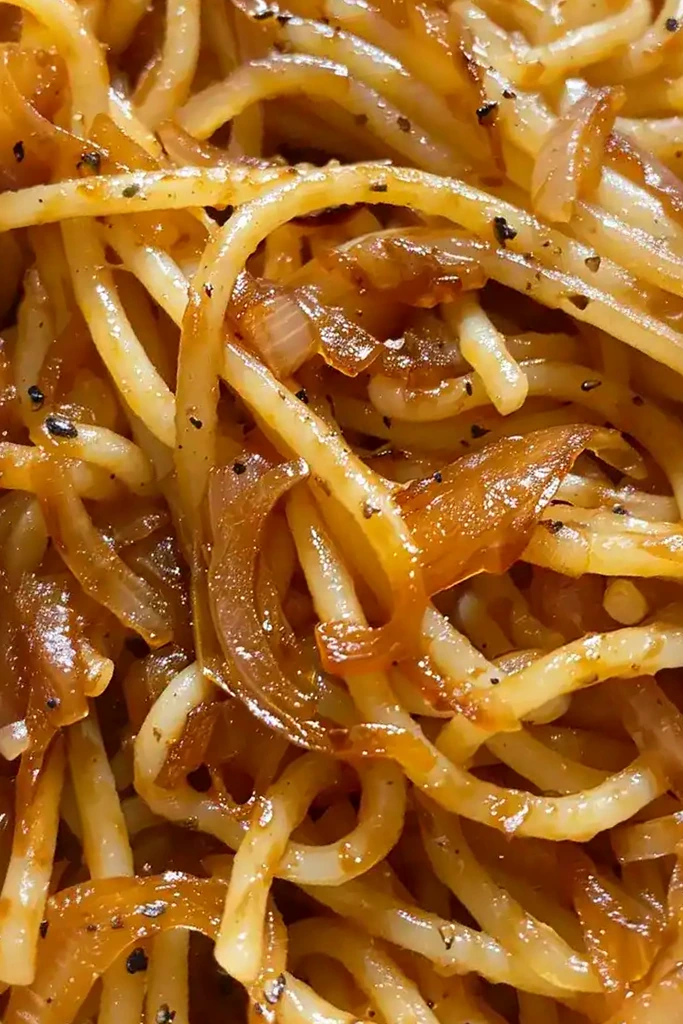
List of ingredients
- 2 large onions, thinly sliced – provides the base sweetness.
- 3 tablespoons olive oil – for sautéing and fat.
- 1 tablespoon butter – adds richness to the onions.
- 1 teaspoon sugar – helps accelerate the caramelization process.
- 1/2 teaspoon salt – enhances the natural flavors.
- 3 cloves garlic, minced – adds aromatic depth.
- 1/2 cup vegetable broth – used for deglazing the pan.
- 1/2 cup vegetable or chicken broth – used to build the sauce.
- 1/2 cup heavy cream – creates a creamy, luxurious texture.
- 1/2 cup grated Parmesan cheese – use microbial-rennet for a savory finish.
- 12 ounces pasta (such as fettuccine or spaghetti) – the hearty base.
- Salt and pepper – adjusted to taste.
- Fresh parsley, chopped – used for a fresh garnish.
step-by-step instructions
- Cook the Pasta: Bring a large pot of salted water to a boil. Cook the pasta according to the package instructions until al dente. Drain the pasta and set it aside for later.
- Caramelize the Onions: Heat olive oil and butter in a large skillet over medium heat. Add sliced onions, sugar, and salt. Cook for 25-30 minutes, stirring occasionally, until the onions are golden brown. Lower the heat if the onions begin to brown too quickly.
- Add Garlic: Stir in the minced garlic. Cook for 1-2 minutes until the garlic becomes fragrant.
- Deglaze the Pan: Pour in the first 1/2 cup of vegetable broth. Scrape the bottom of the skillet to release the browned bits. Simmer until the liquid has mostly evaporated.
- Add Broth and Cream: Pour in the remaining vegetable or chicken broth and the heavy cream. Stir well and simmer for about 5 minutes until the sauce thickens slightly.
- Add Cheese: Stir in the grated Parmesan cheese until it is fully melted and incorporated. Season with salt and pepper according to your preference.
- Combine Pasta and Sauce: Add the cooked pasta to the skillet. Toss thoroughly to ensure the pasta is evenly coated in the sauce.
- Serve: Divide the pasta into bowls. Garnish with chopped fresh parsley and extra Parmesan cheese if desired.
Expert Tips for Perfect Caramelization
Control the Heat for Even Browning
Maintain a medium to medium-low heat throughout the onion cooking process. High heat causes the onions to burn or char rather than caramelize, which results in a bitter taste. Patience is essential to allow the natural sugars to break down slowly.
Use a Wide-Bottomed Skillet
A large skillet provides more surface area for the onions to spread out. When onions are overcrowded in a small pan, they tend to steam in their own moisture rather than brown. A wider pan facilitates faster evaporation and more consistent color.
Stir at Regular Intervals
While you do not need to stir constantly, rotating the onions every few minutes ensures that all pieces hit the hot surface of the pan. This prevents the bottom layer from burning while the top layer remains raw. Consistent movement leads to a uniform golden-brown result.
Ingredient Alternatives
Replacing Heavy Cream with Half-and-Half
For a lighter version of the sauce, you can substitute heavy cream with half-and-half or whole milk. Note that the sauce will be thinner and less velvety than the original version. You may need to simmer the sauce for an extra minute to achieve the desired thickness.
Using Pecorino Romano for a Saltier Flavor
If you prefer a sharper, saltier taste, replace the Parmesan cheese with Pecorino Romano. Since Pecorino is naturally saltier, taste the sauce before adding any additional salt. This variation adds a bolder punch to the sweetness of the onions.
Using Vegetable Broth Instead of Wine
To keep the dish alcohol-free, use vegetable broth or a small amount of apple cider vinegar diluted with water for deglazing. This provides the necessary acidity to balance the sweetness of the caramelized onions. It effectively lifts the fond from the pan without changing the core flavor.
Flavor and Texture Variations
Adding Sautéed Mushrooms for Umami
Sauté sliced cremini or shiitake mushrooms before adding the onions to the pan. The earthy flavor of the mushrooms complements the sweetness of the caramelized onions. This addition also increases the heartiness of the meal.
Incorporating Fresh Thyme or Sage
Add a teaspoon of fresh thyme or sage leaves when you stir in the garlic. These herbs pair exceptionally well with alliums and cream. They introduce a woody, aromatic note that elevates the overall complexity of the sauce.
Stirring in Baby Spinach for Nutrition
Toss in two cups of fresh baby spinach just before adding the pasta to the skillet. The residual heat of the sauce will wilt the spinach in about one minute. This adds a pop of color and an extra serving of greens to the dish.
Optimal Serving Recommendations
Pair with Toasted Garlic Bread
Serve the pasta with slices of toasted baguette rubbed with garlic and olive oil. The crunch of the bread provides a contrast to the soft texture of the pasta and onions. It is also useful for scooping up any remaining sauce from the plate.
Serve Alongside a Peppery Arugula Salad
A simple side salad of arugula with a lemon-olive oil dressing balances the richness of the cream sauce. The peppery notes of the arugula cut through the heavy fats of the butter and cream. This creates a more balanced and refreshing meal.
Top with Grilled Chicken or Shrimp
For added protein, top the finished pasta with grilled chicken breast or seared shrimp. Season the protein with salt, pepper, and a hint of paprika to complement the sauce. This transforms the dish into a more substantial main course.
Storage and Reheating Guidelines
Proper Refrigeration Techniques
Store leftover pasta in an airtight container in the refrigerator for up to three to four days. To prevent the pasta from sticking together, you can toss it with a tiny bit of olive oil before storing. Keep the container sealed to prevent the sauce from drying out.
Reheating on the Stovetop
The best way to reheat this dish is in a skillet over low heat. Add a splash of water, milk, or vegetable broth to the pan to loosen the sauce. Stir gently until the pasta is heated through and the sauce returns to a creamy consistency.
Freezing the Sauce Separately
If you wish to freeze the meal, freeze the onion cream sauce separately from the pasta. Cook the pasta fresh when you are ready to eat. Reheat the frozen sauce in a pan and then toss in the freshly cooked noodles.
Common Cooking Troubleshooting
What to do if Onions Stick to the Pan
If the onions begin to stick or look too dry, add a tablespoon of water or broth to the skillet. This process, called deglazing, releases the browned bits and helps the onions cook evenly. It prevents the sugars from burning and sticking to the metal.
Correcting a Sauce That is Too Thin
If the sauce is too liquid after adding the cream and broth, simmer it for an additional few minutes without a lid. You can also stir in an extra tablespoon of Parmesan cheese to thicken it. The cheese acts as a natural emulsifier and thickener.
Managing Pasta Texture
Ensure the pasta is cooked slightly under the package directions, which is true al dente. The pasta will continue to cook for a minute or two once it is added to the simmering sauce. Overcooking the pasta in the pot will lead to a mushy final result.
Frequently Asked Questions
Can I use red onions for this recipe?
Yes, you can use red onions, but the flavor profile will be slightly different. Red onions have a sharper taste when raw and a distinct color when cooked. Yellow or sweet onions are generally recommended for the best sweetness.
How do I know the onions are fully caramelized?
The onions should be a deep golden brown and have a soft, jam-like consistency. They will emit a rich, sweet aroma and lose most of their raw pungency. This process typically takes at least 25 minutes on medium-low heat.
Can this dish be made without dairy?
You can replace the butter with olive oil and the heavy cream with full-fat coconut milk or a cashew-based cream. Use a nutritional yeast-based Parmesan alternative for the cheese. These swaps maintain the creamy texture while making the dish dairy-free.
Print
Creamy Caramelized Onion Pasta
- Total Time: 50 minutes
- Yield: 4 servings 1x
- Diet: Vegetarian
Description
Caramelized onion pasta is a dish that brings comfort and sophistication together in every bite. It’s easy to make, incredibly flavorful, and versatile enough to suit any palate.
Ingredients
- 2 large onions (thinly sliced)
- 3 tablespoons olive oil
- 1 tablespoon butter
- 1 teaspoon sugar
- 1/2 teaspoon salt
- 3 cloves garlic (minced)
- 1/2 cup vegetable broth (alcohol-free substitute)
- 1/2 cup vegetable or chicken broth
- 1/2 cup heavy cream
- 1/2 cup grated Parmesan cheese (made with microbial rennet)
- 12 ounces pasta (such as fettuccine or spaghetti)
- Salt and pepper (to taste)
- Fresh parsley (chopped for garnish)
Instructions
- Cook the Pasta: Bring a large pot of salted water to a boil. Cook the pasta according to the package instructions until al dente. Drain and set aside.
- Caramelize the Onions: In a large skillet, heat the olive oil and butter over medium heat. Add the sliced onions, sugar, and 1/2 teaspoon salt. Cook, stirring occasionally, for about 25-30 minutes until the onions are golden brown and caramelized.
- Add Garlic: Add the minced garlic to the skillet and cook for another 1-2 minutes until fragrant.
- Deglaze the Pan: Pour the vegetable broth into the skillet to deglaze, scraping up any browned bits from the bottom. Let it simmer for a few minutes until the liquid is mostly evaporated.
- Add Broth and Cream: Pour in the vegetable or chicken broth and heavy cream. Stir to combine and let it simmer for about 5 minutes until the sauce thickens slightly.
- Add Cheese: Stir in the grated Parmesan cheese until melted and well incorporated into the sauce. Season with salt and pepper to taste.
- Combine Pasta and Sauce: Add the cooked pasta to the skillet, tossing to coat the pasta evenly with the sauce.
- Serve: Divide the pasta among serving plates. Garnish with chopped fresh parsley and additional Parmesan cheese if desired.
Notes
Common Mistakes to Avoid: Rushing the onions (don’t cook them too quickly), overcooking pasta (al dente is key), and skipping the pasta water (it helps create a cohesive sauce).
- Prep Time: 10 minutes
- Cook Time: 40 minutes
- Category: Main Course
- Method: Stovetop
- Cuisine: Italian
Nutrition
- Serving Size: 1 serving
- Calories: 462 kcal
- Sugar: 6 g
- Sodium: 620 mg
- Fat: 22 g
- Saturated Fat: 11 g
- Unsaturated Fat: 10 g
- Trans Fat: 0 g
- Carbohydrates: 44 g
- Fiber: 4 g
- Protein: 14 g
- Cholesterol: 55 mg