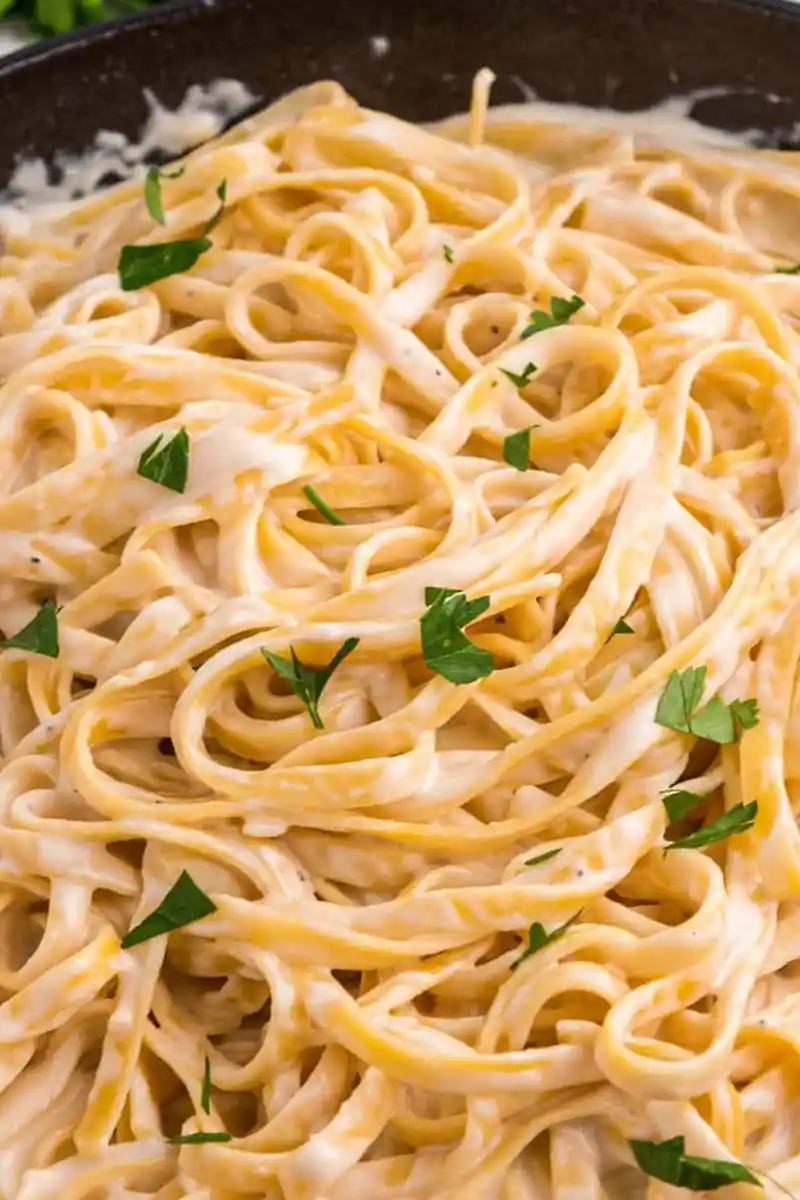
This homemade Alfredo sauce captures the luxurious, velvety texture and savory profile of the classic restaurant version using simple pantry staples. By balancing high-quality cream with sharp, authentic cheeses, you can create a restaurant-style experience directly in your home kitchen. It serves as an incredibly versatile foundation for countless meals, from quick weeknight pastas to sophisticated dinner party sides.
List of ingredients
- 6 Tablespoons butter
- 1 Tablespoon garlic, minced
- 2 ½ Tablespoons all-purpose flour
- 2 cups heavy cream
- 1 cup whole milk
- ¼ teaspoon black pepper
- ½ cup parmesan cheese, shredded
- 1 cup pecorino romano cheese, shredded
step-by-step instructions
- Step: In a medium-sized skillet, melt the butter over medium heat.
- Step: Add the minced garlic and heat until fragrant, about 2-3 minutes.
- Step: Sprinkle in the all-purpose flour and whisk until the mixture is well combined.
- Step: Gradually add the heavy cream, milk, and black pepper, whisking continuously until smooth.
- Step: Turn to low heat, add the parmesan and pecorino romano cheeses, and stir until the cheese is fully melted and combined into a smooth sauce.
Refining Your Technique
Achieving the Perfect Emulsion
The secret to a restaurant-quality texture is constant, gentle whisking during the integration of the cheese. Avoid rapid movements that introduce too much air, and focus on moving your whisk in steady circles to ensure every ounce of cheese melts uniformly into the cream base. If the sauce begins to bubble too aggressively, pull the pan off the heat immediately to prevent the fats from breaking.
Selecting High-Quality Cheeses
Using authentic, aged Pecorino Romano and Parmesan is critical because they lack the chemical coatings found in pre-shredded varieties. These industrial coatings are designed to keep shreds separate in the bag, but they interfere with proper melting and can leave your finished sauce with a gritty or sandy texture. Investing an extra minute to grate your own cheese blocks will provide a significantly smoother end result that coats your pasta evenly.
Monitoring Heat Levels Carefully
This sauce is highly sensitive to heat, and boiling is the primary enemy of a smooth Alfredo. The goal is to reach a gentle simmer, which is warm enough to melt the proteins in the cheese without causing the dairy solids to separate from the fat. If you notice the sauce thickening too quickly before the cheese has melted, remove the pan from the heat entirely and use the residual warmth to finish the process.
Creative Serving Suggestions
Pairing with Hearty Proteins
This sauce serves as an exceptional partner for seared protein options. Try topping your sauced fettuccine with grilled chicken strips seasoned simply with lemon zest and herbs, or add sautéed shrimp to pull out the subtle sweetness of the cream. For a more robust dish, pan-seared steak tips provide a savory contrast to the creamy pasta that stands up well to the sharp Romano notes in the sauce.
Integrating Fresh Seasonal Vegetables
If you want to lighten the dish, incorporate steamed or roasted vegetables directly into the skillet before tossing with the pasta. Asparagus tips, blanched broccoli florets, and roasted red bell peppers add vibrant color and fiber, creating a more balanced nutritional profile. Zucchini ribbons are another excellent choice, as they mirror the texture of the pasta and absorb the creamy sauce beautifully.
Managing Storage and Reheating
Safeguarding Leftovers
If you find yourself with extra sauce, transfer it to a glass jar with an airtight lid as soon as it cools to room temperature. Glass is preferred over plastic because it is less likely to retain the scent of the cheese or garlic over time. Store the jar in the back of your refrigerator, where the temperature remains most consistent, for up to four or five days.
Techniques for Gentle Reheating
When reheating, moisture loss is the biggest challenge, as the flour and cheese tend to tighten up. Always reheat your sauce on the stove over the lowest possible heat setting, adding a splash of whole milk or heavy cream one tablespoon at a time. Whisking continuously throughout the process will help re-emulsify the sauce and bring it back to its original, pourable consistency.
Troubleshooting Common Issues
Adjusting for Sauce Consistency
If your sauce appears too thick right after preparation, it is usually because the flour has continued to hydrate or the cheese has thickened the base as it cooled. You can easily adjust this by incorporating small amounts of room-temperature milk until the sauce reaches your preferred viscosity. Ensure you whisk thoroughly after every addition to maintain the smooth, glossy surface of the sauce.
Resolving Grainy Textures
Graininess usually signals that the cheese has not melted into the sauce correctly, often due to high heat or pre-packaged ingredients. If you encounter this, try whisking in a very small amount of warm cream while the skillet is removed from the burner to help smooth out the lumps. If the sauce remains grainy, it is likely that the cheese proteins have already curdled, so monitor your heat strictly in future attempts.
Correcting Bitter Undertones
Bitterness often stems from overcooking the garlic, which loses its sweet, aromatic character and develops a harsh, burnt flavor when left in the pan too long. If you suspect your sauce is slightly bitter, try balancing it with a very small pinch of sugar or a drop of fresh cream to round out the sharp edges. In the future, keep the heat low while sautéing the garlic and add the liquids the moment it becomes fragrant.
Frequently Asked Questions
Can this recipe be prepared in advance for a dinner party?
Yes, this sauce is excellent for meal prep because it holds up well in the refrigerator. You can prepare it a day or two ahead of time and store it in an airtight container, which allows the flavors of the garlic and Romano to deepen slightly. Just be prepared to add a little extra milk during the reheating process, as the sauce will naturally thicken as it sits in the cold.
What is the best way to freeze this sauce?
Freezing is a great way to keep a stash on hand, but keep in mind that the emulsion may be slightly more delicate upon thawing. Allow the sauce to cool completely before transferring it to a freezer-safe bag, pressing out as much air as possible to prevent freezer burn. Thaw it slowly in the refrigerator overnight before warming it gently on the stovetop to prevent it from breaking or separating.
Why should I avoid pre-shredded cheese?
Pre-shredded cheese is coated in potato starch or cellulose to prevent the shreds from clumping together in the package. When you attempt to melt this into a liquid sauce, these additives create a powdery barrier that prevents the cheese from becoming truly smooth, resulting in a sauce that is visually and texturally compromised. Freshly grated cheese melts clean and integrates perfectly, ensuring a truly silky texture.
Print
Copycat Olive Garden Alfredo Sauce
- Total Time: PT20M
- Yield: 6 servings 1x
- Diet: Vegetarian
Description
A rich, creamy, and cheesy homemade Alfredo sauce inspired by the classic restaurant version. Perfect for pasta, dipping breadsticks, or pairing with your favorite vegetables and proteins.
Ingredients
- 6 Tablespoons butter
- 1 Tablespoon garlic, minced
- 2 ½ Tablespoons all-purpose flour
- 2 cups heavy cream
- 1 cup whole milk
- ¼ teaspoon black pepper
- ½ cup parmesan cheese, shredded
- 1 cup pecorino romano cheese, shredded
Instructions
- Step: In a medium-sized skillet, melt the butter over medium heat.
- Step: Add the minced garlic and heat until fragrant, about 2-3 minutes.
- Step: Sprinkle in the all-purpose flour and whisk until the mixture is well combined.
- Step: Gradually add the heavy cream, milk, and black pepper, whisking continuously until smooth.
- Step: Turn to low heat, add the parmesan and pecorino romano cheeses, and stir until the cheese is fully melted and combined into a smooth sauce.
Notes
For the best texture, always grate your cheese from a block rather than using pre-shredded varieties, which contain anti-caking agents that prevent smooth melting. Keep the heat on low when adding cheese to prevent the sauce from separating or becoming grainy.
- Prep Time: PT5M
- Cook Time: PT15M
- Category: Side Dish
- Method: Stovetop
- Cuisine: Italian
Nutrition
- Serving Size: 1 serving
- Calories: 505 kcal
- Sugar: 4 g
- Sodium: 461 mg
- Fat: 48 g
- Saturated Fat: 30 g
- Unsaturated Fat: 14 g
- Trans Fat: 0.5 g
- Carbohydrates: 8 g
- Fiber: 0.1 g
- Protein: 12 g
- Cholesterol: 148 mg