This multi-purpose marinade creates tender, juicy chicken with a balanced sweet and savory profile. It is designed to work perfectly for grilling, roasting, or pan-searing any cut of poultry you have on hand.
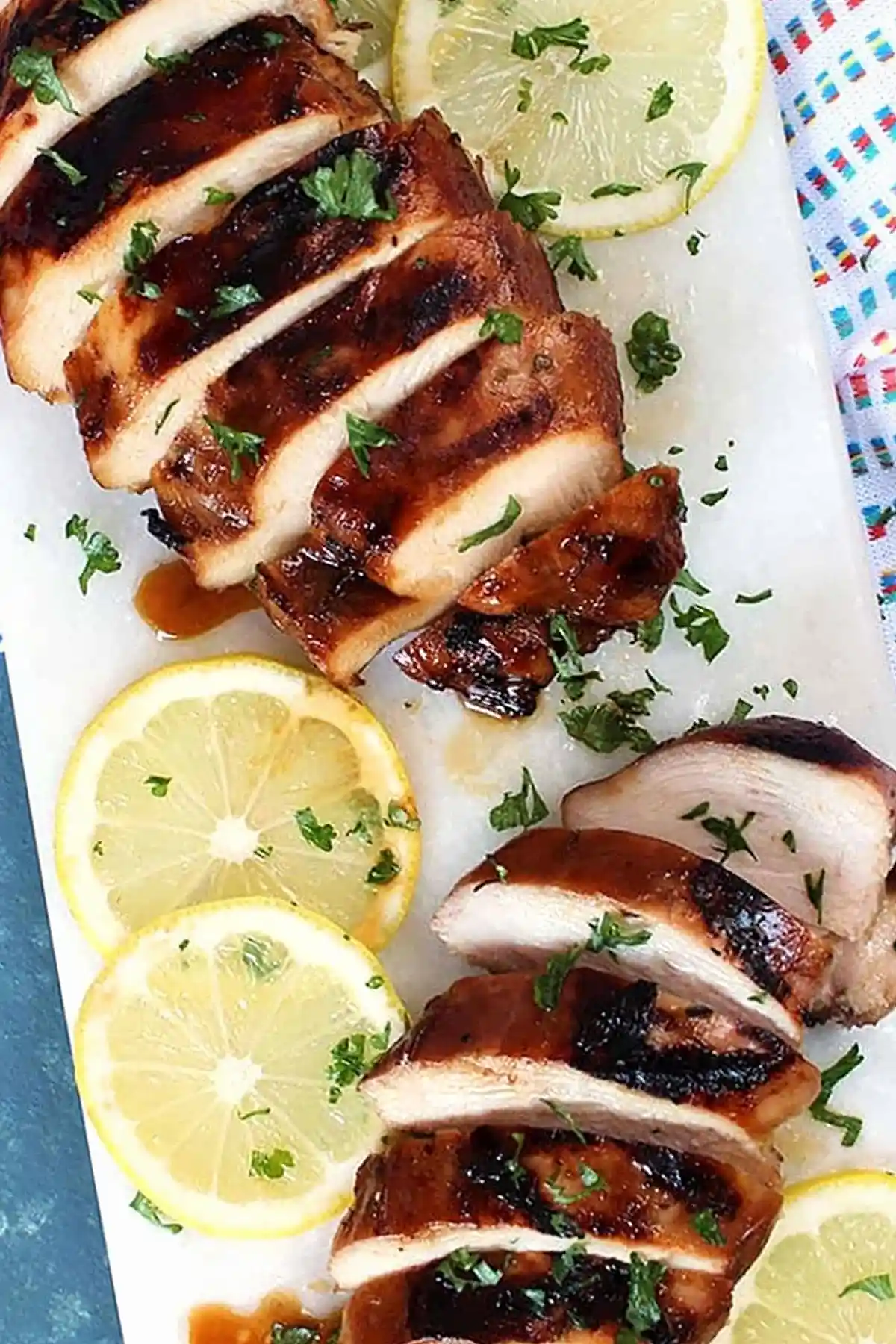
List of ingredients
- 1/2 cup olive oil – provides the necessary fat for moisture and heat conduction.
- 1/2 cup balsamic vinegar – adds a tangy acidity that tenderizes the meat.
- 1/4 cup soy sauce – contributes a rich umami saltiness to the blend.
- 1/4 cup honey – balances the acidity of the vinegar with natural sweetness.
- 1/4 cup brown sugar – helps the chicken caramelize and brown during cooking.
- 3 tbsp Worcestershire sauce – adds a complex, savory depth of flavor.
- 1 lemon, juice and zest – provides brightness and a citrusy aromatic quality.
- 3 tbsp Italian seasoning – delivers a blend of classic dried herbs.
- 2 tbsp garlic powder – adds a consistent, pungent garlic flavor throughout.
- 1 tbsp smoked paprika – introduces a subtle, woody smokiness.
- 2 tbsp kosher salt – essential for drawing flavors deep into the meat.
- 1 tbsp black pepper – provides a mild, earthy heat.
- 6 boneless, skinless chicken breasts (or 4 bone-in thighs and 4 bone-in chicken legs) – the main protein for marinating.
step-by-step instructions
- Prepare the marinade: In a large mixing bowl, whisk together the olive oil, balsamic vinegar, soy sauce, honey, brown sugar, Worcestershire sauce, lemon juice, lemon zest, Italian seasoning, garlic powder, smoked paprika, salt, and pepper until the mixture is fully combined.
- Bag the chicken: Place the chicken pieces into a large zip-top freezer bag. To prevent any accidental leaks in your refrigerator, place the zip-top bag inside a larger bowl or container.
- Combine and seal: Pour the prepared marinade over the chicken. Seal the bag tightly, pressing out as much air as possible to ensure the marinade makes full contact with all surfaces of the meat.
- Marinate: Place the bag in the refrigerator. Let the chicken marinate for a minimum of 1 hour and up to 24 hours for the most intense flavor.
- Prepare for cooking: Remove the chicken from the bag and discard the used marinade. Do not reuse marinade that has touched raw meat.
- To Grill: Heat your grill to medium-high. Cook boneless chicken for 4-5 minutes per side, or bone-in chicken for 7-8 minutes per side, until the internal temperature reaches 165°F.
- To Roast: Preheat your oven to 425°F. Arrange the chicken on a baking sheet lined with parchment paper or foil. Roast boneless chicken for 20 minutes or bone-in chicken for 35-40 minutes until fully cooked.
Ingredient Alternatives and Substitutions
Replacing the Cooking Oil
While extra-virgin olive oil provides a robust, peppery flavor, you can use neutral oils for a cleaner taste. Avocado oil is an excellent choice due to its high smoke point, which is ideal for high-heat grilling. Grapeseed oil is another alternative that will not compete with the balsamic and honey flavors.
Alternative Acidic Bases
Balsamic vinegar is preferred for its depth, but you can substitute it with other acids. Red wine vinegar offers a sharper tang, while a mixture of orange juice and lemon juice provides a fruitier, brighter profile. Ensure the ratio of acid to oil remains similar to maintain the tenderizing effect.
Umami and Salt Substitutes
If you need to replace soy sauce, coconut aminos are a great option for those avoiding soy. Fish sauce provides a similar salty depth but has a stronger aroma. For a salt-free alternative, a combination of mushroom powder and a small amount of water can mimic the savory quality of soy.
Different Sweetener Options
Honey adds a specific viscosity and floral sweetness, but maple syrup is a wonderful substitute. If you prefer a more caramel-like flavor, you can increase the brown sugar and omit the honey. For a refined sugar-free version, coconut sugar works well as a 1:1 replacement for brown sugar.
Fresh Herb Variations
Dried Italian seasoning is convenient, but fresh herbs elevate the dish. Try a mixture of finely chopped fresh parsley, oregano, and basil. If using fresh garlic instead of powder, mince four to six cloves to achieve a similar potency.
Optimal Marinating Times
Thinly Sliced Chicken Cutlets
Thinly sliced breasts or cutlets absorb flavor very quickly. For these cuts, 30 minutes to 2 hours is sufficient. Marinating them for too long in an acidic mixture can actually break down the muscle fibers too much, resulting in a mealy texture.
Whole Boneless Breasts
Whole breasts require more time for the marinade to penetrate the center of the meat. Aim for 4 to 8 hours for a balanced flavor. Overnight marinating is ideal for maximizing tenderness and ensuring the center is seasoned.
Bone-In Thighs and Legs
Bone-in meat is denser and takes longer to infuse. These cuts benefit from at least 6 to 12 hours in the refrigerator. You can leave them for up to 24 hours, which helps break down the tougher connective tissues found in dark meat.
The Maximum Marinating Limit
Do not exceed 24 to 48 hours of marinating. Because this recipe contains vinegar and lemon juice, the acid will eventually begin to “cook” the surface of the meat. This can lead to a mushy exterior and an unpleasant texture once the chicken is actually grilled or roasted.
Alternative Cooking Methods
Using an Air Fryer
Air frying is a fast way to get a caramelized exterior. Set the air fryer to 380°F and cook boneless breasts for 8-10 minutes, flipping halfway through. Let the meat rest for 5 minutes before slicing to keep the juices inside.
Instant Pot Pressure Cooking
For a faster result, sear the marinated chicken for 2 minutes per side using the Sauté function. Add a splash of water or broth, then cook on High Pressure for 6-8 minutes with a quick release. Finish the chicken under a broiler for 2-3 minutes to add color.
Slow Cooker Preparation
Place the marinated chicken in a slow cooker on LOW for 3-4 hours or HIGH for 1.5-2 hours. Since slow cooking doesn’t brown the meat, transfer the chicken to a broiler pan for a few minutes at the end to caramelize the sugars in the marinade.
Stovetop Pan-Searing
Heat a heavy skillet over medium-high heat with a tablespoon of oil. Sear the chicken for about 5-7 minutes per side for boneless cuts. Ensure the pan is hot before adding the meat to prevent the honey and sugar from sticking and burning.
Determining Meat Doneness
Internal Temperature Checks
The only foolproof way to ensure chicken is safe and juicy is using a digital meat thermometer. Insert the probe into the thickest part of the breast or the inner thigh, avoiding the bone. The chicken is perfectly done when it hits exactly 165°F (74°C).
Visual Color Cues
The exterior of the chicken should be a deep, mahogany brown due to the balsamic and sugar. When you cut into the thickest part, the meat should be opaque and white. Any pinkness in the center indicates that the chicken needs more time on the heat.
Analyzing the Juices
Press the meat gently with a fork or tongs. The juices that run out should be clear, not pink or rosy. If the juices are cloudy or tinged with red, return the chicken to the heat for a few more minutes.
Testing the Texture
Cooked chicken should feel firm to the touch but still have a slight spring. If the meat feels soft or spongy, it is undercooked. Conversely, if it feels very hard and resists pressure, it has likely been overcooked and may be dry.
Storage and Preservation
Refrigerating Raw Marinated Chicken
You can prepare your chicken and marinade up to 48 hours in advance. Keep the chicken in a sealed freezer bag and ensure it is stored in the coldest part of your refrigerator. Always store raw marinated meat on the bottom shelf to avoid cross-contamination.
Freezing for Future Meals
This marinade doubles as a great freezer prep. Place the raw chicken and the full amount of marinade in a heavy-duty freezer bag and freeze for up to one month. To cook, thaw the bag completely in the refrigerator overnight before grilling or roasting.
Storing Cooked Leftovers
Once cooked, store the chicken in an airtight container in the refrigerator for 3 to 5 days. Sliced chicken stays fresher when stored in a container with a tight seal to prevent it from drying out in the fridge air.
Proper Reheating Techniques
Avoid the microwave if possible, as it can make chicken rubbery. Instead, warm the chicken in a 325°F oven, covered with foil, for 8-12 minutes. Alternatively, heat it in a skillet over low heat with a tablespoon of chicken broth to restore moisture.
Serving and Pairing Suggestions
Fresh Vegetable Sides
The sweetness of the balsamic pairs well with crisp, acidic salads. Try serving the chicken with a cucumber-tomato salad, a creamy coleslaw, or grilled asparagus. These sides cut through the richness of the marinade.
Hearty Grain Accompaniments
For a more filling meal, serve the chicken over a bed of buttered rice pilaf or garlicky quinoa. Roasted potatoes with rosemary also complement the Italian seasoning in the marinade very well.
Creative Ways to Use Leftovers
Cold marinated chicken is excellent for lunches. Slice the leftovers thinly for chicken Caesar wraps, grain bowls, or a Mediterranean-style salad. The flavor remains bold even when the meat is served cold.
Using Resting Juices as Sauce
When the chicken rests after cooking, it releases flavorful juices on the plate. Spoon these juices over your rice or vegetables for an instant, concentrated sauce that enhances the entire meal.
Common Questions
Can I reuse the marinade?
No, you must discard any marinade that has touched raw chicken to prevent foodborne illness. If you want a sauce for serving, set aside a portion of the marinade before adding the chicken to the bag.
Can I bake the chicken from frozen?
It is highly recommended to thaw the chicken in the refrigerator first for the best texture. If you must bake from frozen, increase the cooking time and be aware that the exterior may not brown as deeply.
Why is my chicken drying out?
Drying usually occurs from overcooking. Use a meat thermometer to stop cooking exactly at 165°F and always let the meat rest for 5-10 minutes before cutting into it.
How do I prevent the honey from burning?
The sugars in honey and brown sugar can burn over extremely high heat. Keep your grill or pan at a steady medium-high temperature rather than maximum heat to ensure a slow, controlled caramelization.
Print
Comprehensive Honey Balsamic Chicken Marinade
- Total Time: 8 hours 40 minutes
- Yield: 8 servings 1x
- Diet: General
Description
Sweet and tangy, the very BEST Chicken Marinade makes the very BEST grilled chicken, oven roasted chicken or pan seared chicken around. The most versatile marinade in your kitchen arsenal.
Ingredients
- 1/2 cup olive oil
- 1/2 cup balsamic vinegar
- 1/4 cup soy sauce
- 1/4 cup honey
- 1/4 cup brown sugar
- 3 tbsp Worcestershire sauce
- 1 lemon, juice and zest
- 3 tbsp italian seasoning
- 2 tbsp garlic powder
- 1 tbsp smoked paprika
- 2 tbsp kosher salt
- 1 tbsp black pepper
- 6 boneless, skinless chicken breast (or 4 bone in thighs and 4 bone in chicken legs)
Instructions
- Whisk: In a large bowl, whisk together the olive oil, vinegar, soy sauce, honey, brown sugar, Worcestershire sauce, lemon juice, lemon zest, Italian seasoning, garlic powder, paprika, salt and pepper until combined.
- Bag: Place the chicken in a large zip top bag and place the bag in a large bowl to prevent leaking. Pour the marinade over the chicken and seal the bag pressing out as much air as possible.
- Marinate: Transfer the chicken to the refrigerator and marinade for 1-24 hours.
- Prepare: Remove the chicken from the bag and discard the marinade.
- Cook: Cook as desired. To grill: cook over medium-high heat for 4-5 minutes (boneless) or 7-8 minutes (bone-in), flip and cook for an additional 5-10 minutes. To roast: preheat oven to 425°F and roast for 20 minutes (boneless) or 35-40 minutes (bone-in).
Notes
Discard used marinade to ensure food safety. For best results, marinate boneless cuts for 3-12 hours and bone-in pieces for 6-24 hours. Minimum marination time is 30 minutes.
- Prep Time: 10 minutes
- Cook Time: 30 minutes
- Category: Dinner
- Method: Grilling or Roasting
- Cuisine: American
Nutrition
- Serving Size: 1 serving
- Calories: 318 kcal
- Sugar: 19 g
- Sodium: 2319 mg
- Fat: 15 g
- Saturated Fat: 2 g
- Unsaturated Fat: 13 g
- Trans Fat: 0 g
- Carbohydrates: 25 g
- Fiber: 1 g
- Protein: 19 g
- Cholesterol: 54 mg