This elegant shrimp stuffed flounder is a sophisticated yet simple seafood dish. It combines tender white fish with a savory, buttery shrimp filling for a restaurant-quality dinner. The combination of fresh herbs and lemon ensures a bright, clean flavor profile.
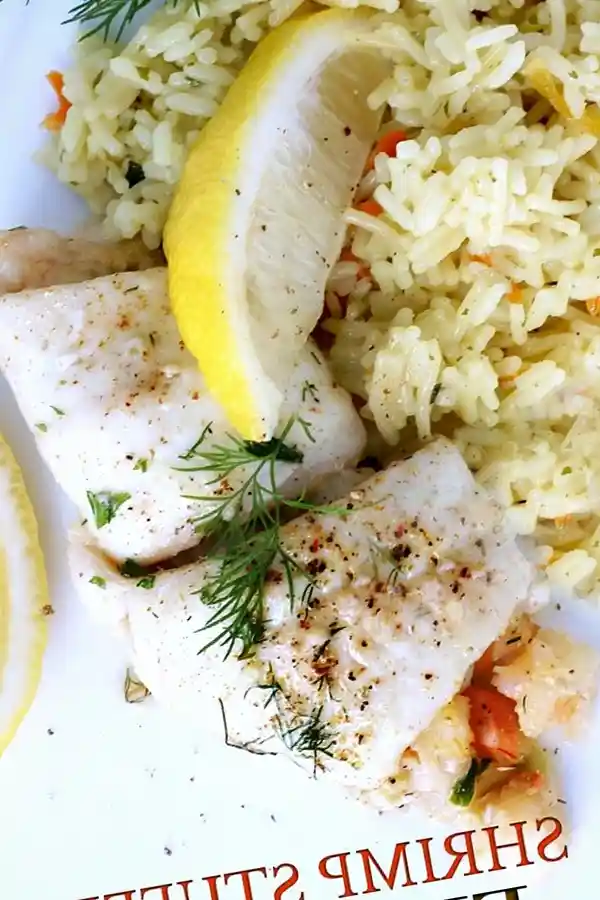
List of ingredients
- 6 tablespoons butter, cubed – used for sautéing vegetables.
- 1 small onion, finely chopped – adds a savory base.
- 1/4 cup celery, finely chopped – provides crunch and depth.
- 1/4 cup green pepper, finely chopped – adds a mild sweetness.
- 1 lb uncooked shrimp, peeled, deveined, chopped – the main stuffing protein.
- 1/4 cup vegetable broth – keeps the stuffing moist.
- 1 teaspoon diced pimientos, drained – adds color and a tangy flavor.
- 1 teaspoon Worcestershire sauce – enhances the savory umami notes.
- 1/2 teaspoon dill weed – provides a classic seafood pairing.
- 1/2 teaspoon chives, minced – adds a subtle onion-like brightness.
- 1/8 teaspoon salt – basic seasoning for the filling.
- 1/8 teaspoon cayenne pepper – adds a very light heat.
- 1-1/2 cups soft bread crumbs – binds the stuffing together.
- 6 flounder fillets, about 3 ounces each – the base of the dish.
- 5 tablespoons butter, melted – used for drizzling over the fish.
- 2 tablespoons lemon juice – adds acidity to balance the butter.
- 1 teaspoon fresh parsley, minced – for a fresh finish and garnish.
- 1/2 teaspoon paprika – adds a warm color and earthy flavor.
- Salt and pepper to taste – final seasoning for the fillets.
step-by-step instructions
- Preheat: Set your oven to 375°F to ensure it is fully heated before the fish goes in.
- Sauté Aromatics: Melt the cubed butter in a large skillet over medium heat. Add the chopped onion, celery, and green pepper, cooking until they are tender.
- Cook Shrimp: Add the chopped shrimp to the skillet. Stir constantly until the shrimp turn pink and are just cooked through.
- Season Filling: Stir in the vegetable broth, drained pimientos, Worcestershire sauce, dill, chives, salt, and cayenne pepper. Heat the mixture through for a couple of minutes.
- Bind Stuffing: Remove the skillet from the heat. Stir in the soft bread crumbs until the mixture is evenly combined and holds its shape.
- Stuff and Roll: Spoon approximately 1/2 cup of the shrimp stuffing onto each flounder fillet. Roll the fish up tightly and place it seam side down in a greased 9×13-inch baking dish.
- Season Top: Drizzle the melted butter and lemon juice over the rolled fillets. Sprinkle the minced parsley, paprika, salt, and pepper evenly over the top.
- Bake: Bake uncovered for 20 to 25 minutes. The fish is done when it flakes easily with a fork.
Recommended Side Dish Pairings
Steamed Green Beans with Lemon
Lightly steam fresh green beans until they are tender-crisp to provide a bright contrast to the rich filling. Toss them with a squeeze of fresh lemon juice and a pinch of salt immediately after cooking. This side dish mirrors the citrus notes in the fish and keeps the meal feeling light.
Glazed Honey Carrots
Sauté sliced carrots with a small amount of butter and honey until they are tender and caramelized. The natural sweetness of the carrots complements the savory brine of the shrimp stuffing. Serve them warm alongside the flounder for a colorful presentation.
Roasted Zucchini Slices
Slice zucchini into rounds and roast them with olive oil and garlic powder at the same temperature as the fish. This allows you to prepare two parts of the meal in the oven simultaneously. Zucchini adds a mild, earthy flavor that does not overpower the delicate flounder.
Mixed Green Salad with Vinaigrette
Create a fresh garden salad using a mix of spring greens, cucumbers, and cherry tomatoes. Use a light champagne or apple cider vinaigrette to keep the palate refreshed. A crisp salad balances the buttery nature of the stuffed fish.
Steamed Jasmine Rice
Prepare a pot of fluffy jasmine rice to serve as a bed for the stuffed flounder. The neutral flavor of the rice is excellent for absorbing the melted butter and lemon sauce from the pan. It provides a hearty base that makes the meal more filling.
Roasted Garlic Potatoes
Toss cubed gold potatoes with olive oil, minced garlic, and rosemary before roasting until golden brown. The starchiness of the potatoes pairs well with the lean protein of the seafood. These provide a rustic element to an otherwise elegant dinner.
Light Angel Hair Pasta
Toss cooked angel hair pasta with a small amount of olive oil, garlic, and fresh parsley. This thin pasta does not compete with the fish for attention but adds a satisfying texture to the plate. It is an ideal choice for those wanting a more traditional Italian-inspired accompaniment.
Ingredient Substitution Guide
Using Sole or Tilapia instead of Flounder
If flounder is unavailable, sole is the best alternative due to its similar thinness and mild flavor. Tilapia can also be used, though you may need to gently flatten the fillets with a mallet to make them easier to roll. Ensure the substitute fish is of a similar thickness to maintain the baking time.
Swapping Shrimp for Bay Scallops
Bay scallops can replace shrimp to create a different but equally luxurious stuffing. Chop the scallops finely so they integrate well with the bread crumbs and vegetables. Follow the same cooking process, ensuring the scallops are not overcooked during the sauté phase.
Gluten-Free Breadcrumb Alternatives
Replace traditional soft bread crumbs with almond meal or certified gluten-free bread crumbs. You may need to add an extra tablespoon of butter to ensure the stuffing remains moist. The texture will be slightly different, but the flavor remains consistent.
Using Dried Herbs instead of Fresh
If fresh herbs are unavailable, use dried dill and chives in a smaller quantity. Generally, one teaspoon of fresh herbs equals one-third of a teaspoon of dried herbs. Add the dried herbs during the broth stage to allow the flavors to hydrate and bloom.
Substituting Vegetable Broth for Other Liquids
While vegetable broth is recommended, a splash of dry white grape juice or a bit of clam juice can work. Clam juice will intensify the seafood flavor, while grape juice adds a subtle sweetness. Avoid using heavy creams which might make the stuffing too dense.
Pro Preparation Techniques
Dicing Vegetables for Uniform Cooking
Use a very sharp knife to mince the onion, celery, and green pepper into tiny, uniform pieces. Small dices ensure that the vegetables soften quickly and integrate seamlessly into the stuffing. This prevents large chunks of vegetables from disrupting the roll of the fish.
Preparing Shrimp for the Filling
Ensure shrimp are completely peeled and deveined before chopping them into small pieces. Small bits of shrimp distribute more evenly throughout the bread crumbs, ensuring every bite has protein. Pat the shrimp dry with a paper towel before adding them to the pan to prevent steaming.
Technique for Rolling Flounder Fillets
Place the stuffing slightly off-center on the fillet, leaving a small margin at the edges. Roll the fish tightly from one side to the other to encapsulate the filling. Placing them seam side down in the baking dish prevents them from unrolling during the baking process.
Selecting the Correct Baking Dish
A 9×13-inch glass or ceramic baking dish is ideal for this recipe as it distributes heat evenly. Ensure the dish is greased well with butter or oil to prevent the delicate fish skins from sticking. Space the rolls slightly apart to allow hot air to circulate around each fillet.
Testing for Fish Doneness
Insert a fork into the thickest part of the roll and gently twist; the fish should separate easily along its natural flakes. The internal temperature should reach 145°F for safety and optimal texture. Avoid overcooking, as flounder can become dry and rubbery very quickly.
Flavor Modifications
Increasing the Spice Level
For a spicier kick, increase the cayenne pepper to 1/4 teaspoon or add a pinch of crushed red pepper flakes. You can also add a dash of hot sauce to the vegetable broth mixture. These additions provide a warmth that cuts through the richness of the butter.
Adding a Cheesy Element
Stir in 1/4 cup of grated Parmesan or microbial-rennet Pecorino cheese into the stuffing after removing it from the heat. This adds a salty, nutty depth to the filling. The cheese also helps bind the stuffing more tightly during the rolling process.
Intensifying the Lemon Flavor
Add a teaspoon of lemon zest to the bread crumb mixture for a more concentrated citrus aroma. You can also serve the finished dish with extra lemon wedges on the side for fresh squeezing. The acidity helps brighten the flavor of the butter sauce.
Using Mixed Bell Peppers
Replace the green pepper with a mix of red, yellow, and orange bell peppers. This change adds a sweeter flavor profile and a more vibrant color to the stuffing. Red peppers, in particular, provide a richness that complements the shrimp.
Storage and Reheating Guide
Proper Refrigeration Steps
Allow the fish to cool to room temperature before transferring it to an airtight container. Store the leftovers in the coldest part of the refrigerator for no more than two days. Keep the sauce from the pan in a separate small container to drizzle over the fish when reheating.
Low-Temperature Oven Reheating
Place the leftover rolls in a covered baking dish and heat them in a 300°F oven. Covering the dish helps trap moisture, which prevents the flounder from drying out. Heat until the internal temperature is warm, usually about 10 to 15 minutes.
Microwave Reheating Precautions
If using a microwave, use a low-power setting and heat in 30-second intervals. Gently stir or rotate the fish to ensure even heating without overcooking the edges. Adding a small pat of butter on top before microwaving helps refresh the texture.
Freezing the Prepared Dish
This dish is not recommended for freezing after it has been baked, as the fish texture degrades. However, you can freeze the raw shrimp stuffing in an airtight bag for up to three months. Thaw the stuffing completely in the fridge before using it to stuff fresh fillets.
Troubleshooting Common Issues
Preventing Stuffing Leakage
If the stuffing leaks out, ensure you are rolling the fish tightly and placing it seam side down. If the stuffing is too loose, add an extra tablespoon of bread crumbs to increase the binding. Avoid overfilling the fillets to prevent the fish from tearing.
Stopping Overcooked Fish
Flounder is a thin fish and cooks very quickly. Start checking for flakiness at the 20-minute mark to avoid drying out the protein. If the fish looks opaque and flakes easily, remove it from the oven immediately.
Managing Excess Moisture in Filling
If the stuffing feels too wet, sauté the vegetables and shrimp for an extra two minutes to evaporate more liquid. You can also add a tablespoon more of bread crumbs to absorb excess broth. A dry stuffing is more likely to stay inside the roll.
Avoiding Stuck Fillets
If the fish sticks to the pan, ensure you have used enough grease on the bottom and sides of the dish. Avoid moving the fish until it has rested for five minutes after leaving the oven. This resting period allows the proteins to set, making them easier to lift.
Frequently Asked Questions
Can I use frozen fish fillets?
Yes, you can use frozen flounder, but they must be completely thawed. Thaw them slowly in the refrigerator overnight and pat them very dry with paper towels. Excess moisture from frozen fish can make the stuffing soggy.
How do I store the leftover filling?
Unused stuffing can be stored in an airtight container in the fridge for up to two days. It can be repurposed as a topping for baked potatoes or as a base for seafood cakes. Simply reheat it in a skillet with a little butter.
Can this recipe be made in a slow cooker?
This recipe is not suited for a slow cooker because the delicate fish would overcook and fall apart. The oven provides the necessary dry heat to set the rolls and brown the tops. Stick to baking for the best structural results.
What if I cannot find flounder?
If flounder is unavailable, look for other flat white fish such as sole, plaice, or turbot. These fish have a similar texture and mild taste. Just be mindful of the thickness and adjust your rolling technique accordingly.
Print
Baked Shrimp Stuffed Flounder
- Total Time: 45 minutes
- Yield: 6 servings 1x
- Diet: General
Description
A baked shrimp stuffed flounder recipe that is easy, elegant, and perfect for dinner. Tender flounder fillets are filled with a buttery shrimp stuffing, fresh herbs, and lemon, then baked until flaky and delicious.
Ingredients
- 6 tablespoons butter, cubed
- 1 small onion, finely chopped
- 1/4 cup celery, finely chopped
- 1/4 cup green pepper, finely chopped
- 1 lb uncooked shrimp, peeled, deveined, chopped
- 1/4 cup vegetable broth
- 1 teaspoon diced pimientos, drained
- 1 teaspoon Worcestershire sauce
- 1/2 teaspoon dill weed
- 1/2 teaspoon chives, minced
- 1/8 teaspoon salt
- 1/8 teaspoon cayenne pepper
- 1–1/2 cups soft bread crumbs
- 6 flounder fillets, about 3 ounces each
- 5 tablespoons butter, melted
- 2 tablespoons lemon juice
- 1 teaspoon fresh parsley, minced
- 1/2 teaspoon paprika
- Salt and pepper to taste
Instructions
- Preheat: Preheat oven to 375°F.
- Sauté: In a large skillet, melt butter. Add onion, celery, and green pepper. Cook until tender.
- Cook Shrimp: Add shrimp and cook, stirring, until shrimp turn pink.
- Season: Stir in broth, pimientos, Worcestershire sauce, dill, chives, salt, and cayenne. Heat through.
- Combine: Remove from heat and stir in bread crumbs until evenly combined.
- Stuff: Spoon about 1/2 cup of stuffing onto each flounder fillet. Roll up and place seam side down in a greased 9×13-inch baking dish.
- Finish: Drizzle with melted butter and lemon juice. Sprinkle with parsley, paprika, salt, and pepper.
- Bake: Bake uncovered for 20–25 minutes, or until fish flakes easily with a fork.
Notes
Allow the shrimp stuffed flounder to cool completely, then store in an airtight container in the refrigerator for up to 2 days. To reheat, place the fish in a covered baking dish and warm in a 300°F oven until heated through.
- Prep Time: 20 minutes
- Cook Time: 25 minutes
- Category: Main Course
- Method: Baking
- Cuisine: American
Nutrition
- Serving Size: 1 fillet
- Calories: 380 kcal
- Sugar: 4 g
- Sodium: 620 mg
- Fat: 24 g
- Saturated Fat: 13 g
- Unsaturated Fat: 11 g
- Trans Fat: 0 g
- Carbohydrates: 16 g
- Fiber: 2 g
- Protein: 22 g
- Cholesterol: 120 mg