This Italian shrimp pasta is a quick, high-protein dinner that comes together in under 20 minutes. It utilizes fresh tomatoes and garlic to create a light, savory sauce that coats the pasta perfectly.

List of ingredients
- 4 oz spaghetti pasta – use bronze-cut for better sauce adhesion.
- 2 tablespoons extra virgin olive oil – provides a fruity, peppery base.
- 3 cloves garlic – finely minced for even distribution.
- 4 oz Campari tomatoes – cut into thin wedges for quick breakdown.
- 1/4 cup chicken broth – adds savory depth to the sauce.
- 1/2 teaspoon chicken bouillon powder – enhances the umami flavor.
- 4 oz shrimp – peeled and deveined, or butterflied jumbo prawns.
- 3/4 teaspoon salt – adjust to taste.
- Freshly ground black pepper – used for seasoning.
- 1 teaspoon chopped Italian parsley – for a fresh finish.
step-by-step instructions
- Boil the pasta: Bring a large pot of salted water to a boil. Cook the spaghetti until it reaches an al dente texture, following the timing on the package.
- Sauté the aromatics: Heat extra virgin olive oil in a skillet over medium-low heat. Sauté the minced garlic until it sizzles, ensuring it does not brown or burn.
- Simmer the sauce: Add the Campari tomato wedges, chicken broth, and chicken bouillon powder to the skillet. Let the mixture simmer until it begins to bubble.
- Cook the shrimp: Add the shrimp to the bubbling sauce. Stir and cook until the shrimp are opaque and cooked through, and the tomatoes have broken down into a sauce.
- Combine ingredients: Toss the cooked spaghetti into the pan with the shrimp and sauce. Add salt and a generous amount of black pepper, stirring well to coat the noodles, then remove from heat.
- Garnish and serve: Sprinkle the chopped Italian parsley over the pasta and serve immediately.
Pasta Selection Guide
Prioritize Bronze-Cut Pasta
Bronze-cut pasta is extruded through bronze dies rather than Teflon, creating a rougher surface texture. This porous surface allows the light tomato and oil sauce to cling to the pasta more effectively than smooth pasta.
Dried Versus Fresh Pasta
Dried spaghetti is the authentic choice for this specific recipe because it maintains a firmer bite. This structural contrast complements the tender texture of the shrimp and prevents the dish from becoming mushy.
Alternative Long Pasta Shapes
While spaghetti is traditional, linguine or spaghettini are excellent alternatives. These shapes are designed for light, oil-based or fresh tomato sauces, providing a similar eating experience.
Monitoring Cooking Times
Always begin testing the pasta 1 to 2 minutes before the package indicates the al dente stage. This ensures the pasta does not overcook when it is subsequently tossed in the warm skillet sauce.
Ingredient Optimization
Selecting High-Quality Extra Virgin Olive Oil
Extra virgin olive oil is essential because its distinct fruity and peppery notes act as a primary flavor component. Since the sauce is light, lower-quality oils can make the dish taste greasy rather than fresh.
The Advantage of Campari Tomatoes
Campari tomatoes provide an ideal balance of sweetness and acidity. Their high juice content allows them to break down into a sauce quickly without requiring the addition of heavy cream or canned tomato paste.
Using Chicken Broth for a Savory Base
Chicken broth provides a rich, savory liquid that ties the garlic and tomatoes together. It adds a layer of complexity that water cannot provide, ensuring the sauce has a cohesive flavor profile.
Adding Depth with Chicken Bouillon
Chicken bouillon powder adds a concentrated burst of umami that salt alone cannot replicate. This makes the quick sauce taste as though it has been simmering for a much longer period.
Butterflying Jumbo Prawns
If using large prawns, slicing them open lengthwise (butterflying) increases the surface area. This allows the garlic sauce to penetrate the meat and ensures the shrimp cook evenly and quickly.
Cooking Techniques for Success
Properly Salting the Pasta Water
Pasta water should be salted generously to season the noodles from the inside out. This is the only opportunity to add salt directly to the pasta starch, which is critical for an authentic restaurant taste.
Controlling Garlic Temperature
Garlic should be sautéed over medium-low heat to prevent burning. Burnt garlic develops a bitter taste that can overpower the delicate sweetness of the fresh tomatoes and shrimp.
Identifying Perfectly Cooked Shrimp
Shrimp are done when they turn opaque and curl into a ‘C’ shape. If they curl tightly into an ‘O’ shape, they are likely overcooked and will have a rubbery texture.
Emulsifying the Sauce
Stirring the pasta vigorously in the skillet helps the starch from the noodles mingle with the olive oil and broth. This process creates a glossy emulsion that coats each strand of spaghetti.
Customizations and Substitutions
Preparing Frozen Shrimp
Frozen shrimp can be used if thawed completely and patted dry with paper towels. Adding wet or frozen shrimp to the pan releases excess water, which dilutes the sauce and lowers the cooking temperature.
Using Canned Tomatoes as a Substitute
Canned diced tomatoes can replace fresh ones if necessary, though the flavor will be heavier and more ‘cooked.’ To mimic the freshness of Campari tomatoes, add a small squeeze of lemon juice to the canned version.
Incorporating Spicy Heat
For a spicy version, add red chili flakes to the skillet while sautéing the garlic. This allows the heat to infuse into the olive oil, distributing the spice evenly throughout the entire dish.
Creating a Creamy Texture
To transform this into a creamy shrimp pasta, stir in two tablespoons of heavy whipping cream after the shrimp are cooked. This mellows the acidity of the tomatoes and creates a richer mouthfeel.
Vegetable Broth Alternatives
Vegetable broth is a suitable replacement for chicken broth for those avoiding poultry products. It maintains the savory base while keeping the flavor profile light and bright.
Storage and Reheating Guide
Refrigeration and Shelf Life
Store leftover shrimp pasta in an airtight container in the refrigerator for up to two days. Keep the container tightly sealed to prevent the pasta from drying out or absorbing fridge odors.
Optimal Reheating Methods
Reheat the pasta in a skillet over low heat rather than in a microwave. Adding a small splash of water or chicken broth helps loosen the sauce, preventing the shrimp from becoming rubbery.
Frequently Asked Questions
Can I use frozen shrimp for this recipe?
Yes, but they must be fully thawed and patted dry. If they are added while frozen, they will release too much moisture and dilute the tomato sauce.
Can I use canned tomatoes instead of fresh?
You can, but fresh Campari or cherry tomatoes are preferred for a bright, light flavor. Canned tomatoes result in a thicker, more traditional red sauce.
How do I add more heat to the dish?
Add a pinch of crushed red pepper flakes during the garlic sauté phase. This infuses the oil with heat before the other ingredients are added.
Is it possible to make this recipe creamy?
Yes, stirring in a small amount of heavy cream or a tablespoon of mascarpone cheese at the end will create a creamy tomato sauce.
What is the best way to store leftovers?
Place the pasta in an airtight container and refrigerate for no more than 48 hours.
How should I reheat leftover shrimp pasta?
Use a pan over low heat with a teaspoon of water or broth to refresh the sauce and gently warm the shrimp.
What are the calories per serving?
This recipe contains approximately 405 calories per serving.
Serving Suggestions
Ideal Bread Pairings
Serve this pasta with toasted garlic bread or a slice of focaccia. The porous bread is perfect for soaking up the remaining garlic and tomato oil from the plate.
Complementary Side Dishes
A simple side of sautéed spinach or a crisp arugula salad with lemon vinaigrette balances the richness of the pasta. Boiled potatoes with fresh parsley also provide a hearty addition to the meal.
Plating for Presentation
Twirl the pasta into a high mound in the center of the plate using a carving fork. Arrange the shrimp on top and finish with a final sprinkle of fresh parsley and cracked black pepper.
Print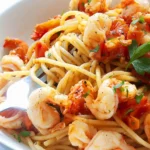
Authentic Italian Shrimp Pasta
- Total Time: 20 minutes
- Yield: 2 servings 1x
- Diet: General
Description
This easy Italian shrimp pasta is one of the best shrimp pasta recipes ever! Fresh tomatoes and garlic create a light homemade tomato sauce that is bright, savory, and ready in under 20 minutes.
Ingredients
- 4 oz spaghetti pasta
- 2 tablespoons extra virgin olive oil
- 3 cloves garlic (finely minced)
- 4 oz Campari tomatoes (cut into thin wedges)
- ¼ cup chicken broth
- ½ teaspoon chicken bouillon powder
- 4 oz shrimp (peeled and deveined, or jumbo prawn, butterflied)
- ¾ teaspoon salt (or more to taste)
- freshly ground black pepper
- 1 teaspoon chopped Italian parsley
Instructions
- Step: Bring a pot of salted water to a boil. Cook the spaghetti until al dente, according to the package instructions.
- Step: In a skillet or pan over medium-low heat, add the extra virgin olive oil. Sauté the garlic until sizzling but not browned. Add the tomatoes, chicken broth, and chicken bouillon. Once it starts to bubble, add the shrimp. Cook and stir until the shrimp are cooked through and the tomatoes break down.
- Step: Add the spaghetti, salt, and a generous dose of freshly ground black pepper. Stir to combine well, then turn off the heat.
- Step: Top the shrimp pasta with chopped Italian parsley and serve immediately.
Notes
For best results, use bronze-cut pasta so the sauce clings better. Campari tomatoes provide a great balance of sweetness and acidity. If using jumbo prawns, butterfly them for faster, more even cooking.
- Prep Time: 10 minutes
- Cook Time: 10 minutes
- Category: Pasta
- Method: Sauté & simmer
- Cuisine: Italian
Nutrition
- Serving Size: 1 serving
- Calories: 405 kcal
- Sugar: 3 g
- Sodium: 1075 mg
- Fat: 16 g
- Saturated Fat: 2 g
- Unsaturated Fat: 12 g
- Trans Fat: 0 g
- Carbohydrates: 46 g
- Fiber: 3 g
- Protein: 20 g
- Cholesterol: 91 mg