Cooking frozen chicken directly in your air fryer is an efficient way to get a nutritious, protein-packed dinner on the table without needing to remember to thaw your meat in advance. This method utilizes high-heat convection technology to cook the chicken evenly from the outside in, ensuring the center reaches a safe temperature while maintaining a succulent texture. By following this straightforward technique, you can skip the lengthy defrosting wait times and enjoy restaurant-quality results in less than thirty minutes.
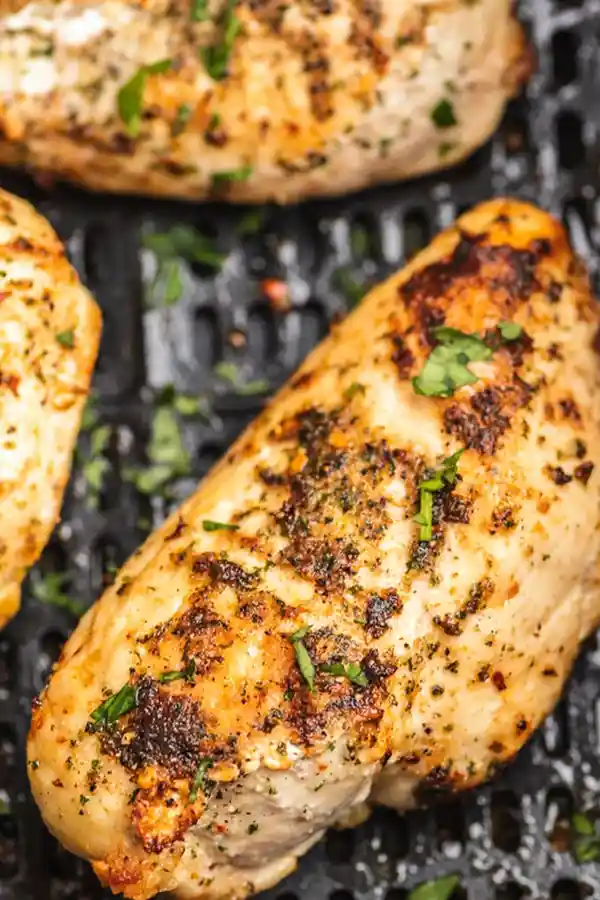
List of ingredients
- 3 Frozen boneless skinless chicken breast
- 1 tsp dried parsley
- 1 tsp onion granules
- 1 tsp garlic granules
- 1 tsp red pepper flakes
- Salt and freshly ground black pepper to taste
- Cooking oil spray
step-by-step instructions
- Step: In a small mixing bowl, combine parsley, garlic granules, onion granules, red pepper flakes, salt, and black pepper and set aside.
- Step: Spray the chicken breast all around with some cooking oil spray then sprinkle the seasoning mix all over it.
- Step: Spray the air fryer basket with oil, then place the seasoned frozen chicken breast in the air fryer basket.
- Step: Cook for 15 minutes at 400°F (200°C), flip, and cook for an additional 5 minutes or until the internal temperature registers 165°F (73°C).
- Step: Carefully transfer to a plate, cover with aluminum foil loosely, and rest for 5 minutes before serving.
Mastering the air frying technique
The primary advantage of the air fryer is its ability to replicate the effects of convection baking in a compact footprint. When cooking chicken from a frozen state, the moisture content is significantly higher than that of fresh meat, which is why temperature management is critical. If your air fryer is small, be particularly careful not to crowd the basket, as steam buildup can result in rubbery skin instead of the desired tender texture. Always focus on maintaining a single, flat layer so the intense heat can penetrate the center of the breasts uniformly.
Selecting the right chicken size
Uniformity is the secret to successful air frying, especially when working with frozen goods. Try to select chicken breasts that are similar in weight and thickness when purchasing them, as varying sizes will lead to uneven cooking times where the thinner edges dry out before the thickest part reaches 165F. If you have an oversized chicken breast, consider using a sharp knife to slice it into two thinner pieces before freezing, or adjust your cooking times based on the weight of the smallest piece in the basket.
The importance of heat circulation
Because the air fryer relies on high-velocity hot air circulating around the food, any obstacle can create cold zones. Never stack chicken breasts on top of each other, as the internal portions of the stacked pieces will remain undercooked even while the exterior appears browned. If you are cooking more than three pieces, it is highly recommended to perform the task in two separate batches rather than attempting to overload the basket, which ultimately saves time by avoiding the need for guesswork or additional cooking cycles.
Refining your seasoning profiles
While the combination of onion and garlic granules provides a classic savory profile, the beauty of this basic recipe lies in its versatility. You can adapt the flavor profile to match different cuisines without changing the mechanical process of the cooking. For instance, incorporating smoked paprika can add a hint of barbecue flavor, while dried oregano or basil can shift the palate toward a Mediterranean influence. Always ensure your dried herbs are not expired, as stale seasonings will fail to bloom under the high heat of the air fryer.
Managing heat intensity with peppers
The red pepper flakes in this recipe are meant to provide a subtle baseline heat, but they react differently depending on the brand and freshness of the spice. If you prefer a more pronounced spicy kick, you can add a pinch of cayenne powder alongside the flakes. Conversely, for a completely mild version suitable for younger children, simply omit the flakes entirely or replace them with a touch of sweet paprika to maintain color without the heat.
Balancing salt levels
Since frozen chicken often contains a small amount of moisture or added brine during the industrial flash-freezing process, it is wise to start with a modest amount of salt. You can always season the finished product with flaky sea salt after slicing if you find the flavor needs an extra pop. Relying on garlic and onion granules rather than garlic salt also gives you more control over the sodium content of your meal, allowing you to tailor the seasoning to strict dietary requirements.
Common queries regarding frozen poultry
Can I cook frozen chicken without oil?
While it is technically possible to skip the oil, using a light coating of cooking spray significantly improves the aesthetic appeal and texture of the chicken. Oil helps conduct heat directly onto the surface of the meat, facilitating the development of a slight crust that traps moisture inside. Without this thin barrier, the surface of the chicken is more likely to develop a grey, steamed appearance rather than a appetizing golden hue.
Why does my chicken look grey after cooking?
If your chicken appears pale or grey, it is usually an indicator that the air fryer was either overcrowded or the temperature was too low to effectively sear the surface. The moisture escaping from the frozen cells needs sufficient hot air to evaporate quickly; if the air flow is blocked, the chicken essentially poaches in its own liquid. Ensure that you have a minimum of one inch of space between each piece of chicken and around the sides of the basket for the best results.
Is it safe to air fry frozen meat?
Air frying frozen chicken is entirely safe as long as you ensure the internal temperature reaches 165F (73C). The intensity of the heat produced by the element at the top of the air fryer ensures that the chicken moves through the food safety danger zone rapidly. Always verify the temperature with a reliable digital meat thermometer, as visual cues can be misleading when the outside of the chicken appears fully cooked while the core remains icy.
Optimizing your prep and storage
Meal preparation is one of the most practical applications for this air frying method, as it allows you to produce high volumes of cooked protein with minimal intervention. Once the chicken has cooled to room temperature, you can store it in airtight containers to prevent it from drying out. This pre-cooked chicken is an ideal foundation for salads, grain bowls, or wraps throughout the week, serving as a ready-to-eat ingredient that saves hours of cooking time on busy weeknights.
Maximizing shelf life in the refrigerator
To keep the meat as tender as possible, store the cooked chicken breasts in a container with a tight-fitting lid or wrapped tightly in high-quality plastic film. Keeping the air exposure to a minimum prevents the oxidation that often makes leftover chicken taste metallic or dry. When properly sealed, the cooked chicken will maintain its quality for up to three days, though it is usually best consumed within the first forty-eight hours for peak freshness and texture.
Best ways to reheat leftovers
Reheating is a delicate process because you want to warm the meat without initiating a second cooking cycle that will turn it tough. Using the microwave at fifty percent power is generally effective, provided you add a tiny splash of water or broth to the container to create a humid environment. If you prefer the air fryer, set the temperature to a low 300F and heat for only two to three minutes, keeping a very close eye on the meat to ensure it does not lose its residual juiciness.
Practical tips for consistent success
Achieving the perfect texture starts with the initial freezing process. If you are freezing fresh chicken yourself, lay the breasts out in a single layer on a parchment-lined sheet pan until fully frozen before transferring them to a heavy-duty freezer bag. This prevents the breasts from clumping together into a single block, which would make them impossible to air fry individually. Individual freezing ensures that each piece is coated evenly by the seasoning and exposed uniformly to the hot air circulation inside the machine.
Avoiding the common pitfalls of air frying
Many home cooks make the mistake of setting the air fryer to the maximum possible temperature, thinking it will compensate for the frozen state of the meat. High temperatures can cause the surface to burn before the heat can travel to the center, leading to an unpleasant charred exterior and a raw interior. Adhering to the 400F (200C) standard provides the perfect balance between surface browning and steady, thorough heat penetration, making it the most reliable setting for standard-sized chicken breasts.
When to use a meat thermometer
Relying on timing alone is never as accurate as using a meat thermometer, especially since every air fryer model has different heating element efficiency. A digital probe thermometer is a minor investment that guarantees your food safety and prevents the disappointment of overcooked, dry poultry. By checking the internal temperature during the final minutes of cooking, you can adjust the remaining time precisely, ensuring the meat is pulled from the heat the moment it reaches the ideal internal milestone.
Refining the resting period
The five-minute resting time mentioned in the instructions is not optional. During the high-heat cooking process, the juices in the chicken are forced toward the center. If you slice into the meat immediately upon removing it from the air fryer, those juices will run out onto the cutting board, leaving the meat fibers dry and unappetizing. Letting the chicken sit allows the fibers to relax and reabsorb the juices, resulting in a consistent level of tenderness across every single bite.
Print
Air Fryer Frozen Chicken Breast
- Total Time: 25 minutes
- Yield: 3 servings 1x
- Diet: Gluten-Free, Dairy-Free
Description
This air fryer frozen chicken breast is made with 6 pantry staple ingredients. It is quick, easy, and delicious. The chicken breast comes out tender and juicy at all times and it is ready in no time too.
Ingredients
- 3 Frozen boneless skinless chicken breast
- 1 tsp dried parsley
- 1 tsp onion granules
- 1 tsp garlic granules
- 1 tsp red pepper flakes
- Salt and freshly ground black pepper to taste
- Cooking oil spray
Instructions
- Step: In a small mixing bowl, combine parsley, garlic granules, onion granules, red pepper flakes, salt, and black pepper and set aside.
- Step: Spray the chicken breast all around with some cooking oil spray then sprinkle the seasoning mix all over it.
- Step: Spray the air fryer basket with oil, then place the seasoned frozen chicken breast in the air fryer basket.
- Step: Cook for 15 minutes at 400°F (200°C), flip, and cook for an additional 5 minutes or until the internal temperature registers 165°F (73°C).
- Step: Carefully transfer to a plate, cover with aluminum foil loosely, and rest for 5 minutes before serving.
Notes
Store leftovers in an airtight container in the fridge for up to 3 days. To reheat, microwave for a few seconds or warm briefly in the air fryer, taking care not to overcook.
- Prep Time: 5 minutes
- Cook Time: 20 minutes
- Category: Entree
- Method: Air Frying
- Cuisine: American, British
Nutrition
- Serving Size: 1 breast
- Calories: 265 kcal
- Sugar: 1 g
- Sodium: 274 mg
- Fat: 6 g
- Saturated Fat: 1 g
- Unsaturated Fat: 4 g
- Trans Fat: 0 g
- Carbohydrates: 2 g
- Fiber: 1 g
- Protein: 48 g
- Cholesterol: 145 mg