Transform ordinary poultry into a culinary highlight with this versatile, flavor-forward marinade designed to keep your chicken succulent and aromatic. By combining pantry staples that balance acidity, sweetness, and deep savory notes, you can ensure every bite of your next meal is packed with character and consistent moisture. This straightforward approach requires minimal prep time, making it an ideal candidate for busy weekday schedules or weekend outdoor gatherings.
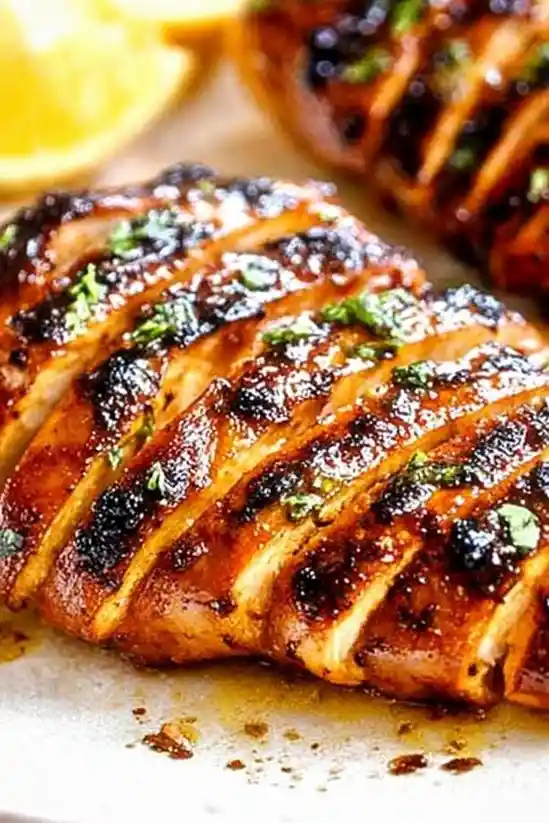
List of ingredients
- 1.5 pounds boneless skinless chicken breasts or thighs (pounded to an even thickness)
- 1/3 cup avocado oil
- 3 tablespoons lemon juice
- 2 tablespoons reduced sodium soy sauce
- 2 tablespoons balsamic vinegar
- 2 tablespoons brown sugar
- 1 tablespoon Dijon mustard
- 1 1/2 teaspoons onion powder
- 1 1/2 teaspoons garlic powder
- 1 1/2 teaspoons salt
- 1 teaspoon dried basil
- 1 teaspoon dried oregano
- 1 teaspoon dried thyme
- 1 teaspoon paprika
- 1/2 teaspoon cayenne pepper
- 1/2 teaspoon red pepper flakes
step-by-step instructions
- Step: Mix the ingredients in a bowl or freezer bag. Immerse the chicken, ensuring thorough coating. Allow it to marinate for at least 30 minutes or up to 12 hours for more depth.
- Step: Keep the marinated chicken out of the fridge for about 15-30 minutes before cooking, allowing the flavors to meld and the chicken to reach even temperature.
- Step: Cook the chicken on your preferred method—grill, bake, or pan-sear—until it’s golden and reaches an internal temperature of 165°F.
Practical Preparation Strategies
Maintaining Even Thickness for Consistent Results
Use a kitchen mallet or the bottom of a heavy skillet to gently pound your chicken pieces until they have a uniform thickness across the entire surface. This prevents thinner sections of the meat from drying out while waiting for the thicker parts to reach the required safety temperature. Uniformity is the single most important factor in achieving perfectly cooked, juicy chicken.
The Role of Acid in Tenderization
The combination of lemon juice and balsamic vinegar in this marinade provides essential acidity that helps break down surface proteins. This chemical interaction ensures the chicken remains tender even after exposure to high cooking heat. Avoid marinating for longer than 12 hours, as excessive exposure to strong acids can eventually change the texture of the meat to a mealy consistency.
Selecting the Right Oil
Avocado oil is the preferred choice for this recipe due to its high smoke point, which makes it incredibly stable for grilling or pan-searing. If you choose to substitute with extra virgin olive oil, keep the heat at a medium level to prevent the oil from burning and becoming bitter. Always ensure your chosen fat is fully incorporated with the soy sauce and vinegar before introducing the chicken to the mixture.
Refining Your Flavor Profile
Balancing Sweetness and Savory Heat
The brown sugar in this recipe is crucial for promoting beautiful browning on the grill, as the sugars caramelize when they hit high heat. If you find the flavor too sweet, you can reduce the sugar by half and increase the Dijon mustard to compensate for the lost complexity. For those who enjoy a more pronounced spicy profile, doubling the amount of red pepper flakes adds a delightful persistent heat that pairs well with the vinegar.
Enhancing with Fresh Aromatics
While dried herbs like basil and oregano provide a solid base, incorporating fresh ingredients just before serving can elevate the dish. A garnish of freshly chopped flat-leaf parsley or minced chives adds a bright, clean finish that cuts through the richness of the marinade. If you choose to add fresh garlic instead of powder, use it sparingly, as fresh garlic can burn more easily when searing on high heat.
Optimizing Cooking Techniques
Achieving the Perfect Exterior Sear
To get that highly desirable charred look on your chicken without burning the sugar content, ensure your grill grates are thoroughly cleaned and oiled before you start. Pat the chicken slightly dry of excess liquid if you are using an extremely high-heat searing method. This allows the surface to brown efficiently rather than steaming in the residual moisture of the marinade.
Checking for Proper Doneness
Always rely on a digital instant-read thermometer rather than visual cues like juices running clear or the color of the meat. Insert the probe into the thickest part of the chicken breast or the center of the thigh to ensure you hit the 165°F mark exactly. Overcooking even by a few minutes can lead to dryness, so pulling the meat off the heat immediately upon reaching this temperature is vital.
Managing Storage and Efficiency
Proper Refrigeration of Leftover Components
If you have leftover marinated chicken that you haven’t cooked yet, it must be stored in the coldest part of your refrigerator for no longer than 24 hours. Once the chicken is cooked, store any remaining portions in airtight containers to prevent them from drying out in the fridge. Properly sealed, the cooked chicken will maintain its quality and food safety for up to three days.
Freezing Grilled Chicken
If you intend to freeze the chicken, cool it to room temperature before placing it into freezer-safe bags. Squeezing as much air out of the bag as possible helps prevent ice crystal formation, which is the primary cause of freezer burn. You can keep this chicken in the freezer for up to three months without a significant degradation in flavor or texture.
Effective Reheating Methods
To reheat, avoid using a microwave if you want to maintain the texture of the meat. Instead, place the chicken in a skillet over low heat with a small splash of water or broth to create a steam effect. Covering the pan for a few minutes will warm the chicken through gently without drawing out the internal moisture, effectively mimicking the juiciness of freshly grilled chicken.
Addressing Common Kitchen Queries
How can I make this recipe for a smaller group?
You can easily halve the ingredients if you are only preparing a meal for two or three people. The ratios provided are flexible enough that minor adjustments will not compromise the final result. Keep the marinating time consistent, as the intensity of the flavor transfer depends more on the surface area of the chicken than the total volume of marinade.
Can this be used for slow cooking?
This marinade is highly effective for slow cooking, as the balsamic vinegar and soy sauce provide a rich, braising-like liquid. When using a slow cooker, you do not need to discard the marinade. You can add a small amount of vegetable broth to the vessel to ensure the chicken stays submerged throughout the cooking cycle, which will result in a shredded chicken consistency perfect for sandwiches or tacos.
Why is my chicken browning too fast?
Rapid browning is usually the result of the sugar content in the brown sugar and balsamic vinegar caramelizing under very high heat. If your chicken is darkening too quickly, move it to a cooler area of the grill or reduce the burner temperature. Cooking over indirect heat after getting an initial sear is a professional technique for managing sugars in a marinade effectively.
What should I do if I forget to thaw the chicken?
If your chicken is frozen, it is unsafe to marinate it immediately because the marinade will not penetrate the ice. Use a quick-thaw method by placing the sealed package in a bowl of cold water, changing the water every 30 minutes. Once the chicken is fully thawed, you can proceed with the marinating instructions as listed to ensure the flavor profiles are correctly developed.
Print
Savor-Packed Grilled Chicken Marinade
- Total Time: 17 minutes
- Yield: 6 servings 1x
- Diet: Gluten-free friendly
Description
Say goodbye to dull chicken! My favorite marinade blends tangy and sweet notes, perfect for sandwiches or salads. It’s quick, easy, and made from pantry staples!
Ingredients
- 1.5 pounds boneless skinless chicken breasts or thighs (pounded to an even thickness)
- 1/3 cup avocado oil
- 3 tablespoons lemon juice
- 2 tablespoons reduced sodium soy sauce
- 2 tablespoons balsamic vinegar
- 2 tablespoons brown sugar
- 1 tablespoon Dijon mustard
- 1 1/2 teaspoons onion powder
- 1 1/2 teaspoons garlic powder
- 1 1/2 teaspoons salt
- 1 teaspoon dried basil
- 1 teaspoon dried oregano
- 1 teaspoon dried thyme
- 1 teaspoon paprika
- 1/2 teaspoon cayenne pepper
- 1/2 teaspoon red pepper flakes
Instructions
- Step: Mix the ingredients in a bowl or freezer bag. Immerse the chicken, ensuring thorough coating. Allow it to marinate for at least 30 minutes or up to 12 hours for more depth.
- Step: Keep the marinated chicken out of the fridge for about 15-30 minutes before cooking, allowing the flavors to meld and the chicken to reach even temperature.
- Step: Cook the chicken on your preferred method—grill, bake, or pan-sear—until it’s golden and reaches an internal temperature of 165°F.
Notes
This marinade transforms any chicken dish with its savory, sweet, and tangy profile. While you can use soy sauce and balsamic for a classic touch, feel free to switch things up with avocado oil for a slightly different flavor profile!
- Prep Time: 5 minutes
- Cook Time: 12 minutes
- Category: Lunch
- Method: Grilling
- Cuisine: American
Nutrition
- Serving Size: 1 serving
- Calories: 280 kcal
- Sugar: 4 g
- Sodium: 780 mg
- Fat: 16 g
- Saturated Fat: 2.5 g
- Unsaturated Fat: 12 g
- Trans Fat: 0 g
- Carbohydrates: 6 g
- Fiber: 1 g
- Protein: 26 g
- Cholesterol: 85 mg