When the schedule is packed and time is at a premium, this slow-cooked tropical chicken provides a reliable, comforting solution that requires minimal effort. By combining savory aromatics with the natural sweetness of pineapple, you create a succulent meal that practically cooks itself while you manage your daily responsibilities. This set-and-forget preparation ensures that a flavorful, family-friendly dinner is ready the moment you walk through the door.
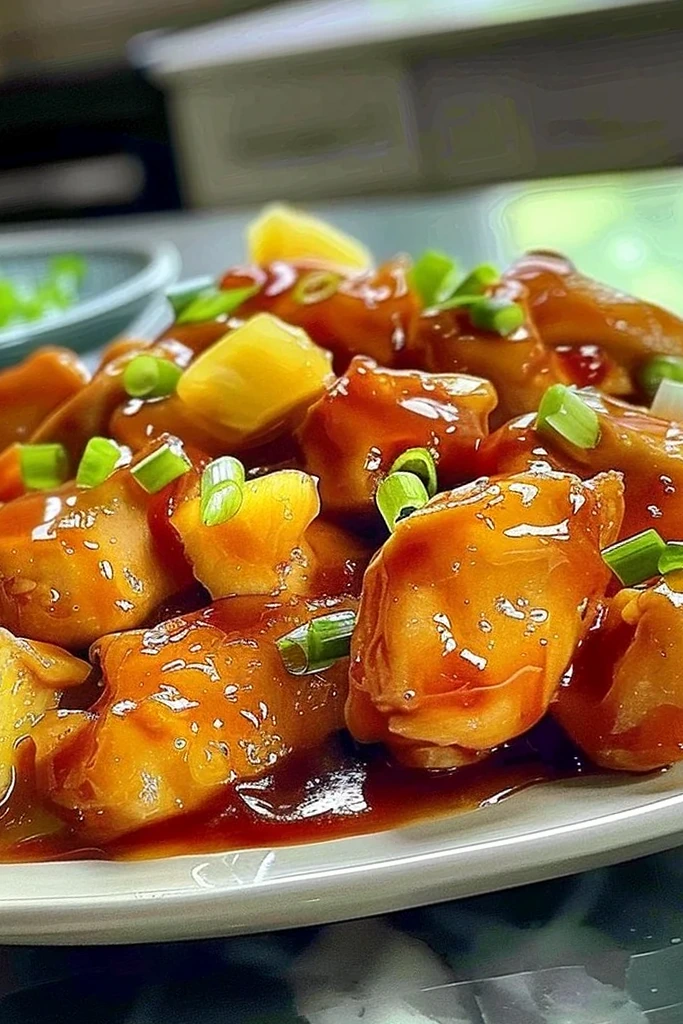
List of ingredients
- 2 pounds Chicken breasts
- 1 can Pineapple chunks
- 1/2 cup Soy sauce
- 1/4 cup Brown sugar
- 2 cloves Garlic, minced
- 1 tablespoon Ginger, grated
- 2 Green onions, chopped
step-by-step instructions
- Preparation: Place chicken breasts at the bottom of your crockpot.
- Combine: In a bowl, mix together pineapple chunks, soy sauce, brown sugar, garlic, and ginger.
- Assemble: Pour the mixture over the chicken, ensuring they are well-coated.
- Cooking: Cook on low for 6-8 hours or high for 3-4 hours.
- Serve: Prior to serving, top with freshly chopped green onions.
Practical cooking methods
Ensuring consistent internal temperatures
To guarantee that your chicken reaches the proper internal temperature safely, always place the thickest parts of the chicken towards the outer walls of the crockpot where the heat is most concentrated. Avoid overcrowding the center, as this can lead to uneven cooking times where the outer pieces are dry while the middle remains underdone. Using an instant-read thermometer to check for 165°F ensures the meal is both safe and perfectly juicy every single time you cook.
Managing sauce viscosity without extra steps
The liquid from the chicken and the natural juices from the pineapple will thin out your sauce during the cooking process. If you prefer a glaze that clings to the chicken rather than a soup-like consistency, leave the lid slightly cracked during the final 30 minutes of cooking on the high setting. This allows some steam to escape and encourages a slight reduction of the sauce, concentrating those sweet and savory flavors into a more syrupy texture.
Refining your ingredients
Natural sweetness adjustments
If your pineapple chunks are canned in juice, you might find the final dish a bit too sugary for your preference. You can balance this by adding an extra tablespoon of rice vinegar or fresh lime juice at the end of the cooking process to brighten the acidity. Conversely, if you want more sweetness without additional sugar, use crushed pineapple instead of chunks, as it distributes the fruit sugar more thoroughly throughout the entire sauce volume.
Alternative aromatic profiles
While ginger and garlic are traditional for this profile, you can experiment with the heat level by adding a dash of ground white pepper or a small amount of chili paste if your family enjoys a spicy kick. For a deeper savory foundation, consider adding a teaspoon of toasted sesame oil right after the chicken is finished cooking. This adds an incredible depth of aroma that bridges the gap between the sugary fruit and the salty soy sauce base.
Serving and presentation ideas
Textural contrasts for your plate
Serving this chicken over a bed of jasmine rice is the classic approach, but you can elevate the experience by incorporating stir-fried vegetables on the side. Bell peppers, snap peas, and bok choy all provide a necessary crunch that contrasts beautifully with the tender, slow-cooked texture of the chicken. A light sprinkle of toasted sesame seeds over the top of the bowl adds a final touch of elegance and a subtle nutty flavor.
Refreshing side dish pairings
Because the chicken dish itself is quite rich, pairing it with a bright, crisp side salad is an excellent strategy for balancing your meal. A simple slaw made with shredded cabbage, shredded carrots, and a light lime vinaigrette provides a cooling, acidic counterpoint to the sweet glaze on the chicken. This approach keeps the meal feeling light despite the long, slow cooking process used to tenderize the poultry.
Management of leftovers
Safe storage for optimal quality
Store any leftover chicken and sauce in a tightly sealed glass container to prevent odor transfer in your refrigerator. The chicken will continue to absorb the flavors of the sauce as it sits, meaning that the leftovers often taste even better the next day. Ensure the container is placed in the coldest part of your fridge and consume the contents within four days to maintain the best food safety standards and flavor integrity.
Reheating without losing tenderness
When reheating, moisture is your best friend to prevent the chicken from becoming tough or rubbery. If using a microwave, add a small tablespoon of water or extra broth to the container and cover it with a damp paper towel to create a gentle steaming effect. If reheating on the stovetop, use a low heat setting and a splash of water, stirring frequently until the sauce is warmed through and the chicken is heated evenly throughout the entire portion.
Addressing common kitchen challenges
How do you thicken the sauce if it is too thin?
If you find that your sauce is too runny after the cooking cycle, remove the chicken pieces temporarily and whisk in a slurry made from one teaspoon of cornstarch mixed with two teaspoons of cold water. Return the liquid to the crockpot on the high setting for an additional 10 to 15 minutes, which will allow the sauce to thicken into a glossy, professional-looking glaze. Do not add cornstarch directly to the hot liquid without mixing it with water first, or it will clump into unappealing balls.
Can you use fresh pineapple successfully?
Yes, fresh pineapple is an excellent choice for this recipe, provided you remove the tough central core before chopping. Note that fresh pineapple contains enzymes that can break down proteins faster than canned pineapple; if you choose to use very fresh, high-acid fruit, be mindful that the chicken may reach a shredded, pulled-meat consistency slightly faster. If you prefer a firmer texture for your chicken, choose slightly less ripe pineapple or stick to the canned variety which has been heat-processed.
Why did the chicken become dry despite the slow cooker?
Chicken breasts are lean and can easily become overcooked if left on the warm setting for too long. If your slow cooker has a tendency to run hot, try checking the meat about an hour before the recommended time concludes to ensure it has not crossed the threshold of tenderness. Using a digital meat thermometer is the most reliable way to prevent dryness, as it tells you exactly when the meat has reached the safe temperature of 165°F without guessing based on the clock.
Print
Sweet Hawaiian Crockpot Chicken
- Total Time: 6 hours 15 minutes
- Yield: 6 servings 1x
- Diet: Gluten-free friendly
Description
A hassle-free tropical delight featuring chicken slow-cooked with sweet pineapple and savory soy sauce, perfect for busy weeknights.
Ingredients
- 2 pounds Chicken breasts
- 1 can Pineapple chunks
- 1/2 cup Soy sauce
- 1/4 cup Brown sugar
- 2 cloves Garlic, minced
- 1 tablespoon Ginger, grated
- 2 Green onions, chopped
Instructions
- Preparation: Place chicken breasts at the bottom of your crockpot.
- Combine: In a bowl, mix together pineapple chunks, soy sauce, brown sugar, garlic, and ginger.
- Assemble: Pour the mixture over the chicken, ensuring they are well-coated.
- Cooking: Cook on low for 6-8 hours or high for 3-4 hours.
- Serve: Prior to serving, top with freshly chopped green onions.
Notes
Leftovers can be enjoyed as sandwiches or over rice. The dish deepens in flavor after sitting overnight.
- Prep Time: 15 minutes
- Cook Time: 6 hours
- Category: Dinner, Main Course
- Method: Slow Cooker
- Cuisine: Hawaiian
Nutrition
- Serving Size: 1 serving
- Calories: 350 kcal
- Sugar: 15 g
- Sodium: 850 mg
- Fat: 8 g
- Saturated Fat: 2 g
- Unsaturated Fat: 6 g
- Trans Fat: 0 g
- Carbohydrates: 35 g
- Fiber: 1 g
- Protein: 30 g
- Cholesterol: 85 mg