This classic vegetable soup is a hearty, nourishing meal made entirely from scratch using a slow-cooked beef base. By prioritizing fresh, whole ingredients, you create a wholesome, preservative-free dinner that warms the soul on chilly days. It is a timeless, reliable recipe that yields a large batch, perfect for feeding the family or stocking your freezer for busy weeks ahead.
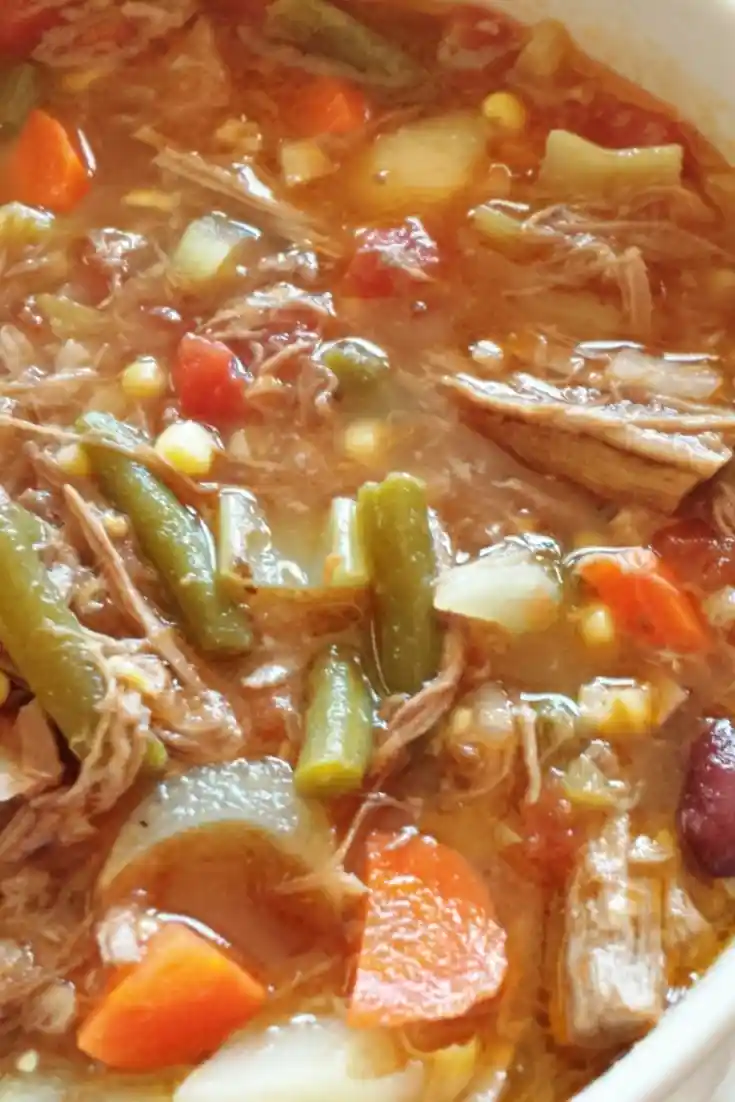
List of ingredients
- 4 pound chuck or round beef roast
- 2 quarts water
- 1 tablespoon sea salt, or to taste
- 1 tablespoon ground black pepper, or to taste
- 2 large bay leaves
- 3 cups diced carrots
- 3 cups diced celery
- 3 cups fresh green beans, cut
- 3 cups diced potatoes
- 3 cups diced tomatoes
- 3 cups diced cabbage
- 1 cup diced onions
- 1 cup fresh sweet corn
- 1 cup preservative-free kidney beans
- Pinch of garlic
- Pinch of sugar
step-by-step instructions
- Step 1: Place 4-pound chuck or round beef roast, water, salt, pepper, and bay leaves in a crock pot for 8 hours on the lowest setting.
- Step 2: Separate the roast from the broth and removed the bay leaves. Using a fat separator, strain the broth and remove excess fat and drippings, place the broth in a stockpot.
- Step 3: Using two forks, shred beef.
- Step 4: Over medium heat, bring beef broth to a low boil.
- Step 5: Add vegetables, beans, garlic, and sugar.
- Step 6: Optional: add more salt and pepper to taste
- Step 7: Simmer until vegetables are tender when poked with a fork.
- Step 8: Add shredded beef, and simmer until beef is hot.
- Step 9: Serve.
- Step 10: Refrigerate or freeze leftovers.
Refining Your Soup Texture
Achieving Uniform Vegetable Sizes
Consistency is vital when preparing a vegetable-forward soup to ensure that every spoonful contains a balanced mix of flavors. Aim to dice your carrots, celery, and potatoes into similar sizes, roughly half an inch, so they reach a tender state simultaneously during the simmering phase. Smaller pieces cook much faster, while larger chunks require a longer boil, which might cause your more delicate vegetables to turn mushy.
Managing Liquid Consistency
If you prefer a thicker, more stew-like consistency, you can lightly mash a few of the cooked potato pieces against the side of the pot. The starch released from the potatoes acts as a natural thickener for the broth, creating a richer mouthfeel without the need for additional additives. Always taste your broth after mashing to see if it requires an extra pinch of salt to brighten the flavor profile.
Flavor Development and Enhancement
Building Depth with Aromatics
The secret to a robust vegetable soup lies in the careful layering of aromatics like onions and garlic. While the recipe suggests a specific quantity, you can deepen the savory notes by lightly sautéing your diced onions in a separate pan before adding them to the broth. This quick step caramelizes the natural sugars in the onion, adding a complex depth that balances the fresh crunch of the green beans and corn.
Balancing Acidity with Sweetness
Vegetable soups can sometimes taste flat if the acidity from the tomatoes isn’t properly balanced. The inclusion of a pinch of sugar is intended to bridge the gap between the savory beef broth and the tartness of the tomatoes. If you find the finished soup is still lacking brightness, a tiny splash of lemon juice or even a teaspoon of apple cider vinegar can awaken the flavors just before serving.
Practical Serving Suggestions
Enhancing the Meal with Accompaniments
Because this soup is quite nutrient-dense, it often serves well as a standalone main course. However, pairing it with a crusty, warm slice of bread or a side of steamed greens can elevate the meal significantly. The contrast between the soft, tender vegetables in the soup and a crunchy, toasted bread crust adds a pleasant textural variety that makes every bite more enjoyable.
Temperature Control for Service
Serving soup at the right temperature is key to maximizing enjoyment, as flavors are perceived differently when liquids are piping hot versus lukewarm. Use pre-warmed bowls to ensure that the soup retains its heat from the first spoonful to the last. This is particularly important when serving in cooler environments or during outdoor winter gatherings where the soup might cool down rapidly on contact with cold dishware.
Storage and Reheating Methods
Managing Leftover Portions
This soup is ideal for batch cooking because the flavors often meld and deepen after resting in the refrigerator for twenty-four hours. Transfer any cooled leftovers into airtight containers, ensuring there is a small amount of headspace to allow for expansion if you decide to freeze them. Label each container with the date to keep track of your stock and prioritize using older portions first.
Optimal Reheating Techniques
When reheating a large portion of soup, do so slowly over low heat on the stovetop to prevent the vegetables from breaking down. Adding a splash of water or additional beef broth can help rejuvenate the consistency if the potatoes or beans have absorbed too much liquid during storage. Avoid boiling the soup aggressively during reheating, as this can degrade the texture of the tender beef and vegetables.
Frequently Asked Questions
Can I use different varieties of potatoes in this recipe?
Yes, you can substitute the potatoes with almost any variety you have on hand, such as russets or red potatoes. Keep in mind that russets tend to fall apart faster than waxy types like red potatoes, so check your pot frequently once the vegetables have reached a soft texture. If you notice them getting too soft, simply add them slightly later in the cooking process.
What is the best way to keep green beans vibrant?
To keep your green beans looking bright and tasting fresh, add them to the broth during the final ten minutes of simmering. This allows them to soften just enough to be palatable while maintaining their characteristic snap and vibrant green color. Overcooking green beans for too long can lead to a dull appearance and a softer texture that may detract from the soup’s presentation.
Is it possible to make this soup in a large standard stockpot instead of a crock pot?
If you prefer to cook this on the stovetop, you can certainly do so by simmering the beef in a large pot with the liquid over very low heat for 3 to 4 hours. Ensure the pot is well-covered to keep the moisture in and prevent the liquid from evaporating too quickly. You will need to monitor the heat level closely to ensure the beef remains submerged and tender throughout the entire cooking duration.
How long can I keep the soup in the freezer?
For the best quality, consume frozen soup within three to four months of preparation. While the food remains safe to eat beyond this timeframe, the texture of the vegetables may change after prolonged freezer storage. Always thaw frozen soup in the refrigerator overnight before transferring it to a pot for gentle reheating on the stove.
Print
Old Fashioned Vegetable Soup
- Total Time: 9 hours 40 minutes
- Yield: 1 to 1.5 gallons 1x
- Diet: Gluten-Free
Description
A delicious gluten-free and preservative-free vegetable soup recipe.
Ingredients
- 4 pound chuck or round beef roast
- 2 quarts water
- 1 tablespoon sea salt, or to taste
- 1 tablespoon ground black pepper, or to taste
- 2 large bay leaves
- 3 cups diced carrots
- 3 cups diced celery
- 3 cups fresh green beans, cut
- 3 cups diced potatoes
- 3 cups diced tomatoes
- 3 cups diced cabbage
- 1 cup diced onions
- 1 cup fresh sweet corn
- 1 cup preservative-free kidney beans
- Pinch of garlic
- Pinch of sugar
Instructions
- Step 1: Place 4-pound chuck or round beef roast, water, salt, pepper, and bay leaves in a crock pot for 8 hours on the lowest setting.
- Step 2: Separate the roast from the broth and removed the bay leaves. Using a fat separator, strain the broth and remove excess fat and drippings, place the broth in a stockpot.
- Step 3: Using two forks, shred beef.
- Step 4: Over medium heat, bring beef broth to a low boil.
- Step 5: Add vegetables, beans, garlic, and sugar.
- Step 6: Optional: add more salt and pepper to taste
- Step 7: Simmer until vegetables are tender when poked with a fork.
- Step 8: Add shredded beef, and simmer until beef is hot.
- Step 9: Serve.
- Step 10: Refrigerate or freeze leftovers.
Notes
This recipe is gluten-free and preservative-free. Any remaining shredded beef can be used to make BBQ beef sandwiches.
- Prep Time: 40 minutes
- Cook Time: 9 hours
- Category: Main dishes
- Method: Slow Cooking
- Cuisine: American
Nutrition
- Serving Size: 1 bowl
- Calories: 310 kcal
- Sugar: 6 g
- Sodium: 820 mg
- Fat: 13 g
- Saturated Fat: 4 g
- Unsaturated Fat: 9 g
- Trans Fat: 0 g
- Carbohydrates: 24 g
- Fiber: 6 g
- Protein: 26 g
- Cholesterol: 65 mg