This one-skillet ground beef pasta is the ultimate solution for busy weeknights when you need a satisfying meal without spending hours in the kitchen. By simmering the pasta directly in a savory tomato and beef broth, every noodle becomes infused with rich flavor while keeping the cooking process efficient. It is a hearty, comforting classic that minimizes cleanup by requiring only a single pan.

List of ingredients
- 1 lb ground beef
- 2 tbsp olive oil
- 1 medium yellow onion, diced
- 3 garlic cloves, minced
- 14.5 oz canned diced tomatoes
- 2 tbsp tomato paste
- 2 cups beef broth
- 8 oz uncooked pasta (penne or rigatoni)
- 1 tsp Italian seasoning
- Salt and pepper to taste
- Grated Parmesan cheese (optional)
step-by-step instructions
- Step: Heat 2 tablespoons olive oil in a large skillet over medium-high heat. Add 1 pound ground beef and cook, breaking it up with a spatula, until fully browned and no pink remains (about 6-8 minutes). Drain excess fat if preferred.
- Step: Reduce heat to medium. Add the diced onion and cook for 3-4 minutes until softened and translucent. Stir in minced garlic and cook 30 seconds more until fragrant.
- Step: Stir in canned diced tomatoes and tomato paste. Mix well to combine.
- Step: Sprinkle Italian seasoning, salt, and pepper to taste. Pour in beef broth and stir to combine.
- Step: Add uncooked pasta to the skillet, pushing it gently into the sauce so it’s mostly submerged.
- Step: Bring the mixture to a gentle boil, then reduce heat to low and cover the skillet. Let it simmer for about 15 minutes, stirring occasionally to prevent sticking.
- Step: Check pasta for doneness. If needed, add a splash of broth or water and continue cooking uncovered for another 2-3 minutes.
- Step: Taste and adjust seasoning with more salt or pepper if needed. Sprinkle grated Parmesan cheese on top just before serving, if desired.
Refining your skillet technique
Selecting the appropriate skillet size
Using a large, deep skillet or sauté pan is crucial for even cooking. A 12-inch skillet provides enough surface area for the beef to brown without crowding, which prevents steaming. When the pan is properly sized, the liquid covers the pasta evenly, ensuring every piece cooks through at the same rate without needing constant adjustment.
Ensuring consistent pasta texture
Because the pasta cooks in a limited amount of liquid, keeping the skillet covered is vital to trap steam. If you find your skillet does not have a tight-fitting lid, you can use a sheet of aluminum foil to seal the top. This keeps the moisture inside, which is necessary for fully hydrating the pasta noodles during the simmering process.
Managing heat levels during the simmer
The transition from a boil to a low simmer is the most critical stage of the recipe. If the heat is too high, the liquid will evaporate before the pasta has finished cooking, leading to dry or burnt results. If the heat is too low, the pasta will take significantly longer to soften and may become mushy due to over-soaking in the sauce.
Customizing your pasta base
Incorporating fresh seasonal vegetables
You can easily increase the nutritional value of this meal by adding finely chopped vegetables when you sauté the onions. Zucchini, bell peppers, or even handfuls of fresh baby spinach work wonderfully in this sauce. Ensure vegetables are chopped into uniform, small pieces so they cook through at the same speed as the onion and garlic.
Exploring different protein variations
While ground beef is traditional, ground turkey or chicken serves as a lean and delicious alternative. If you choose a leaner meat, you might need to add an extra teaspoon of olive oil to the pan to ensure it stays moist while browning. These proteins absorb the savory tomato and beef broth just as well as beef, maintaining the dish’s overall integrity.
Adapting for specific dietary preferences
For a gluten-free meal, you can substitute the standard wheat pasta with brown rice or chickpea-based penne. Note that these alternatives often have different cooking times, so check them a few minutes earlier than the suggested 15-minute mark. To keep the dish dairy-free, simply omit the Parmesan or swap it with a nutritional yeast blend for a similar salty, savory finish.
Storage and preparation management
Guidelines for refreshing leftovers
If you have leftovers, store them in an airtight container in the refrigerator for up to 3 days. When reheating, the pasta will have likely absorbed most of the remaining sauce, which can make it appear dry. Add about 2 tablespoons of broth or water per serving before heating it in the microwave or on the stovetop to restore the original, creamy consistency of the sauce.
Approaching the make-ahead process
This dish can be prepared partially in advance to save time on busy evenings. You can brown the beef and sauté the aromatics, then store this mixture in the fridge. When you are ready to eat, simply add the tomatoes, broth, and pasta, and follow the remaining steps. This reduces your active cooking time on the night of the meal to just about 20 minutes.
Evaluating the suitability for freezing
While this pasta can be frozen, it is important to note that the texture of the noodles may become softer once thawed and reheated. If you plan to freeze the meal, try to cook the pasta slightly more al dente than you normally would to account for the additional softening. Always allow the skillet contents to cool completely before transferring them to freezer-safe bags or containers to prevent freezer burn.
Answering frequent kitchen questions
Is it possible to use different pasta shapes?
Yes, short, sturdy pasta shapes are best for this recipe. Penne, rigatoni, ziti, or even fusilli work perfectly because they have large enough surfaces to grab onto the tomato sauce. Avoid long, thin noodles like spaghetti, as they tend to stick together more easily in a single-pan cooking environment and are harder to stir effectively.
How do I fix a sauce that becomes too thick?
If the sauce reduces too quickly and becomes thick before the pasta is cooked, simply stir in an additional quarter cup of beef broth or water. Adding liquid in small increments is the safest way to maintain the correct consistency without making the sauce runny. Always do this while the skillet is still over low heat so the added liquid can incorporate fully.
Can I add fresh herbs at the end?
Adding fresh herbs like basil or flat-leaf parsley just before serving provides a bright, fresh contrast to the deep, cooked flavors of the tomato and beef. Simply tear or chop the herbs finely and sprinkle them over the finished dish. This adds a level of complexity and visual appeal that elevates the skillet meal to something special.
Should I rinse the pasta before adding it to the skillet?
Do not rinse the pasta before adding it to the skillet. The starches on the surface of the dry, uncooked pasta are actually beneficial for this recipe, as they help thicken the tomato and broth sauce, giving it a better mouthfeel. Adding the dry pasta directly to the sauce is the intended technique for achieving the correct, cohesive final texture.
Print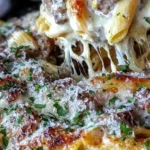
Tender One-Skillet Ground Beef Pasta
- Total Time: 30 minutes
- Yield: 4 servings 1x
- Diet: High Protein
Description
A quick and easy one-skillet pasta recipe featuring tender ground beef and pasta cooked together in a rich tomato sauce, perfect for busy weeknights.
Ingredients
- 1 lb ground beef
- 2 tbsp olive oil
- 1 medium yellow onion, diced
- 3 garlic cloves, minced
- 14.5 oz canned diced tomatoes
- 2 tbsp tomato paste
- 2 cups beef broth
- 8 oz uncooked pasta (penne or rigatoni)
- 1 tsp Italian seasoning
- Salt and pepper to taste
- Grated Parmesan cheese (optional)
Instructions
- Step: Heat 2 tablespoons olive oil in a large skillet over medium-high heat. Add 1 pound ground beef and cook, breaking it up with a spatula, until fully browned and no pink remains (about 6-8 minutes). Drain excess fat if preferred.
- Step: Reduce heat to medium. Add the diced onion and cook for 3-4 minutes until softened and translucent. Stir in minced garlic and cook 30 seconds more until fragrant.
- Step: Stir in canned diced tomatoes and tomato paste. Mix well to combine.
- Step: Sprinkle Italian seasoning, salt, and pepper to taste. Pour in beef broth and stir to combine.
- Step: Add uncooked pasta to the skillet, pushing it gently into the sauce so it’s mostly submerged.
- Step: Bring the mixture to a gentle boil, then reduce heat to low and cover the skillet. Let it simmer for about 15 minutes, stirring occasionally to prevent sticking.
- Step: Check pasta for doneness. If needed, add a splash of broth or water and continue cooking uncovered for another 2-3 minutes.
- Step: Taste and adjust seasoning with more salt or pepper if needed. Sprinkle grated Parmesan cheese on top just before serving, if desired.
Notes
Stir gently but consistently during simmer to prevent pasta from sticking. Use a large enough skillet to avoid overcrowding. Adjust seasoning gradually to avoid over-salting. Drain excess fat if using higher fat ground beef. For dairy-free, omit Parmesan or use plant-based alternative. Ground turkey or chicken can be substituted with adjusted cooking times.
- Prep Time: 10 minutes
- Cook Time: 20 minutes
- Category: Main Course
- Method: Stovetop
- Cuisine: American
Nutrition
- Serving Size: 1 serving
- Calories: 475 kcal
- Sugar: 6 g
- Sodium: 750 mg
- Fat: 15 g
- Saturated Fat: 5 g
- Unsaturated Fat: 9 g
- Trans Fat: 0 g
- Carbohydrates: 45 g
- Fiber: 4 g
- Protein: 28 g
- Cholesterol: 70 mg