This slow cooker macaroni and cheese uses a specific three-cheese blend to achieve a rich, velvety texture without constant stovetop stirring. It is a practical meal for family gatherings that minimizes active prep time while delivering a consistent result.
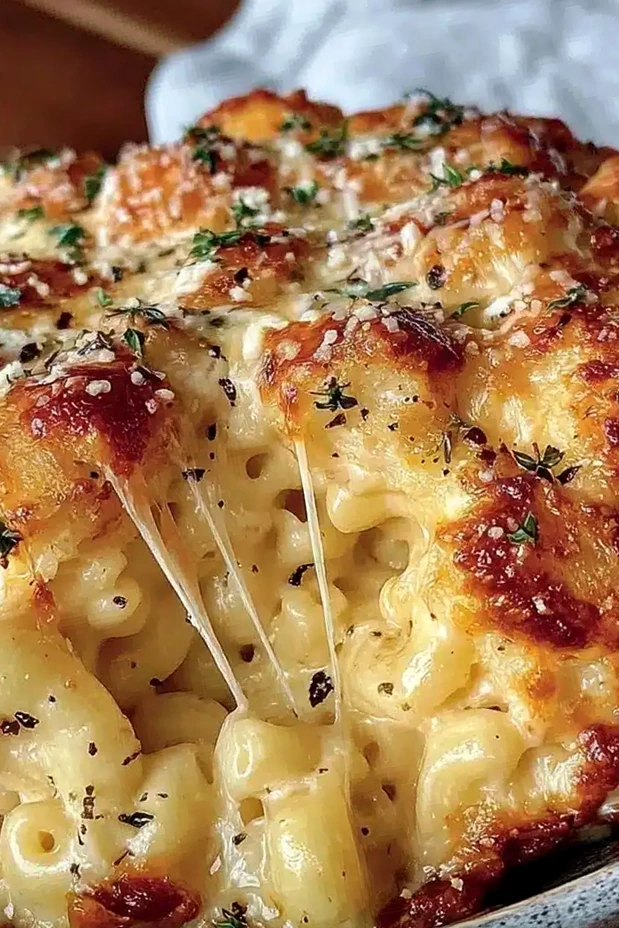
List of ingredients
- 12 ounces elbow macaroni, uncooked – the standard choice for holding thick cheese sauces.
- 2 cups sharp cheddar cheese, shredded (about 8 ounces) – provides the primary bold, tangy flavor.
- 1 cup mozzarella cheese, shredded (about 4 ounces) – creates a smooth, stretchy consistency.
- ½ cup Parmesan cheese, finely grated (about 2 ounces) – adds a salty, nutty depth.
- 3 cups whole milk – ensures a creamy base and prevents the pasta from drying out.
- 4 tablespoons unsalted butter, melted – helps emulsify the sauce for a smooth finish.
- &frac1}{4} cup all-purpose flour – acts as the thickening agent for the roux.
- 1 teaspoon garlic powder – adds a subtle savory undertone.
- 1 teaspoon onion powder – enhances the overall flavor profile of the cheese.
- 1 teaspoon Dijon mustard – cuts through the richness and balances the salt.
- Salt and black pepper to taste – used for final seasoning adjustments.
- Optional: pinch of smoked paprika – provides a hint of warmth.
- Optional: dash of hot sauce – adds a slight acidic kick to the sauce.
step-by-step instructions
- Prepare the pasta: Add the dry elbow macaroni directly to the crockpot. For those who prefer a firmer bite, boil the pasta for 4 minutes, drain it, and then place it in the slow cooker.
- Make the roux base: In a medium bowl, whisk the melted butter and all-purpose flour together until the mixture is smooth and contains no lumps.
- Mix the liquids and seasonings: Slowly whisk the whole milk into the butter-flour mixture until combined. Stir in the garlic powder, onion powder, Dijon mustard, salt, and pepper.
- Combine in the crockpot: Pour the macaroni into the crockpot and add the prepared milk mixture, stirring gently to ensure the pasta is coated. Sprinkle the shredded cheddar and mozzarella evenly over the surface, then top with the grated Parmesan.
- Cook: Cover the crockpot and cook on the LOW setting for 2 to 2½ hours. Gently stir the mixture every 30-40 minutes to prevent the bottom from sticking and to distribute the melting cheese.
- Final stir and taste: Once the pasta is tender and the sauce has thickened to a creamy consistency, stir everything together well. Taste the dish and add more salt or pepper if necessary.
- Serve immediately: Dish the macaroni and cheese out while hot. If reheating leftovers, always add a small amount of milk to restore the texture.
Optimization Secrets for a Creamy Texture
Use Freshly Shredded Block Cheese
Avoid pre-shredded bagged cheeses which are coated in potato starch or cellulose to prevent clumping. These additives interfere with the melting process and can result in a grainy or sandy texture. Grating your own cheese from a block ensures a smoother, more cohesive sauce.
Importance of the Cold-Whisked Roux
Creating the butter and flour paste before adding the milk prevents flour clumps from forming in the slow cooker. This initial emulsion ensures that the thickening agent is evenly distributed throughout the liquid. This results in a professional, velvety consistency rather than a watery base.
Stick to the Low Heat Setting
Cooking on HIGH can cause the dairy proteins to break down and the fats to separate, leading to an oily sauce. The LOW setting allows the cheese to melt gradually and the pasta to absorb the liquid without scorching. This slow process preserves the integrity of the emulsion.
Consistent Stirring Intervals
Stirring every 30 to 40 minutes is necessary because the heat in a slow cooker is most intense at the bottom. Regular agitation prevents the pasta from sticking to the ceramic liner and helps the cheese on top incorporate into the sauce. This ensures every noodle is evenly coated.
Customizing Your Cheese Blend
Incorporating Gruyère for Nutty Depth
For a more sophisticated flavor, replace half of the mozzarella with Gruyère cheese. Gruyère melts exceptionally well and provides a complex, earthy taste that complements the sharp cheddar. This is an ideal choice for holiday dinners or special occasions.
Adding Pepper Jack for Moderate Heat
If you prefer a spicy profile, substitute a portion of the cheddar with Pepper Jack cheese. This adds a creamy heat and a slight kick to the dish without requiring extra spices. Ensure the other cheeses remain mild to balance the intensity of the peppers.
Using White Cheddar for a Clean Look
Switching to an extra-sharp white cheddar provides a cleaner aesthetic and a more intense tang. White cheddar often has a higher acidity which cuts through the richness of the whole milk. This variation is excellent when serving the dish as a side for roasted vegetables.
Experimenting with Fontina for Extra Melt
Fontina is an Italian cheese known for its superior melting capabilities. Adding a handful of Fontina to the mix increases the ‘stretch’ of the macaroni and cheese. It blends seamlessly with Parmesan and mozzarella to create a very smooth sauce.
Dietary Adjustments and Substitutions
Using Gluten-Free Pasta and Thickeners
Substitute the elbow macaroni with a brown rice or corn-based gluten-free alternative. Instead of all-purpose flour, use 2 tablespoons of cornstarch or a certified gluten-free flour blend. Be aware that gluten-free pasta can overcook more quickly, so check the texture 30 minutes early.
Dairy-Free Milk Alternatives
For those avoiding cow’s milk, unsweetened almond milk or oat milk can be used. Oat milk is generally preferred due to its natural creaminess and neutral flavor. Ensure the milk is unsweetened to avoid adding an unwanted sugar taste to the savory dish.
Plant-Based Cheese Options
Substitute the dairy cheeses with high-quality vegan shreds based on coconut oil or cashew. Note that plant-based cheeses have different melting points and may require an extra splash of milk or a bit more stirring to incorporate. The texture will be slightly different but still satisfying.
Reducing the Fat Content
To lower the calorie count, replace whole milk with 2% milk or a mixture of milk and vegetable broth. You can also use reduced-fat sharp cheddar, though the sauce may be slightly less thick. Avoid using skim milk, as it lacks the fat needed to emulsify the sauce properly.
Common Troubleshooting Solutions
Fixing a Runny Sauce
If the sauce is too thin after the cooking time, leave the lid off and continue cooking on LOW for another 20-30 minutes. Alternatively, stir in an extra handful of shredded cheese to increase the thickness. The residual heat will melt the cheese and bind the excess liquid.
Resolving Grainy Cheese Textures
Graininess usually occurs if the heat was too high or if pre-shredded cheese was used. To fix this, stir in a tablespoon of heavy cream or a splash of warm milk and whisk vigorously. If the sauce has already broken, a small amount of cornstarch slurry can help re-bind the fats.
Preventing Overcooked Pasta
If your pasta consistently turns out too soft, reduce the cooking time by 15-30 minutes. You can also use the pre-boiling method mentioned in the instructions, boiling the noodles for only 3-4 minutes. This ensures the pasta retains an ‘al dente’ texture after the slow cooking process.
Addressing Dry Results
Dryness happens when too much liquid evaporates or the pasta absorbs more than expected. Simply stir in a small amount of whole milk or vegetable broth just before serving. This rehydrates the sauce and restores the creamy consistency.
Storage and Reheating Methods
Refrigeration Guidelines
Transfer leftovers to an airtight container once they have cooled to room temperature. The macaroni and cheese will stay fresh in the refrigerator for up to 4 days. Ensure the container is sealed tightly to prevent the pasta from absorbing odors from other foods.
Freezing for Long Term Use
Portion the leftovers into freezer-safe bags or containers, leaving a small amount of space for expansion. This dish can be frozen for up to 2 months. For best results, undercook the pasta slightly if you plan to freeze the dish, as it will soften further during reheating.
Microwave Reheating Technique
Place a portion of the macaroni and cheese in a microwave-safe bowl and add 1-2 tablespoons of milk. Cover the bowl with a damp paper towel to trap steam. Heat in 30-second intervals, stirring between each, until the cheese is melted and bubbly.
Stovetop Reheating for Texture
Place the leftovers in a saucepan over low heat. Add a splash of milk or cream and stir constantly to prevent scorching. This method is superior to the microwave as it allows you to control the heat and restore the emulsion of the cheese sauce more effectively.
Pairing and Serving Ideas
Vegetable Side Dish Pairings
Balance the richness of the cheese with steamed broccoli, roasted Brussels sprouts, or a crisp garden salad. The bitterness of dark leafy greens or the acidity of a vinaigrette helps cleanse the palate. Sautéed spinach with lemon also provides a refreshing contrast.
Complementary Protein Additions
Serve this dish alongside grilled chicken breasts or roasted turkey. For a more integrated meal, stir in cooked diced ham or smoked mushrooms during the last 30 minutes of cooking. These proteins add saltiness and texture to the creamy pasta.
Garnish Options for Presentation
Top the finished dish with freshly chopped parsley or chives to add a pop of color and a mild onion flavor. For added texture, sprinkle a few toasted panko breadcrumbs on top just before serving. A light dusting of smoked paprika can also enhance the visual appeal.
Frequently Asked Questions
Can I use different pasta shapes?
Yes, shells, rotini, and penne are excellent alternatives to elbow macaroni. These shapes are particularly good at capturing the cheese sauce in their ridges and hollows. Adjust the cooking time slightly based on the thickness of the pasta.
Do I really have to stir the crockpot?
Stirring is highly recommended to prevent the bottom layer from scorching. Since the heat source is at the bottom of the pot, the pasta in contact with the ceramic can overcook or stick. Stirring ensures an even temperature throughout the dish.
Can I make this recipe in advance?
You can prep the ingredients and combine them in the crockpot insert the night before. Keep the insert refrigerated and then place it in the slow cooker the next day. Cook on LOW for the standard 2 to 2.5 hours.
Why is my cheese sauce separating?
Separation usually happens if the heat is too high or if the sauce was boiled. Using a slow cooker on the LOW setting prevents this. If it happens, whisking in a small amount of cold milk or a pinch of cornstarch can often bring the sauce back together.
Can I use a different milk?
While whole milk is recommended for the best creaminess, you can use 2% milk or half-and-half. Half-and-half will make the dish even richer, while 2% will slightly reduce the creaminess. Avoid skim milk as it can lead to a thinner, less stable sauce.
Print
Creamy Three-Cheese Slow Cooker Macaroni and Cheese
- Total Time: 2 hours 40 minutes
- Yield: 6 servings 1x
- Diet: General
Description
A creamy, dreamy mac and cheese made in the crockpot with sharp cheddar, mozzarella, and Parmesan cheeses. Perfect for cozy dinners, potlucks, and family gatherings.
Ingredients
- 12 ounces elbow macaroni, uncooked
- 2 cups sharp cheddar cheese, shredded
- 1 cup mozzarella cheese, shredded
- ½ cup Parmesan cheese, finely grated
- 3 cups whole milk
- 4 tablespoons unsalted butter, melted
- ¼ cup all-purpose flour
- 1 teaspoon garlic powder
- 1 teaspoon onion powder
- 1 teaspoon Dijon mustard
- Salt and black pepper to taste
- pinch of smoked paprika (optional)
- dash of hot sauce (optional)
Instructions
- Prepare the pasta: Add dry elbow macaroni directly to the crockpot or boil for 4 minutes for firmer pasta, then drain and set aside.
- Make the roux base: In a medium bowl, whisk together melted butter and all-purpose flour until smooth and lump-free.
- Mix the liquids and seasonings: Slowly whisk in whole milk to the butter-flour mixture until combined. Add garlic powder, onion powder, Dijon mustard, salt, and pepper.
- Combine in the crockpot: Pour dry or pre-cooked macaroni into the crockpot. Add the milk mixture and stir gently. Sprinkle shredded cheddar and mozzarella evenly over the top, then finish with Parmesan.
- Cook: Cover and cook on LOW for 2 to 2½ hours. Stir gently every 30-40 minutes to prevent sticking and help melt cheeses evenly. Adjust heat if bubbling too much.
- Final stir and taste: Once pasta is tender and sauce is creamy and thick, stir well and adjust salt and pepper as needed.
- Serve immediately: Enjoy fresh and warm. Leftovers can be stored and reheated with a splash of milk.
Notes
Use freshly shredded cheeses for better melt and texture. Stir every 30-40 minutes during cooking to prevent sticking. If sauce is too thick at the end, stir in a splash of milk. Avoid cooking on high to prevent cheese separation. For gluten-free, substitute flour with cornstarch or a gluten-free blend.
- Prep Time: 10 minutes
- Cook Time: 2.5 hours
- Category: Main Course
- Method: Slow Cooking
- Cuisine: American
Nutrition
- Serving Size: 1 cup per serving
- Calories: 475 kcal
- Sugar: 6 g
- Sodium: 450 mg
- Fat: 25 g
- Saturated Fat: 15 g
- Unsaturated Fat: 10 g
- Trans Fat: 0 g
- Carbohydrates: 40 g
- Fiber: 2 g
- Protein: 20 g
- Cholesterol: 90 mg