Create a bold, aromatic marinade that brings authentic island heat to your home cooking. This versatile spice blend balances fiery peppers with warm aromatics for perfectly seasoned poultry.
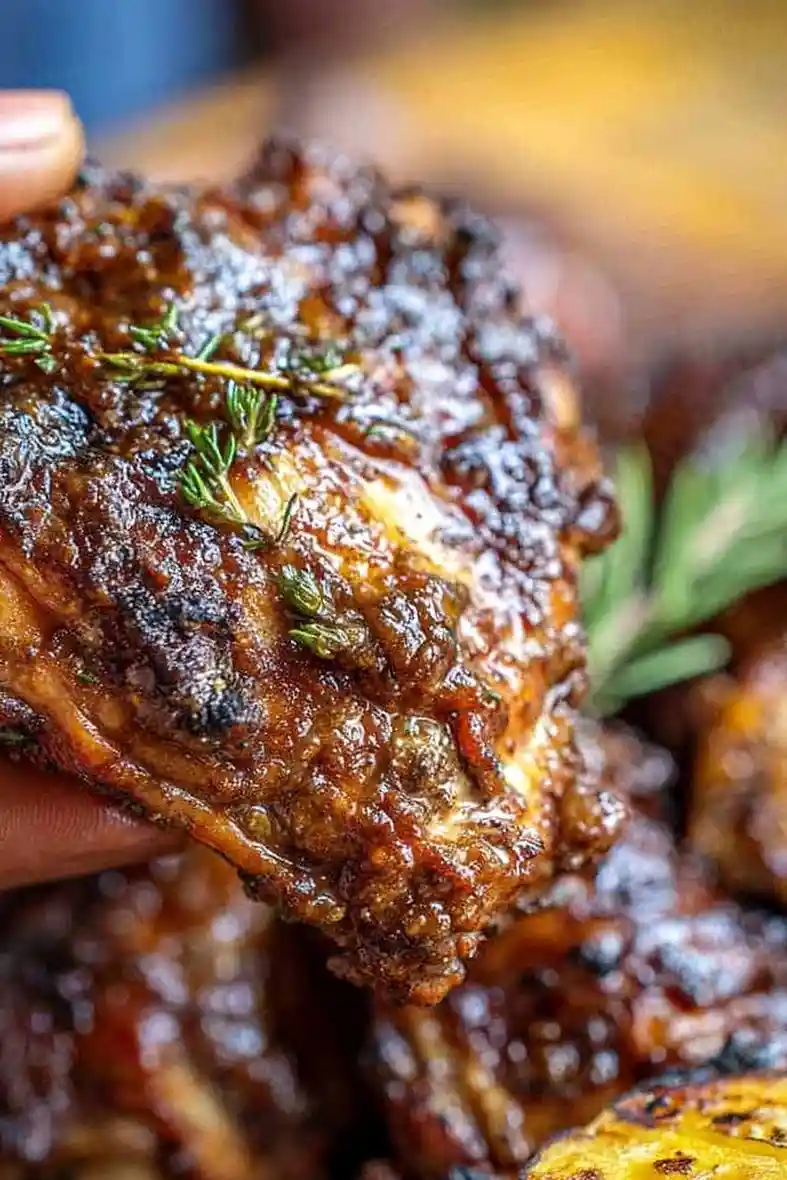
List of ingredients
- 3-4 Scotch bonnet peppers – provides the signature heat and fruity flavor.
- 4 garlic cloves – peeled for a pungent base.
- 1 thumb-sized piece fresh ginger – peeled and roughly chopped.
- 1/2 medium onion – roughly chopped.
- 2 tbsp fresh thyme leaves – provides an earthy, herbal note.
- 2 tbsp ground allspice – the core spice of jerk seasoning.
- 1 tbsp brown sugar – balances heat and aids in caramelization.
- 1 tsp ground cinnamon – adds warmth and depth.
- 1/2 tsp ground nutmeg – provides a subtle aromatic finish.
- Juice of 2 limes – adds acidity to tenderize the meat.
- 3 tbsp soy sauce – provides saltiness and umami.
- 2 tbsp apple cider vinegar – helps the marinade penetrate the meat.
- 1 tbsp vegetable oil – helps blend flavors and prevents sticking.
- 1 tsp salt – enhances all other flavors.
- 1/2 tsp black pepper – adds a different layer of spice.
- 2 green onions – chopped to add a mild onion flavor.
- 1 tbsp apple juice – replaces alcohol for a deep, fruity finish.
step-by-step instructions
- Prep: Roughly chop all fresh ingredients including peppers, onion, garlic, ginger, and green onions to ensure a smooth blend.
- Combine: Add all prepped fresh ingredients to a blender or food processor along with the dry spices and liquids.
- Process: Blend until the mixture is smooth and thick, forming a concentrated paste.
- Balance: Taste a small amount and adjust the lime juice for more tang or brown sugar for more sweetness if needed.
- Marinate: Pour the mixture over chicken pieces in a glass dish or bag, massaging it in, and refrigerate for 6 to 24 hours.
- Cook: Grill, roast, or sear the marinated chicken until fully cooked through and deeply browned.
Professional Marinade Techniques
Handling High-Heat Peppers Safely
Scotch bonnet peppers contain high concentrations of capsaicin, which can cause skin irritation or burns. Always wear disposable gloves when chopping these peppers to prevent oil from transferring to your hands. If you accidentally touch your skin, wash the area with oil or milk rather than just water to neutralize the heat.
Adjusting Heat Levels for Different Palates
To reduce the intensity of the heat, remove the seeds and white membranes from the Scotch bonnet peppers before blending. For an even milder version, substitute one or two of the peppers with red bell peppers. The flavor profile remains similar, but the burning sensation is significantly lowered.
Selecting the Best Chicken Cuts
Bone-in, skin-on chicken thighs and drumsticks are the best choices for this marinade. The higher fat content in dark meat prevents the chicken from drying out during the long marination process. The skin also helps hold the thick paste, resulting in a better charred crust when grilled.
Optimizing Marination Duration
The acid from the lime juice and vinegar begins breaking down the muscle fibers almost immediately. For maximum flavor penetration, allow the meat to sit for at least 6 hours. However, do not exceed 36 hours, as the acid can eventually break down the protein too much, resulting in a mushy texture.
Avoiding Reactive Containers
Do not use aluminum or non-stainless metal bowls for marinating. The acidity of the lime juice and apple cider vinegar can react with certain metals, imparting a metallic taste to the meat. Use glass containers, ceramic bowls, or food-grade plastic resealable bags for the best results.
Cooking and Finishing Methods
Grilling for Maximum Flavor
Grilling is the traditional method and produces the best results due to the caramelization of the brown sugar. Use medium-high heat and flip the chicken occasionally to prevent the sugars from burning. The smoke from the charcoal interacts with the allspice and thyme to create a complex flavor profile.
Oven Roasting for Convenience
For an indoor alternative, roast the chicken at 400°F (200°C) for 30 to 40 minutes. Place the chicken on a wire rack over a baking sheet to allow heat to circulate around all sides. This ensures the skin becomes crisp while the interior remains juicy.
Cast Iron Searing for Depth
Searing in a cast iron skillet provides a heavy char similar to a grill. Start with a high heat to brown the skin quickly, then lower the temperature and cover the pan to ensure the thick cuts cook through. This method is ideal for chicken breasts or smaller pieces like wings.
Integrating Liquid Smoke
If you lack access to a grill but want a smoky taste, add half a teaspoon of liquid smoke to the marinade. Alternatively, you can use a smoking gun or wood chips in a foil packet in the oven. This mimics the traditional jerk pit environment used in the Caribbean.
Customizations and Substitutions
Creating a Tropical Pineapple Twist
To add a tropical sweetness, replace half of the lime juice with fresh pineapple juice. The bromelain enzyme in pineapple juice acts as an additional tenderizer for the meat. This variation pairs exceptionally well with grilled shrimp or pork-free alternatives like tofu.
Developing a Sweet and Smoky Profile
For those who prefer a less spicy and more savory result, add one tablespoon of molasses or honey. These thick sweeteners create a heavier glaze that clings to the meat and browns more deeply. This helps balance the pungent notes of the garlic and ginger.
Making a Green Herbal Variation
Increase the amount of green onions and add a handful of fresh cilantro to the blender. This shifts the flavor profile toward a brighter, fresher taste while keeping the core heat of the Scotch bonnets. This version is particularly good when served with fresh mango salsa.
Adapting for Plant-Based Proteins
This marinade works effectively on extra-firm tofu, seitan, or cauliflower steaks. For tofu, press the moisture out first so the marinade can penetrate the protein. Because plant-based proteins do not have the same fat as chicken, add an extra tablespoon of oil to the blend to prevent sticking.
Storage and Meal Prep Guidance
Freezing the Marinade for Future Use
You can double the recipe and freeze the unused portion in an airtight container or freezer bag. The flavors actually concentrate and meld further during the freezing process. When ready to use, thaw the marinade in the refrigerator overnight before applying it to the meat.
Refrigeration and Shelf Life
Stored in an airtight glass jar, this marinade will stay fresh in the refrigerator for up to one week. Ensure the surface is covered with a thin layer of oil to prevent oxidation. Always use a clean spoon to scoop out the marinade to avoid cross-contamination.
Advanced Meal Prep Strategies
Place raw chicken and the marinade together in a freezer-safe bag and freeze them simultaneously. As the chicken thaws in the refrigerator for 24 hours before cooking, it marinates automatically. This saves time and ensures the meat is perfectly seasoned by the time it hits the heat.
Common Troubleshooting and FAQs
How spicy is this marinade?
This marinade is considered high-heat due to the Scotch bonnet peppers. However, the heat is balanced by brown sugar and lime juice. You can control the spice level by removing the pepper seeds or reducing the number of peppers used.
Can I make this without a blender?
Yes, but it requires significant effort. You must mince the garlic, ginger, onion, and peppers into an extremely fine paste using a sharp knife or a mortar and pestle. The resulting texture will be chunkier, but the flavor will be identical.
How long can I marinate the chicken?
The minimum time for a deep flavor is 6 hours. The ideal time is 12 to 24 hours. Avoid marinating for more than 36 hours, as the acid in the vinegar and lime will begin to break down the meat’s structure too much.
Is it safe to reuse the leftover marinade?
If the marinade has touched raw chicken, it must be boiled for several minutes to kill any bacteria before it can be used as a sauce. Alternatively, set aside a portion of the marinade before adding the meat to use for basting during the cooking process.
What if I cannot find Scotch bonnet peppers?
Habaneros are the closest substitute in terms of heat and fruitiness. If using habaneros, consider adding a teaspoon of mango juice to mimic the specific floral notes of the Scotch bonnet. For a much milder option, use serrano peppers.
Why did my chicken burn on the grill?
The brown sugar in the marinade can caramelize and then burn quickly over high heat. To prevent this, use medium heat and move the chicken to a cooler part of the grill if the exterior is browning too fast while the interior is still raw.
Can I use dried thyme instead of fresh?
Yes, you can use dried thyme, but the ratio changes. Use one tablespoon of dried thyme for every two tablespoons of fresh thyme. Dried herbs are more concentrated and provide a different, more muted herbal note.
How do I know when the chicken is fully cooked?
The most reliable method is using an instant-read meat thermometer. Chicken is safe to eat when it reaches an internal temperature of 165°F (74°C). Ensure you check the thickest part of the meat, avoiding the bone.
Print
Homemade Caribbean Jerk Chicken Marinade
- Total Time: 40 minutes
- Yield: 4 servings 1x
- Diet: General
Description
A bold and authentic Jamaican-style jerk chicken marinade featuring fiery Scotch bonnet peppers, warm allspice, and fragrant thyme for a deep, island-inspired flavor.
Ingredients
- 3–4 Scotch bonnet peppers
- 4 garlic cloves
- 1 thumb-sized piece ginger
- 1/2 medium onion
- 2 tbsp fresh thyme
- 2 tbsp allspice
- 1 tbsp brown sugar
- 1 tsp cinnamon
- 1/2 tsp nutmeg
- Juice of 2 limes
- 3 tbsp soy sauce
- 2 tbsp apple cider vinegar
- 1 tbsp vegetable oil
- 1 tsp salt
- 1/2 tsp pepper
- 2 green onions
Instructions
- Step 1: Roughly chop all fresh ingredients.
- Step 2: Add all ingredients to blender or food processor.
- Step 3: Blend until smooth and thick.
- Step 4: Taste and adjust lime or sugar if needed.
- Step 5: Pour over chicken and marinate 6-24 hours.
- Step 6: Grill, roast, or sear to finish.
Notes
For a milder version, remove the seeds from the Scotch bonnet peppers. If you cannot find Scotch bonnets, habaneros are a suitable substitute.
- Prep Time: 10 minutes
- Cook Time: 30 minutes
- Category: Main Course
- Method: Blending
- Cuisine: Jamaican
Nutrition
- Serving Size: 1 serving
- Calories: 300 kcal
- Sugar: 6 g
- Sodium: 620 mg
- Fat: 15 g
- Saturated Fat: 5 g
- Unsaturated Fat: 10 g
- Trans Fat: 0 g
- Carbohydrates: 12 g
- Fiber: 2 g
- Protein: 30 g
- Cholesterol: 85 mg