This quick Hawaiian chicken is an efficient meal for busy weeknights. It features a sweet and tangy glaze that works well whether you prefer the grill or the oven.

List of ingredients
- ¾ cup unsweetened pineapple juice – provides the primary tropical flavor base.
- ½ cup brown sugar – adds sweetness and helps the sauce caramelize.
- ¼ cup water – used to balance the consistency of the marinade.
- 2 tablespoons low-sodium soy sauce – adds a savory, salty depth to the glaze.
- 2 teaspoons freshly minced garlic – provides a pungent, aromatic kick.
- 2 teaspoons minced ginger – adds a warm, spicy undertone.
- ½ teaspoon salt – enhances all the other flavors in the marinade.
- ¼ teaspoon red chili flakes – introduces a mild heat without making the dish overly spicy.
- 2 lbs boneless skinless chicken breasts – the main protein for the recipe.
step-by-step instructions
- Prepare the marinade: Whisk together the pineapple juice, brown sugar, water, soy sauce, garlic, ginger, salt, and red chili flakes. Reserve ½ cup of this mixture and set it aside for the final sauce.
- Marinate the chicken: Place the chicken breasts in a zip-top bag or a container that fits the meat snugly. Pour the remaining marinade over the chicken, seal the bag, and turn to ensure every piece is evenly coated. Refrigerate for at least 30 minutes and up to 2 hours.
- Grill the chicken: Preheat your grill to medium-high heat, approximately 400 degrees F. Grill the chicken for 15-20 minutes, flipping once halfway through, until the internal temperature reaches 165 degrees F.
- Oven-bake the chicken: Preheat your oven to 400 degrees F and lightly grease a baking dish. Place the marinated chicken in the dish and bake for 20-25 minutes until the thickest part of the meat reads 165 degrees F on a thermometer.
- Prepare the final glaze: While the chicken cooks, place the reserved ½ cup of marinade in a small pot over medium heat. Simmer until the liquid reduces slightly. If you prefer a thicker consistency, stir in a small amount of cornstarch mixed with water. Serve the sauce over the cooked chicken.
Expert Cooking Advice
Use a Digital Meat Thermometer
The most reliable way to ensure chicken is safe and juicy is by using a meat thermometer. Insert the probe into the thickest part of the breast to ensure it reaches 165 degrees F. This prevents the common mistake of overcooking the meat, which can make it dry.
Manage Sugar Caramelization on the Grill
Because this marinade contains brown sugar, it can burn quickly over high heat. Maintain a medium-high temperature and keep a close eye on the chicken to avoid charred spots. If flare-ups occur, move the chicken to a cooler part of the grill briefly.
Preventing Oven-Baked Dryness
When baking in the oven, using a baking dish helps retain moisture around the chicken. Avoid over-baking beyond the 165 degrees F mark to maintain tenderness. Grease the dish well to ensure the caramelized sugars do not stick to the bottom.
Optimizing Marinating Time
Avoid marinating the chicken for longer than 2 hours in the refrigerator. The acidity from the pineapple juice can break down the muscle fibers too much, leading to a mushy texture. A window of 30 minutes to 2 hours is ideal for flavor penetration without compromising texture.
Ingredient Substitutions and Modifications
Replacing Brown Sugar with Other Sweeteners
You can substitute brown sugar with honey, maple syrup, or agave nectar for a different flavor profile. Honey and maple syrup will result in a stickier glaze that adheres more closely to the meat. Granulated white sugar also works, though you will lose the deep molasses notes of the brown sugar.
Using Alternative Fruit Juices
If pineapple juice is unavailable, mango juice is an excellent tropical alternative. You can also use the juice from a can of pineapple chunks if you are grilling fruit alongside the meat. This ensures the flavors remain cohesive throughout the entire dish.
Swapping Chicken Breasts for Thighs
Boneless, skinless chicken thighs can be used instead of breasts for a richer flavor and more moisture. Thighs are more forgiving during the cooking process and are less likely to dry out. Be mindful that thighs may require a slightly longer cooking time to reach the safe internal temperature.
Substituting Fresh Aromatics with Dry Spices
If you do not have fresh ginger or garlic, you can use ground versions. Use approximately ¼ to ½ teaspoon of dried powder for every teaspoon of fresh minced aromatic. While the flavor is less punchy, it still provides the necessary base notes for the marinade.
Adjusting Salt Levels in Soy Sauce
If you use regular soy sauce instead of low-sodium, reduce the added salt in the recipe. Taste the marinade before adding the salt to ensure it is not overly salty. You can always add more salt after the chicken is cooked if needed.
Plating and Pairing Recommendations
Ideal Grain Accompaniments
Serve this chicken over a bed of steamed jasmine rice to soak up the extra pineapple sauce. Brown rice or quinoa are also great options for adding more fiber and a nuttier taste. For a different twist, try cauliflower rice for a lower-carbohydrate alternative.
Best Vegetable Side Dishes
Steamed broccoli or sautéed snap peas complement the sweet and tangy glaze perfectly. Roasted red bell peppers and red onions also add a charred, savory element to the plate. Air-fryer green beans provide a crunchy contrast to the tender meat.
Creative Garnish Options
Top the finished chicken with sliced green onions for a fresh, sharp contrast. Toasted sesame seeds add a professional look and a slight crunch. A sprinkle of fresh cilantro or parsley can also brighten the overall presentation of the meal.
Using Leftovers for Salads and Wraps
Cold Hawaiian chicken is excellent when sliced and added to a fresh green salad. You can also wrap the chicken in flour tortillas or cabbage leaves with shredded carrots and cabbage. This transforms the dinner leftovers into a quick and healthy lunch.
Storage and Make-Ahead Strategies
Refrigerating Leftover Chicken
Store cooked chicken and sauce in an airtight container in the refrigerator for up to 4 days. Keeping the chicken immersed in the sauce helps it stay moist during storage. Ensure the container is sealed tightly to prevent the chicken from absorbing other fridge odors.
Freezing Chicken Before Cooking
You can freeze the chicken while it is in the marinade in a heavy-duty freezer bag. Thaw the meat in the refrigerator overnight before cooking. This process allows the chicken to marinate as it thaws, saving you preparation time on the day of cooking.
Freezing Cooked Chicken
Cooked chicken can be frozen for up to 3 months in an airtight container or vacuum-sealed bag. It is highly recommended to freeze the chicken with the sauce already applied. This protective layer prevents freezer burn and keeps the meat succulent during the reheating process.
Safe Thawing Procedures
Always thaw frozen chicken in the refrigerator rather than on the counter to maintain food safety. This slow process ensures the meat stays at a safe temperature. If you are in a rush, you can use the defrost setting on a microwave, but cook the meat immediately afterward.
Common Questions and Troubleshooting
Why did my chicken become mushy?
Pineapple juice contains bromelain, an enzyme that breaks down proteins. If the chicken marinates for too long, this enzyme over-processes the meat, destroying its structure. To avoid this, stick to the recommended limit of 2 hours for marinating.
How can I make the sauce thicker?
To thicken the reserved marinade, create a cornstarch slurry by mixing equal parts cold water and cornstarch. Stir this mixture into the simmering sauce on the stovetop and whisk constantly. The sauce will thicken and become glossy within a few minutes of heating.
Can I use canned pineapple juice?
Canned pineapple juice is a suitable substitute for fresh unsweetened juice. However, check the label for added sugars; if the canned juice is heavily sweetened, reduce the amount of brown sugar in the recipe. This keeps the flavor balance from becoming too sweet.
How do I store extra marinade safely?
Never use marinade that has touched raw chicken as a sauce unless it is boiled first. The reserved ½ cup of marinade is safe because it never touched raw meat. If you have other leftovers, simmer them in a pot for several minutes to kill any bacteria before serving.
What if the chicken is not cooking evenly?
Uneven cooking often happens when chicken breasts vary in thickness. You can flatten the breasts slightly with a meat mallet or rolling pin before marinating. This ensures that the thickest part and the thinnest part reach 165 degrees F at the same time.
Print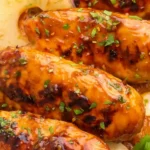
Tangy Hawaiian Pineapple Chicken
- Total Time: 30 minutes
- Yield: 4 servings 1x
- Diet: General
Description
This Hawaiian Chicken recipe is perfect for dinner on a busy weeknight for the whole family! Ready in just 30 minutes, with instructions on how to cook it on the grill or in the oven, you’ll want to save this delicious chicken recipe for later!
Ingredients
- ¾ cup unsweetened pineapple juice
- ½ cup brown sugar
- ¼ cup water
- 2 tablespoons low-sodium soy sauce
- 2 teaspoons freshly minced garlic
- 2 teaspoons minced ginger
- ½ teaspoon salt
- ¼ teaspoon red chili flakes
- 2 lbs boneless skinless chicken breasts
Instructions
- Make Marinade: Whisk together all marinade ingredients (pineapple juice through red pepper flakes). Reserve ½ cup and set aside. Place chicken in a zip-top bag or container just a little bigger than the amount needed for the chicken.
- Marinade Chicken: Pour the remaining marinade over and around the chicken. Seal and turn to coat. Allow the chicken to marinate for at least 30 minutes and up to 2 hours.
- Grill: Preheat grill to medium-high (about 400 degrees). Grill chicken for 15-20 minutes, flipping once halfway through until an internal temperature of 165 degrees F is reached.
- Oven Cook: Preheat oven to 400 degrees F and lightly grease a baking dish. Place chicken in the baking dish and bake for 20-25 minutes, until an internal temperature in the thickest part of the chicken reads 165 degrees F.
- To Serve: Meanwhile, cook the remaining marinade in a small pot on the stovetop on medium heat until reduced slightly. If desired, stir together a small amount of cornstarch and water to thicken the sauce. Serve with the cooked chicken.
Notes
Do not marinate chicken for more than 2 hours to prevent it from becoming mushy due to the pineapple juice. Leftovers store in the fridge for up to 4 days. You can freeze chicken in marinade before cooking or cooked chicken in sauce for up to 3 months.
- Prep Time: 10 minutes
- Cook Time: 20 minutes
- Category: Main Course
- Method: Grilling or Baking
- Cuisine: American
Nutrition
- Serving Size: 1 serving
- Calories: 397 kcal
- Sugar: 31 g
- Sodium: 854 mg
- Fat: 6 g
- Saturated Fat: 1 g
- Unsaturated Fat: 3 g
- Trans Fat: 0.03 g
- Carbohydrates: 34 g
- Fiber: 0.3 g
- Protein: 49 g
- Cholesterol: 145 mg