Prepare a healthy and flavorful meal with this simple oven-baked chicken recipe. This method ensures tender results using a homemade spice rub and high-heat cooking. It is an efficient choice for a protein-rich dinner that requires minimal cleanup.
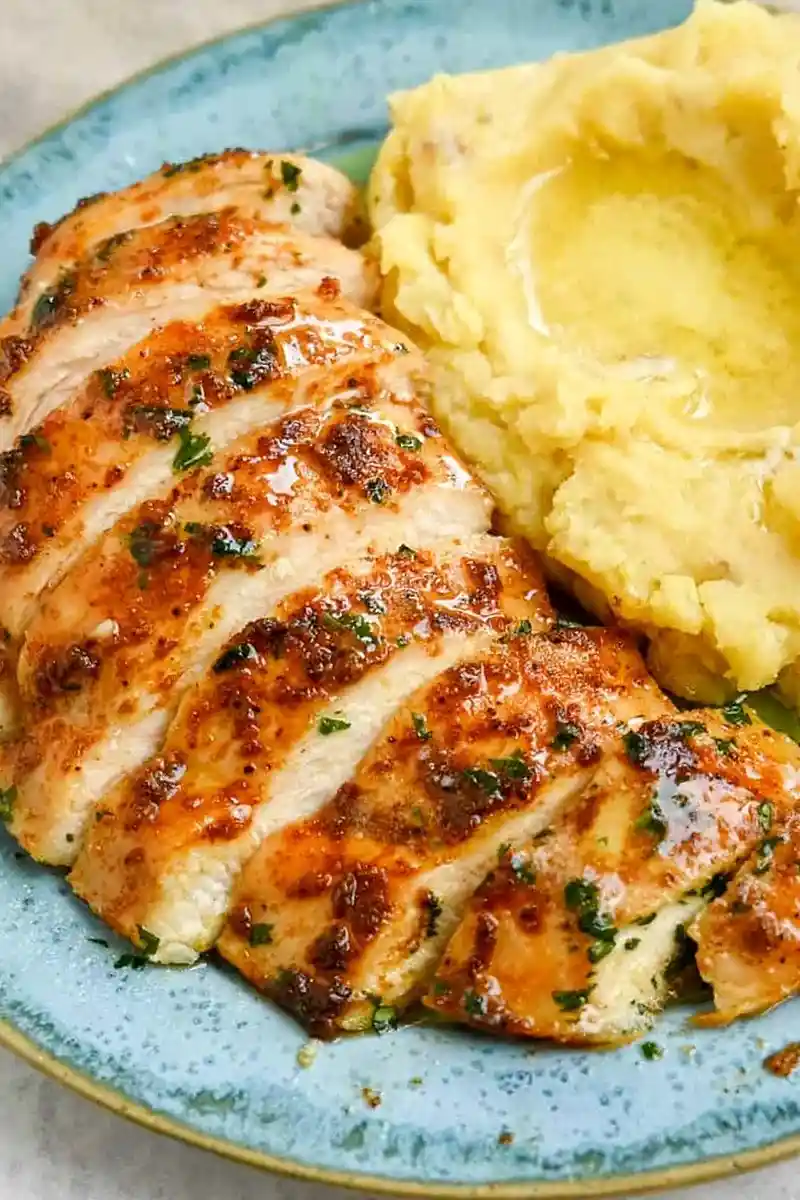
List of ingredients
- 4 Chicken Breasts – thinly sliced or butterflied for even cooking.
- 1 teaspoon Salt – essential for enhancing the natural flavors of the meat.
- 1 teaspoon Garlic Powder – use granulated garlic for a consistent coating.
- 1 teaspoon Onion Powder – provides a savory base without the need for fresh chopping.
- 1 teaspoon Chili Powder – adds a mild heat and complex depth.
- 1 to 2 teaspoons Paprika – use smoked paprika for a BBQ profile or sweet paprika for a milder taste.
- 1 Tablespoon Brown Sugar – helps create a golden-brown crust through caramelization.
- Olive Oil – used as a binder to help the spices stick to the chicken.
step-by-step instructions
- Preheat the Oven: Set your oven to 425 degrees. Using a high temperature helps seal in moisture and prevents the chicken from drying out.
- Prepare the Meat: If using thick breasts, butterfly them by cutting in half lengthwise or pound them with a mallet to a uniform thickness. This ensures all pieces cook at the same rate.
- Mix the Rub: Combine the salt, garlic powder, onion powder, chili powder, paprika, and brown sugar in a small mixing bowl. Stir until the spices are evenly distributed.
- Season the Chicken: Line a baking sheet with parchment paper or foil. Lightly drizzle each piece of chicken with olive oil, then press the spice rub firmly onto both sides of the meat.
- Bake: Place the seasoned chicken on the prepared sheet. Bake for 14-18 minutes depending on the thickness. Use a meat thermometer to confirm the internal temperature has reached 165 degrees.
- Rest the Meat: Remove the chicken from the oven and let it rest for 10 minutes before slicing. This allows the internal juices to redistribute, ensuring the meat remains moist.
- Optional Searing: For a deeper crust, heat a skillet with oil over medium-high heat. Sear the chicken for 2 minutes per side before transferring it to the oven, then reduce the baking time accordingly.
- Optional Garlic Butter Finish: Melt 4 tablespoons of salted butter and stir in 1/4 teaspoon of garlic powder and 1 teaspoon of minced fresh parsley. Drizzle this over the chicken just before serving.
Flavor Customization and Ingredient Substitutions
Choosing Between Smoked and Sweet Paprika
Smoked paprika provides a deep, woody flavor reminiscent of a grill or smoker. Sweet paprika offers a more subtle, peppery taste without the intense smokiness. Adjust the amount to 1 teaspoon if you prefer a less dominant spice profile.
Adjusting the Sugar Content
The brown sugar is used primarily for browning and a hint of sweetness. If you want to reduce the sugar, you can decrease the amount to 2 teaspoons. This will result in a slightly lighter crust but will still provide the necessary flavor balance.
Using Chicken Thighs Instead of Breasts
Boneless, skinless chicken thighs can be used as a substitute for breasts. Thighs have a higher fat content and are more forgiving, though they may require a few extra minutes of baking time to reach the safe internal temperature.
Managing Salt Levels
If you are using a low-sodium diet, you can replace the salt with a salt-free seasoning blend. Be sure to avoid garlic salt, as it will alter the proportions of the other spices in the rub.
Advanced Preparation Techniques
The Butterfly Cutting Method
Butterflying involves slicing through the thickest part of the breast without cutting all the way through. This opens the meat like a book, creating a thinner, wider piece. This technique prevents the edges from overcooking while the center is still raw.
Using a Meat Mallet for Uniformity
If you do not want to butterfly the meat, place the chicken between two sheets of plastic wrap. Use a meat mallet or a rolling pin to pound the thicker end until the entire breast is an even thickness. This ensures consistent heat penetration during the short bake time.
The Importance of Patting Meat Dry
Before applying olive oil and spices, pat the chicken dry with paper towels. Removing excess surface moisture allows the oil and rub to adhere better. This results in a better sear and prevents the chicken from steaming in the oven.
Bringing Meat to Room Temperature
Letting the chicken sit at room temperature for 15-20 minutes before baking can help it cook more evenly. Cold meat can cause the oven temperature to drop and may lead to uneven cooking where the outside is done but the inside is cold.
Oven Temperature and Timing Logic
Benefits of High-Heat Baking
Baking at 425 degrees is a fast-cooking method that minimizes the time the meat spends in the oven. This high heat creates a quick sear on the outside, which helps keep the interior juices from evaporating. Lower temperatures often lead to overcooked, dry breast meat.
Using a Digital Meat Thermometer
A digital thermometer is the only way to guarantee the chicken is cooked perfectly. Insert the probe into the thickest part of the breast. Remove the chicken as soon as it hits 165 degrees to avoid overcooking.
Understanding Carry-over Cooking
Meat continues to cook for several minutes after it is removed from the heat source. This is known as carry-over cooking. Taking the chicken out at exactly 165 degrees or slightly below allows it to reach the final safe temperature during the resting phase.
Impact of Chicken Thickness on Time
The baking window of 14-18 minutes is an estimate based on thin breasts. If your chicken is thicker than one inch, it may require the full 18 minutes or slightly more. Always rely on the internal temperature rather than the clock.
Serving and Pairing Suggestions
Hearty Starch Pairings
This chicken pairs well with creamy mashed potatoes or roasted root vegetables. For a lighter option, serve it alongside quinoa or wild rice. These sides balance the savory spice rub of the chicken.
Fresh Vegetable Accompaniments
Steam some broccoli or sauté spinach with a bit of lemon juice to add brightness to the meal. Roasted asparagus or glazed carrots also complement the smokiness of the paprika. These options provide a necessary nutritional balance.
Light Salad Combinations
A crisp garden salad with a vinaigrette can cut through the richness of the garlic butter. Try a mix of arugula, cherry tomatoes, and cucumbers. This adds a fresh element to the plate.
Creating a Complete Meal Plate
For a balanced plate, fill half the area with vegetables, one quarter with a complex carbohydrate, and one quarter with the baked chicken. This structure ensures a variety of textures and flavors in one sitting.
Storage and Freshness Guidelines
Optimal Refrigeration Methods
Store leftover chicken in a glass, airtight container to keep it fresh. This prevents the meat from absorbing other odors in the refrigerator and stops it from drying out. Label the container with the date of preparation.
Maximum Storage Duration
Baked chicken remains safe and flavorful in the refrigerator for 3 to 4 days. Beyond this point, the texture may begin to degrade, and the risk of spoilage increases. Always check for off-smells before consuming leftovers.
Freezing for Long-term Use
You can freeze cooked chicken for up to three months. Wrap the pieces tightly in freezer-safe foil or place them in a vacuum-sealed bag. This is a great way to prep protein for the week ahead.
Safe Defrosting Processes
Thaw frozen chicken slowly in the refrigerator overnight. Avoid thawing on the counter at room temperature to prevent bacterial growth. Once thawed, the chicken can be reheated using the methods described below.
Reheating Strategies
Preventing Dryness in the Microwave
When using a microwave, place the chicken in a microwave-safe dish and add a tablespoon of water or chicken broth. Cover the dish with a damp paper towel. Heat in short 30-second intervals to avoid toughening the proteins.
Oven Reheating for Better Texture
Place the chicken in a baking dish and add a small amount of liquid to the bottom. Cover the dish tightly with foil to trap the steam. Reheat at 300 degrees until the internal temperature reaches 165 degrees.
Stovetop Reheating Method
Place the chicken in a skillet over medium-low heat with a teaspoon of oil or butter. Cover the pan with a lid to create a steaming environment. This method helps preserve the crust while warming the center.
Adding Moisture During Reheating
If the chicken seems dry upon reheating, drizzle it with extra melted garlic butter or a squeeze of fresh lemon. This replenishes the fats and liquids lost during the first cooking and storage process.
Troubleshooting Common Issues
Preventing the Rub from Burning
If the brown sugar in the rub begins to burn, lower the oven temperature to 400 degrees. Ensure the chicken is not placed too close to the top heating element. A slightly lower temperature will still brown the meat without charring the sugar.
Fixing Overcooked Chicken
If the chicken is overcooked and dry, slice it thinly across the grain. Serve it with a generous amount of sauce, such as the garlic butter glaze or a side of gravy. This adds moisture back into every bite.
Managing Uneven Cooking
Uneven cooking usually happens when the chicken breasts vary in thickness. If some pieces are thinner than others, remove them from the oven as soon as they hit 165 degrees. Leave the thicker pieces in for the remaining time.
Improving the Sear Quality
If the chicken lacks color, ensure the skillet is very hot before adding the meat. Use an oil with a high smoke point, such as avocado or canola oil. Do not crowd the pan, as this lowers the temperature and causes the meat to steam.
Frequently Asked Questions
What type of chicken should I use in the oven?
You can use either chicken breasts or thighs. Thinly sliced breasts or butterflied breasts are recommended for this specific recipe to ensure the meat cooks quickly and stays juicy.
How do I know when chicken is fully cooked?
The chicken is fully cooked when it reaches an internal temperature of 165 degrees. Use a digital meat thermometer to check the thickest part of the breast to ensure safety and quality.
Can I use garlic salt instead of garlic powder?
It is not recommended to use garlic salt because the recipe already calls for a specific amount of salt. Using garlic salt would likely make the dish too salty.
Does the olive oil affect the flavor?
The olive oil acts mainly as a conduit for the spices and prevents sticking. It adds a very subtle fruity note that complements the savory spices without overpowering the dish.
Print
Juicy Baked Chicken
- Total Time: 25 minutes
- Yield: 4 servings 1x
- Diet: General
Description
This is the easiest baked chicken recipe that is so flavorful and juicy. This homemade spice rub is perfect for oven baked chicken and makes it perfectly spiced.
Ingredients
- 4 chicken breasts
- 1 teaspoon salt
- 1 teaspoon garlic powder
- 1 teaspoon onion powder
- 1 teaspoon chili powder
- 1 to 2 teaspoons paprika
- 1 tablespoon brown sugar
- Olive oil
Instructions
- Preheat: Preheat the oven to 425 degrees.
- Prepare: Butterfly the chicken by cutting in half lengthwise or use a mallet or rolling pin to pound the chicken into thinner pieces.
- Rub: In a bowl, stir together the salt, garlic powder, onion powder, chili powder, paprika, and brown sugar.
- Season: Line a baking sheet with foil or parchment paper, lightly drizzle the chicken with olive oil, and coat both sides with the seasoning.
- Bake: Bake for 14-18 minutes until the chicken is fully cooked at 165 degrees.
- Rest: Remove from the oven and let rest for 10 minutes before slicing.
Notes
For extra juicy chicken, drizzle with melted salted butter stirred with 1/4 teaspoon garlic powder and 1 teaspoon minced fresh parsley when serving.
- Prep Time: 10 minutes
- Cook Time: 15 minutes
- Category: Lunch or Dinner
- Method: Baking
- Cuisine: American
Nutrition
- Serving Size: 1 chicken breast
- Calories: 146 kcal
- Sugar: 3 g
- Sodium: 722 mg
- Fat: 3 g
- Saturated Fat: 1 g
- Unsaturated Fat: 1.5 g
- Trans Fat: 0.01 g
- Carbohydrates: 4 g
- Fiber: 0.3 g
- Protein: 24 g
- Cholesterol: 72 mg