This quick seafood dish recreates the famous buttery flavor of North Shore shrimp trucks. It is a high-protein meal that can be prepared in under 25 minutes.
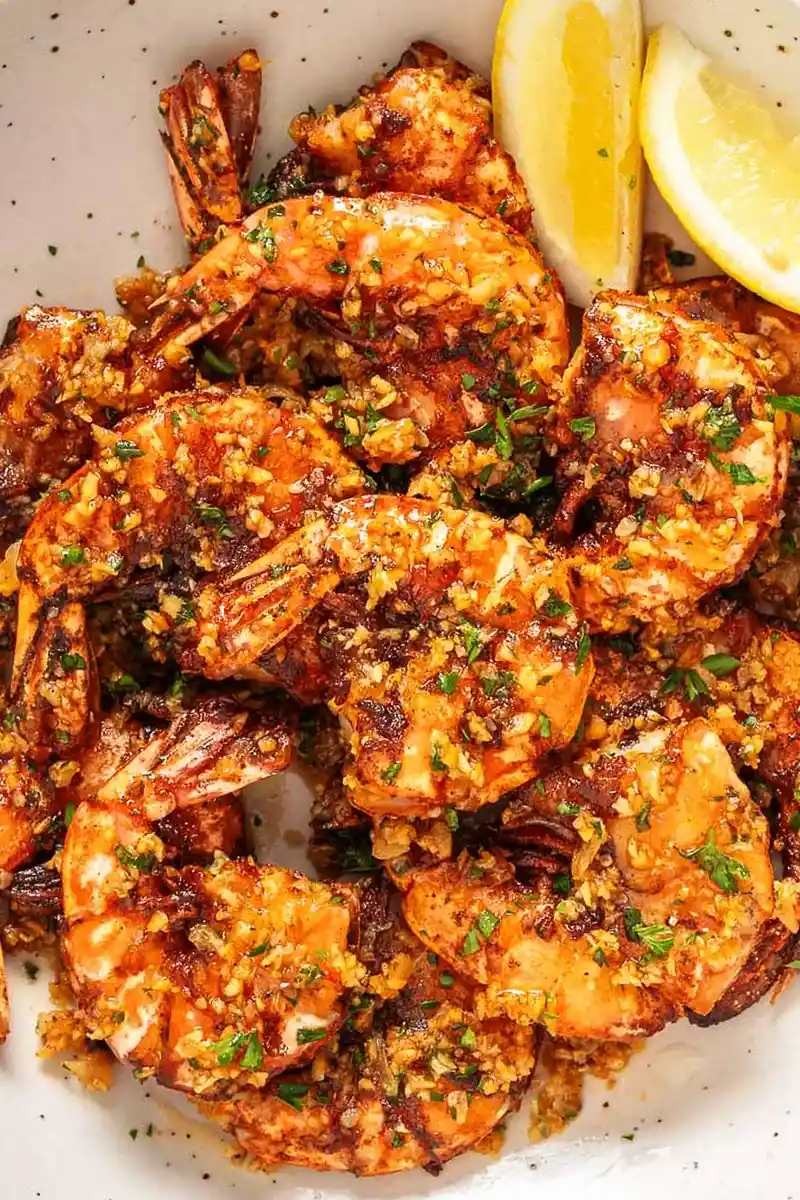
List of ingredients
- 1 lb shrimp (deveined) – use jumbo or colossal size for the best texture.
- 2 tablespoon glutinous rice flour (sweet rice flour) – helps create a crisp coating; all-purpose flour is a suitable alternative.
- 1 tablespoon paprika – provides a warm, smoky color and mild flavor.
- 1/2 teaspoon cayenne pepper – adds a subtle heat to the shrimp coating.
- 1 1/2 teaspoon salt – essential for seasoning the seafood.
- 8 tablespoons unsalted butter – the primary base for the rich garlic sauce.
- 1/2 cup (100 g) garlic, minced – approximately 2 heads of garlic for an intense aromatic flavor.
- 3 tablespoon olive oil – used for high-heat searing of the shrimp.
- 1 tablespoon lemon juice (freshly squeezed) – adds necessary acidity to balance the butter.
- 1 tablespoon fresh parsley (minced for garnish) – provides a fresh herbal finish.
step-by-step instructions
- Prepare the shrimp: Wash and devein the shrimp. You can either peel the shrimp leaving the tail on or leave the shrimp shell on. Pat dry with a paper towel to remove surface moisture.
- Coat the shrimp: In a mixing bowl, mix the glutinous rice flour, paprika, cayenne pepper, and salt. Evenly coat each piece of shrimp and set aside.
- Cook garlic butter: In a medium skillet over medium heat, melt the butter and then add the garlic. Cook the garlic until fragrant and lightly golden brown, about 2 minutes, ensuring it does not burn. Remove from heat and set aside.
- Cook shrimp: In the same pan over medium high heat, add the olive oil. Once the pan is hot, add the shrimp in a single layer for about 1-2 minutes on each side until crisp and cooked through. Use multiple batches if needed and add oil to the pan with every batch.
- Combine: Turn off the heat and pour the garlic butter back into the skillet and toss with the shrimp.
- Serve: Drizzle with lemon juice and garnish with minced parsley.
Optimizing Your Ingredients
Benefits of Glutinous Rice Flour
Glutinous rice flour contains a high amount of amylopectin, which creates a crispier, lighter coating than standard wheat flour. This prevents the shrimp from becoming soggy when tossed in the butter sauce. If unavailable, all-purpose flour works but will result in a denser crust.
Selecting the Right Shrimp Size
Using jumbo or colossal shrimp ensures that the seafood does not overcook during the high-heat searing process. Smaller shrimp cook too quickly and are more likely to become rubbery before a golden crust forms. Always ensure the shrimp are thoroughly deveined for the best eating experience.
Using Fresh vs Jarred Garlic
Freshly minced garlic contains allicin, which provides a pungent and sharp flavor essential to this recipe. Jarred minced garlic often contains preservatives and citric acid that can alter the taste and burn more quickly. Mince the garlic immediately before cooking to maximize the aromatic potency.
The Impact of Cayenne Pepper
Cayenne pepper introduces a focused heat that cuts through the richness of the eight tablespoons of butter. It works in tandem with the paprika to create a complex, warm flavor profile. You can adjust the quantity based on your personal tolerance for spice.
Mastering the Cooking Process
Achieving the Perfect Sear
High heat is necessary to trigger the Maillard reaction, which browns the flour coating and creates a savory crust. Ensure the olive oil is shimmering before adding the shrimp to avoid sticking. Searing each side for 1-2 minutes ensures the interior remains succulent while the exterior is crisp.
Managing Heat with Butter
Butter has a lower smoke point than olive oil and can burn quickly if the heat is too high. Use medium heat when infusing the garlic to allow the flavors to meld without scorching the milk solids. Remove the garlic butter from the pan immediately once the garlic edges turn golden.
Recognizing the Opaque Phase
Shrimp are cooked through when the flesh changes from a translucent grey to an opaque white or pink. Check the thickest part of the shrimp to ensure it is no longer see-through. Overcooking beyond this point will cause the shrimp to curl tightly and lose moisture.
The Importance of Patting Shrimp Dry
Excess moisture on the surface of the shrimp creates steam, which prevents the flour coating from adhering and searing. Use paper towels to pat each shrimp completely dry before dredging them in the seasoning mix. This ensures the coating remains thin and crisp rather than clumping.
Flavor Enhancement and Adjustments
Balancing Richness with Lemon Juice
The high butter content makes the dish very rich, which can overwhelm the palate over time. Adding fresh lemon juice at the very end introduces citric acid that brightens the overall flavor. This acidity cuts through the fat and highlights the garlic and shrimp.
Adjusting Salt Levels for Butter Types
This recipe calls for unsalted butter to allow for precise control over the sodium content. If you use salted butter, reduce the added salt in the flour coating by half. This prevents the final dish from becoming overly salty after the sauce reduces.
Adding Extra Heat
For those who prefer a spicier profile, add a pinch of crushed red pepper flakes during the garlic butter stage. Alternatively, you can increase the cayenne pepper in the flour mixture. These additions provide a lingering heat that complements the buttery sauce.
Enhancing Visual Appeal with Parsley
Freshly minced parsley adds a pop of green color that contrasts with the golden-brown shrimp. Beyond aesthetics, the fresh herb provides a clean, grassy note that refreshes the palate between bites. Use flat-leaf parsley for a stronger flavor profile.
Serving and Pairing Ideas
Serving with Steamed White Rice
Plain steamed jasmine or basmati rice is the ideal accompaniment to soak up the excess garlic butter sauce. The neutral flavor of the rice prevents the intense garlic from becoming overwhelming. For extra flavor, you can cook the rice in a light vegetable broth.
Pairing with Hawaiian Macaroni Salad
A creamy macaroni salad provides a cool, textural contrast to the warm, crisp shrimp. The mayonnaise-based dressing complements the buttery sauce and adds a refreshing element to the meal. Keep the salad chilled until the moment of serving.
Utilizing as a Taco Filling
These shrimp can be served inside warm corn tortillas for a fusion-style taco. Pair them with a shredded cabbage slaw and a squeeze of lime to mirror the flavors of the original recipe. This is an excellent option for appetizers or casual gatherings.
Adding Fresh Pineapple Slices
Grilled or fresh pineapple slices add a tropical sweetness that pairs naturally with garlic and lemon. The fruit’s natural sugars caramelize if grilled, providing a smoky sweetness. Place the shrimp directly on top of the pineapple for a professional presentation.
Storage and Quality Maintenance
Refrigeration Best Practices
Store leftover shrimp in an airtight glass container to prevent the seafood from absorbing other fridge odors. Ensure the shrimp are fully cooled before sealing the lid to avoid condensation. This prevents the coating from becoming mushy during storage.
Skillet Reheating Technique
To maintain the best texture, reheat the shrimp in a skillet over medium-low heat. Add a small knob of butter or a splash of water to loosen the sauce and prevent the shrimp from drying out. Heat only until warm to avoid overcooking the seafood.
Microwave Warming Tips
If using a microwave, cover the shrimp with a damp paper towel to retain moisture. Use short intervals of 30 seconds and stir gently between bursts. Be careful not to overheat, as microwave energy can make shrimp rubbery very quickly.
Maximum Storage Duration
Cooked shrimp should be consumed within three days when stored in the refrigerator. After this period, the quality of the seafood declines and the risk of spoilage increases. Always check for an off-smell before reheating stored seafood.
Common Cooking Questions
Can you eat the shells?
Yes, the shells are edible and many traditional Hawaiian shrimp trucks serve the dish shell-on. The shells help protect the meat from overcooking and hold more of the garlic butter sauce. However, you can easily peel them off before eating if you prefer.
Can I use pre-cooked shrimp?
While possible, raw shrimp are highly recommended because they absorb the flavors of the seasoning and butter as they cook. Pre-cooked shrimp can become tough and rubbery when reheated in a pan. If using pre-cooked, only warm them through quickly at the end.
What if the garlic burns?
If the garlic turns dark brown or black, it will taste bitter and ruin the sauce. It is best to discard the burnt garlic and butter and start the process over. To prevent this, keep the heat at a steady medium and stir constantly.
Can I use all-purpose flour instead?
Yes, all-purpose flour is a common substitute for glutinous rice flour. The result will be slightly less crisp and the coating will be a bit thicker. Ensure you shake off any excess flour to keep the coating thin.
Print
Hawaiian Garlic Shrimp
- Total Time: 25 minutes
- Yield: 5 servings 1x
- Diet: General
Description
Hawaiian shrimp trucks are famous for their buttery Hawaiian garlic shrimp. These large succulent garlic shrimp are cooked in a loaded garlic butter-infused sauce.
Ingredients
- 1 lb shrimp (deveined)
- 2 tablespoon glutinous rice flour (sweet rice flour) (or all-purpose flour)
- 1 tablespoon paprika
- 1/2 teaspoon cayenne pepper
- 1 1/2 teaspoon salt
- 8 tablespoons unsalted butter
- 1/2 cup (100 g) garlic, minced
- 3 tablespoon olive oil
- 1 tablespoon lemon juice (freshly squeezed)
- 1 tablespoon fresh parsley (minced for garnish)
Instructions
- Prepare the shrimp: Wash and devein the shrimp. You can either peel the shrimp leaving the tail on or leave the shrimp shell on. Pat dry with a paper towel.
- Coat the shrimp: In a mixing bowl, mix the glutinous rice flour, paprika, cayenne pepper, and salt. Evenly coat each piece of shrimp. Set aside.
- Cook garlic butter: In a medium skillet over medium heat, melt the butter and then add the garlic. Cook the garlic until fragrant and lightly golden brown, about 2 minutes. Watch carefully to not to burn the garlic. Then remove from heat and set aside.
- Cook shrimp: In the same pan over medium high heat, add the olive oil. Once the pan is hot, add the shrimp in a single layer for about 1-2 minutes on each side until crisp and cooked through. You may need to cook the shrimp in multiple batches make sure to add oil to the pan with every batch.
- Combine: Turn off the heat and pour the garlic butter back into the skillet and toss with the shrimp.
- Serve: Drizzle with lemon juice and garnish with minced parsley. Enjoy!
Notes
Pat the excess moisture and evenly coat the shrimp shells to prevent the seasoning from clumping. Remove garlic butter when lightly browned. Cook shrimp until the thickest part turns from translucent to opaque. Store in an airtight container in the refrigerator for up to 3 days.
- Prep Time: 15 minutes
- Cook Time: 10 minutes
- Category: Main Course
- Method: Stovetop
- Cuisine: American, Asian Fusion
Nutrition
- Serving Size: 1 serving
- Calories: 350 kcal
- Sugar: 0.3 g
- Sodium: 821 mg
- Fat: 28 g
- Saturated Fat: 13 g
- Unsaturated Fat: 13 g
- Trans Fat: 1 g
- Carbohydrates: 8 g
- Fiber: 1 g
- Protein: 20 g
- Cholesterol: 195 mg