This roasted shrimp dish delivers a savory blend of garlic and parmesan in under 30 minutes. It is a versatile, high-protein option that works perfectly as a main course or a sophisticated party appetizer.
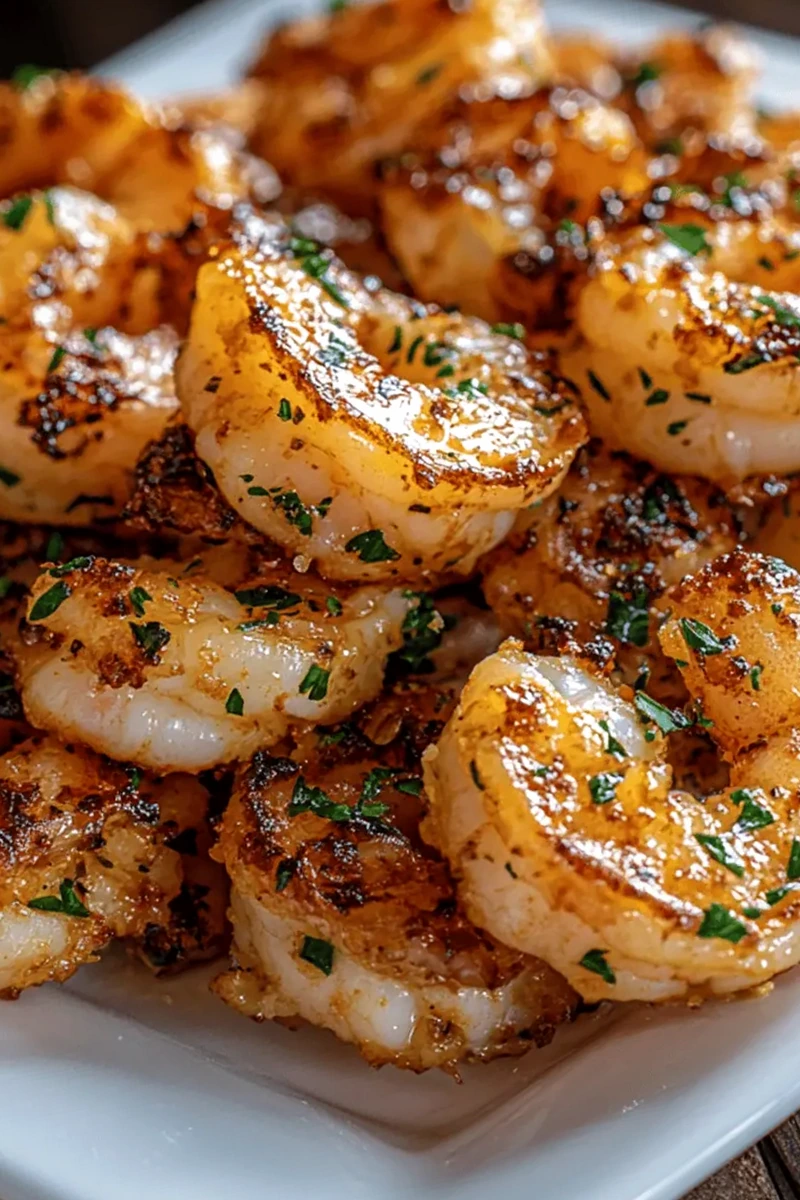
List of ingredients
- 1 pound Fresh Shrimp (deveined and peeled) – ensures quick cooking and a tender texture.
- 4 tablespoons Butter – adds richness and promotes a golden-brown finish (substitute olive oil for dairy-free).
- 4 cloves Minced Garlic – fresh cloves provide the most potent aromatic flavor.
- 1 cup Grated Parmesan Cheese – creates a salty, umami-rich crust on the seafood.
- 1 teaspoon Black Pepper – adds warmth and depth to the marinade.
- 1 teaspoon Red Pepper Flakes – optional for those who prefer a slight spicy kick.
step-by-step instructions
- Prepare Shrimp: Rinse the shrimp under cold water and pat them completely dry with paper towels to prevent steaming. Ensure all shells are removed and shrimp are deveined for optimal quality.
- Make Marinade: Melt the butter using a microwave or stovetop. Stir in the minced garlic, grated parmesan, black pepper, and red pepper flakes until a smooth paste forms.
- Coat Shrimp: Toss the shrimp into the marinade, ensuring every piece is fully covered. Let the shrimp soak for 5 to 10 minutes to allow the flavors to penetrate the meat.
- Preheat Oven: Set the oven to 400°F (200°C). Line a baking tray with parchment paper to prevent sticking and ensure an easy cleanup process.
- Bake: Arrange the marinated shrimp in a single layer on the tray. Bake for 10-12 minutes until the shrimp turn pink and opaque with slightly crisp edges.
- Serve: Remove from the oven and let cool for one minute. Garnish with a squeeze of fresh lemon juice and chopped parsley before serving immediately.
Optimizing Your Roasting Process
Remove Surface Moisture for Better Browning
Always pat your shrimp dry with paper towels before adding them to the marinade. Excess water creates steam in the oven, which prevents the parmesan from forming a crisp, golden crust. Dry shrimp sear more effectively, leading to a better texture.
Use a Single Layer on the Baking Sheet
Avoid overcrowding the baking tray by spreading the shrimp out in a single layer with space between them. Overcrowding leads to uneven cooking and causes the shrimp to release excess moisture. Proper spacing ensures the hot air circulates around each piece for uniform roasting.
Calibrate Oven Temperature for Precision
Maintaining a consistent temperature of 400°F is essential for the fast-roasting method. A lower temperature may overcook the shrimp before the cheese browns, while a higher temperature can burn the garlic. Using an oven thermometer can help verify that your appliance is accurate.
Monitor Cooking Time Based on Shrimp Size
Cooking times vary depending on whether you are using medium, large, or jumbo shrimp. Small shrimp may cook in as little as 8 minutes, while jumbo shrimp may require the full 12 minutes. Remove them the moment they curl into a ‘C’ shape to avoid a rubbery consistency.
Advanced Flavor Variations
Incorporating Fresh Lemon Zest
Stir finely grated lemon zest directly into the butter marinade before coating the shrimp. The citrus oils provide a bright, aromatic contrast to the heavy parmesan and butter. This addition cuts through the richness and elevates the overall flavor profile.
Adding Fresh Herbs for Aroma
Mix chopped fresh parsley, basil, or cilantro into the marinade or sprinkle them on after baking. Parsley adds a clean, peppery finish, while basil provides a sweet, herbal note. Fresh herbs keep the dish tasting light and fresh despite the savory cheese coating.
Increasing the Heat with Cayenne Pepper
For those who find red pepper flakes too mild, add a pinch of cayenne pepper to the mixture. Cayenne provides a more consistent, biting heat that permeates the entire dish. Start with a small amount and adjust to your personal spice tolerance.
Substituting Parmesan with Pecorino Romano
Replace the grated parmesan with Pecorino Romano for a sharper, saltier taste. Pecorino is made from sheep’s milk and offers a more pungent flavor that pairs exceptionally well with garlic. Be cautious with additional salt when using this substitute as it is naturally saltier.
Including Roasted Vegetables on the Same Pan
Add cherry tomatoes, asparagus spears, or thin slices of zucchini to the baking tray alongside the shrimp. These vegetables roast in a similar timeframe and absorb the garlic butter drippings. This transforms the recipe into a complete, one-pan nutritional meal.
Mixing in Cooked Pasta
Toss cooked linguine or fettuccine onto the baking sheet during the last 3 minutes of roasting. The pasta absorbs the melted garlic butter and parmesan from the shrimp. This creates a cohesive dish where the pasta is infused with the seafood flavors.
Using a Garlic-Heavy Topping
For an intense flavor, add a layer of roasted garlic cloves, mashed into a paste, over the shrimp after they come out of the oven. This adds a mellow, caramelized sweetness that complements the sharp raw garlic in the marinade. It is an ideal choice for those who enjoy a bold garlic presence.
Strategic Preparation and Storage
Marinating Shrimp up to 24 Hours Ahead
You can prepare the shrimp and marinade a day in advance to save time on busy weeknights. Store the coated shrimp in an airtight container in the refrigerator for up to 24 hours. This extended marinating time allows the garlic and parmesan to penetrate deeper into the shrimp.
Cooling Shrimp Before Refrigeration
Allow leftover roasted shrimp to reach room temperature before sealing them in a container. Placing hot shrimp directly into a closed container creates condensation, which makes the crust soggy. Proper cooling preserves the integrity of the parmesan coating.
Using a Single Layer for Freezer Storage
To freeze cooked shrimp, flash-freeze them on a baking sheet for an hour before transferring them to a freezer bag. This prevents the shrimp from clumping together into a solid block. They can be stored this way for up to 3 months without losing significant quality.
Reheating Shrimp in the Oven to Preserve Texture
Avoid using the microwave to reheat shrimp, as it often makes them rubbery and tough. Instead, place them in a 350°F (175°C) oven for 10-15 minutes. This method gently warms the seafood while maintaining the crispness of the cheese.
Thawing Frozen Shrimp Gradually in the Fridge
If you have frozen the cooked shrimp, move them to the refrigerator overnight to thaw slowly. Rapid thawing in warm water can damage the delicate protein structure of the seafood. Slow thawing ensures the shrimp remain juicy and tender upon reheating.
Suggested Side Dish Pairings
Pairing with Creamy Risotto
Serve the roasted shrimp over a bed of lemon or parmesan risotto. The creamy, velvety texture of the rice provides a luxurious base that complements the roasted edges of the shrimp. The starch in the risotto helps balance the intensity of the garlic.
Serving with Steamed Asparagus
Steamed or blanched asparagus offers a fresh, crisp contrast to the rich butter sauce. The natural bitterness of the asparagus cuts through the saltiness of the parmesan. This pairing adds a vibrant green color to the plate and increases the nutrient density.
Accompanying with Toasted Garlic Bread
Warm, crusty garlic bread is ideal for soaking up any leftover butter and cheese from the baking tray. Toast the bread with a bit of olive oil and parsley to mirror the flavors of the shrimp. It adds a satisfying crunch to the meal.
Balancing with a Citrus-Based Salad
A light arugula salad with an orange or lemon vinaigrette provides a necessary acidic balance. The bitterness of the greens and the acidity of the citrus cleanse the palate between bites of savory shrimp. This prevents the richness of the butter from becoming overwhelming.
Using Lemon Orzo as a Base
Toss cooked orzo with fresh lemon juice, zest, and a touch of olive oil. The small, rice-shaped pasta provides a light and fluffy foundation for the shrimp. This combination is particularly effective for summer dinners when a lighter grain is preferred.
Pairing with Herbed Quinoa
For a gluten-free and high-protein alternative, serve the shrimp over quinoa tossed with fresh mint and parsley. The nutty flavor of the quinoa adds an earthy dimension to the dish. It also provides a hearty texture that makes the meal more filling.
Frequently Asked Questions
What type of shrimp should I use for this recipe?
Fresh, deveined, and peeled shrimp are the best choice for a tender and juicy result. If using frozen shrimp, ensure they are completely thawed and patted dry before marinating to avoid watering down the sauce.
How should I store leftover Garlic Parmesan Roasted Shrimp?
Place leftovers in an airtight container and keep them in the refrigerator for up to 2 days. Always ensure the shrimp are fully cooled before sealing the container to maintain freshness.
Can I freeze Garlic Parmesan Roasted Shrimp?
Yes, cooked shrimp can be frozen for up to 3 months. Flash-freeze them individually on a tray first, then move them to a freezer-safe bag to prevent them from sticking together.
What if my shrimp isn’t cooking evenly?
Uneven cooking is usually caused by varying shrimp sizes or overcrowding the pan. Ensure you use shrimp of a similar size and arrange them in a single layer with space between each piece.
Are there any dietary considerations for this recipe?
This recipe is naturally gluten-free. For a dairy-free version, substitute the butter with olive oil and the parmesan with a plant-based parmesan alternative or nutritional yeast.
How can I enhance the flavor of my Garlic Parmesan Roasted Shrimp?
Marinate the shrimp for 30 to 60 minutes in the fridge before baking to deepen the flavor. A final squeeze of fresh lemon juice and a sprinkle of fresh parsley just before serving will brighten the dish.
Print
Garlic Parmesan Roasted Shrimp: Fork-Tender Flavor in Minutes
- Total Time: 32 minutes
- Yield: 4 servings 1x
- Diet: Gluten-Free
Description
Garlic Parmesan Roasted Shrimp is a quick and satisfying seafood dish perfect for busy weeknights.
Ingredients
- 1 pound fresh shrimp, deveined and peeled
- 4 tablespoons butter (or olive oil)
- 4 cloves minced garlic
- 1 cup grated microbial-rennet Parmesan cheese
- 1 teaspoon black pepper
- 1 teaspoon red pepper flakes
Instructions
- Prepare Shrimp: Rinse fresh shrimp under cold water, pat dry thoroughly, and remove shells and devein.
- Make Marinade: Melt butter, then combine with minced garlic, grated Parmesan, black pepper, and red pepper flakes.
- Coat Shrimp: Add shrimp to marinade, ensure thorough coating, and let soak for 10 minutes.
- Preheat Oven: Set oven to 400°F (200°C) and line baking tray with parchment paper.
- Bake: Arrange marinated shrimp in a single layer and bake for 10-12 minutes until pink and opaque.
- Serve: Remove from oven, garnish with lemon juice and parsley, and serve immediately.
Notes
Store leftovers in an airtight container in the fridge for up to 2 days. For longer storage, freeze for up to 3 months.
- Prep Time: 10 minutes
- Cook Time: 12 minutes
- Category: Dinner
- Method: Baking
- Cuisine: American
Nutrition
- Serving Size: 1 serving
- Calories: 250 kcal
- Sugar: 1 g
- Sodium: 300 mg
- Fat: 18 g
- Saturated Fat: 10 g
- Unsaturated Fat: 7 g
- Trans Fat: 0 g
- Carbohydrates: 2 g
- Fiber: 0 g
- Protein: 22 g
- Cholesterol: 150 mg