Prepare a restaurant-quality meal in just 20 minutes with this sweet and spicy glaze. This salmon recipe is ideal for those seeking a healthy, high-protein dinner that requires minimal effort.
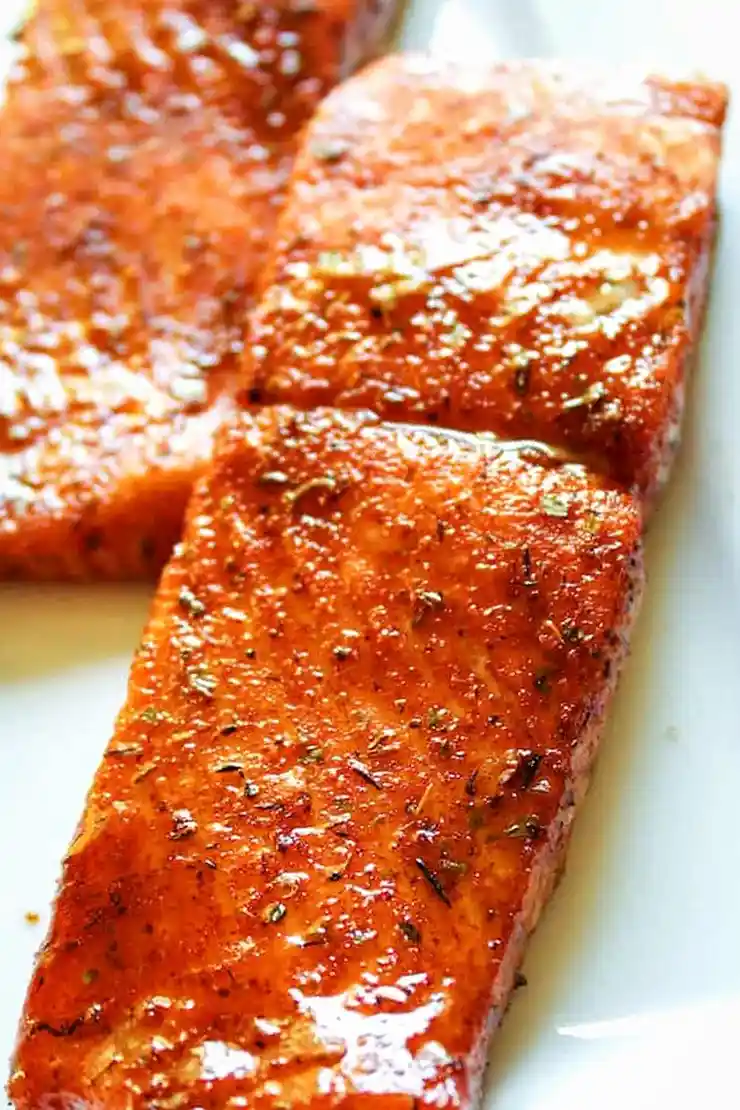
List of ingredients
- 2-4 salmon fillets, skinless, about 6-8 ounces each – ensures a consistent cooking time across all pieces.
- 4 tablespoons dark brown sugar – provides a deep, molasses-like sweetness and helps create a caramelized crust.
- 2 teaspoons Cajun/Creole seasoning – adds a bold, spicy kick to balance the sweetness of the sugar.
- Kosher salt – used for initial seasoning to enhance the natural flavor of the fish.
step-by-step instructions
- Prepare the Oven: Preheat your oven to 400º.
- Combine the Rub: Mix the dark brown sugar and Cajun seasoning together in a small bowl until well combined.
- Initial Seasoning: Lightly salt both sides of each salmon fillet.
- Apply the Glaze: Place a heaping tablespoon of the brown sugar mixture on top of each piece of salmon.
- Coat the Fish: Gently rub the mixture all over both sides of the salmon until it is evenly coated.
- Set up the Pan: Place the seasoned salmon fillets on a baking sheet lined with aluminum foil.
- Bake: Bake in the middle of the oven for 12 minutes.
- Rest and Serve: Remove the salmon from the oven and let it rest for 3 minutes before serving.
Optimizing Your Baking Technique
The Importance of Middle Rack Placement
Placing your baking sheet on the center rack ensures that the heat circulates evenly around the fish. If the salmon is too close to the top element, the brown sugar may burn before the center is cooked. The bottom rack can result in uneven cooking of the fillets.
Managing Oven Hot Spots
Every oven has slight temperature variations in different corners. To ensure an even bake, rotate your baking sheet halfway through the cooking process. This prevents one side of the salmon from becoming over-caramelized while the other remains pale.
Utilizing a Meat Thermometer
The most accurate way to determine doneness is by using an instant-read meat thermometer. Aim for an internal temperature of 145°F at the thickest part of the fillet. This ensures the salmon is safe to eat while remaining moist and tender.
The Role of the Resting Period
Allowing the fish to rest for three minutes after leaving the oven is crucial. During this time, the juices redistribute throughout the fillet, preventing them from running out immediately upon slicing. This step keeps the fish succulent.
Using Heavy-Duty Aluminum Foil
Lining your pan with heavy-duty foil prevents the caramelized sugar from sticking to the baking sheet. It also makes the cleanup process significantly faster. Ensure the foil is flat to provide a stable surface for the fillets.
Customizing Your Flavor Profile
Switching to Light Brown Sugar
If you prefer a milder sweetness, you can substitute dark brown sugar with light brown sugar. Light brown sugar contains less molasses, resulting in a brighter flavor and a lighter colored glaze. The cooking time and measurements remain the same.
Increasing the Heat Level
For those who enjoy a more intense spice, increase the Cajun seasoning to one tablespoon. You can also add a pinch of cayenne pepper or red chili flakes to the rub. Always taste the dry rub before applying it to the fish.
Adding a Citrus Component
Squeezing fresh lemon or lime juice over the salmon after baking adds a bright acidity. This cuts through the richness of the salmon and the sweetness of the sugar. A few lemon slices placed on top during baking also add a professional look.
Incorporating Fresh Herbs
Garnish the finished dish with chopped fresh parsley or green onions. These herbs add a fresh, earthy contrast to the spicy and sweet notes of the glaze. Adding them at the end preserves their color and flavor.
Using Salt-Free Seasoning Blends
Check your Cajun seasoning label to see if salt is already included. If it is, omit the initial kosher salt step to prevent the dish from becoming overly salty. Adjusting the salt based on the spice blend is key to a balanced taste.
Alternative Protein Choices
Substituting with Steelhead Trout
Steelhead trout has a similar texture and fat content to salmon, making it an excellent substitute. Use the same rubbing technique and cooking time. The result is a slightly milder flavor but the same delicious caramelization.
Using Arctic Char
Arctic char is another great alternative that pairs well with sweet and spicy glazes. It is generally leaner than Atlantic salmon, so keep a close eye on the timer. Reduce the baking time by one or two minutes if the fillets are thinner.
Adapting for Cod or Halibut
White fish like cod or halibut can be used, although they lack the natural oils of salmon. You may need to add a small amount of olive oil to the fish before applying the rub. Be careful not to overcook these, as they can dry out faster.
Adjusting for Thick-Cut Fillets
If you are using a single large piece of salmon instead of individual fillets, increase the baking time. Depending on the thickness, you may need an additional 3 to 5 minutes. Use a thermometer to ensure the center reaches the proper temperature.
The Best Side Dish Pairings
Complementary Grain Options
Serve this salmon with fluffy quinoa or brown rice to absorb the extra glaze. Basmati rice is also a great choice for its light texture. These grains provide a neutral base that balances the bold Cajun spices.
Low-Carb Vegetable Accompaniments
Roasted asparagus or sautéed spinach are perfect pairings for this recipe. Their slight bitterness complements the sweetness of the brown sugar. Steam them or roast them on a separate pan at the same oven temperature.
Fresh Salad Pairings
A crisp garden salad with a light vinaigrette adds a refreshing element to the meal. Avoid heavy creamy dressings that might overwhelm the flavors of the salmon. A simple mix of arugula and lemon dressing works best.
Starchy Side Alternatives
Mashed cauliflower or a small portion of roasted sweet potatoes can add heartiness to the plate. The natural sweetness of sweet potatoes mirrors the brown sugar in the glaze. Keep the portions moderate to maintain a healthy balance.
Storage and Preservation
Proper Refrigeration Steps
Allow the salmon to cool completely before placing it in a container. This prevents steam from building up, which can make the glaze soggy. Store the fish in an airtight container to keep it fresh.
Air-Tight Container Selection
Use glass containers with locking lids for the best storage results. Glass does not absorb odors and keeps the fish tasting fresh for longer. Properly sealed containers prevent the salmon from picking up other flavors from the fridge.
Freezing Cooked Salmon
While fresh is best, you can freeze cooked salmon for up to two months. Wrap each fillet tightly in plastic wrap and then place them in a freezer-safe bag. This prevents freezer burn and preserves the glaze.
Thawing Procedures
Thaw frozen salmon slowly in the refrigerator overnight. Avoid thawing at room temperature to maintain food safety. Once thawed, reheat gently to avoid overcooking the delicate protein.
Reheating Without Drying Out
The Low-Temperature Oven Method
The best way to reheat salmon is in an oven set to 275°F. Place the fillets on a baking sheet and heat for about 10 minutes. This slow process prevents the fish from becoming tough or rubbery.
Microwave Steaming Technique
If using a microwave, place the salmon on a plate and cover it with a damp paper towel. Heat on medium power in short 30-second intervals. The damp towel creates a steam effect that keeps the fish moist.
Avoid High Heat Settings
Never reheat salmon on high heat or in a frying pan over high flames. This will cause the brown sugar glaze to burn and the fish to dry out rapidly. Patience is key when reheating seafood.
Adding Moisture During Reheating
Add a teaspoon of water or a small pat of butter to the fish before reheating. This introduces extra moisture into the fillet. It helps recreate the original succulent texture of the freshly baked salmon.
Preparation and Meal Planning
Prepping the Dry Rub in Advance
You can make a large batch of the Cajun sugar rub and store it in a jar. This makes weeknight cooking even faster. Simply scoop out a tablespoon whenever you are ready to prepare your fish.
Marinating Tips
While this is a rub-based recipe, you can apply the mixture an hour before baking. This allows the sugar and spices to penetrate deeper into the flesh. Store the seasoned fish in the fridge until you are ready to bake.
Freezing Portioned Fillets
Buy salmon in bulk and freeze individual portions in vacuum-sealed bags. This ensures you always have fish on hand for this recipe. Thaw them in the fridge the day before you plan to cook.
Time-Saving Prep Hacks
Line your baking sheets with foil as soon as you finish your morning cleanup. Have your mixing bowl and measuring spoons ready on the counter. These small steps reduce the overall prep time to under five minutes.
Common Cooking Challenges
Preventing Sugar Burn
If you notice the sugar browning too quickly, lower the oven temperature by 25 degrees. You can also lightly tent the salmon with a piece of foil. This protects the surface while the inside finishes cooking.
Addressing Uneven Cooking
Ensure your salmon fillets are of similar thickness before starting. If some are much thinner than others, remove them from the oven a few minutes early. This prevents the smaller pieces from overcooking.
Fixing Overly Salty Fish
If the dish tastes too salty, serve it with a squeeze of fresh lemon juice. The acidity helps neutralize the saltiness. Alternatively, pair it with an unsalted side dish like steamed broccoli.
Dealing with Salmon Stickiness
The glaze is naturally sticky due to the brown sugar. To avoid sticking to the plate, use a wide spatula for serving. If the fish sticks to the foil, let it cool for another minute before lifting.
Frequently Asked Questions
Can I use frozen salmon?
Yes, but you must thaw it completely before applying the rub. Applying the glaze to frozen fish will result in uneven cooking and a watery glaze. Thaw fillets in the refrigerator for the best results.
What is the best type of salmon for this?
Atlantic or Sockeye salmon both work well. Atlantic salmon is generally oilier and more forgiving during the baking process. Sockeye has a deeper flavor but can dry out more quickly if overcooked.
How do I tell if salmon is perfectly cooked?
The salmon should flake easily with a fork. The color should change from translucent raw pink to an opaque light pink. Using a thermometer to hit 145°F is the most reliable method.
Can I use a different sugar?
Coconut sugar is a great alternative for a deeper, caramel-like taste. Maple sugar also works well and adds a distinct woody sweetness. Avoid using granulated white sugar as it doesn’t caramelize as effectively.
Is it better to keep the skin on?
This recipe uses skinless fillets for a more uniform glaze. However, you can keep the skin on and simply rub the mixture on the top side. The flesh will easily separate from the skin after cooking.
Print
Cajun Brown Sugar Salmon
- Total Time: 20 minutes
- Yield: 4 servings 1x
- Diet: General
Description
Cajun Brown Sugar Salmon ~ sweet and spicy glazed salmon, so easy and on the table in 20 minutes! Perfect for weeknights and getting your healthy fix on.
Ingredients
- 2–4 salmon fillets, skinless, about 6–8 ounces each
- 4 tablespoons dark brown sugar
- 2 teaspoons Cajun/Creole seasoning
- Kosher salt
Instructions
- Preheat: Preheat oven to 400º
- Season: Mix brown sugar and Cajun seasoning in a small bowl. Lightly salt both sides of salmon fillets. Place a heaping tablespoon of brown sugar mixture on top of each piece of salmon. Gently rub all over both sides of salmon until evenly coated.
- Bake: Place seasoned salmon on foil-lined baking sheet. Bake in middle of oven for 12 minutes, take out of oven and let rest for 3 minutes. Enjoy!
Notes
This recipe is adaptable to any number of fillets. If your Cajun seasoning brand already contains salt, adjust the additional salt accordingly. Salmon with skin on can also be used.
- Prep Time: 5 minutes
- Cook Time: 12 minutes
- Category: Main Course
- Method: Baking
- Cuisine: American
Nutrition
- Serving Size: 1 fillet
- Calories: 169 kcal
- Sugar: 12 g
- Sodium: 41 mg
- Fat: 6 g
- Saturated Fat: 1 g
- Unsaturated Fat: 4 g
- Trans Fat: 0 g
- Carbohydrates: 12 g
- Fiber: 1 g
- Protein: 17 g
- Cholesterol: 47 mg