This flavorful marinade combines ginger, soy, and honey to create a perfectly balanced glaze for salmon. It is an ideal choice for those seeking a restaurant-quality fish dish with minimal preparation time.
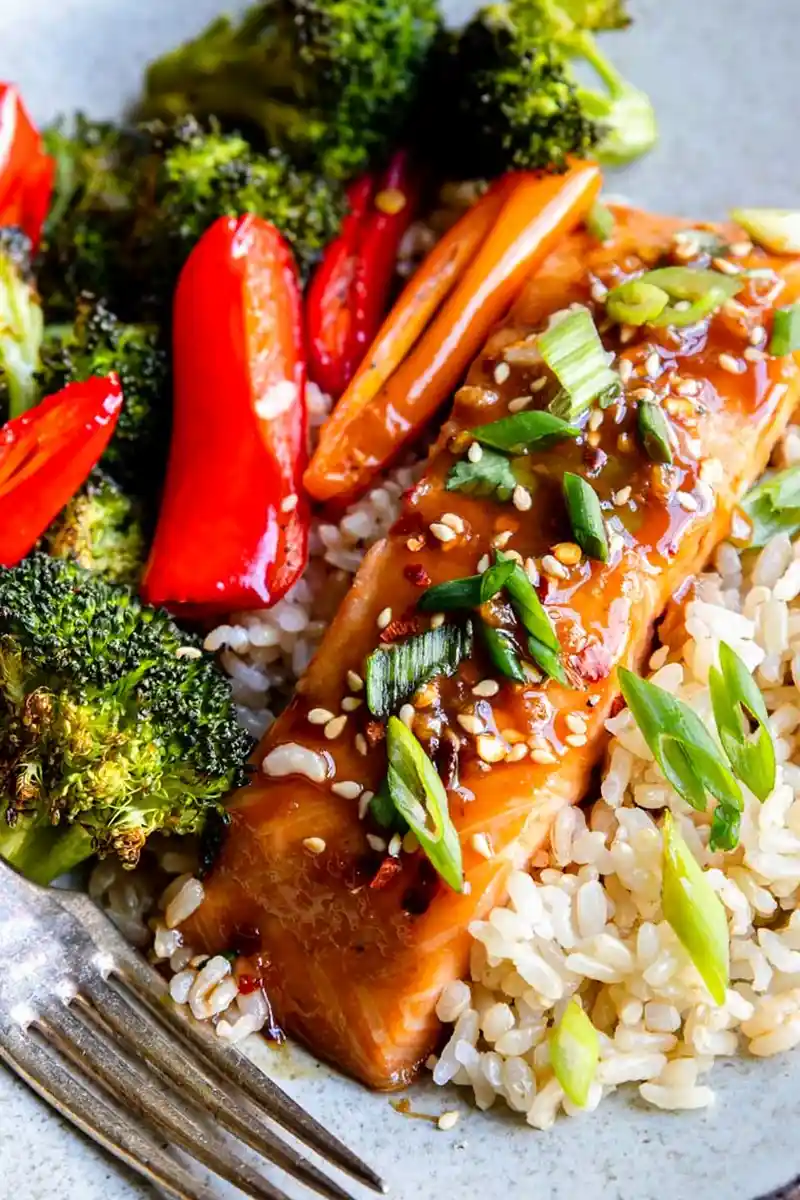
List of ingredients
- Fresh Salmon – high quality fillets are recommended.
- 1/3 cup (scant) Soy sauce – provides the essential salty base.
- 1/4 cup Honey – adds sweetness and helps the fish caramelize.
- 2 tsp toasted sesame oil – contributes a rich, nutty aroma.
- 2 tsp fresh ginger (grated or minced) – adds a zesty, aromatic heat.
- 2 tsp unseasoned rice vinegar – provides a balanced acidity.
- 2 large garlic cloves (minced) – delivers pungent depth.
- 1/4 tsp red pepper flakes – provides a subtle spicy kick.
- Garnishes: toasted sesame seeds, green onions, lime wedges, and cilantro.
step-by-step instructions
- Prepare the marinade: Combine the soy sauce, honey, toasted sesame oil, grated ginger, unseasoned rice vinegar, minced garlic, and red pepper flakes in a mixing bowl. Stir until the honey is fully incorporated.
- Prepare the container: Pour the combined marinade into a shallow glass dish or a sealable plastic Ziplock bag.
- Coat the fish: Place the salmon fillets into the marinade. If using skin-on fillets, place them flesh side down and spoon the marinade over the top to ensure every surface is covered.
- Marinate: Allow the salmon to marinate at room temperature. Individual fillets should marinate for 30 minutes to one hour. Whole salmon fillets can marinate for up to two hours.
- Remove and reserve: Carefully lift the salmon out of the marinade. Reserve the leftover liquid in a separate container to use as a finishing sauce.
- Cook: Prepare the salmon using your chosen method, such as baking, grilling, or pan-searing, until the internal temperature reaches 145 degrees Fahrenheit.
- Prepare the sauce: Pour the reserved marinade into a small pot over medium-low heat. Simmer for a few minutes until the liquid reduces and thickens slightly, then drizzle over the cooked fish.
Recommended Cooking Methods
Baking in the Oven
Preheat your oven to 400 degrees Fahrenheit. Place the marinated fillets on a parchment-lined baking sheet and bake for 12 to 15 minutes. This method ensures even cooking and minimal cleanup.
Pan-Searing on the Stovetop
Heat a tablespoon of oil in a non-stick skillet over medium-high heat. Sear the salmon for about 4 to 5 minutes per side until a golden crust forms. This technique provides the best texture and a charred exterior.
Grilling for Smoky Flavor
Preheat your grill to medium-high heat and lightly oil the grates. Grill the fillets for 5 to 6 minutes per side. The high heat caramelizes the honey in the marinade for a deep, smoky taste.
Using the Air Fryer
Set your air fryer to 380 degrees Fahrenheit. Place the fillets in the basket in a single layer and cook for 8 to 12 minutes depending on the thickness. This is the fastest way to achieve a crisp exterior while keeping the inside moist.
Cooking in Foil Packets
Place each fillet on a piece of aluminum foil and fold the edges to create a sealed pouch. Bake at 375 degrees Fahrenheit for 15 to 20 minutes. This steams the fish in the marinade, resulting in an extremely tender texture.
Broiling for a Quick Char
Set your oven to the broil setting and place the salmon on the top rack. Broil for 5 to 8 minutes, watching closely to prevent the honey from burning. This creates a rich, caramelized glaze on the surface.
Poaching the Fillets
Simmer the salmon gently in a shallow pan with a small amount of water or vegetable broth. Cook on low heat until the fish flakes easily with a fork. This is the gentlest method and prevents the fish from drying out.
Ingredient Substitutions and Alternatives
Using Coconut Aminos for Less Sodium
If you need a lower-sodium alternative to soy sauce, use coconut aminos in a 1:1 ratio. This provides a similar savory profile with a slightly sweeter undertone. It is also a suitable option for those avoiding soy.
Substituting Maple Syrup for Honey
Pure maple syrup can be used as a direct replacement for honey. While the flavor profile shifts slightly toward a woody sweetness, it still caramelizes beautifully during the cooking process. Ensure you use grade A maple syrup for the best result.
Replacing Fresh Ginger with Ground Ginger
If fresh ginger is unavailable, use ground ginger powder. Use 1/2 teaspoon of powder for every 2 teaspoons of fresh ginger. Note that the flavor will be more concentrated and less bright than the fresh root.
Using Apple Cider Vinegar
In the absence of unseasoned rice vinegar, apple cider vinegar is a viable substitute. It provides the necessary acidity to balance the sugars in the honey. Use the same quantity as listed in the original recipe.
Customizing the Flavor Profile
Adding Extra Heat with Sriracha
For those who prefer a spicier dish, whisk in a tablespoon of Sriracha or chili garlic sauce. This adds a vinegary heat that complements the ginger and garlic. Adjust the amount based on your personal heat tolerance.
Incorporating Citrus Notes
Squeeze fresh lime or lemon juice into the marinade before adding the fish. The citrus acidity cuts through the richness of the salmon and the sweetness of the honey. This creates a brighter, more refreshing flavor profile.
Increasing Nutty Depth with Sesame Paste
Whisk in a teaspoon of tahini or sesame paste to thicken the marinade. This intensifies the nuttiness of the toasted sesame oil. It results in a creamier glaze that clings better to the fish.
Serving and Pairing Suggestions
Best Grains for Pairing
Serve this salmon over a bed of steamed jasmine rice or brown rice to soak up the extra sauce. Quinoa is another excellent option for added protein and texture. For a lower-carb choice, cauliflower rice works well.
Complementary Vegetable Sides
Steamed bok choy or sautéed snap peas provide a crisp contrast to the tender salmon. Roasted broccoli or grilled asparagus also pair well with the Asian flavors. Toss the vegetables in a bit of sesame oil to match the theme.
Fresh Garnish Combinations
Top the finished dish with sliced green onions and toasted sesame seeds for visual appeal and crunch. A squeeze of fresh lime juice right before serving enhances the flavors. Fresh cilantro leaves add a herbal brightness to the plate.
Storage and Make-Ahead Advice
How to Store Excess Marinade
Keep any unused marinade in an airtight glass jar in the refrigerator. It will stay fresh for up to one week. Always boil the marinade before using it as a sauce if it has been in contact with raw fish.
Freezing the Prepared Marinade
You can freeze the marinade in ice cube trays for portioned use. Once frozen, transfer the cubes to a freezer bag. These can be thawed overnight in the fridge for a quick weeknight meal.
Pre-marinating Guidelines
For the best flavor, marinate the fish for at least 30 minutes. However, avoid marinating for more than four hours. The acid in the vinegar will begin to break down the protein fibers, making the fish mushy.
Cooking Tips and Troubleshooting
Avoiding Mushy Salmon
The primary cause of mushy salmon is over-marinating in acidic liquids. Stick to the recommended timeframe of 30 minutes to 2 hours. If you must prep early, marinate the fish for 15 minutes, refrigerate, and then finish marinating just before cooking.
Preventing the Sauce from Burning
Because of the high honey content, the sauce can burn quickly on the stove. Keep the heat at medium-low and stir constantly. If the sauce becomes too thick, add a teaspoon of water to thin it out.
Checking for Perfect Doneness
Use an instant-read thermometer to check the thickest part of the fillet. Remove the salmon from the heat when it hits 140 degrees Fahrenheit. Carry-over cooking will bring it to the safe 145 degrees Fahrenheit without overcooking the center.
Frequently Asked Questions
Can I use this marinade for other types of fish?
Yes, this marinade works exceptionally well with halibut, cod, or tilapia. These white fish are milder and absorb the ginger and soy flavors efficiently. Adjust the marinating time to 30 minutes for thinner fillets.
Do I have to use skin-on salmon?
No, you can use skinless fillets. If using skinless salmon, you can marinate both sides of the fish equally. The cooking time remains the same regardless of whether the skin is present.
Can I make this marinade vegan?
Yes, this recipe is naturally vegan as it uses honey and plant-based oils. If you prefer to avoid honey, you can substitute it with agave nectar or maple syrup. Ensure your soy sauce is certified vegan.
Is it safe to use the marinade as a sauce?
It is safe as long as you simmer the marinade in a pot over medium heat. This process kills any bacteria that may have transferred from the raw salmon. Simmer until the liquid bubbles and thickens.
Why did my salmon stick to the pan?
Salmon often sticks if the pan is not hot enough or if there is not enough oil. Ensure the pan is shimmering hot before adding the fish. Avoid moving the fillet too early; it will naturally release once a crust has formed.
Print
Savory Asian-Inspired Salmon Marinade
- Total Time: 40 minutes
- Yield: 6 servings 1x
- Diet: Dairy-Free
Description
A great marinade for salmon filets using delicious Asian flavors of ginger, soy, sesame and honey.
Ingredients
- Fresh salmon
- 1/3 cup soy sauce
- 1/4 cup honey
- 2 tsp toasted sesame oil
- 2 tsp fresh ginger, grated or minced
- 2 tsp unseasoned rice vinegar
- 2 large garlic cloves, minced
- 1/4 tsp red pepper flakes
- Toasted sesame seeds, green onions, lime wedges, and cilantro for garnish
Instructions
- Mix: Mix all the marinade ingredients together.
- Prepare: Place the marinade in a shallow glass container or plastic baggie.
- Coat: Lay the salmon in the marinade, flesh side down if using skin-on salmon, and spoon the marinade over the fish to coat.
- Marinate: Let marinate for at least 30 minutes at room temperature. Marinate individual filets for 30 to 60 minutes, or a whole filet for up to 2 hours. Do not exceed 4 hours.
- Separate: Pull the salmon out of the marinade and reserve the remaining liquid to use as a sauce.
- Cook: Cook the salmon using your preferred method (oven, stove top, foil, grill, or air fryer) until the center reaches 145 degrees Fahrenheit.
- Sauce: Place the reserved marinade in a pot over medium low heat and simmer for a few minutes until it slightly thickens.
Notes
Do not marinate for more than 4 hours as the salmon will begin to break down and become mushy.
- Prep Time: 5 minutes
- Cook Time: 5 minutes
- Category: Sauce
- Method: Marinating
- Cuisine: Asian
Nutrition
- Serving Size: 1 filet
- Calories: 450 kcal
- Sugar: 12 g
- Sodium: 460 mg
- Fat: 23 g
- Saturated Fat: 4.5 g
- Unsaturated Fat: 18.5 g
- Trans Fat: 0 g
- Carbohydrates: 12 g
- Fiber: 0 g
- Protein: 35 g
- Cholesterol: 80 mg