Cooking salmon fillets directly from the freezer in an air fryer is an efficient way to prepare a healthy meal. This method delivers a crispy exterior and a tender center in approximately 15 minutes without the need for thawing.
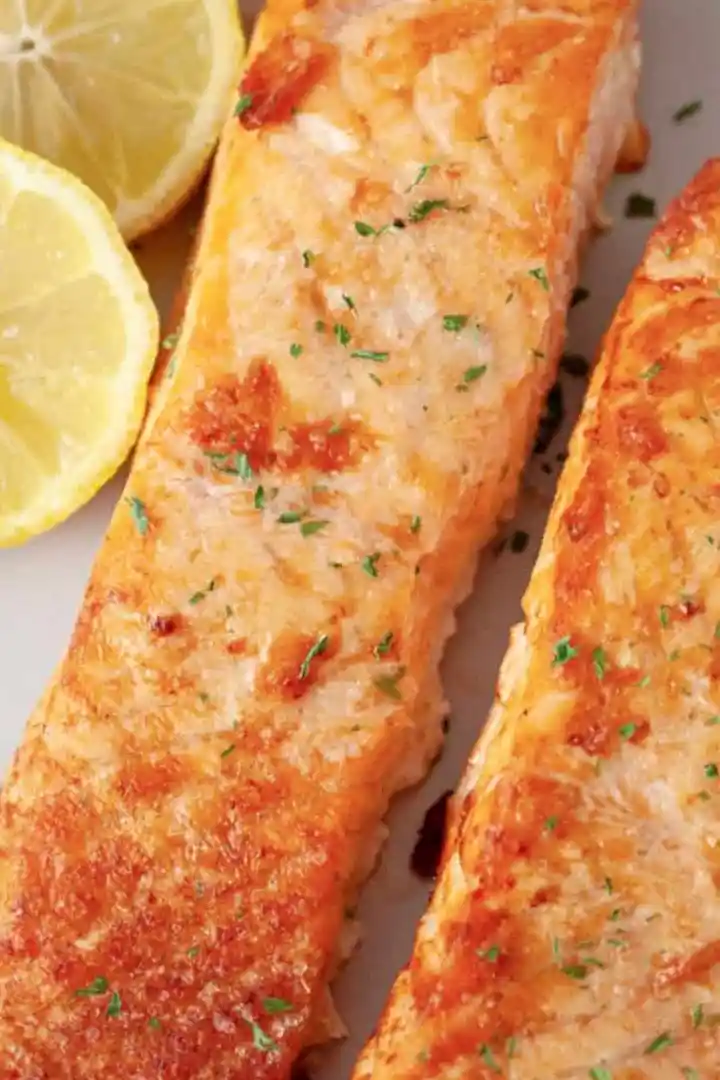
List of ingredients
- 12 oz frozen salmon (divided into two 6 oz fillets) – ensure they are individually frozen for better airflow.
- 1 tsp avocado oil – or any oil with a high smoke point to prevent sticking.
- Salt – added to taste for seasoning.
- Black pepper – added to taste for seasoning.
- Fresh lemon wedges – used for a final squeeze of acidity before serving.
step-by-step instructions
- Prepare the air fryer: Preheat your air fryer to 400°F for 5 minutes. Lightly grease the bottom of the air fryer basket with avocado oil to prevent the fish from sticking as it thaws.
- Initial air frying: Place the frozen salmon fillets in the basket. Set the timer for 15 minutes total, but prepare to intervene halfway through.
- Flip the fillets: At the 7-8 minute mark, use a flexible spatula to gently lift and flip the salmon fillets over.
- Season the fish: Once flipped, brush the fillets with a small amount of avocado oil. Sprinkle salt and black pepper evenly over the surface.
- Final cook: Let the salmon cook for another 5-7 minutes. Ensure the fish is cooked through and the edges are browned.
- Serve: Remove the fillets using tongs. Add a squeeze of fresh lemon juice and serve immediately with your choice of sides.
Air Fryer Temperature and Timing Guide
Cooking Fillets 1 to 2 Inches Thick
For thick fillets, a temperature of 400°F typically requires about 15 minutes. If you prefer a lower temperature like 350°F, increase the cooking time to 18-22 minutes. At 300°F, these fillets will need 20-25 minutes to reach the safe internal temperature.
Cooking Fillets Half an Inch Thick
Thin fillets cook much faster and can overcook quickly. At 400°F, they usually finish in 8-10 minutes. If cooking at 350°F, allow 12-16 minutes, or 13-18 minutes if using a 300°F setting.
Timing for Skin-On Salmon
Skin-on fillets provide more protection but may require slightly different timing. At 400°F, they generally take 10-12 minutes. If you reduce the temperature to 350°F, expect a cooking time of 13-18 minutes.
Essential Cooking Techniques
Use a High Smoke Point Oil
Avocado oil is recommended because it can withstand the high heat of an air fryer without smoking or breaking down. Other suitable options include grapeseed oil or refined coconut oil. Avoid extra virgin olive oil for high-heat preheating as it may smoke.
Verify Internal Temperature with a Thermometer
The only way to guarantee the salmon is cooked perfectly is by using a digital meat thermometer. Salmon is safe and optimally cooked when it reaches an internal temperature of 145°F. Remove the fish slightly before this point if you prefer a more medium-rare center.
Implement a Short Resting Period
Allow the salmon to rest on a plate for 2-3 minutes after removing it from the air fryer. This allows the internal juices to redistribute throughout the fillet. Resting prevents the juices from running out immediately, keeping the fish moist.
Maintain Proper Air Circulation
Avoid overlapping the fillets or crowding the air fryer basket. Air fryers rely on the rapid movement of hot air to cook the food. Overcrowding blocks this airflow, leading to uneven cooking and a lack of crispiness on the sides.
Flavor Variations and Seasonings
Garlic and Herb Dry Rub
Combine half a teaspoon of garlic powder, half a teaspoon of dried dill, and a pinch of paprika. Apply this mixture after flipping the salmon to prevent the dried herbs from burning during the initial high-heat phase.
Honey Mustard Glaze
Whisk together one tablespoon of honey and one teaspoon of Dijon mustard. Brush this glaze over the salmon during the final 3 minutes of cooking. This creates a caramelized coating without burning the sugars in the honey.
Lemon Pepper Seasoning
Replace the basic salt and pepper with a pre-mixed lemon pepper seasoning. If making your own, combine lemon zest, cracked black pepper, and sea salt. Apply it immediately after flipping for the best flavor infusion.
Cajun Spice Blend
For a spicier profile, use a mix of cayenne pepper, smoked paprika, onion powder, and garlic powder. Apply the rub generously after the fish has been flipped and oiled to ensure the spices adhere to the surface.
Handling Different Types of Salmon
Cooking Frozen Breaded Salmon
Preheat the air fryer to 400°F and place frozen breaded fillets in the basket without overlapping. Cook for 12-15 minutes, flipping halfway through. Ensure the internal temperature reaches 145°F and the breading is golden brown.
Managing Skin-On vs Skinless Fillets
When cooking skin-on salmon, start with the skin-side up. This prevents the skin from sticking to the basket during the initial thawing phase. It also allows the skin to crisp up more effectively once flipped.
Adjusting for Atlantic and Sockeye Salmon
Atlantic salmon typically has a higher fat content, making it more forgiving if slightly overcooked. Sockeye salmon is leaner and can dry out faster, so check the internal temperature 2 minutes earlier than indicated for Atlantic varieties.
Serving and Pairing Ideas
Pairing with Steamed Vegetables
Serve the air fryer salmon with steamed broccoli, asparagus, or sautéed spinach. The natural acidity of the lemon juice on the fish complements the earthy flavors of green vegetables.
Serving with Whole Grains
Pair the protein with a side of fluffy quinoa, brown rice, or farro. These grains absorb the juices from the salmon and provide a hearty base for the meal.
Creating a Salmon Salad
Flake the cooked salmon into a bowl of mixed greens, cherry tomatoes, and cucumbers. Dress the salad with a light vinaigrette to keep the meal fresh and nutrient-dense.
Using Creamy Sauce Accompaniments
Complement the salmon with a drizzle of lemon-tahini dressing or a dollop of yogurt-dill sauce. These creamy additions provide a contrast to the charred exterior of the air-fried fish.
Storage and Reheating Advice
Refrigeration Guidelines
Store any leftover cooked salmon in an airtight container in the refrigerator. It will remain fresh and safe to eat for 1 to 2 days. Ensure the fish is completely cooled before sealing the container to avoid excess moisture.
Avoid Re-freezing Cooked Salmon
Once salmon has been cooked, do not return it to the freezer. Re-freezing cooked fish significantly degrades the texture, making it mushy and dry upon the second reheating.
Reheating in the Air Fryer
To maintain the texture, reheat the salmon in the air fryer at 325°F. Heat for 5-6 minutes or until the center is warmed through. This method is superior to microwaving, which often makes fish rubbery.
Troubleshooting Common Issues
Preventing Salmon from Sticking
If your salmon frequently sticks, ensure you are preheating the basket and using enough oil. Using a perforated parchment liner specifically made for air fryers can also prevent sticking while allowing air to flow.
Correcting Dry or Overcooked Fish
Dry salmon is usually the result of cooking past 145°F or using fillets that are too thin for the set timer. To fix overcooked fish, serve it with a generous amount of sauce or flake it into a salad with olive oil.
Solving Uneven Cooking
Uneven cooking happens when the basket is overcrowded or the fillets are of drastically different sizes. Use fillets of similar thickness and ensure there is at least an inch of space between each piece of fish.
Frequently Asked Questions
Should I add oil to frozen salmon when using my air fryer?
You do not need to soak the salmon in oil, but lightly greasing the basket and brushing the fillets after flipping is necessary. This prevents sticking and helps the seasonings adhere to the fish.
What temperature do you air fry frozen salmon?
The most effective temperature is 400°F for a balance of speed and crispiness. However, you can use temperatures between 350°F and 375°F if you prefer a slower cook time to ensure thicker fillets are done through.
How do I know when salmon is done cooking?
The salmon is done when the internal temperature reaches 145°F on a thermometer. Visually, the flesh should be opaque and flake easily when pressed with a fork, and it should feel slightly firm to the touch.
Print
Quick Air Fryer Frozen Salmon
- Total Time: 20 minutes
- Yield: 2 servings 1x
- Diet: Pescatarian
Description
This method for Air Fryer Frozen Salmon shows you exactly how to cook a frozen salmon fillet in your air fryer or Ninja Foodi in just 15 minutes or less. There’s no excuse for getting healthy food on the table quickly when using this way to air fry frozen fish.
Ingredients
- 12 oz frozen salmon (2 filets)
- 1 tsp avocado oil
- Salt and pepper to taste
Instructions
- Step: Preheat the air fryer to 400F for 5 minutes and lightly grease the basket with avocado oil.
- Step: Place frozen salmon filets in the basket and set the timer for 15 minutes; flip the filets over halfway through.
- Step: After flipping, brush with a small amount of avocado oil, season with salt and pepper, and cook for 5-7 minutes more or until completely cooked through.
- Step: Remove the cooked salmon, add a squeeze of lemon juice, and serve hot.
Notes
Ensure salmon reaches an internal temperature of 145F. For 1/2 inch fillets at 400F, cooking time may be reduced to 8-10 minutes. Let the salmon rest for a few minutes before serving to ensure moisture.
- Prep Time: 5 minutes
- Cook Time: 15 minutes
- Category: Fish & Seafood
- Method: Air Frying
- Cuisine: American
Nutrition
- Serving Size: 6 oz
- Calories: 291 kcal
- Sugar: 0 g
- Sodium: 160 mg
- Fat: 18 g
- Saturated Fat: 3 g
- Unsaturated Fat: 15 g
- Trans Fat: 0 g
- Carbohydrates: 0 g
- Fiber: 0 g
- Protein: 20 g
- Cholesterol: 65 mg