This hearty beef goulash is a practical one-pot meal combining lean ground beef, elbow macaroni, and a savory tomato base. It is designed for quick preparation and efficient use of pantry staples to create a filling dinner.
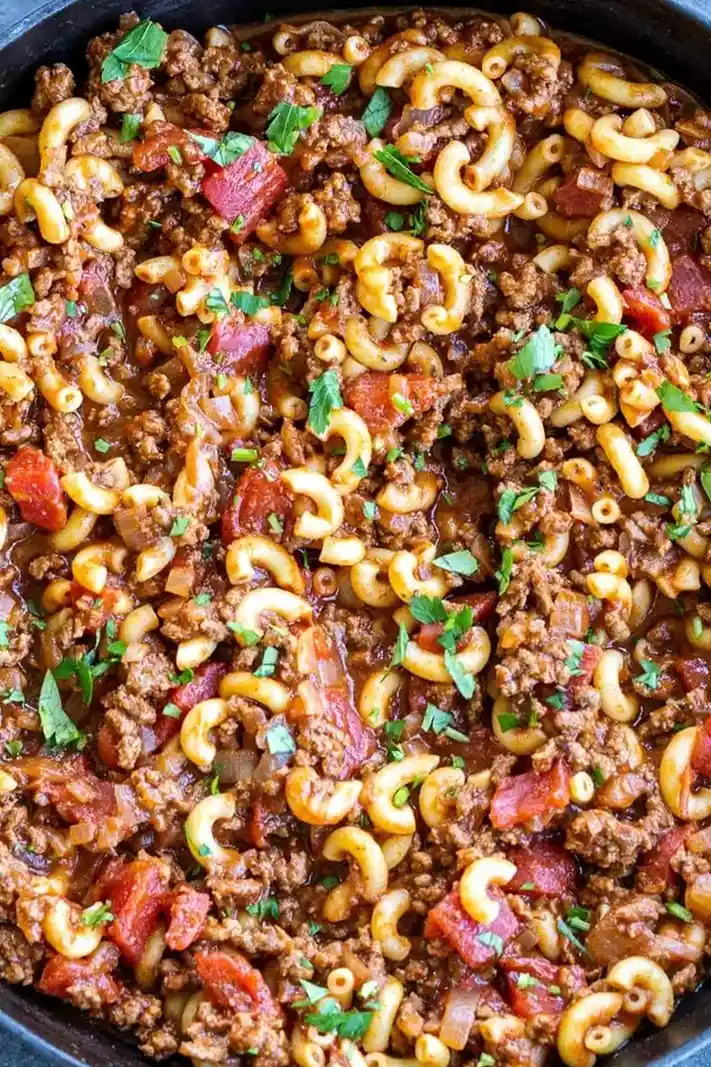
List of ingredients
- 1 cup uncooked elbow macaroni – the primary starch for texture.
- 1 lb ground beef (93% lean or leaner) – provides lean protein.
- 1 large onion, diced – adds aromatic base.
- 2 garlic cloves, minced – enhances savory flavor.
- 2 tbsp Worcestershire sauce – adds depth and umami.
- 15 oz tomato sauce (no salt added) – creates a smooth base.
- 14 oz diced tomatoes (no salt added) – adds texture and acidity.
- 1 tsp salt – adjust to taste.
- 1 tsp ground black pepper – adjust to taste.
- 2 tsp Italian seasoning – provides a blend of dried herbs.
step-by-step instructions
- Prepare the pasta: Cook the macaroni according to package directions, but shorten the cooking time by 3 minutes. Drain and set aside.
- Brown the meat: Preheat a large pan over medium heat until hot. Add in the ground beef, onion, and garlic. Cook for about 10 minutes until the beef reaches 160°F, crumbling the beef as it cooks.
- Simmer the sauce: Add in the Worcestershire sauce, tomato sauce, and diced tomatoes and stir to combine. Allow the sauce to simmer on medium heat for about 15 minutes.
- Combine and season: Add in the cooked macaroni. Season with salt, pepper, and Italian seasoning.
- Final Step: Stir to combine and enjoy!
Beef Selection and Preparation
Choosing Lean Ground Beef
Using ground beef that is 93% lean or leaner is recommended to prevent the dish from becoming overly greasy. Lean beef ensures that the tomato sauce clings to the noodles rather than separating due to excess fat.
Managing Excess Grease
If you use a higher fat percentage, such as 80/20 beef, you must drain the pan after browning. Carefully pour off the liquid fat or use a spoon to remove it before adding the tomato components.
Proper Browning Technique
Cook the beef over medium heat and use a spatula to crumble the meat into small, even pieces. Ensure the beef reaches an internal temperature of 160°F to be fully cooked and safe for consumption.
Incorporating Aromatics
Adding the diced onion and minced garlic at the same time as the beef allows the vegetables to soften in the meat juices. This process infuses the beef with flavor while the onions become translucent.
Pasta Cooking Strategies
Preventing Overcooked Noodles
Shortening the boiling time by 3 minutes is critical because the macaroni continues to cook when added to the simmering sauce. This method ensures the noodles remain firm and do not become mushy.
Alternative Pasta Shapes
While elbow macaroni is traditional, you can use other small shapes like rotini or penne. Ensure the pasta size is consistent so it distributes evenly throughout the meat sauce.
Maintaining Al Dente Texture
Cooking pasta al dente prevents the starch from breaking down too quickly. This keeps the individual noodles distinct after they are stirred into the goulash sauce.
Rinsing the Pasta
Do not rinse the cooked macaroni after draining unless you specifically want to stop the cooking process immediately. A small amount of remaining starch helps the sauce adhere better to the noodles.
Optimizing the Tomato Base
Controlling Sodium Levels
Selecting no-salt-added canned tomatoes and tomato sauce allows you to control the final seasoning. This prevents the dish from becoming overly salty, especially when adding Worcestershire sauce.
The Role of Tomato Sauce and Diced Tomatoes
Combining smooth tomato sauce with diced tomatoes provides a balance of textures. The sauce creates a cohesive liquid, while the diced tomatoes add chunky pieces of fruit and acidity.
Enhancing Flavor with Worcestershire Sauce
Worcestershire sauce adds a complex, savory profile that complements the beef. It provides a deep umami taste that mimics long-simmered stews in a fraction of the time.
Applying Italian Seasoning
Adding the Italian seasoning at the end preserves the potency of the dried herbs. Stirring it in with the pasta ensures the flavors are distributed evenly throughout the final dish.
Serving and Pairing Ideas
Pairing with Fresh Garden Salads
A crisp garden salad with a light vinaigrette balances the richness of the beef and pasta. The acidity of the dressing cuts through the density of the goulash.
Serving with Caesar Salad
The creamy dressing and salty parmesan in a Caesar salad complement the savory tomato notes of the dish. This provides a contrast in temperature and texture.
Adding Warm Bread Accompaniments
Serve the goulash with warm garlic knots or buttered breadsticks. These are useful for scooping up the remaining sauce from the plate.
Topping with Shredded Cheese
Adding grated Parmesan or shredded mozzarella on top adds a creamy element. The heat from the goulash will melt the cheese into the pasta.
Storage and Reheating Guidelines
Refrigerating Leftovers
Store leftover goulash in an airtight container in the refrigerator for up to five days. Ensure the food is cooled slightly before sealing to prevent excessive condensation.
Microwave Reheating Method
For individual portions, reheat in the microwave using medium power. Stir the goulash halfway through the heating process to ensure the center is hot.
Stovetop Reheating for Large Portions
Reheat larger quantities in a skillet over medium-low heat. Add a splash of water or beef broth to loosen the sauce, as the pasta will absorb liquid during storage.
Preventing Pasta Dryness
If the goulash appears too dry upon reheating, stir in a tablespoon of tomato sauce or water. This restores the original consistency of the sauce.
Transforming Leftovers into a Casserole
Preparing the Baking Dish
Transfer remaining goulash into an oven-safe baking dish. Spread the mixture evenly to ensure consistent heating and cheese melting.
Selecting the Right Cheese Topping
Sprinkle about a half-cup of shredded mozzarella or Parmesan cheese over the surface. These cheeses melt well and create a golden-brown crust when baked.
Baking Temperature and Time
Bake in a preheated oven at 350°F for 10 to 15 minutes. The casserole is ready when the cheese is fully melted and bubbling.
Serving the Casserole
Let the casserole rest for 5 minutes before slicing. This allows the cheese to set, making it easier to serve clean squares.
Common Cooking Adjustments
Reducing Sauce Thickness
If the sauce is too thick, stir in a small amount of water or low-sodium beef broth. Add liquid one tablespoon at a time until the desired consistency is reached.
Increasing Vegetable Variety
You can add diced carrots or bell peppers during the beef browning stage. Cook them until tender before adding the tomato sauce.
Adjusting the Heat Level
To add a spicy kick, stir in a pinch of red pepper flakes or a teaspoon of paprika. These additions complement the beef and tomato profile without overpowering the dish.
Using Alternative Proteins
Ground turkey or ground chicken can be used as a substitute for beef. If using turkey, you may need to add a small amount of olive oil to the pan as turkey is leaner than beef.
Frequently Asked Questions
Can I use a different type of pasta?
Yes, any small pasta shape will work. Rotini, shells, or ditalini are excellent alternatives to elbow macaroni.
Can this recipe be made in a slow cooker?
You can brown the beef and aromatics first, then simmer the sauce in a slow cooker on low for 4-6 hours. Stir in the pre-cooked macaroni just before serving to avoid overcooking.
How do I stop the noodles from absorbing all the sauce?
Ensure you undercook the pasta by 3 minutes as instructed. If you are storing the dish, keep a bit of extra sauce on hand to stir in during reheating.
Is this dish suitable for freezing?
Yes, goulash freezes well for up to three months. Store in freezer-safe containers and thaw in the refrigerator overnight before reheating on the stove.
What can I use instead of Worcestershire sauce?
A mixture of soy sauce and a drop of lemon juice can provide a similar savory profile. Alternatively, a small amount of soy sauce alone works as a salt and umami substitute.
Can I add fresh herbs instead of Italian seasoning?
Fresh parsley, basil, or oregano can be used. Add fresh herbs at the very end of the cooking process to keep their color and flavor fresh.
How do I make this recipe more nutritious?
Incorporate finely diced spinach or grated zucchini into the sauce. These vegetables blend in easily and increase the nutrient density of the meal.
} Print
Classic Old Fashioned Beef Goulash
- Total Time: 30 minutes
- Yield: 4 servings 1x
- Diet: General
Description
This old fashioned goulash is my Ukrainian grandma’s tasty way of using up tons of ingredients— noodles, ground beef, veggies, and tomato sauce.
Ingredients
- 1 cup uncooked elbow macaroni
- 1 lb ground beef (93% lean or leaner)
- 1 large onion (diced)
- 2 garlic cloves (minced)
- 2 tbsp Worcestershire sauce
- 15 oz tomato sauce (no salt added)
- 14 oz diced tomatoes (no salt added)
- 1 tsp salt
- 1 tsp ground black pepper
- 2 tsp Italian seasoning
Instructions
- Step 1: Cook the macaroni according to package directions, but shorten the cooking time by 3 minutes. Drain and set aside.
- Step 2: Preheat a large pan over medium heat until hot. Add in the ground beef, onion, and garlic. Cook for about 10 minutes until the beef reaches 160°F, crumbling the beef as it cooks.
- Step 3: Add in the Worcestershire sauce, tomato sauce, and diced tomatoes and stir to combine. Allow the sauce to simmer on medium heat for about 15 minutes.
- Step 4: Add in the cooked macaroni. Season with salt, pepper, and Italian seasoning.
- Step 5: Stir to combine and enjoy!
Notes
Use lean ground beef (93% lean or leaner). Using no-salt added canned ingredients allows for better control over the seasoning. Leftovers can be turned into a casserole by topping with mozzarella or Parmesan and baking at 350°F for 10-15 minutes.
- Prep Time: 10 minutes
- Cook Time: 20 minutes
- Category: Main Course
- Method: Stovetop
- Cuisine: American, Ukrainian
Nutrition
- Serving Size: 1 serving
- Calories: 484 kcal
- Sugar: 10 g
- Sodium: 1311 mg
- Fat: 24 g
- Saturated Fat: 9 g
- Unsaturated Fat: 14 g
- Trans Fat: 1 g
- Carbohydrates: 42 g
- Fiber: 5 g
- Protein: 27 g
- Cholesterol: 81 mg