This slow cooker lasagna soup combines all the elements of classic lasagna into a convenient one-pot meal. It is a hearty dinner option that requires minimal active preparation time.
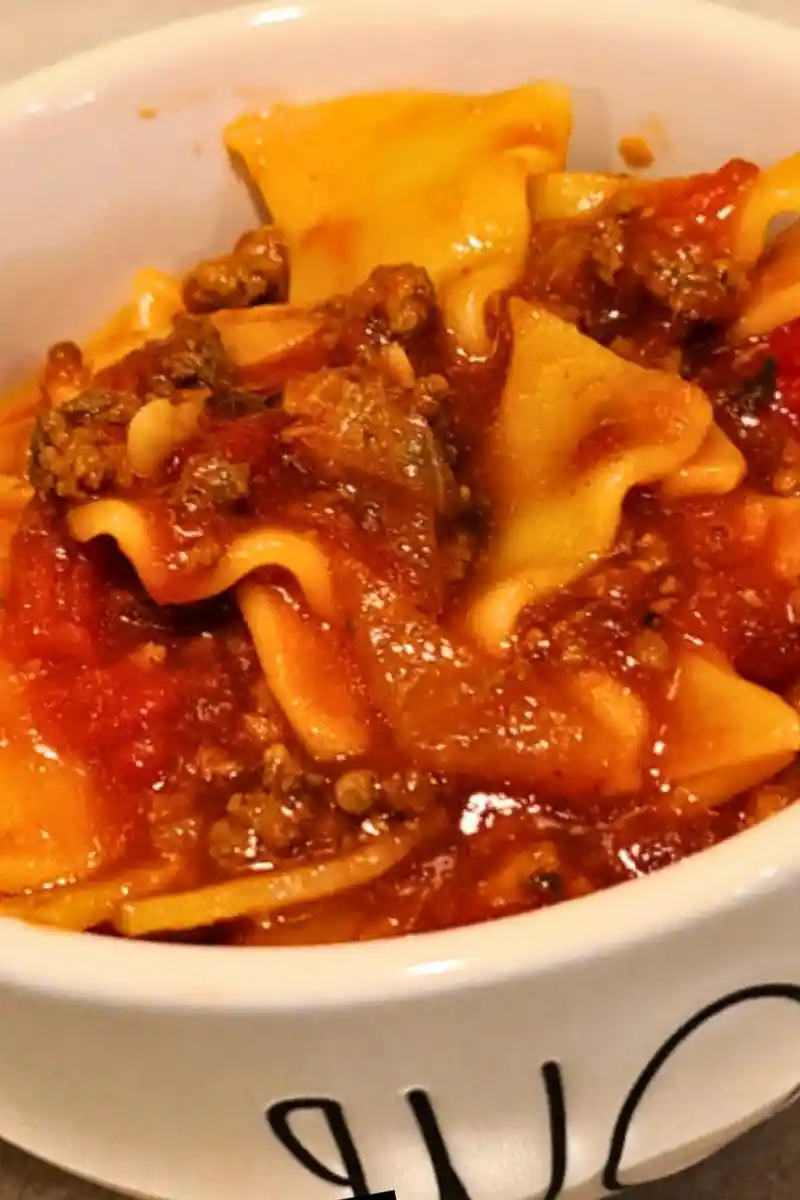
List of ingredients
- 1 Pound Ground Beef – browned and drained for the protein base.
- 16 Ounce Lasagna Noodles – broken into pieces.
- 1/2 Onion – chopped for aromatic flavor.
- 1 Red Pepper – diced for sweetness and color.
- 14.5 Ounce Diced Tomatoes – including the canning juices.
- 28 Ounce Crushed Tomatoes – for a thick, rich base.
- 6 Cups Beef Broth – provides the soup consistency.
- 12 Ounce Spaghetti Sauce – adds depth of flavor.
- Ricotta Cheese – added as a dollop for creaminess.
- Mozzarella Cheese – sprinkled on top for meltability.
- Parmesan Cheese – added for a salty finish.
- Italian Seasoning – adjusted to taste.
step-by-step instructions
- Brown the meat: Cook your ground beef in a skillet if necessary and drain off the excess grease to keep the soup from becoming oily.
- Prepare the pot: Spray your crockpot with a nonstick cooking spray or insert a crockpot liner bag for easier cleanup.
- Prep vegetables: Chop the onion and dice the red pepper. If cooking for children who dislike vegetables, keep the pieces larger so they are easier to identify and remove.
- Layer the beef: Spread the cooked ground beef evenly across the bottom of the crockpot.
- Add vegetables: Spread the chopped onion and diced peppers directly on top of the beef layer.
- Add tomatoes: Pour in both the diced and crushed tomatoes, ensuring you include all the juices from the cans.
- Pour liquids: Add the beef broth and the spaghetti sauce. You can increase the amount of broth or sauce if you prefer a thinner consistency.
- Season: Stir in the Italian seasoning according to your flavor preference, whether you prefer a light or heavy herb profile.
- Initial Mix: Stir all the current ingredients together, but do not add the noodles or cheese yet.
- First Cook: Set the crockpot to low and cook for approximately four hours. Stir occasionally or leave it to cook undisturbed.
- Prep noodles: At the four-hour mark, place the lasagna noodles in a ziplock bag and break them into smaller pieces using your hands or a meat tenderizer.
- Final Cook: Stir the soup, add the broken noodles, and switch the crockpot setting to high.
- Adjust consistency: If the soup has evaporated too much, stir in additional beef broth or spaghetti sauce at this stage.
- Cook pasta: Allow the soup to cook on high for 30 to 45 minutes until the noodles are fully tender. Stir occasionally to prevent the pasta from sticking.
- Plate and garnish: Ladle the soup into bowls and top each serving with a dollop of ricotta cheese and a sprinkle of mozzarella and parmesan.
- Finish: Let the bowls sit for a few minutes to allow the steam to melt the cheese, then stir and serve.
Protein and Base Substitutions
Using Ground Turkey for a Leaner Option
Replace the ground beef with ground turkey for a lower-fat version of this soup. Turkey has a milder flavor, so you may want to slightly increase the Italian seasoning to maintain the bold taste.
Substituting Ground Chicken
Ground chicken is another excellent alternative to beef. Ensure you brown it thoroughly before adding it to the slow cooker to develop a richer flavor profile.
Replacing Beef Broth with Vegetable Broth
For a lighter base, vegetable broth can be used instead of beef broth. This change shifts the flavor profile slightly but keeps the soup hearty and savory.
Using Chicken Broth for Milder Flavor
Chicken broth provides a neutral base that allows the tomato and cheese flavors to stand out more. It is a great option if you want a less heavy taste than beef broth.
Substituting Spaghetti Sauce with Marinara
If you cannot find spaghetti sauce, a high-quality marinara sauce works perfectly. Marinara often contains more garlic and herbs, which can enhance the overall depth of the soup.
Pasta and Grain Alternatives
Using Pasta Shells Instead of Lasagna Noodles
Small pasta shells are a convenient alternative to breaking lasagna noodles. They hold the sauce well and provide a traditional soup texture.
Incorporating Whole Grain Pasta
Whole grain lasagna noodles or shells add more fiber and a nuttier flavor to the dish. Be aware that whole grain pasta may require a few extra minutes of cooking time to reach the desired tenderness.
Gluten-Free Pasta Options
Brown rice or corn-based pasta can be used for those avoiding gluten. Add these noodles during the final stage of cooking, but check them frequently as gluten-free pasta can overcook more quickly than wheat pasta.
Using Zucchini Noodles for Low Carb
Replace the pasta with spiralized zucchini for a low-carb alternative. Stir these in during the last 10 minutes of cooking to avoid them becoming too mushy.
Vegetable Enhancements
Adding Fresh Spinach for Nutrition
Stir in two cups of fresh baby spinach during the final 5 minutes of cooking. The heat of the soup will wilt the spinach quickly while adding a boost of vitamins.
Incorporating Sautéed Mushrooms
Adding sliced mushrooms provides an earthy depth to the soup. Sauté them with the onions and peppers before adding them to the crockpot for the best flavor.
Adding Diced Carrots for Sweetness
Diced carrots add a subtle sweetness and extra color to the broth. Add them at the same time as the onions and peppers so they have time to soften completely.
Using Yellow or Orange Bell Peppers
While red peppers are sweetest, yellow or orange peppers are great substitutes. They provide a similar flavor profile and vibrant color to the soup.
Adding Fresh Garlic Cloves
Adding three to four minced garlic cloves increases the aromatic quality of the dish. Stir them in with the beef broth and spaghetti sauce for a more pungent garlic taste.
Cheese and Dairy Variations
Replacing Ricotta with Cottage Cheese
If ricotta is unavailable, small-curd cottage cheese is a suitable replacement. It provides a similar creamy texture and tangy flavor when dolloped on top.
Using Provolone Instead of Mozzarella
Provolone cheese offers a sharper taste than mozzarella. Use a mix of both for a more complex flavor profile that complements the tomato base.
Incorporating Pecorino Romano
Pecorino Romano can replace parmesan for a saltier, more aggressive cheese flavor. This is particularly effective if you have reduced the salt in the broth.
Using Mascarpone for Extra Richness
Mascarpone is a denser, creamier alternative to ricotta. It creates a very luxurious finish when stirred into the hot soup.
Flavor Balancing Tips
Adjusting Italian Seasoning Levels
If you prefer a more herbal soup, increase the Italian seasoning by a tablespoon. For a cleaner tomato taste, keep the seasoning light.
Adding Red Pepper Flakes for Heat
A pinch of red pepper flakes adds a subtle spicy kick to the dish. Add these during the initial mixing phase to let the heat infuse into the broth.
Using Tomato Paste for Thickness
If you prefer a thicker, stew-like consistency, stir in two tablespoons of tomato paste. This concentrates the tomato flavor and reduces the liquidiness of the soup.
Thinning the Soup with Extra Liquid
If the soup becomes too thick after the noodles cook, stir in an additional cup of beef broth. This restores the soup-like quality without diluting the flavor too much.
Serving and Pairing Ideas
Toasted Garlic Bread
Serving this soup with toasted garlic bread is the most traditional pairing. The crunch of the bread provides a necessary texture contrast to the soft noodles and melted cheese.
Air Fryer Asparagus
Lightly seasoned air fryer asparagus adds a fresh, crisp element to the meal. The bitterness of the asparagus cuts through the richness of the cheese.
Fresh Garden Salad
A simple salad with a vinaigrette dressing helps balance the meal. The acidity of the dressing cleanses the palate between bites of the creamy soup.
Roasted Broccoli
Oven-roasted broccoli with lemon and garlic is a nutritious side dish. It complements the Italian flavors of the lasagna soup perfectly.
Cornbread Muffins
Warm cornbread muffins provide a sweet and savory accompaniment. They are excellent for soaking up the remaining broth at the bottom of the bowl.
Storage and Reheating Guide
Refrigeration Timelines
Store leftover soup in airtight containers in the refrigerator for three to four days. Ensure the soup is cooled slightly before sealing to prevent excessive condensation.
Stovetop Reheating Method
Reheat the soup in a pot over medium heat on the stove. Adding a small splash of beef broth or water helps loosen the pasta and restores the original consistency.
Microwave Reheating Tips
Heat the soup in short intervals, stirring in between. This ensures the pasta and cheese heat evenly without creating hot spots.
Preventing Pasta Over-absorption
Pasta continues to absorb liquid as it sits in the fridge. You will likely need to add a small amount of liquid when reheating to prevent the soup from becoming too thick.
Why Freezing is Not Recommended
Freezing this soup is not recommended because the cooked pasta often becomes mushy upon thawing. For the best results, freeze the soup base without the noodles and cook fresh pasta when reheating.
Common Troubleshooting Issues
Preventing Mushy Noodles
The key to avoiding mushy noodles is adding them only during the final 30-45 minutes of cooking. Never add the pasta at the beginning of the slow cooking process.
Managing Excess Grease
If you notice oil floating on top of the soup, it is likely from the ground beef. Use a spoon to skim the fat off the surface before adding the cheese toppings.
Fixing an Overly Salty Base
If the soup tastes too salty, add a splash of water or an unsalted vegetable broth. A small amount of lemon juice can also help balance high sodium levels.
Correcting a Too-Thick Consistency
Slow cookers can cause liquid to reduce over time. If the soup is too thick, simply stir in more beef broth or water until you reach your preferred thickness.
Ensuring Even Heat Distribution
Stir the soup occasionally, especially after adding the noodles. This prevents the pasta from clumping together at the bottom of the pot.
Frequently Asked Questions
Can I use frozen ground beef?
Yes, you can use frozen ground beef, but it must be thawed and browned in a skillet first. Do not add frozen raw meat directly to the slow cooker with other ingredients.
How do I prevent the cheese from separating?
Add the cheese only at the moment of serving. Letting the cheese sit in the slow cooker for too long can cause it to break or become oily.
Can I cook the noodles from the start?
No, cooking the noodles for the full four hours will result in them disintegrating. Always add the pasta toward the end of the cooking cycle.
Is it possible to make this in a pressure cooker?
Yes, you can adapt this for a pressure cooker by reducing the beef broth slightly and cooking the base for 20 minutes. Add the noodles at the end and pressure cook for an additional 5 minutes.
What is the best way to break the noodles?
Placing the noodles in a heavy-duty ziplock bag and using a meat tenderizer or rolling pin is the cleanest method. This ensures the pieces are roughly the same size for even cooking.
Print
Savory Slow Cooker Lasagna Soup
- Total Time: 4 hours 50 minutes
- Yield: 8 servings 1x
- Diet: General
Description
This Easy Crockpot Lasagna Soup Recipe is the perfect weeknight dinner! Comfort food ground beef and pasta can’t be beaten for a filling easy dinner! Add the cheese after to allow it to melt into the soup for a cheesy lasagna heavenly soup!
Ingredients
- 1 Pound Ground Beef
- 16 Ounce Lasagna Noodles
- 1/2 Onion
- 1 Red Pepper
- 14.5 Ounce Diced Tomatoes
- 28 Ounce Crushed Tomatoes
- 6 Cups Beef Broth
- 12 Ounce Spaghetti Sauce
- Ricotta Cheese (microbial-rennet)
- Mozzarella Cheese (microbial-rennet)
- Parmesan Cheese (microbial-rennet)
- Italian Seasoning
Instructions
- Step: Start by cooking your ground beef if you need to and drain to remove the grease.
- Step: Next, spray your crockpot with a nonstick spray or put it in a crockpot liner bag.
- Step: Chop up your onion and dice your pepper.
- Step: Now, start by spreading your ground beef out in your crockpot.
- Step: Next, spread out your chopped onion and peppers on top of the layer of ground beef in your crockpot.
- Step: Open both cans of tomatoes and use a spatula to drop the entire can contents into the crockpot, you will want the juices from the cans in as well.
- Step: Next, pour in your beef broth and the half jar of spaghetti sauce.
- Step: Add in the amount of seasoning you want, you can do this as heavy or light as you want.
- Step: Mix everything that is in the crockpot but noodles and cheese together.
- Step: Turn the crockpot on low.
- Step: Allow to cook for about four hours; you can stir it every so often or allow the crockpot to cook as-is.
- Step: About the four-hour mark break, the lasagna noodles in a ziplock bag.
- Step: Stir your crockpot and drop in your broken noodles lasagna and turn your crockpot to high.
- Step: Allow everything to cook for about 30 to 45 minutes until your noodles are fully cooked.
- Step: Serve into a bowl and top with a dollop of Ricotta Cheese, sprinkle with Mozzarella, and sprinkle with parmesan cheese.
- Step: Allow to sit for a couple of minutes to steam and melt the cheese.
- Step: Stir and enjoy!!
Notes
Store the leftover lasagna crockpot soup in an airtight container in the fridge for up to three to four days.
- Prep Time: 5 minutes
- Cook Time: 4 hours 45 minutes
- Category: Dinner, Soup
- Method: Slow Cooker
- Cuisine: American, Italian
Nutrition
- Serving Size: 1 serving
- Calories: 449 kcal
- Sugar: 17 g
- Sodium: 1782 mg
- Fat: 9 g
- Saturated Fat: 4 g
- Unsaturated Fat: 4 g
- Trans Fat: 0.4 g
- Carbohydrates: 66 g
- Fiber: 7 g
- Protein: 28 g
- Cholesterol: 44 mg