This versatile marinade adds a savory and tangy flavor to a variety of proteins using common pantry staples. It is quick to prepare and provides a consistent, professional taste for home-cooked meals.
List of ingredients
- ⅓ cup low-sodium soy sauce – provides a salty, umami base.
- ⅓ cup Worcestershire sauce – adds complex depth and tang.
- ⅓ cup olive oil – helps the marinade cling to the meat and prevents sticking.
- 1 tsp sugar – balances the acidity and aids in caramelization.
- 1 tsp garlic powder – adds a concentrated savory garlic flavor.
- 1 tsp onion powder – provides a subtle, sweet aromatic background.
- 2 Tbsp lemon juice – acts as a tenderizer and adds brightness.
step-by-step instructions
- Mix: Whisk together all ingredients. Store any leftovers in the refrigerator.
- Apply: Marinate meat an hour to overnight.
Optimal Meat Pairings
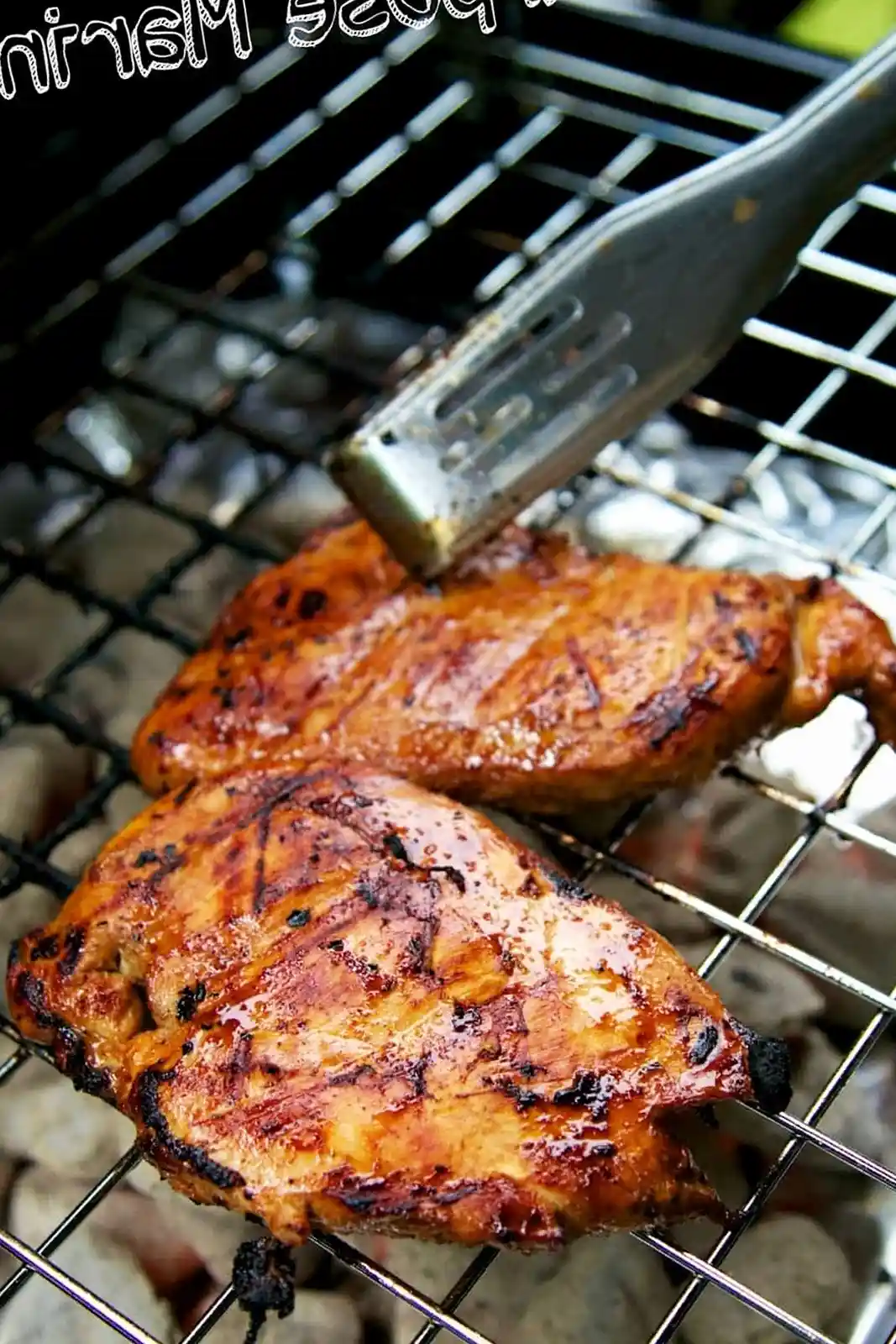
Marinating Chicken Breasts
Chicken breasts benefit significantly from the lemon juice and soy sauce combination. The acidity helps break down the dense muscle fibers, ensuring the meat remains juicy after grilling or baking. For best results, poke a few holes in the thickest part of the breast to allow the marinade to penetrate deeper.
Preparing Steak and Beef
Flank steak, sirloin, and ribeye absorb the umami flavors of the Worcestershire sauce and soy sauce exceptionally well. Because beef has a stronger natural flavor, this marinade enhances the richness without overpowering it. Always slice the beef against the grain after cooking to maximize the tenderness created by the marinade.
Working with Turkey Cutlets
Turkey is a lean protein that can dry out quickly during the cooking process. This marinade provides a protective layer of olive oil that locks in moisture while the sugars create a golden-brown crust. Use turkey breast steaks or cutlets for a fast-cooking, high-protein meal that tastes like traditional roast turkey.
Preparing Shrimp and Seafood
Shrimp and scallops respond very quickly to the acidity of lemon juice. While this marinade is excellent for seafood, the timing must be significantly reduced to avoid a rubbery texture. Marinate shrimp for only 30 to 60 minutes before searing them on high heat.
Timing and Texture Guidelines
The One-Hour Quick Soak
A short marination period of one hour is ideal for thinner cuts of meat or when you are in a rush. During this time, the flavors primarily coat the exterior of the protein. This provides a great surface-level taste and helps with immediate browning during the cooking process.
Overnight Infusion
Leaving meat in the marinade overnight allows the salt and acids to penetrate deep into the center of the protein. This results in a more uniform flavor profile and a noticeably more tender texture. This method is highly recommended for tougher cuts like flank steak or thick chicken thighs.
Avoiding Over-Marination
Avoid marinating meat for more than 48 hours, as the acidity from the lemon juice can begin to break down the protein too much. This can lead to a mushy or mealy texture on the surface of the meat. If you cannot cook the meat within two days, freeze the meat and marinade together in a vacuum-sealed bag.
Flavor Customization and Variations
Adding Spicy Heat
To introduce a spicy element, whisk in a teaspoon of crushed red pepper flakes or a tablespoon of sriracha. For a smokier heat, a pinch of chipotle powder works well with the soy and Worcestershire base. This variation is particularly effective for grilled steak or spicy chicken wings.
Enhancing the Umami Profile
If you want a deeper, more savory taste, consider adding a teaspoon of tomato paste or a pinch of mushroom powder. These additions amplify the natural glutamates in the soy sauce. This creates a richer, more complex flavor that mimics professional steakhouse marinades.
Increasing the Tangy Notes
For a brighter, more acidic profile, increase the lemon juice by one tablespoon or add a splash of apple cider vinegar. This is especially useful when serving the meat with heavy side dishes, as the extra tang cuts through the richness. It also works well for those who prefer a zesty, citrus-forward flavor.
Herbal Infusions
Adding dried herbs can change the character of this all-purpose sauce to suit specific cuisines. Dried oregano and thyme create a Mediterranean feel, while dried ginger and a touch of sesame oil shift the flavor toward an Asian-inspired profile. Stir these in just before adding the meat to the bowl.
Ingredient Substitutions
Low-Sodium Alternatives
If you need to reduce the salt content further, replace the soy sauce with coconut aminos. Coconut aminos offer a similar salty-sweet profile but contain significantly less sodium than traditional soy sauce. This is a great option for those monitoring their salt intake without sacrificing depth.
Substituting the Oil
While olive oil is standard, you can use avocado oil or grapeseed oil for higher-temperature cooking. These oils have higher smoke points, making them safer for high-heat searing or grilling. Avoid using butter as a substitute, as it will burn too quickly at the temperatures required for browning meat.
Sugar-Free Options
To make this marinade low-carb or keto-friendly, simply omit the sugar. If you still want a hint of sweetness to aid in caramelization, use a small amount of erythritol or a drop of liquid stevia. The soy sauce and Worcestershire already provide a slight natural sweetness that often suffices.
Citrus Swaps
If lemons are unavailable, lime juice provides a similar acidity with a slightly more tropical flavor. Rice vinegar is another excellent substitute that pairs perfectly with the soy sauce base. Use an equal amount of the substitute to maintain the chemical balance of the marinade.
Cooking Methods for Marinated Meats
Achieving the Perfect Grill Char
The sugar in the marinade helps the meat caramelize on the grill. To avoid flare-ups and burning, shake off excess marinade before placing the meat on the grates. Cook over medium-high heat to ensure the interior reaches the safe temperature before the exterior burns.
Pan-Searing for a Golden Crust
When using a skillet, heat a small amount of high-smoke-point oil until it shimmers. Place the marinated meat in the pan without crowding, as this prevents steaming and promotes a deep brown crust. Flip the meat only once to ensure a consistent sear on both sides.
Slow Roasting in the Oven
For larger cuts of meat, roast in the oven at 325 degrees Fahrenheit. Use any leftover marinade (that has not touched raw meat) to baste the meat every 30 minutes. This adds extra layers of flavor and prevents the surface from drying out during the longer cooking time.
Storage and Safety Advice
Maximizing Fridge Life
Store the prepared marinade in an airtight glass jar or a plastic container with a tight seal. When stored properly in the refrigerator, the marinade will remain fresh for up to one week. Give the mixture a quick shake or whisk before each use to reintegrate the oil and seasonings.
Preventing Cross-Contamination
Never use marinade that has already been in contact with raw meat as a sauce for the finished dish. The raw juices can contain bacteria that are not always destroyed by a quick reheat. If you want a serving sauce, set aside a portion of the marinade before adding the meat.
Batch Prepping for the Week
Double or triple the recipe and freeze the marinade in ice cube trays. Once frozen, transfer the cubes to a freezer bag. You can then drop one or two cubes into a bag with meat for a convenient, pre-measured portion that thaws as the meat marinates in the fridge.
Troubleshooting Common Issues
Managing Excessive Saltiness
If the final dish tastes too salty, it may be due to the brand of soy sauce used. You can balance this by serving the meat with a bland side dish, such as steamed white rice or unsalted mashed potatoes. For future batches, increase the amount of olive oil or lemon juice slightly.
Preventing Burning from Sugar
If the marinade is burning too quickly on the grill, lower the heat and move the meat to a cooler part of the grate. The sugar can char rapidly if the heat is too intense. Using a meat thermometer will help you track doneness so you don’t overcook the exterior while waiting for the interior.
Fixing Rubbery Texture
Rubbery meat usually occurs when the acidity is too high or the marination time is too long, especially with seafood. To prevent this, strictly follow the timing guidelines for each protein. For shrimp, ensure they are cooked quickly over very high heat to seal in juices.
Frequently Asked Questions
Can I freeze the marinade?
Yes, this marinade freezes very well. Store it in a freezer-safe container or ice cube trays for up to three months. Thaw it in the refrigerator overnight before using it on your proteins.
Is this safe for seafood?
Yes, it is safe and delicious for seafood, but you must reduce the marinating time. Limit seafood to 30-60 minutes to prevent the lemon juice from curing the meat and making it rubbery.
How can I reuse the marinade safely?
To reuse the marinade that has touched raw meat, you must boil it in a saucepan for at least five minutes. This kills any bacteria and reduces the liquid into a thick, concentrated glaze that can be brushed on during the last few minutes of cooking.
Does the low-sodium soy sauce matter?
Low-sodium soy sauce is recommended to keep the salt levels balanced. Using regular soy sauce may make the marinade overly salty, which can draw too much moisture out of the meat and make it dry.
Can I use this as a salad dressing?
Yes, this mixture works well as a savory dressing for kale or cabbage salads. Because it is quite strong, you may want to dilute it with a little extra olive oil or a teaspoon of honey to soften the flavor for raw greens.
Print
Versatile All-Purpose Meat Marinade
- Total Time: 5 minutes
- Yield: 1 cup 1x
- Diet: General
Description
A versatile all-purpose marinade made with soy sauce, Worcestershire, olive oil, sugar, garlic powder, onion powder, and lemon juice. Great on chicken and steak.
Ingredients
- ⅓ cup low-sodium soy sauce
- ⅓ cup Worcestershire sauce
- ⅓ cup olive oil
- 1 tsp sugar
- 1 tsp garlic powder
- 1 tsp onion powder
- 2 Tbsp lemon juice
Instructions
- Mix: Whisk together all ingredients. Store any leftovers in the refrigerator.
- Marinate: Marinate meat an hour to overnight.
Notes
Omit sugar for a low-carb marinade.
- Prep Time: 5 minutes
- Cook Time: 0 minutes
- Category: Dressings & Sauces
- Method: Mixing
- Cuisine: American
Nutrition
- Serving Size: 1/4 cup
- Calories: 240 kcal
- Sugar: 1.5 g
- Sodium: 1375 mg
- Fat: 18.7 g
- Saturated Fat: 2.5 g
- Unsaturated Fat: 16.2 g
- Trans Fat: 0 g
- Carbohydrates: 2 g
- Fiber: 0 g
- Protein: 1 g
- Cholesterol: 0 mg