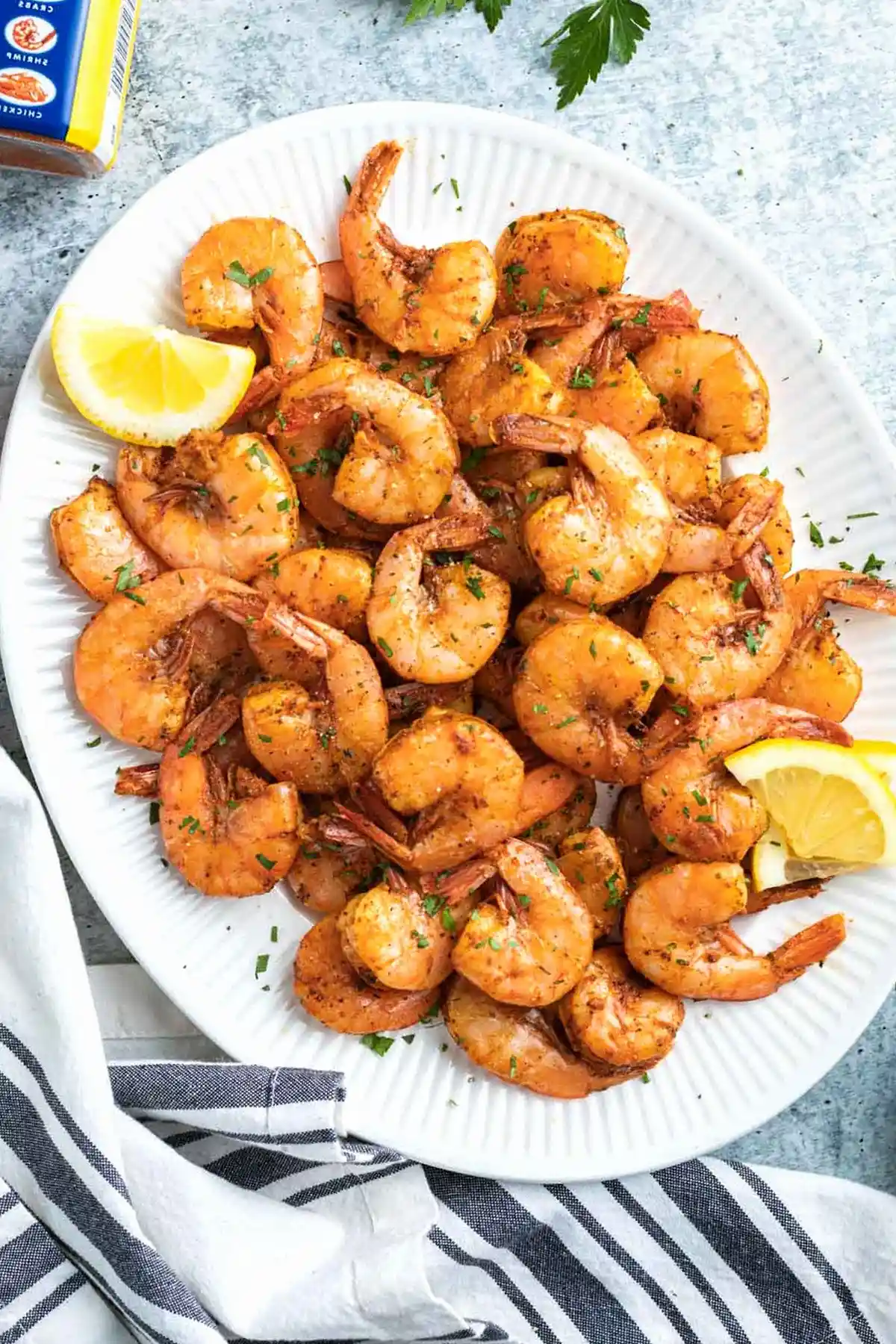
Baked peel and eat shrimp offers a convenient, hands-on dining experience perfect for casual gatherings or a simple weeknight dinner. By utilizing the oven instead of a stovetop, you achieve perfectly tender, seasoned results with minimal cleanup. Whether served steaming hot right off the pan or chilled as a refreshing appetizer, this classic method ensures every bite is packed with savory, aromatic spices.
List of ingredients
- 1 pound shell-on, deveined shrimp
- 2 tablespoons olive oil
- 1 teaspoon apple cider vinegar
- 1 – 2 tablespoons Old Bay seasoning
step-by-step instructions
- Step: Preheat oven to 400˚F and line a baking sheet with parchment paper.
- Step: In a large bowl, toss the shrimp with olive oil, vinegar and Old Bay.
- Step: Transfer to a baking sheet and bake for 6 – 8 minutes.
- Step: Remove from oven. Serve immediately or chill for several hours for cold shrimp cocktail.
Selecting and prepping quality shellfish
For the best results, always prioritize purchasing large or extra-large raw shrimp that still have their shells intact. The shell acts as a natural insulator, shielding the meat from direct heat and preventing it from becoming rubbery or tough during the short baking cycle. Even if you choose deveined shrimp to save time on preparation, maintaining the shell is the single most important factor in keeping the finished product juicy and succulent. If you decide to remove the tails, do so carefully, but keeping them on can often make the presentation more appealing for a casual peel-and-eat style serving.
Thawing frozen shrimp correctly
If you are starting with frozen shrimp, ensure they are completely thawed before seasoning and baking them. You can achieve this by placing the shrimp in a colander under cold running water for a few minutes or by leaving them in the refrigerator overnight. Patting them thoroughly dry with paper towels after thawing is crucial, as excess moisture on the shells will cause them to steam instead of roast, potentially washing away the aromatic spice coating.
Mastering seasoning application
The success of this dish relies heavily on how well the Old Bay seasoning interacts with the shells and the heat of the oven. Because you are consuming the flavor from the shells as you peel them, it is vital to create a generous coating that sticks to the exterior. Using olive oil as the base ensures that the dry spices become aromatic when heated, infusing the moisture trapped inside the shell with savory notes. Do not hesitate to use the full two tablespoons of seasoning if you enjoy a more intense, peppery crust on your shellfish.
Applying dry spices uniformly
When seasoning the shrimp in your mixing bowl, it helps to use your hands or a pair of tongs to ensure every surface of the shell is coated. If you find the spices are pooling at the bottom of the bowl, drizzle an extra half-teaspoon of olive oil over the mixture before transferring to the baking sheet. This ensures the spices do not simply fall off when you move the shrimp, keeping the intensity of the seasoning high for every bite.
Refining the cooking process
Baking at 400˚F is ideal because it creates a quick, high-heat environment that locks in the juices while perfectly toasting the spices on the shell. If you leave the shrimp in for too long, they will inevitably shrink and lose their tender texture, so setting a timer is essential. The shells should look slightly roasted and the meat should have a firm, bouncy consistency when you apply gentle pressure. If you are cooking a double batch, work in separate rounds rather than overcrowding the pan, as a crowded pan results in uneven cooking and soggy, steamed shells.
Identifying the perfectly cooked texture
A perfectly baked shrimp will have an opaque, white-pink interior and the outer shell will pull away slightly from the meat. If the shrimp has curled into a tight “O” shape, it is likely overcooked; you are aiming for a soft “C” shape. If you are nervous about timing, sacrifice one shrimp by cutting it in half after six minutes to check the doneness at the thickest part near the head.
Serving ideas and flavor pairings
Peel and eat shrimp are incredibly versatile and pair well with a wide variety of side dishes that balance their bold seasoning. For a classic summer-style meal, serve these warm from the oven alongside crusty sourdough bread, which is perfect for mopping up any residual oil and seasoning left on the serving platter. A light, crisp coleslaw or a fresh cucumber salad provides a refreshing contrast to the spicy, oily nature of the seasoned shells. If you are serving these as a cold appetizer, arrange them on a bed of crushed ice and accompany them with lemon wedges and a variety of dipping sauces.
Developing custom dipping sauces
While the shrimp are flavorful on their own, a simple dipping sauce elevates the entire experience. Consider preparing a creamy remoulade using mayonnaise, mustard, and finely diced pickles, or a classic cocktail sauce with plenty of prepared horseradish. If you prefer something lighter, a melted garlic-herb butter or a simple squeeze of fresh lemon juice is often all that is needed to highlight the natural sweetness of the shellfish. Mixing fresh herbs like dill or parsley into your butter can add a sophisticated touch to the final presentation.
Storage and reheating best practices
If you have leftover shrimp, they should be stored in an airtight container in the coldest part of your refrigerator within two hours of cooking. They will remain high-quality for up to two days, though the shells may begin to lose some of their crispness as they absorb moisture from the meat. Avoid freezing already-cooked shrimp, as the texture of the meat will deteriorate and become mushy upon thawing, which is not ideal for this specific preparation style.
Reheating without sacrificing texture
To reheat, it is best to avoid the microwave, which will almost certainly make the meat rubbery. Instead, place the shrimp on a baking sheet and heat them in a low-temperature oven (around 250˚F) for just five minutes until they are warmed through. Alternatively, you can give them a very quick sear in a hot, dry skillet for one minute, which revives the spice flavors and prevents the meat from drying out.
Common questions and troubleshooting
Can I use other seasoning blends?
While Old Bay is the traditional choice, you can certainly experiment with other dry rubs. Cajun spice blends work exceptionally well for a spicier finish, while lemon-pepper or garlic-herb seasoning can offer a completely different, brighter profile. Just ensure the blend you choose does not contain excessive amounts of sugar, which can burn quickly at 400˚F and create an unpleasant bitter taste.
What should I do if the shrimp are too salty?
If you are sensitive to sodium, use only one tablespoon of Old Bay seasoning and supplement it with additional smoked paprika or garlic powder. These additions provide the same depth of flavor without the high salt content found in pre-mixed spice blends. Remember that since you are only peeling the shell, a large portion of the salt remains on the exterior, but reducing the seasoning amount is the safest way to manage flavor intensity.
Why are my shrimp sticking to the parchment?
If your shrimp are sticking, it is usually because the parchment paper was not high-quality or the shrimp were too wet when placed on the sheet. Ensure you are using silicone-coated parchment paper, which is naturally non-stick. You can also lightly brush the parchment with a tiny bit of olive oil before laying out the shrimp to create an additional barrier against sticking.
Print
Easy Baked Peel and Eat Shrimp
- Total Time: 13 minutes
- Yield: 4 servings 1x
- Diet: Pescatarian
Description
Seasoned with Old Bay, these peel-and-eat shrimp are a family favorite. Serve them hot from the oven or chilled like shrimp cocktail—they will be delicious either way.
Ingredients
- 1 pound shell-on, deveined shrimp
- 2 tablespoons olive oil
- 1 teaspoon apple cider vinegar
- 1 – 2 tablespoons Old Bay seasoning
Instructions
- Step: Preheat oven to 400˚F and line a baking sheet with parchment paper.
- Step: In a large bowl, toss the shrimp with olive oil, vinegar and Old Bay.
- Step: Transfer to a baking sheet and bake for 6 – 8 minutes.
- Step: Remove from oven. Serve immediately or chill for several hours for cold shrimp cocktail.
Notes
The shell keeps the shrimp juicy while they cook. For an even easier cleanup, use parchment paper. If cooking from frozen, add a few extra minutes to the baking time.
- Prep Time: 5 minutes
- Cook Time: 8 minutes
- Category: Appetizer
- Method: Baking
- Cuisine: American
Nutrition
- Serving Size: 1 serving
- Calories: 162 kcal
- Sugar: 0.03 g
- Sodium: 135 mg
- Fat: 8 g
- Saturated Fat: 1.2 g
- Unsaturated Fat: 6.8 g
- Trans Fat: 0 g
- Carbohydrates: 1 g
- Fiber: 0.1 g
- Protein: 23 g
- Cholesterol: 183 mg