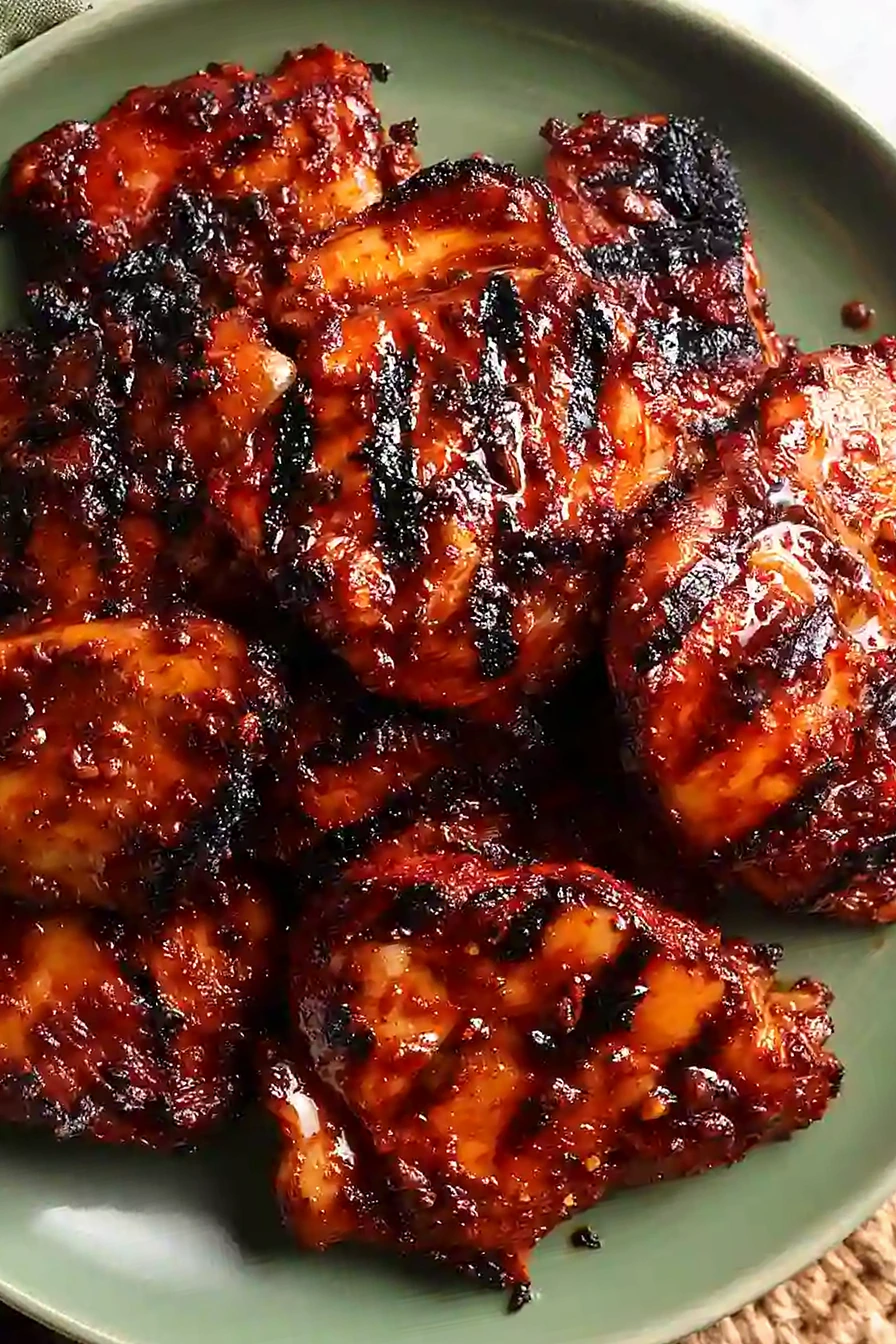
This smoky and spicy chipotle chicken marinade transforms simple poultry into a bold, restaurant-quality meal with minimal preparation. By combining aromatic garlic, honey, and earthy spices, you create a versatile base that works beautifully for grilling, roasting, or pan-searing. It is a perfect solution for weeknight dinners where flavor and ease are the top priorities.
List of ingredients
- 6 tbsp olive oil
- 2.5 tbsp honey
- 4 garlic cloves, minced
- 5 chipotle peppers in adobo sauce
- 3/4 tsp cumin
- 3/4 tsp salt
- 1/2 tsp black pepper
- 1.5 tbsp fresh lime juice
- 2 lb chicken, cut into 1-inch chunks
step-by-step instructions
- Step: Combine the olive oil, honey, minced garlic, chipotle peppers in adobo sauce, cumin, salt, and black pepper in a blender. Blend until smooth and completely combined, creating a thick, cohesive marinade. The mixture should be uniform with no large pepper chunks remaining. Finish by adding the fresh lime juice and pulse briefly to incorporate—this preserves some of the lime’s bright acidity rather than fully breaking it down.
- Step: Place the chicken chunks into a resealable bag or container, then pour the marinade from Step 1 over the chicken. Seal the bag or cover the container, then shake or stir vigorously to ensure every piece of chicken is thoroughly coated with the marinade.
- Step: Refrigerate the chicken and marinade for at least 6 hours, flipping or shaking the bag or container every 1-2 hours to redistribute the marinade evenly. This ensures all surfaces of the chicken absorb the flavors consistently.
- Step: Remove the marinated chicken from the refrigerator 30 minutes before you plan to cook it. This allows the chicken to come closer to room temperature, which promotes more even cooking and helps the exterior develop a better sear or char if grilling or searing.
Flavor optimization strategies
Achieving a balanced heat profile
The heat from chipotle peppers can vary significantly depending on the specific can you purchase. To manage the intensity, start by blending only three peppers and tasting a small amount of the sauce before adding the remaining two. If you find the flavor too spicy, adding an extra tablespoon of honey can help neutralize the intensity without compromising the smoky essence.
Balancing the acidity levels
Fresh lime juice is critical for breaking down the protein fibers, which helps the chicken absorb the marinade more efficiently. If you find the mixture is too acidic for your personal palate, reduce the lime juice to one tablespoon and replace the difference with a splash of water. Conversely, if you prefer a sharper profile, adding the zest of the lime alongside the juice will intensify the citrus notes significantly.
Practical handling and preparation
Selecting the right container
While a resealable plastic bag is highly effective for marinating as it eliminates air contact, a glass bowl or a non-reactive plastic container works just as well. When using a bowl, always cover the surface of the chicken directly with plastic wrap to prevent a dry skin from forming. This also helps keep the marinade in direct contact with the meat for the entire duration of the chilling process.
Consistent spice integration
Because the spices like cumin and black pepper are dry, they have a tendency to settle at the bottom of the blender. Ensure your blender is powerful enough to emulsify the olive oil and honey into a thick consistency so the spices remain suspended. If the marinade appears separated after blending, whisk it vigorously with a fork for thirty seconds before pouring it over the chicken to ensure every piece gets an equal distribution of seasonings.
Serving and presentation concepts
Complementing with cooling textures
Because this chicken possesses a robust, smoky profile, it benefits immensely from being paired with cooling ingredients. Consider serving the chicken alongside a refreshing avocado salad, cucumber salsa, or a dollop of sour cream. These creamy elements serve to mute the sharp heat of the chipotle, providing a balanced bite that feels light yet satisfying.
Creating complete meal bowls
This recipe is exceptionally well-suited for grain bowls, which allow for a variety of textures in every spoonful. Use a base of cilantro-lime rice or quinoa and layer the chicken with sautéed bell peppers, black beans, and shredded lettuce. Adding a handful of fresh cilantro or a sprinkle of crumbled cotija cheese on top completes the dish with fresh, vibrant flavors.
Storage and maintenance techniques
Handling leftovers for maximum freshness
Cooked chicken should be transferred to an airtight container as soon as it has reached room temperature to prevent it from drying out. If you intend to use the chicken for multiple days, keep it in the coldest part of your refrigerator, which is usually the back shelf. The flavors of the chipotle and garlic often improve after sitting for twenty-four hours, making this an excellent choice for leftovers.
Managing freezer transitions
If you choose to freeze the chicken in its marinade, lay the freezer bag flat to save space and ensure that the chicken freezes uniformly. When you are ready to eat, move the bag to the refrigerator the night before to allow it to thaw slowly. This method of thawing is superior to using the microwave because it prevents the edges of the chicken from beginning to cook prematurely.
Frequent inquiries regarding this recipe
Can I use dried chipotle peppers instead of canned ones?
Dried chipotle peppers are significantly more potent and lack the moisture of those packed in adobo sauce. If you must use dried, you will need to rehydrate them in warm water for at least thirty minutes before blending. You should also add a tablespoon of tomato paste to simulate the rich, acidic profile provided by the adobo sauce, though the texture will be slightly different.
How can I tell when the chicken is fully cooked?
The only truly reliable way to measure doneness is by using an instant-read meat thermometer inserted into the thickest part of the chicken. Aim for an internal temperature of 165°F for consistent safety and texture. Pulling the chicken from the heat when it hits 160°F is acceptable if you plan to let it rest for five to ten minutes, as the carryover heat will finalize the cooking process.
Is it possible to marinate the chicken for too long?
Because this marinade contains acidic lime juice, leaving it on for more than twenty-four hours can eventually affect the texture of the meat, making it slightly mushy. For the best balance of flavor penetration and structural integrity, aim for a window of six to twelve hours. If you must prep further in advance, freezing the chicken directly in the marinade is the best way to pause the process without sacrificing quality.
Print
Best Chipotle Chicken Marinade
- Total Time: 300 minutes
- Yield: 1.5 cups of marinade 1x
- Diet: Gluten-free
Description
A smoky and zesty chipotle chicken marinade that perfectly balances heat from chipotle peppers with the sweetness of honey and the brightness of lime.
Ingredients
- 6 tbsp olive oil
- 2.5 tbsp honey
- 4 garlic cloves, minced
- 5 chipotle peppers in adobo sauce
- 3/4 tsp cumin
- 3/4 tsp salt
- 1/2 tsp black pepper
- 1.5 tbsp fresh lime juice
- 2 lb chicken, cut into 1-inch chunks
Instructions
- Step: Combine the olive oil, honey, minced garlic, chipotle peppers in adobo sauce, cumin, salt, and black pepper in a blender. Blend until smooth and completely combined, creating a thick, cohesive marinade. The mixture should be uniform with no large pepper chunks remaining. Finish by adding the fresh lime juice and pulse briefly to incorporate—this preserves some of the lime’s bright acidity rather than fully breaking it down.
- Step: Place the chicken chunks into a resealable bag or container, then pour the marinade from Step 1 over the chicken. Seal the bag or cover the container, then shake or stir vigorously to ensure every piece of chicken is thoroughly coated with the marinade.
- Step: Refrigerate the chicken and marinade for at least 6 hours, flipping or shaking the bag or container every 1-2 hours to redistribute the marinade evenly. This ensures all surfaces of the chicken absorb the flavors consistently.
- Step: Remove the marinated chicken from the refrigerator 30 minutes before you plan to cook it. This allows the chicken to come closer to room temperature, which promotes more even cooking and helps the exterior develop a better sear or char if grilling or searing.
Notes
Leftover marinade that has not come into contact with raw chicken can be stored in an airtight container in the refrigerator for up to one week. Raw chicken in this marinade can be frozen for up to 3 months.
- Prep Time: 100 minutes
- Cook Time: 200 minutes
- Category: Main Course
- Method: Marinating
- Cuisine: Mexican-inspired
Nutrition
- Serving Size: 1 serving
- Calories: 1700 kcal
- Sugar: 22 g
- Sodium: 1800 mg
- Fat: 100 g
- Saturated Fat: 14 g
- Unsaturated Fat: 75 g
- Trans Fat: 0 g
- Carbohydrates: 25 g
- Fiber: 3 g
- Protein: 170 g
- Cholesterol: 450 mg