Experience the perfect harmony of savory and sweet with this lightning-fast teriyaki salmon recipe that rivals any high-end restaurant dish. This method relies on a quick-searing technique that yields impeccably crispy skin and a succulent, flaky interior in just a handful of minutes. By combining classic pantry staples into a fragrant, syrupy glaze, you can elevate a simple fillet into a sophisticated meal that is ideal for busy weeknights or impromptu dinner parties.
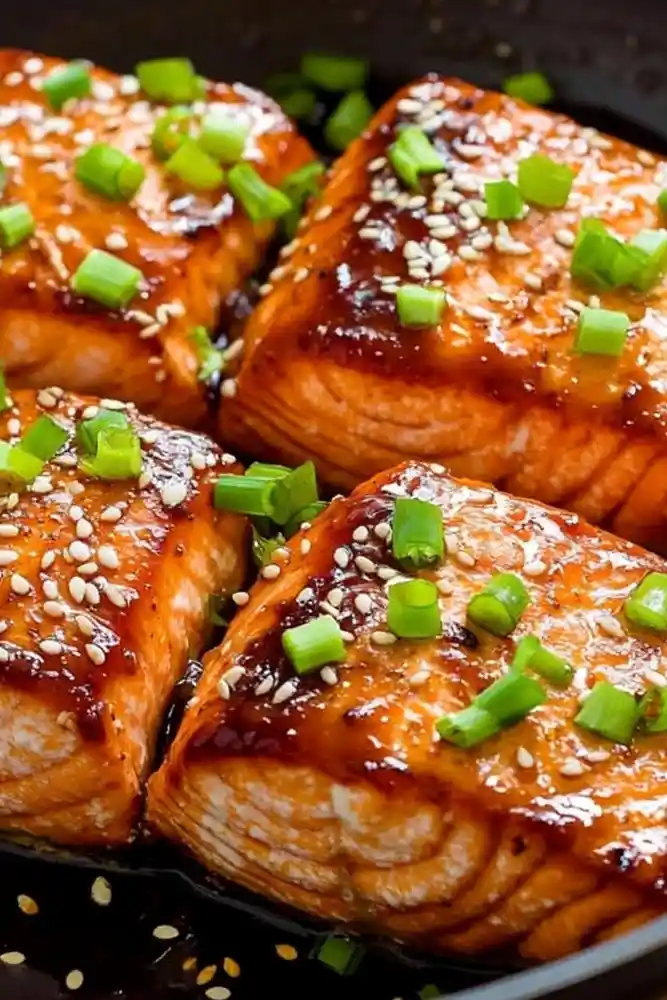
List of ingredients
- 4 salmon filets, skin-on
- 1/4 cup soy sauce
- 1/4 cup rice vinegar combined with 1 tablespoon sugar
- 2 tablespoons rice vinegar combined with 1/2 teaspoon sugar
- 2 tablespoons brown sugar
- 1 tablespoon grated fresh ginger
- 2 cloves garlic, minced
- 1 tablespoon vegetable oil
- Sesame seeds and chopped green onions for garnish
step-by-step instructions
- Step: In a small bowl, whisk together soy sauce, rice vinegar mixture, sugar mixture, brown sugar, ginger, and garlic. Set aside.
- Step: Pat the salmon filets dry with paper towels. Season lightly with salt and pepper.
- Step: Heat vegetable oil in a large non-stick skillet over medium-high heat. Place the salmon filets in the hot pan, skin-side down. Cook for 3-4 minutes until the skin is crispy.
- Step: Flip the salmon and cook for another 2 minutes.
- Step: Pour the teriyaki sauce into the pan and simmer for 2-3 minutes, basting the salmon with the sauce as it thickens. Remove the pan from the heat when the salmon is cooked through, and the sauce has reduced to a glaze consistency.
- Step: Transfer the salmon to serving plates. Drizzle with the remaining glaze from the pan. Garnish with sesame seeds and chopped green onions.
Refining your pan-searing technique
The importance of pan temperature
Ensuring your skillet is at the correct temperature before the fish enters the pan is the difference between a golden crust and sticking. If the oil is not hot enough, the skin will adhere to the surface rather than crisping up. You should look for the oil to shimmer or move quickly across the pan, which indicates it has reached the ideal searing range without reaching its smoke point.
Managing skillet crowding
Never overcrowd your pan when searing salmon. If the pieces are packed too tightly, the moisture released during cooking will be trapped in the pan, creating steam that prevents the skin from crisping. Cook in two batches if your skillet is on the smaller side to ensure every filet has plenty of space to breathe and sear properly.
Selecting the right spatula
Using a flexible, wide, thin-edged spatula is vital for flipping delicate fish without tearing the skin. Because the skin is the first part to crisp, you want a tool that can slide underneath the filet in one smooth motion to maintain the integrity of the crust. Metal spatulas are excellent for traditional cast iron, while silicone-coated options are safer for non-stick surfaces.
Practical tips for high-quality results
Understanding salmon thickness
If your salmon fillets are varying in thickness, you should adjust your cooking time to accommodate the thickest part. A thicker piece of salmon might need an extra minute of cooking, while a thinner tail piece should be removed from the pan first to avoid becoming dry or overcooked. It is helpful to purchase center-cut portions whenever possible to avoid this common issue.
Monitoring the glaze consistency
The reduction phase of the sauce happens quite rapidly once the sugar begins to caramelize. Watch the sauce closely as it bubbles; it should go from a thin, watery consistency to a syrup that clings to the back of a spoon. If you find the sauce is becoming too dark before the salmon is finished, turn the heat down to low or remove the pan from the burner entirely.
Achieving the perfect flake
Salmon is ready to serve when it can be easily separated into translucent flakes along the natural muscle lines. If you are using a digital thermometer, aim for an internal temperature of 125 to 130 degrees Fahrenheit for a moist, tender result. Pulling the salmon off the heat at this stage prevents the residual heat of the pan from pushing the fish past the point of tenderness.
Customizing your flavor profile
Adding brightness with acidity
While the traditional sauce is rich, you can balance the sweetness by squeezing a small amount of fresh lime or lemon juice over the fish just before serving. The acidity acts as a bright contrast to the heavy, savory notes of the teriyaki, creating a more complex and balanced bite. Start with just a half-teaspoon to avoid overpowering the delicate ginger notes.
Introducing heat to the glaze
For those who prefer a spicy finish, you can stir in half a teaspoon of crushed red pepper flakes or a small dash of chili paste directly into the sauce as it simmers. The heat will infuse into the glaze, creating a subtle, lingering warmth that pairs beautifully with the brown sugar and garlic. Adjust the amount based on your preference for heat levels.
Experimenting with aromatics
While ginger and garlic are staples, you can experiment with other aromatics like thinly sliced shallots or a small amount of lemongrass paste. Adding these during the reduction phase allows their flavors to soften and integrate into the sticky sauce. This is a simple way to change the character of the dish without deviating from the core technique.
Serving suggestions for balanced meals
Pairing with grains
Steamed jasmine or short-grain white rice is the traditional accompaniment, as the neutral flavor acts as a blank canvas for the sticky, flavorful teriyaki sauce. For a healthier alternative, consider serving the salmon over a bed of quinoa or forbidden black rice, which adds a nutty flavor and pleasant texture. Always ensure the rice is cooked until light and fluffy to best absorb the extra glaze from the pan.
Selecting vegetable sides
Roasted or steamed vegetables like bok choy, broccolini, or snap peas are excellent pairings because they provide a crisp contrast to the soft, flaky fish. Toss these vegetables in a tiny bit of the remaining sauce before serving so they taste unified with the main dish. Keeping the vegetables vibrant and slightly al dente ensures they provide a necessary crunch against the tender salmon.
Common inquiries answered
How can I safely store leftover salmon?
You can store leftover teriyaki salmon in an airtight container in the refrigerator for up to three days. It is important to ensure the fish is completely cooled before sealing the container to prevent condensation, which can make the skin mushy. When stored properly, the sauce will keep the fish moist, though the crispy skin texture will soften over time.
Is it possible to freeze the cooked salmon?
Yes, you can freeze individual portions of the cooked salmon for up to two months. Wrap the cooled pieces tightly in plastic wrap followed by a layer of aluminum foil or place them in a heavy-duty freezer bag to prevent freezer burn. Thaw the portions in the refrigerator overnight before reheating them gently to avoid drying out the proteins.
What is the most effective way to reheat the fish?
The most effective method for reheating is to place the salmon in a preheated oven at 275 degrees Fahrenheit for about 10 to 15 minutes. This low-temperature approach warms the fish throughout without causing the outer layer of the sauce to burn or the interior to become tough. Avoid the microwave if possible, as it tends to heat unevenly and can turn the fish texture rubbery.
Why did my sauce become bitter?
A bitter sauce is usually the result of burning the aromatics or the sugar. Ensure your garlic and ginger are minced finely so they incorporate into the sauce rather than browning on the hot pan surface. If the sauce begins to smoke while reducing, remove the pan from the heat immediately, as high heat quickly turns the sugars from a sweet glaze into a bitter, charred state.
Print
15-Minute Teriyaki Salmon
- Total Time: PT15M
- Yield: 4 servings 1x
- Diet: Pescatarian
Description
This teriyaki salmon is an easy restaurant-quality meal you can whip up at home! It’s savory, sweet, and ready in about 15 minutes.
Ingredients
- 4 salmon filets, skin-on
- 1/4 cup soy sauce
- 1/4 cup rice vinegar combined with 1 tablespoon sugar
- 2 tablespoons rice vinegar combined with 1/2 teaspoon sugar
- 2 tablespoons brown sugar
- 1 tablespoon grated fresh ginger
- 2 cloves garlic, minced
- 1 tablespoon vegetable oil
- Sesame seeds and chopped green onions for garnish
Instructions
- Step: In a small bowl, whisk together soy sauce, rice vinegar mixture, sugar mixture, brown sugar, ginger, and garlic. Set aside.
- Step: Pat the salmon filets dry with paper towels. Season lightly with salt and pepper.
- Step: Heat vegetable oil in a large non-stick skillet over medium-high heat. Place the salmon filets in the hot pan, skin-side down. Cook for 3-4 minutes until the skin is crispy.
- Step: Flip the salmon and cook for another 2 minutes.
- Step: Pour the teriyaki sauce into the pan and simmer for 2-3 minutes, basting the salmon with the sauce as it thickens. Remove the pan from the heat when the salmon is cooked through, and the sauce has reduced to a glaze consistency.
- Step: Transfer the salmon to serving plates. Drizzle with the remaining glaze from the pan. Garnish with sesame seeds and chopped green onions.
Notes
Ensure salmon is cooked to an internal temperature of 145°F. You can substitute soy sauce with tamari for a gluten-free option.
- Prep Time: PT5M
- Cook Time: PT10M
- Category: Main Course
- Method: Pan-searing
- Cuisine: Asian-American
Nutrition
- Serving Size: 1 filet
- Calories: 342 kcal
- Sugar: 8 g
- Sodium: 780 mg
- Fat: 15 g
- Saturated Fat: 3 g
- Unsaturated Fat: 11 g
- Trans Fat: 0 g
- Carbohydrates: 10 g
- Fiber: 1 g
- Protein: 38 g
- Cholesterol: 95 mg