Creating a classic lasagna at home is a rewarding way to bring a hearty, comforting meal to your dinner table. This recipe focuses on layering tender pasta with a rich, savory meat-based sauce and a creamy, herb-infused cheese blend. Perfect for feeding a large group, it captures the essential flavors of a traditional Italian kitchen.
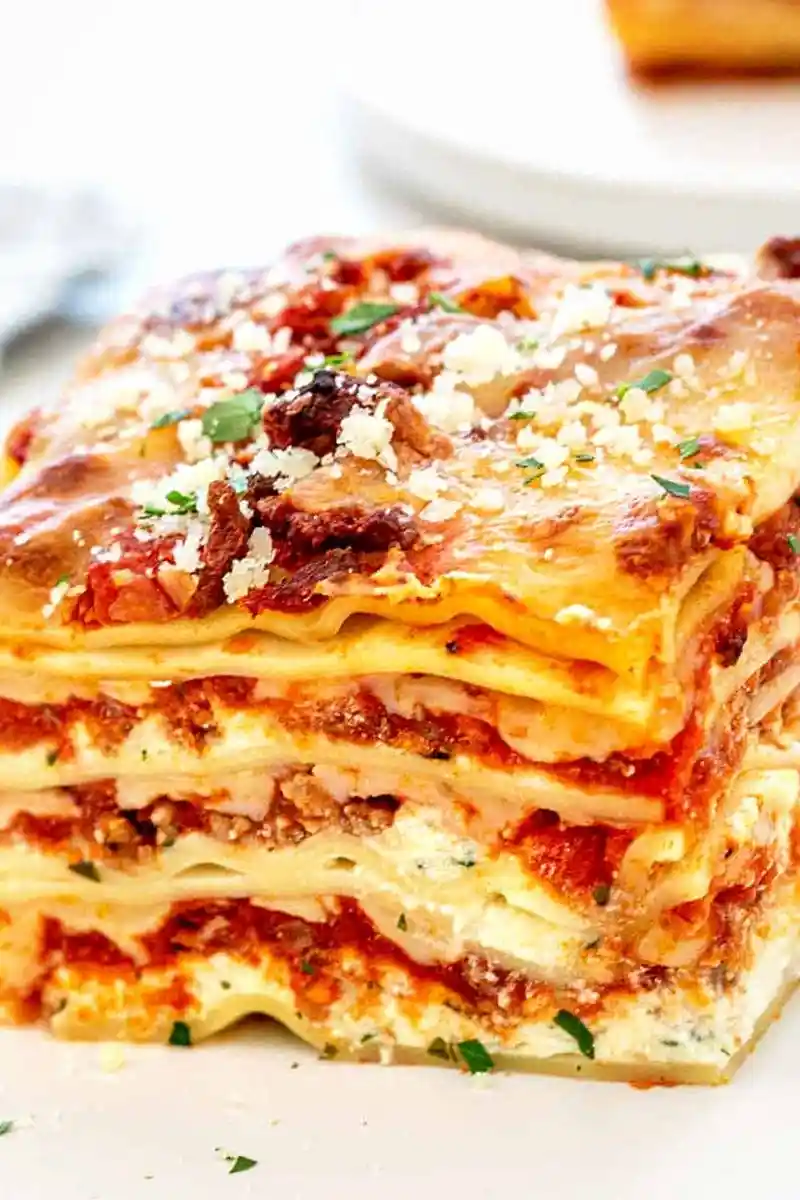
List of ingredients
- 2 tablespoons olive oil
- ½ cup yellow onion, finely chopped
- 1 tablespoon minced garlic
- 1 teaspoon dried Italian seasoning
- 1 pound ground beef (80 to 90% lean)
- 6 ounces ground turkey (seasoned with Italian herbs)
- 1 ½ teaspoon kosher salt
- ½ teaspoon black pepper
- 6 ounces tomato paste
- 56 ounces crushed tomatoes
- 4 quarts water
- 1 tablespoon kosher salt
- 1 pound lasagna noodles
- 2 large eggs, whisked
- 32 ounces whole milk ricotta cheese
- ½ cup grated parmesan cheese
- 2 tablespoons chopped Italian parsley
- ½ teaspoon kosher salt
- ¼ teaspoon black pepper
- 1 pound mozzarella cheese, freshly shredded
step-by-step instructions
- Preheat the Oven: Set the oven rack to the middle position. Preheat the oven to 375°F (190ºC).
- Saute the Aromatics: In a large pan, heat olive oil over medium-low heat and sauté onion, garlic, and Italian seasoning until translucent, about 3 minutes.
- Brown the Meat: Turn the heat to medium-high, and add the beef and ground turkey to the pan. Break the meat into smaller pieces and cook until no traces of pink remain, about 5 minutes. Season with 1 ½ teaspoon salt and ½ teaspoon black pepper.
- Simmer the Sauce: Add the tomato paste and stir until combined. Cook for 1 minute. Add in crushed tomatoes and simmer over medium-low heat, stirring occasionally, for 30 minutes. Taste and season with more salt and pepper as desired.
- Boil the Pasta: Bring water and 1 tablespoon salt to a boil. Cook the lasagna according to package directions, occasionally stirring to prevent sticking, until al dente, about 8 minutes. Carefully remove the pasta and transfer it to a sheet pan lined with clean kitchen towels. Place them in a single layer to keep them from sticking together. Set aside until ready to use.
- Make the Cheese Mixture: In a medium-sized bowl, whisk together eggs, ricotta cheese, parmesan cheese, ½ teaspoon salt, ¼ teaspoon pepper, and chopped parsley.
- Prep the Baking Dish: Reserve about 1 cup of sauce and 1 cup of grated mozzarella cheese for topping the lasagna. Lightly coat a 13 x 9-inch baking dish with oil. Add enough sauce to lightly cover the bottom of the dish to prevent sticking.
- Layer the Lasagna: Layer 3 to 4 sheets of lasagna, top with ⅓ of the ricotta cheese mixture, ⅓ meat sauce, and ⅓ of the mozzarella cheese. Repeat for 2 more layers. On the top layer, pour the reserved sauce and cover evenly with the reserved mozzarella cheese.
- Bake the Casserole: Line a sheet tray with foil and place the baking dish on top. Loosely cover the dish with foil, making sure not to touch the cheese. Bake for 30 minutes, then remove the foil. Continue baking until the cheese is hot and bubbly, about 15 minutes. The lasagna can be broiled for a few minutes for an extra browned crust.
- Let it Cool: Before slicing and serving, allow the lasagna to rest for 15 minutes.
Maintaining the Ideal Texture
Managing Pasta Starch to Prevent Sticking
After boiling your noodles, it is vital to keep them separated. Laying them individually on a clean kitchen towel effectively wicks away surface starch. Never leave them in a clump in a colander, as the residual heat will continue to soften them, leading to a mushy texture in your finished dish.
Selecting the Right Meat Lean-to-Fat Ratio
Using ground beef with at least 15-20% fat content ensures the sauce remains flavorful and juicy. Since turkey is naturally leaner, the addition of the beef helps balance the overall moisture levels in the pan. This combination creates a more complex flavor profile that benefits from long, slow simmering.
Refining the Cheese Filling
The Role of Whisked Eggs in Ricotta
Eggs act as a crucial binder for the ricotta mixture. When the lasagna bakes, the proteins in the eggs coagulate, providing structural integrity to the cheese layers. This prevents the filling from becoming runny or sliding out when you portion the lasagna into squares for serving.
Why Freshly Shredded Mozzarella Melts Better
Pre-shredded mozzarella often contains anti-caking agents like cellulose, which can inhibit proper melting. Shredding your own cheese from a block ensures a smoother, more cohesive layer that melts into a uniform, stretchy consistency. This leads to that iconic pull and texture associated with high-quality lasagna.
Practical Serving and Storage Suggestions
Slicing for Beautiful Portions
Always allow the casserole to sit for at least 15 minutes before cutting. This cooling period is not just for temperature safety; it allows the sauce and cheese to firm up enough to maintain the shape of each layer. Using a sharp, heavy-duty knife will help you cut through the top cheese crust without tearing the underlying pasta.
Reheating Leftover Portions
To reheat individual slices, place them in a microwave-safe dish and cover them lightly to trap steam. This prevents the edges from drying out and keeps the cheese creamy. If using an oven, place the slice in a baking dish, add a tiny splash of water or broth, and cover with foil before warming at 350°F.
Common Questions About Assembly
Can the lasagna be assembled fully in advance?
Yes, you can assemble the lasagna up to 24 hours before baking. Keep it tightly covered with plastic wrap in the refrigerator until you are ready to put it in the oven. When baking from cold, you may need to add an extra 10 to 15 minutes to the initial covered baking time to ensure the center is hot.
Is there a way to make the sauce faster?
If you are short on time, you can purchase a high-quality jarred marinara, but the 30-minute simmer described in the instructions is designed to reduce the acidity of the tomatoes and concentrate the savory notes. If you must use jarred sauce, consider sautéing the aromatics briefly before adding the sauce to regain some of that fresh flavor depth.
How do I fix a watery lasagna?
Watery results usually stem from excess moisture in the ricotta or the tomato sauce. Ensure you are buying high-quality crushed tomatoes that aren’t overly watery, and always drain your ricotta in a fine-mesh sieve for 20 minutes before mixing if it appears to have a lot of liquid. Additionally, ensure the pasta is drained well before layering.
Can I freeze the lasagna after baking?
You can definitely freeze portions of the baked lasagna. Allow the dish to cool completely before portioning into airtight containers. It will maintain its quality in the freezer for up to two months. When ready to enjoy, thaw the portion in the refrigerator overnight and reheat gently in the microwave or oven.
Does the type of baking dish affect the cooking time?
A metal baking dish will heat up much faster than a glass or ceramic one. If you are using glass, the edges might take longer to reach the same temperature as the center, so keep an eye on the browning of the cheese. You may need to add an additional 5 minutes to the uncovered bake time when using glass cookware.
Print
Best Italian Lasagna Recipe
- Total Time: PT105M
- Yield: 12 servings 1x
- Diet: Non-Vegetarian
Description
Lasagna is the best Italian comfort food that your family will devour! Tender pieces of pasta noodles layered with a hearty tomato sauce, creamy ricotta, and mozzarella cheese.
Ingredients
- 2 tablespoons olive oil
- ½ cup yellow onion, finely chopped
- 1 tablespoon minced garlic
- 1 teaspoon dried Italian seasoning
- 1 pound ground beef (80 to 90% lean)
- 6 ounces ground turkey (seasoned with Italian herbs)
- 1 ½ teaspoon kosher salt
- ½ teaspoon black pepper
- 6 ounces tomato paste
- 56 ounces crushed tomatoes
- 4 quarts water
- 1 tablespoon kosher salt
- 1 pound lasagna noodles
- 2 large eggs, whisked
- 32 ounces whole milk ricotta cheese
- ½ cup grated parmesan cheese
- 2 tablespoons chopped Italian parsley
- ½ teaspoon kosher salt
- ¼ teaspoon black pepper
- 1 pound mozzarella cheese, freshly shredded
Instructions
- Preheat the Oven: Set the oven rack to the middle position. Preheat the oven to 375°F (190ºC).
- Saute the Aromatics: In a large pan, heat olive oil over medium-low heat and sauté onion, garlic, and Italian seasoning until translucent, about 3 minutes.
- Brown the Meat: Turn the heat to medium-high, and add the beef and ground turkey to the pan. Break the meat into smaller pieces and cook until no traces of pink remain, about 5 minutes. Season with 1 ½ teaspoon salt and ½ teaspoon black pepper.
- Simmer the Sauce: Add the tomato paste and stir until combined. Cook for 1 minute. Add in crushed tomatoes and simmer over medium-low heat, stirring occasionally, for 30 minutes. Taste and season with more salt and pepper as desired.
- Boil the Pasta: Bring water and 1 tablespoon salt to a boil. Cook the lasagna according to package directions, occasionally stirring to prevent sticking, until al dente, about 8 minutes. Carefully remove the pasta and transfer it to a sheet pan lined with clean kitchen towels. Place them in a single layer to keep them from sticking together. Set aside until ready to use.
- Make the Cheese Mixture: In a medium-sized bowl, whisk together eggs, ricotta cheese, parmesan cheese, ½ teaspoon salt, ¼ teaspoon pepper, and chopped parsley.
- Prep the Baking Dish: Reserve about 1 cup of sauce and 1 cup of grated mozzarella cheese for topping the lasagna. Lightly coat a 13 x 9-inch baking dish with oil. Add enough sauce to lightly cover the bottom of the dish to prevent sticking.
- Layer the Lasagna: Layer 3 to 4 sheets of lasagna, top with ⅓ of the ricotta cheese mixture, ⅓ meat sauce, and ⅓ of the mozzarella cheese. Repeat for 2 more layers. On the top layer, pour the reserved sauce and cover evenly with the reserved mozzarella cheese.
- Bake the Casserole: Line a sheet tray with foil and place the baking dish on top. Loosely cover the dish with foil, making sure not to touch the cheese. Bake for 30 minutes, then remove the foil. Continue baking until the cheese is hot and bubbly, about 15 minutes. The lasagna can be broiled for a few minutes for an extra browned crust.
- Let it Cool: Before slicing and serving, allow the lasagna to rest for 15 minutes.
Notes
Smaller Pan: Using an 8-inch by 11-inch size, use 3 noodles for each layer. Four layers can be made instead of three if desired. Make-Ahead: The lasagna can be assembled three days in advance and baked the day you are ready to serve. Bake covered for 40 minutes and then uncovered for 15 minutes. Storing: Refrigerate leftovers for up to 5 days. Freezing: Cover and freeze the unbaked lasagna.
- Prep Time: PT60M
- Cook Time: PT45M
- Category: Entree
- Method: Baking
- Cuisine: Italian
Nutrition
- Serving Size: 1 slice
- Calories: 627 kcal
- Sugar: 9 g
- Sodium: 1186 mg
- Fat: 35 g
- Saturated Fat: 17 g
- Unsaturated Fat: 18 g
- Trans Fat: 0 g
- Carbohydrates: 45 g
- Fiber: 5 g
- Protein: 35 g
- Cholesterol: 110 mg