This simple beef gravy dinner is the ultimate solution for those nights when you need a hearty, comforting meal without spending hours in the kitchen. By combining browned ground beef with a classic roux-thickened gravy, you achieve a velvety texture and deep savory flavor that feels like a warm hug in a bowl. It is a reliable, budget-friendly dish that turns humble pantry staples into a restaurant-quality centerpiece in just ten minutes.
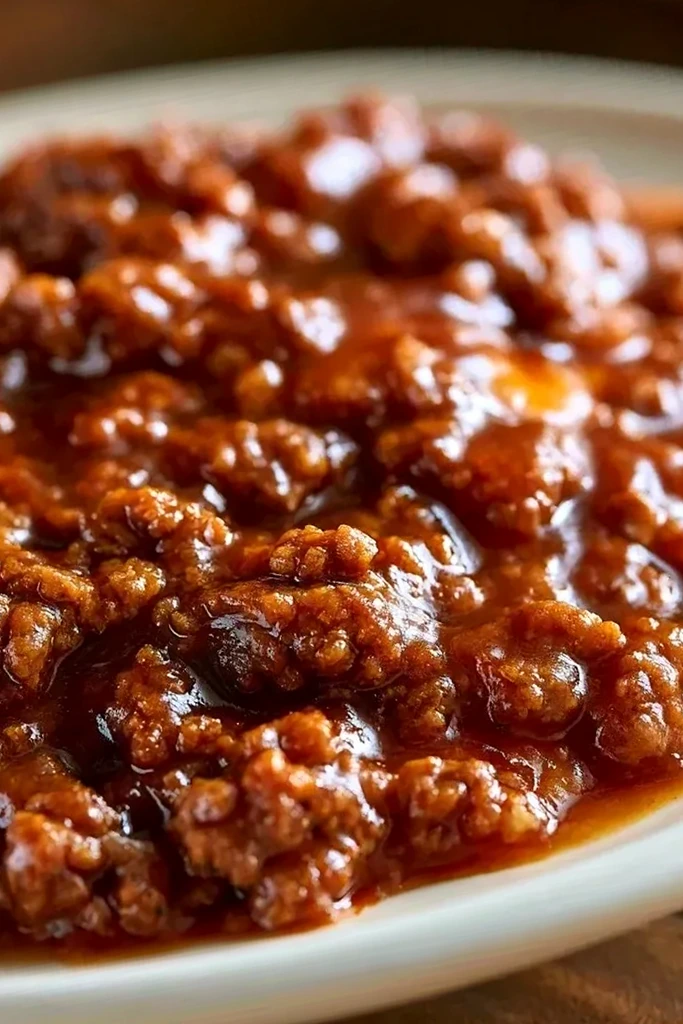
List of ingredients
- 1 lb lean ground beef
- 1 tbsp vegetable oil
- 4 tbsp unsalted butter
- 1/4 cup all-purpose flour
- 2 cups beef broth
- 1/2 tsp onion powder
- 1/2 tsp kosher salt
- 1/4 tsp cracked black pepper
step-by-step instructions
- Step: Heat the vegetable oil in a large skillet or sauté pan over medium-high heat.
- Step: Add the ground beef and cook until browned and slightly crispy on the edges. Remove the beef from the pan and set aside, leaving the rendered fat in the skillet.
- Step: Reduce the heat to medium and melt the unsalted butter into the remaining beef fat.
- Step: Sprinkle in the all-purpose flour and whisk constantly for 1-2 minutes until the mixture reaches a light golden brown color and a nutty aroma.
- Step: Gradually pour in the beef broth in a thin stream, whisking vigorously to prevent lumps.
- Step: Stir in the onion powder, kosher salt, and cracked black pepper. Simmer for 3-5 minutes until the gravy is thick and glossy.
- Step: Stir the cooked beef back into the gravy to combine and serve.
Refining your technique
Why high-quality browning matters
The secret to a deep, restaurant-style flavor lies in the initial sear of the ground beef. When you allow the meat to sit in the hot oil without constantly moving it, you initiate the Maillard reaction. This chemical process transforms the surface of the beef into a flavorful, caramelized crust that significantly elevates the quality of the final gravy.
Mastering the roux consistency
A successful roux is the backbone of any great gravy. The golden rule is to keep the butter and flour mixture moving constantly to ensure uniform heat distribution. If you stop whisking, the flour may scorch, which introduces a bitter, burnt taste that is impossible to remove once the broth is added. Aim for a pale sandy color to ensure the best balance between thickness and flavor.
Practical handling and variations
Exploring meat substitutions
While lean ground beef is the classic choice, you can easily adapt this dish to your dietary preferences. Ground bison offers a slightly leaner and sweeter flavor profile, while ground turkey is a lighter option that pairs beautifully with the savory beef broth. If using poultry, remember that it has less natural fat, so you may need to add a touch extra butter to compensate for the reduction in rendered beef drippings.
Enhancing the aromatics
While onion powder provides a consistent baseline, you can enhance the depth of this gravy by introducing dried herbs like thyme or rosemary during the simmering stage. If you have extra time, lightly sautéing finely minced shallots or garlic in the remaining beef fat before adding the flour can provide a more complex, gourmet finish to the sauce.
Creating a gluten-free version
If you need to avoid wheat-based thickeners, you can substitute the flour with a cornstarch slurry. Mix two tablespoons of cornstarch with two tablespoons of cold water in a separate small container until completely smooth. Slowly whisk this into the simmering beef broth during the final two minutes of cooking. Note that cornstarch results in a slightly more translucent and gel-like gravy compared to the opaque, velvety texture of a traditional flour roux.
Serving and pairing suggestions
Selecting the right base
This gravy is designed to be a versatile component of a larger meal. The classic pairing is a bed of fluffy, buttery mashed potatoes, which act like a sponge to absorb the rich, glossy sauce. Alternatively, serving this over wide egg noodles or steamed white rice creates a heartier experience. For a quick, low-effort alternative, toasted sourdough bread or even a split baked potato makes a wonderful vessel for the savory meat mixture.
Balancing the meal
Because this dish is dense and savory, it benefits significantly from the addition of fresh or acidic sides. Steamed green beans tossed with a squeeze of fresh lemon juice provide a bright, crisp contrast that cuts through the richness of the butter and beef. Roasted carrots with a hint of honey glaze also offer a subtle sweetness that pairs surprisingly well with the savory profile of the gravy.
Managing leftovers and storage
Optimizing refrigerator longevity
If you have leftovers, allow them to cool down completely before transferring the mixture to an airtight container. The gravy will keep well in the refrigerator for up to four days. Be aware that the sauce may look like jelly when cold; this is entirely normal and is simply the result of the beef fat and starch firming up at lower temperatures. When you are ready to eat, simply reheat it on the stovetop over low heat, adding a splash of water or broth to restore the original, glossy, pouring consistency.
Freezing the gravy base
If you intend to freeze this dish, it is often better to prepare the gravy base and freeze it separately from the cooked meat if you are planning for long-term storage. However, if you must freeze it together, consume it within one month. Reheat it directly from the freezer using a saucepan over low heat, stirring frequently to ensure the sauce does not separate. Adding a small knob of butter during the final minute of reheating can help emulsify the sauce and restore its shiny finish.
Troubleshooting common issues
Fixing an overly salty batch
If your gravy tastes too salty, do not reach for more liquid immediately, as this dilutes the flavor of the meat as well. Instead, whisk in a tablespoon of unsalted butter or a small amount of heavy cream. These fats help neutralize the impact of the salt on your palate. If the salt level is extreme, you can also add a finely grated small potato, which will absorb some of the excess seasoning before you remove the pieces from the pan.
Correcting a thin or watery consistency
If you find that your gravy is failing to thicken correctly, you are likely dealing with either too much liquid or not enough cooking time. A quick fix is to create an extra roux in a separate small pan by mixing a teaspoon of butter and a teaspoon of flour, then stirring that into the simmering main sauce. Alternatively, allow the gravy to simmer uncovered for a few minutes longer, which encourages evaporation and increases the concentration of the starch.
Frequently Asked Questions
How do I prevent lumps in my gravy?
The most effective way to avoid lumps is to add the liquid slowly and maintain a consistent whisking motion. Ensure the broth is at room temperature rather than ice-cold, as cold liquids can cause the butter in the roux to seize, resulting in small pockets of uncooked flour that create lumps.
Can this be made ahead for busy weeknights?
Absolutely. You can prepare the gravy base up to 48 hours in advance. Keep it stored in a sealed container in the refrigerator and simply warm it up in a skillet right before serving. If you want to save even more time, you can brown the beef and store it separately, only combining it with the roux and broth during the final steps of your dinner preparation.
Why is the color of my gravy pale?
A pale gravy typically indicates that the beef was not browned long enough to develop deep color, or the roux was removed from the heat before reaching the golden-brown stage. You can enhance the color by adding a half-teaspoon of tomato paste while browning the beef or by whisking in a very small amount of kitchen bouquet or even a drop of soy sauce, which adds a deep brown hue without significantly changing the flavor profile of the meal.
Is this meal suitable for a crowd?
This recipe is highly scalable, making it perfect for feeding a larger group of people. When scaling up, ensure you use a sufficiently large pan so the ingredients are not crowded, which would cause the meat to steam rather than brown. Remember to adjust the seasoning gradually; it is always easier to add more salt and pepper at the end than it is to fix an over-seasoned batch after the gravy has already thickened.
Print
Simple Beef Gravy Dinner: Hearty and Glossy
- Total Time: PT10M
- Yield: 8 servings 1x
- Diet: High Protein
Description
This Simple Beef Gravy Dinner is a staple for Easy Ground Beef Dinner Recipes. Use our beef gravy with flour method and budget swap table. Ready in 10 mins!
Ingredients
- 1 lb lean ground beef
- 1 tbsp vegetable oil
- 4 tbsp unsalted butter
- 1/4 cup all-purpose flour
- 2 cups beef broth
- 1/2 tsp onion powder
- 1/2 tsp kosher salt
- 1/4 tsp cracked black pepper
Instructions
- Step: Heat the vegetable oil in a large skillet or sauté pan over medium-high heat.
- Step: Add the ground beef and cook until browned and slightly crispy on the edges. Remove the beef from the pan and set aside, leaving the rendered fat in the skillet.
- Step: Reduce the heat to medium and melt the unsalted butter into the remaining beef fat.
- Step: Sprinkle in the all-purpose flour and whisk constantly for 1-2 minutes until the mixture reaches a light golden brown color and a nutty aroma.
- Step: Gradually pour in the beef broth in a thin stream, whisking vigorously to prevent lumps.
- Step: Stir in the onion powder, kosher salt, and cracked black pepper. Simmer for 3-5 minutes until the gravy is thick and glossy.
- Step: Stir the cooked beef back into the gravy to combine and serve.
Notes
If you want the gravy to be even darker, let the roux (the butter and flour mix) cook for an extra minute before adding the broth. Watch closely to prevent burning.
- Prep Time: PT5M
- Cook Time: PT5M
- Category: Dinner
- Method: Stovetop
- Cuisine: American
Nutrition
- Serving Size: 1 serving
- Calories: 182 kcal
- Sugar: 0.8 g
- Sodium: 310 mg
- Fat: 11.0 g
- Saturated Fat: 5.5 g
- Unsaturated Fat: 5.5 g
- Trans Fat: 0 g
- Carbohydrates: 3.0 g
- Fiber: 0.5 g
- Protein: 17.0 g
- Cholesterol: 65 mg