This homemade egg drop soup is a classic, comforting dish that comes together in just fifteen minutes. With its silky texture and rich, savory broth, it serves as the perfect light meal or a restaurant-style starter for your favorite main course. You will appreciate how easily it transforms simple pantry staples into a nourishing, restaurant-quality bowl that feels both elegant and deeply satisfying to prepare at home.

List of ingredients
- 8 cups chicken broth
- 1/4 cup cornstarch
- 1 1/2 tablespoon soy sauce
- 2 teaspoons sesame oil
- 1 teaspoon grated ginger
- 3/4 teaspoon garlic powder
- 1/4 teaspoon ground turmeric
- 6 large eggs
step-by-step instructions
- Step: Add the chicken broth, cornstarch, soy sauce, sesame oil, grated ginger, garlic powder, and turmeric in a large sauce pot. Whisk well, then turn the heat on high and bring to a boil.
- Step: In a small bowl, whisk the eggs well. Stir the soup base to create a swirl and slowly pour the eggs into the soup to create ribbons. Turn off the heat.
- Step: Taste the soup and add salt and pepper to taste. Serve as-is, or garnish with chopped green onions and crunchy noodles.
Refining the Texture
The Role of Liquid Velocity
Achieving those signature, wispy egg ribbons depends heavily on the speed of the swirl in your pot. If the liquid is moving too slowly, the eggs may cook into larger, dense chunks; conversely, a brisk, steady stir ensures the eggs disperse thinly. Practice creating a consistent vortex before you begin pouring the egg mixture to guarantee the best results.
Managing the Thickener
Cornstarch is a temperamental ingredient that requires specific handling to function correctly. Always whisk the starch into the cold or room-temperature broth before applying heat to prevent lumps from forming. If you prefer a thicker, heartier soup, you may whisk an additional tablespoon of starch with a small amount of cool water before stirring it into the boiling pot.
Flavor Adjustments and Customization
Balancing Umami Components
The balance between the saltiness of soy sauce and the nuttiness of sesame oil defines the final character of your soup. If you find the flavor too intense, try reducing the soy sauce slightly and supplementing with additional salt to taste. You can also add a tiny pinch of white pepper if you enjoy a slightly more complex, earthy spice profile that lingers on the palate.
Enhancing the Ginger Notes
While one teaspoon of grated ginger provides a classic background heat, you can experiment with the intensity by adjusting the freshness of your aromatics. Always use freshly grated ginger rather than dried or powdered versions, as the volatile oils in fresh ginger offer a brightness that cannot be replicated. For an even stronger ginger profile, you can steep a few large slices of ginger in the broth during the initial boil and remove them before adding the eggs.
Serving and Accompaniments
Texture Contrast with Garnishes
The appeal of this soup often lies in the contrast between the soft, delicate egg ribbons and crunchy toppings. Chopped green onions are a mandatory addition for many, providing a crisp, fresh bite that cuts through the richness. Consider adding toasted sesame seeds or a light sprinkle of crushed red pepper flakes if you enjoy a mild heat that builds with every spoonful.
Pairing for a Full Meal
While this dish is substantial on its own as a light lunch, it excels as a component of a larger meal. Pairing this soup with steamed vegetable dumplings or potstickers creates a balanced menu that mirrors traditional dining experiences. For a more filling dinner, consider serving it alongside a stir-fry featuring crisp vegetables like snap peas, baby corn, or water chestnuts.
Storage and Care
Refrigeration Best Practices
Leftover soup should be transferred to an airtight container once it has cooled to room temperature to maintain the integrity of the eggs. It will remain fresh in the refrigerator for up to four days, making it an excellent candidate for meal prep. Note that the cornstarch thickening may cause the soup to become slightly gelatinous after cooling, but it will return to the proper consistency upon reheating.
Reheating Methods
When reheating individual portions, avoid using high microwave settings, as excessive heat can cause the eggs to become rubbery and overcooked. Instead, warm the soup on the stovetop over low heat, stirring gently until it reaches a gentle simmer. If the soup appears too thick after storage, whisk in an extra splash of broth or water to restore the intended silky, pourable texture.
Common Queries
Can I use different types of broth?
Absolutely, though chicken broth provides the traditional depth, vegetable broth works perfectly well if you prefer a lighter, plant-based version. Ensure your vegetable broth is high-quality or homemade to provide enough flavor, as the broth is the primary component of the dish. Avoid using excessively salty store-bought broths, as they can quickly overpower the delicate balance of the ginger and sesame oil.
How can I make this soup heartier?
If you want a more substantial meal, consider adding ingredients that can withstand a short simmer without losing their texture. Small cubes of silken tofu, finely julienned carrots, or thinly sliced mushrooms can be added to the broth before it reaches a boil. These additions turn the basic soup into a robust, nutrient-dense main course while still maintaining the classic, comforting qualities of the original recipe.
Why is my soup not holding the ribbons?
The most common reason for a lack of ribbons is that the eggs were added when the broth was not swirling, or the eggs were added too quickly. Always create a strong vortex in the broth before beginning the pour, and use a steady, slow stream to ensure the egg mixture is distributed evenly. Additionally, ensure the broth is at a consistent boil when you begin the process, as the heat helps the eggs set instantly into the desired shape.
Are there alternatives to the required starch?
While cornstarch and arrowroot powder are the standard thickening agents for this recipe, tapioca starch can also be used as a substitute if necessary. Regardless of the type chosen, always whisk it thoroughly into the liquid before the soup reaches a boiling point. Be aware that different starches may affect the clarity of the soup, with arrowroot often providing the clearest, most glossy finish.
Print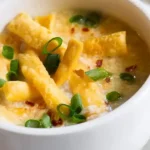
Homemade Egg Drop Soup Recipe
- Total Time: PT15M
- Yield: 8 servings 1x
- Diet: Gluten-Free
Description
This easy homemade Egg Drop Soup is savory, light, and full of flavor! It takes only 15 minutes to make, and can be easily adapted to be paleo and gluten-free.
Ingredients
- 8 cups chicken broth
- 1/4 cup cornstarch
- 1 1/2 tablespoon soy sauce
- 2 teaspoons sesame oil
- 1 teaspoon grated ginger
- 3/4 teaspoon garlic powder
- 1/4 teaspoon ground turmeric
- 6 large eggs
Instructions
- Step: Add the chicken broth, cornstarch, soy sauce, sesame oil, grated ginger, garlic powder, and turmeric in a large sauce pot. Whisk well, then turn the heat on high and bring to a boil.
- Step: In a small bowl, whisk the eggs well. Stir the soup base to create a swirl and slowly pour the eggs into the soup to create ribbons. Turn off the heat.
- Step: Taste the soup and add salt and pepper to taste. Serve as-is, or garnish with chopped green onions and crunchy noodles.
Notes
You can make a simple version of Wonton Egg Drop Soup by adding frozen dumplings to the hot soup and letting them steep for 5 minutes. Store leftovers in an airtight container in the fridge for 3-4 days. Freezing is not recommended.
- Prep Time: PT5M
- Cook Time: PT10M
- Category: Soup
- Method: Boiling
- Cuisine: Chinese
Nutrition
- Serving Size: 1 cup
- Calories: 121 kcal
- Sugar: 1.1 g
- Sodium: 985 mg
- Fat: 6.3 g
- Saturated Fat: 1.7 g
- Unsaturated Fat: 4.6 g
- Trans Fat: 0 g
- Carbohydrates: 5.5 g
- Fiber: 0.1 g
- Protein: 9.8 g
- Cholesterol: 140 mg