Mastering the art of oven-baked chicken breast is a fundamental culinary skill that ensures you always have a lean, protein-packed base for your meals. By utilizing a high-heat roasting technique, you can lock in natural moisture while achieving a beautifully seasoned exterior without the need for complex equipment. This streamlined method is designed for efficiency and consistency, making it an essential staple for busy weeknight cooking and meal preparation.
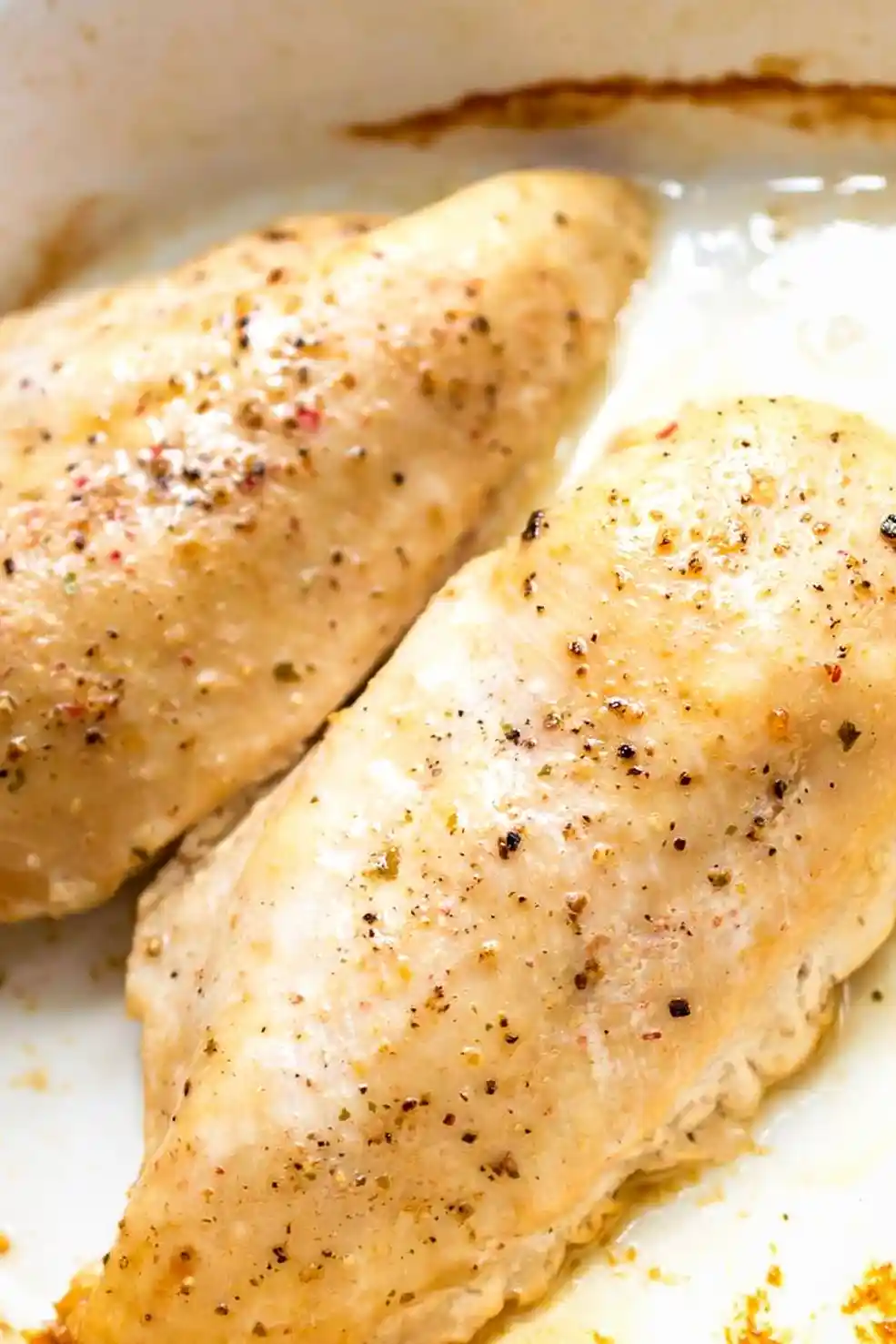
List of ingredients
- 2 lbs boneless skinless chicken breast
- 2-3 tablespoons olive oil
- Salt and pepper to taste
step-by-step instructions
- Step: Preheat oven to 450ºF.
- Step: Coat chicken breasts with olive oil, salt and pepper then transfer to an oiled roasting dish.
- Step: Roast for 25-30 minutes or until 165ºF internal temperature. (time will vary depending on thickness of chicken)
- Step: Let cool then chop or shred chicken.
Refining Your Roasting Technique
Achieving Uniform Thickness for Consistent Cooking
Chicken breasts naturally come in irregular shapes, with one side usually thicker than the other. If you place a lopsided piece of meat in the oven, the thin end will inevitably become dry and stringy before the thick end is safely cooked. Use a meat mallet or the bottom of a heavy skillet to gently pound the thicker portions of the chicken until the entire breast has a consistent depth throughout. This simple extra minute of work guarantees that every bite of your chicken will be tender rather than unevenly cooked.
The Role of Surface Moisture in Browning
When you take chicken out of the package, it is often coated in excess surface liquid. If you apply oil directly to damp meat, the water content creates steam, which keeps the exterior of the chicken pale and soft. By thoroughly drying the chicken with paper towels before oiling it, you allow the heat of the oven to create a subtle golden crust rather than steaming the protein. This surface preparation is the secret difference between bland-looking oven-baked chicken and professionally prepared results.
Why High Heat Is Essential for Juiciness
Many home cooks mistakenly believe that low and slow cooking is the key to tenderness, but for lean cuts like chicken breast, time is the enemy of moisture. Longer cooking times in an oven allow the internal water content of the meat to evaporate, leading to a dry texture. A temperature of 450ºF ensures that the transition from raw to fully cooked is as rapid as possible, shortening the duration the protein is exposed to heat. This high-intensity method ensures the center remains supple while the exterior develops a savory, appetizing finish.
Customizing Your Flavor Profile
Dry Rub Combinations Beyond Salt and Pepper
While salt and pepper are the most versatile foundation for a base recipe, you can easily adapt the flavor by adding dried herbs and spices. Consider using a mixture of smoked paprika, garlic powder, and onion powder for a smoky, savory dimension that pairs well with roasted vegetables. For a brighter profile, add dried oregano, lemon zest, or a pinch of red chili flakes to the olive oil before coating. These additions do not alter the cooking time or moisture levels, allowing you to tailor your batch of chicken to specific global cuisines.
Integrating Citrus and Aromatics
For an extra level of infusion, place thin slices of lemon, lime, or even fresh cloves of garlic in the bottom of your roasting pan around the chicken. As the oven heats up, these elements release essential oils and aromas that gently permeate the space around the chicken. This creates a mild, fragrant effect that elevates the natural taste of the meat without requiring heavy marinades. Keep the aromatics underneath or beside the chicken so they do not shield the meat from the direct heat of the oven.
Storage and Efficiency for Meal Preparation
Smart Cooling for Food Safety
Never place steaming hot chicken directly into a storage container and seal it tightly, as this traps residual heat and creates excess humidity that can soften the texture of your meat. Allow the chicken to reach room temperature on a cooling rack or a clean cutting board for approximately fifteen minutes. Once the steam has largely dissipated, transfer the pieces to airtight containers. This approach ensures you are not creating a breeding ground for rapid bacterial growth due to trapped steam inside your refrigerator containers.
Optimizing Refrigerated Shelf Life
When stored in an airtight glass or BPA-free plastic container, this oven-baked chicken remains at its peak quality for three to four days. To maintain the best texture, keep the breasts whole rather than pre-shredding them until you are ready to serve. Whole pieces have less surface area exposed to the dry air of the refrigerator, which helps them retain their moisture better over the course of the week. If you prefer to shred the chicken, ensure the container is packed tightly to minimize the amount of air circulating inside.
Common Questions Regarding Oven-Baked Chicken
How do I know if my chicken is truly cooked through without cutting it open?
Always use a digital meat thermometer inserted into the thickest portion of the chicken breast. Relying on visual cues like the color of the juices or the appearance of the meat is unreliable and often leads to overcooking. When the thermometer reads 165ºF, you have reached the temperature required for safety while preserving the highest possible moisture content.
Can I use frozen chicken breasts for this recipe?
It is not recommended to roast frozen chicken breasts using this method, as the ice crystals inside the meat will cause it to release too much water as it thaws in the oven. This turns the roasting dish into a pool of liquid and results in a rubbery, tough texture. Always thaw your chicken completely in the refrigerator overnight before seasoning and roasting to ensure the best results.
Why did my chicken turn out tough even though the internal temperature was correct?
Toughness is often caused by omitting the resting phase or by overcooking the meat past the 165ºF mark. If you remove the chicken from the oven at exactly 165ºF and then cut into it immediately, the moisture escapes as steam. Allowing the chicken to rest for at least five minutes is the most important step for maintaining a soft, tender texture throughout the meat fibers.
Is it necessary to flip the chicken halfway through the cooking time?
Flipping the chicken is entirely optional. With a high-heat method at 450ºF, the radiant heat of the oven is sufficient to cook the chicken evenly from both sides without manual intervention. If you are using a dark roasting pan, you may find that the bottom browns faster than the top, but flipping can sometimes tear the surface if the chicken has started to stick to the pan. Simply leave the chicken undisturbed for the duration of the cooking time to ensure the exterior remains intact.
How can I make the chicken look more appealing if I don’t use a crusting spice?
To improve the visual appeal of plain oven-roasted chicken, you can brush the surface with a tiny amount of melted butter or olive oil mixed with a pinch of turmeric or paprika just before placing it in the oven. These natural colorants provide a deep, golden-brown hue that makes the meat look appetizing even without heavy spice crusts. This subtle trick is excellent when you intend to use the chicken for cold preparations like salads where appearance is particularly noticeable.
Print
Perfectly Roasted Oven Baked Chicken Breast
- Total Time: 30 minutes
- Yield: 4 servings 1x
- Diet: Paleo, Whole30, Gluten-Free
Description
If you need to know how to bake chicken or are just wanting juicy chicken, this method for Oven Baked Chicken Breast is the way to go! This baked chicken recipe is fast, easy and perfect for your meal prep needs. Baking chicken breasts is a life saver when following Whole30 or Paleo diets.
Ingredients
- 2 lbs boneless skinless chicken breast
- 2–3 tablespoons olive oil
- Salt and pepper to taste
Instructions
- Step: Preheat oven to 450ºF.
- Step: Coat chicken breasts with olive oil, salt and pepper then transfer to an oiled roasting dish.
- Step: Roast for 25-30 minutes or until 165ºF internal temperature. (time will vary depending on thickness of chicken)
- Step: Let cool then chop or shred chicken.
Notes
If your chicken breasts vary in size, gently pound them until they are all similar thickness to ensure even cooking. If chicken thickness is a half inch or less, begin checking temperature after 10-15 minutes.
- Prep Time: 5 minutes
- Cook Time: 25 minutes
- Category: Main Course
- Method: Baking
- Cuisine: American
Nutrition
- Serving Size: 1 breast
- Calories: 285 kcal
- Sugar: 0 g
- Sodium: 150 mg
- Fat: 11 g
- Saturated Fat: 2 g
- Unsaturated Fat: 8 g
- Trans Fat: 0 g
- Carbohydrates: 0 g
- Fiber: 0 g
- Protein: 46 g
- Cholesterol: 125 mg