Grilled shrimp foil packets are a fantastic, mess-free dinner solution that brings vibrant, fresh flavors to your table with minimal effort. By sealing shrimp, butter, and aromatics into individual portions, you trap moisture and concentrate the savory juices for a perfect result every time. This approach not only ensures even cooking but also makes cleanup as simple as discarding the aluminum foil once your meal is finished.
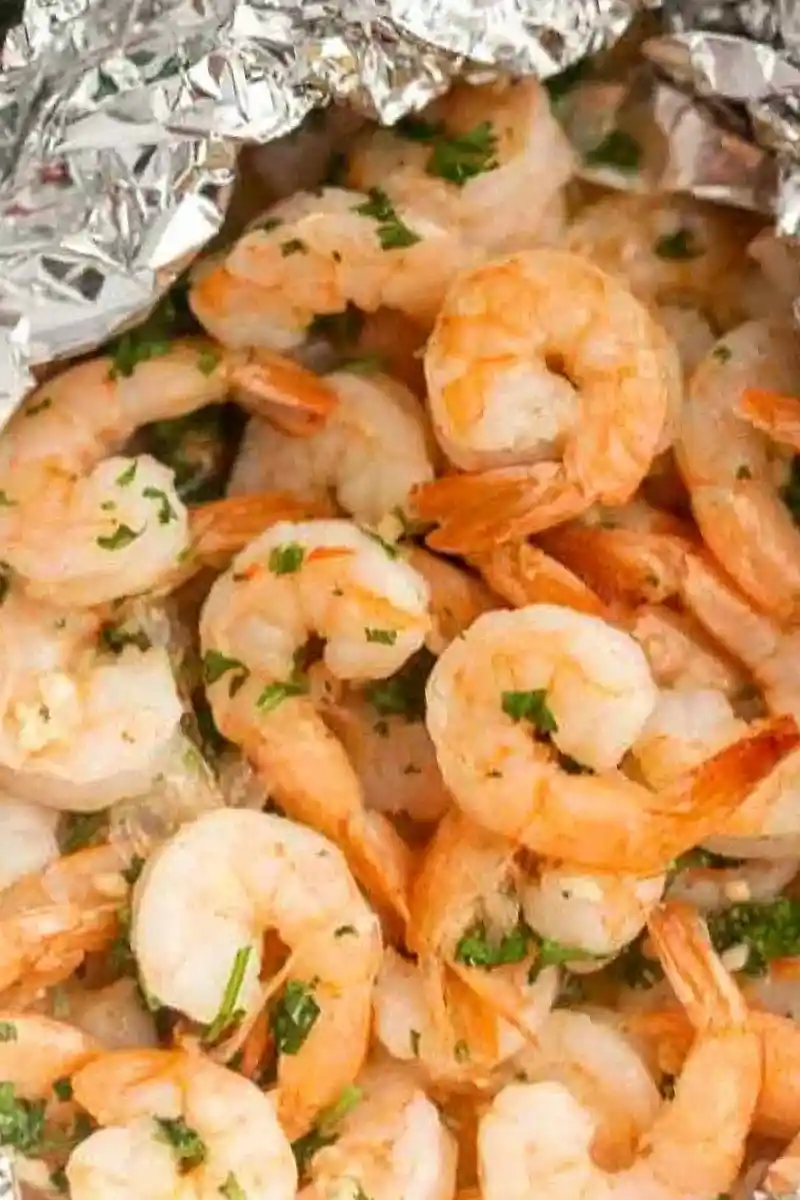
List of ingredients
- 1 lb Shrimp, raw, peeled and deveined
- 1 cup Parsley, chopped
- 1/2 cup Butter, diced into small pieces
- 1 Lemon, juiced
- 2 tsp Minced Garlic
step-by-step instructions
- Step: Preheat the grill to 400 degrees F.
- Step: Divide 1 lb raw shrimp, peeled and deveined, evenly between the 4 foil sheets.
- Step: Top with 1 cup of parsley, 1/2 cup of butter, 1 lemon juice, and 2 tsp of garlic.
- Step: Make the foil into a foil packet.
- Step: Place the foil packet on the grill and cook for 8-10 minutes until the shrimp is cooked through and pink.
- Step: Carefully open the foil packet, remove shrimp and enjoy!
Practical cooking advice
Achieving the best results with foil packets relies heavily on the quality of your seal. If steam escapes through a small tear or an improperly crimped edge, the moisture evaporates too quickly, leaving the shrimp dry. Always double-fold your edges and ensure that the foil is large enough to leave plenty of air space inside the packet, which allows the steam to circulate properly around the ingredients.
Selecting the right shrimp
Choose high-quality raw shrimp that are already peeled and deveined to save significant preparation time during the week. Larger shrimp sizes are preferable for grilling because they have more structural integrity and are less likely to overcook compared to smaller, delicate pieces. If you are starting with frozen shrimp, ensure they are completely thawed under cold running water and patted dry before being added to the packets to prevent excess liquid buildup.
Managing grill temperature
Maintaining a steady 400-degree environment is crucial for achieving that characteristic tender texture in the shrimp. If the grill is too cool, the shrimp will steam too slowly, resulting in a rubbery texture; if the grill is too hot, the butter may burn before the shrimp is cooked through. Use an infrared thermometer to verify the surface temperature of your grill grates before placing the packets down.
Efficient use of aluminum foil
Heavy-duty foil is specifically designed for the rigors of direct heat, providing a much higher resistance to punctures from the tails or shells if left on. If you only have standard-weight foil, be sure to layer two sheets together for each packet to create a protective barrier. This small investment in double-layering prevents accidental spills that can lead to flare-ups on your grill.
Substitutions and flavor adjustments
While this base recipe focuses on lemon and garlic, the neutral flavor profile of shrimp makes it an excellent canvas for various culinary experiments. You can easily adapt the flavor profile to match different cravings or whatever is currently in your pantry. By altering the fat and herb components, you can transform the entire character of this dish without needing to change the core cooking method.
Herb and spice modifications
For a deeper, earthier profile, consider adding a sprinkle of smoked paprika or dried oregano to your packets. If you prefer a spicy kick, red pepper flakes or a dash of cayenne pepper will complement the garlic beautifully. Fresh cilantro can replace parsley if you want a more southwestern-inspired profile, especially if you plan to serve the shrimp with avocado or lime wedges.
Alternative fat sources
While butter provides a classic, rich flavor, high-quality extra virgin olive oil serves as a fantastic, lighter alternative. Using oil also makes the packets more stable at higher heat levels since it does not contain the milk solids found in butter that can potentially darken if accidentally overheated. You can also use a mixture of both to get the depth of butter with the stability of oil.
Serving ideas and meal expansion
These packets are incredibly versatile and can be served as a quick appetizer or a centerpiece for a more substantial meal. To turn this into a truly satisfying feast, consider pairing the shrimp with sides that can be cooked right alongside them on the grill. The beauty of this recipe is that the cooking time for the shrimp is short, so your sides should be prepared to cook at a similar speed or be pre-cooked.
Vegetable additions
Tossing in pre-sliced vegetables like zucchini, bell peppers, or thin-sliced asparagus can create a nutritious, all-in-one meal. Ensure that any vegetables added are cut into very thin, uniform pieces so they reach the desired level of tenderness within the same 8-10 minute window as the shrimp. Harder vegetables like potatoes should be par-boiled or thinly shaved to ensure they finish at the same time as the shellfish.
Grain pairings
The flavorful, buttery juice trapped inside the foil is far too delicious to let go to waste. Serving the cooked shrimp over a bed of fluffy white rice, couscous, or quinoa allows the grains to soak up all that citrusy, garlicky goodness. For an even faster meal, serve the packets with a side of crusty bread or toasted baguette slices to mop up the remaining sauce.
Storage and reheating
Shrimp is best enjoyed immediately after grilling, but it can be stored if you find yourself with leftovers. Place any remaining cooked shrimp in an airtight glass or plastic container as soon as they reach room temperature. Keeping the shrimp in its original foil packet in the fridge is not recommended, as the residual juices can cause the foil to degrade or impart a metallic taste over time.
Effective reheating techniques
To reheat the shrimp without turning it rubbery, avoid using the microwave if possible. Instead, place the shrimp in a small skillet over low heat with a teaspoon of water or butter, warming it just until heated through. This method gently revives the moisture, keeping the meat succulent rather than drying it out through the high-intensity pulses of a microwave oven.
Frequently Asked Questions
Can I prepare the foil packets in advance?
Yes, you can assemble the packets several hours ahead of time and keep them chilled in the refrigerator until you are ready to grill. This makes the recipe ideal for outdoor gatherings or busy weeknights, as you can simply pull the pre-prepared packets from the fridge and place them directly onto the preheated grill.
What is the best way to determine when the shrimp is perfectly cooked?
The best indicator of perfectly cooked shrimp is the physical change in appearance; look for the flesh to turn opaque and form a distinct C-shape rather than an O-shape. If the shrimp curls into a tight, hard circle, it is likely overcooked and will be chewy. Aim to pull the packets off the heat as soon as they turn pink, as the residual steam inside the foil will continue to cook the shrimp for a minute or two after being opened.
Is there a way to make these packets in the oven?
If the weather prevents you from using an outdoor grill, these packets translate perfectly to an oven environment. Simply place the sealed packets on a rimmed baking sheet to catch any potential drips and bake at 400 degrees Fahrenheit for approximately 12 to 14 minutes. Using the oven provides a very consistent, controlled heat that is excellent for beginners who are still learning how to manage heat intensity.
Why did my foil tear during the cooking process?
Foil tearing usually happens when the packets are packed too tightly or when the ingredients have sharp edges that puncture the material. Ensure you are using heavy-duty foil and avoiding overfilling each packet, which allows the steam to expand without putting excessive pressure on the seals. Additionally, handling the packets gently with wide, flat tongs instead of sharp-pointed ones will preserve the integrity of the foil.
Can I add acidic ingredients other than lemon?
Lime or orange juice can be substituted for lemon juice to provide a different brightness profile, but keep in mind that these juices have varying acidity levels. Lime juice works exceptionally well if you are using cilantro and southwestern-style spices, while orange juice offers a subtler, sweeter undertone. Always use fresh juice rather than bottled concentrates to ensure the most vibrant flavor in your final dish.
Print
Easy Grilled Shrimp Foil Packets
- Total Time: 20 minutes
- Yield: 4 1x
- Diet: Pescatarian
Description
Grilled shrimp foil packet recipe is a mess-free and flavor-packed dinner idea. The shrimp has the perfect blend of seasoning and takes only minutes to cook.
Ingredients
- 1 lb Shrimp, raw, peeled and deveined
- 1 cup Parsley, chopped
- 1/2 cup Butter, diced into small pieces
- 1 Lemon, juiced
- 2 tsp Minced Garlic
Instructions
- Step: Preheat the grill to 400 degrees F.
- Step: Divide 1 lb raw shrimp, peeled and deveined, evenly between the 4 foil sheets.
- Step: Top with 1 cup of parsley, 1/2 cup of butter, 1 lemon juice, and 2 tsp of garlic.
- Step: Make the foil into a foil packet.
- Step: Place the foil packet on the grill and cook for 8-10 minutes until the shrimp is cooked through and pink.
- Step: Carefully open the foil packet, remove shrimp and enjoy!
Notes
Use heavy-duty foil or double up regular foil to prevent spills. Leftovers can be stored in an airtight container in the refrigerator for up to 3 days.
- Prep Time: 10 minutes
- Cook Time: 10 minutes
- Category: Main Course
- Method: Grilling
- Cuisine: American
Nutrition
- Serving Size: 1 packet
- Calories: 299 kcal
- Sugar: 1 g
- Sodium: 833 mg
- Fat: 24 g
- Saturated Fat: 15 g
- Unsaturated Fat: 8 g
- Trans Fat: 0 g
- Carbohydrates: 5 g
- Fiber: 1 g
- Protein: 17 g
- Cholesterol: 204 mg