This brown sugar soy sauce salmon offers a perfect balance of savory and sweet notes, making it an ideal choice for a sophisticated weeknight dinner. By utilizing a simple foil-packet technique, you ensure the fish remains moist and tender while soaking up every drop of the flavorful glaze. This preparation method is straightforward enough for beginners yet impressive enough for any special occasion.
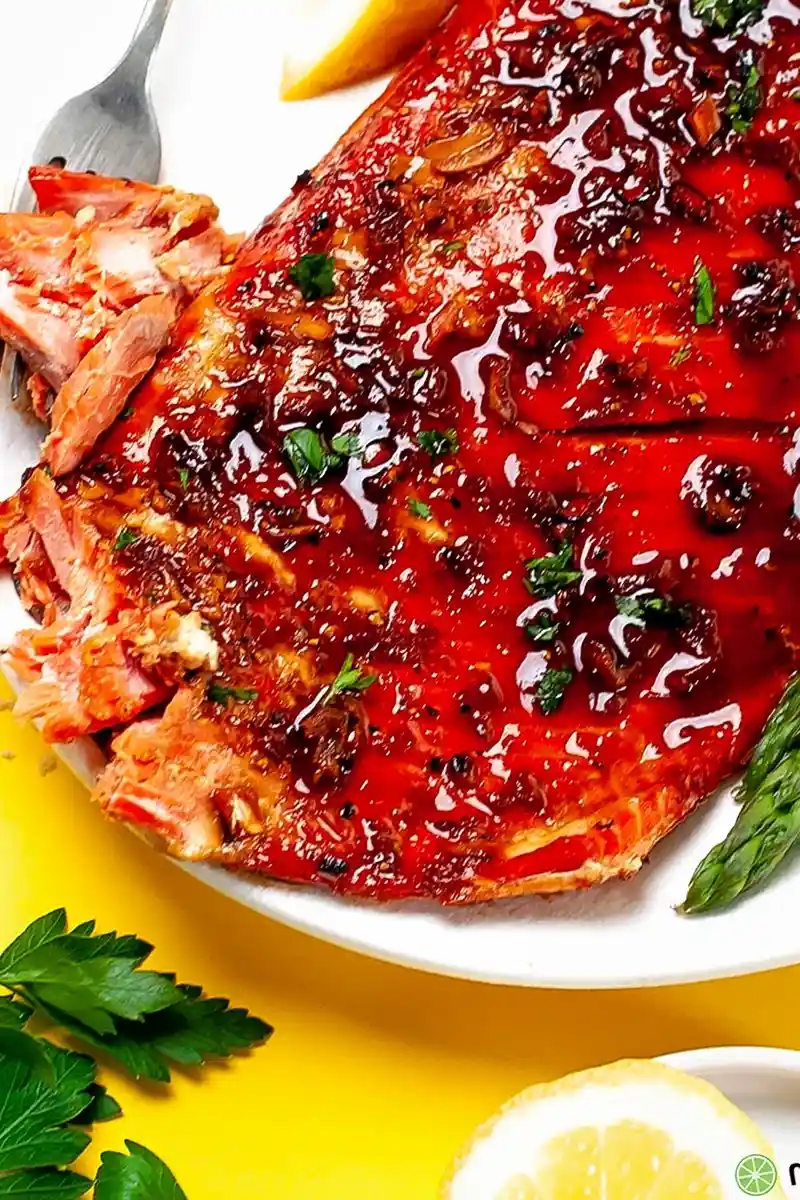
List of ingredients
- 1 1/2 pounds salmon fillet
- 1/4 cup low-sodium soy sauce
- 1/4 cup lightly packed brown sugar
- 1 teaspoon lemon zest
- 1 Tablespoon freshly squeezed lemon juice
- 4 medium cloves garlic
- 2 Tablespoons unsalted butter
- 1 Tablespoon Dijon mustard
- 1/2 teaspoon kosher salt
- 1/4 teaspoon freshly cracked black pepper
- 1 Tablespoon finely chopped fresh parsley
step-by-step instructions
- Step 1: Let the salmon sit at room temperature for 10 minutes before you bake it.
- Step 2: Position the rack in the center of the oven and preheat it to 375 F (190 C).
- Step 3: To a small saucepan over medium heat, add the soy sauce, brown sugar, lemon zest, lemon juice, and garlic. Allow the mixture to cook until the sugar has melted, the liquid has reduced by half, and it’s made a sticky glaze.
- Step 4: Add half of the butter and swirl until it has melted, remove the pan from the heat, and add in the second half of the butter. Swirl until the remaining butter has melted from the residual heat. Add in the Dijon mustard and stir to combine.
- Step 5: Cover a rimmed baking sheet with aluminum foil. Place the salmon skin side down in the center of the foil, then sprinkle with salt and pepper. Pour the soy sauce mixture over the salmon, and seal the aluminum foil.
- Step 6: Bake for 15 – 18 minutes, or until the salmon is nearly cooked through. Open the foil pack, turn the oven to broil, and broil for 2 minutes or until the top has golden edges.
- Step 7: Sprinkle with fresh diced parsley, and serve hot.
Refining the cooking process
Managing fish moisture levels
Using the foil-packet method is highly effective because it traps steam inside the parcel. This prevents the salmon from drying out, which is a common issue when cooking high-protein fish at high heat. Always ensure your seal is tight to maintain this internal environment throughout the baking cycle.
Achieving the perfect glaze consistency
When reducing your soy sauce and sugar mixture, watch for the point where the bubbles become slow and viscous. This indicates that the water content has evaporated sufficiently, resulting in a sticky texture that adheres to the salmon rather than running off into the pan. If the glaze is too thin, it will create a watery soup instead of a luxurious sauce.
Monitoring internal temperatures
While the flake test is a reliable visual indicator, using a digital meat thermometer provides the best results for precision cooking. Aim for an internal temperature of 145 F to ensure the fish is cooked according to safety standards. If you prefer your fish slightly more translucent in the center, you can pull it out a few degrees early as it continues to cook while resting.
Customizing flavor profiles
Modifying the sweetness
If you prefer a less sweet profile, you can reduce the brown sugar by one tablespoon without significantly impacting the texture of the glaze. Conversely, if you want a deeper caramel flavor, you can swap half of the brown sugar for dark brown sugar, which contains more molasses. This small change will significantly darken the color and deepen the complexity of the finished dish.
Enhancing citrus intensity
For those who love a sharper bite, consider doubling the lemon zest and juice. To maintain the structural integrity of the glaze when adding more liquid, allow the reduction process to run for an extra two minutes. This prevents the sauce from becoming too thin while maximizing the bright citrus notes.
Optimal side dish pairings
Choosing suitable starches
This salmon recipe works exceptionally well with starch-based sides that can soak up the remaining glaze. Steamed jasmine rice or fluffy quinoa provides a neutral canvas that highlights the sweet and savory notes of the sauce. For a more comforting meal, consider serving the fish alongside roasted baby potatoes seasoned with simple herbs like rosemary and thyme.
Selecting fresh vegetable sides
Crisp, fresh vegetables provide a nice contrast to the soft texture of the baked salmon. Lightly sautéed bok choy with a dash of sesame oil or blanched asparagus spears pair perfectly. Avoid overly sweet vegetable sides, such as honey-glazed root vegetables, to keep the overall flavor profile balanced and savory.
Handling and storage requirements
Managing leftover salmon
If you have leftovers, place them in an airtight glass container to keep the moisture locked in. Properly stored, the cooked salmon will remain safe and flavorful in the refrigerator for up to two days. Avoid keeping it longer to ensure the texture of the fish remains optimal for reheating.
Effective reheating techniques
To reheat the salmon without drying it out, place it in a preheated oven at 300 F for approximately 10 minutes. A small splash of water or a few extra drops of soy sauce in the container can help rehydrate the glaze. Avoid using the microwave, as it tends to cause the proteins to tighten and become rubbery, destroying the delicate texture achieved during the initial bake.
Frequently asked questions
Can I use a different type of fish?
While this recipe is designed specifically for salmon, other oily fish such as trout or arctic char work very well with these flavors. If you choose a leaner white fish, reduce the baking time by 3 to 5 minutes as they cook much faster than salmon.
What is the benefit of mincing garlic by hand?
Mincing garlic by hand releases more of the aromatic oils compared to using a mechanical garlic press. This provides a punchier, more authentic garlic flavor that infuses into the soy sauce glaze more effectively during the reduction process.
Is this dish suitable for meal prep?
This dish is excellent for meal prep if you assemble the salmon and glaze separately. Keep the raw salmon portioned and the glaze in a small jar, then combine and bake when you are ready to eat. This ensures the fish stays perfectly fresh and the glaze does not over-penetrate the fish before cooking.
Why use unsalted butter in the glaze?
Using unsalted butter allows you to control the exact sodium levels of the dish. Since soy sauce is naturally high in sodium, controlling the salt content via the butter ensures the final dish remains balanced and savory rather than overwhelmingly salty.
Print
Brown Sugar Soy Sauce Salmon Recipe
- Total Time: 20 minutes
- Yield: 4 servings 1x
- Diet: Pescatarian
Description
This Brown Sugar Soy Sauce Salmon is the recipe to win over people who don’t like salmon. It’s so delicious that even the pickiest of eaters will love it!
Ingredients
- 1 1/2 pounds salmon fillet
- 1/4 cup low-sodium soy sauce
- 1/4 cup lightly packed brown sugar
- 1 teaspoon lemon zest
- 1 Tablespoon freshly squeezed lemon juice
- 4 medium cloves garlic
- 2 Tablespoons unsalted butter
- 1 Tablespoon Dijon mustard
- 1/2 teaspoon kosher salt
- 1/4 teaspoon freshly cracked black pepper
- 1 Tablespoon finely chopped fresh parsley
Instructions
- Step 1: Let the salmon sit at room temperature for 10 minutes before you bake it.
- Step 2: Position the rack in the center of the oven and preheat it to 375 F (190 C).
- Step 3: To a small saucepan over medium heat, add the soy sauce, brown sugar, lemon zest, lemon juice, and garlic. Allow the mixture to cook until the sugar has melted, the liquid has reduced by half, and it’s made a sticky glaze.
- Step 4: Add half of the butter and swirl until it has melted, remove the pan from the heat, and add in the second half of the butter. Swirl until the remaining butter has melted from the residual heat. Add in the Dijon mustard and stir to combine.
- Step 5: Cover a rimmed baking sheet with aluminum foil. Place the salmon skin side down in the center of the foil, then sprinkle with salt and pepper. Pour the soy sauce mixture over the salmon, and seal the aluminum foil.
- Step 6: Bake for 15 – 18 minutes, or until the salmon is nearly cooked through. Open the foil pack, turn the oven to broil, and broil for 2 minutes or until the top has golden edges.
- Step 7: Sprinkle with fresh diced parsley, and serve hot.
Notes
Use your best judgement with the amount of time that you bake your salmon. If you have an exceptionally thin piece, start checking it after 10 minutes. If you have a very thick piece, you’ll likely need 20 – 25 minutes before you broil it.
- Prep Time: 5 minutes
- Cook Time: 15 minutes
- Category: Shrimp and Fish
- Method: Baking
- Cuisine: American
Nutrition
- Serving Size: 1/4 of recipe
- Calories: 376 kcal
- Sugar: 12.2 g
- Sodium: 780 mg
- Fat: 18.4 g
- Saturated Fat: 6 g
- Unsaturated Fat: 11 g
- Trans Fat: 0 g
- Carbohydrates: 14.6 g
- Fiber: 0.4 g
- Protein: 39.1 g
- Cholesterol: 110 mg