Achieving perfectly juicy chicken breasts at home is entirely possible with this simple, high-heat roasting technique. By balancing bold, smoky seasonings with a touch of sweetness and a quick oven-searing process, you can transform standard poultry into a restaurant-quality meal. This method skips the lengthy marination process, making it a reliable solution for busy weeknights when you need a flavorful, protein-packed dinner in under thirty minutes.
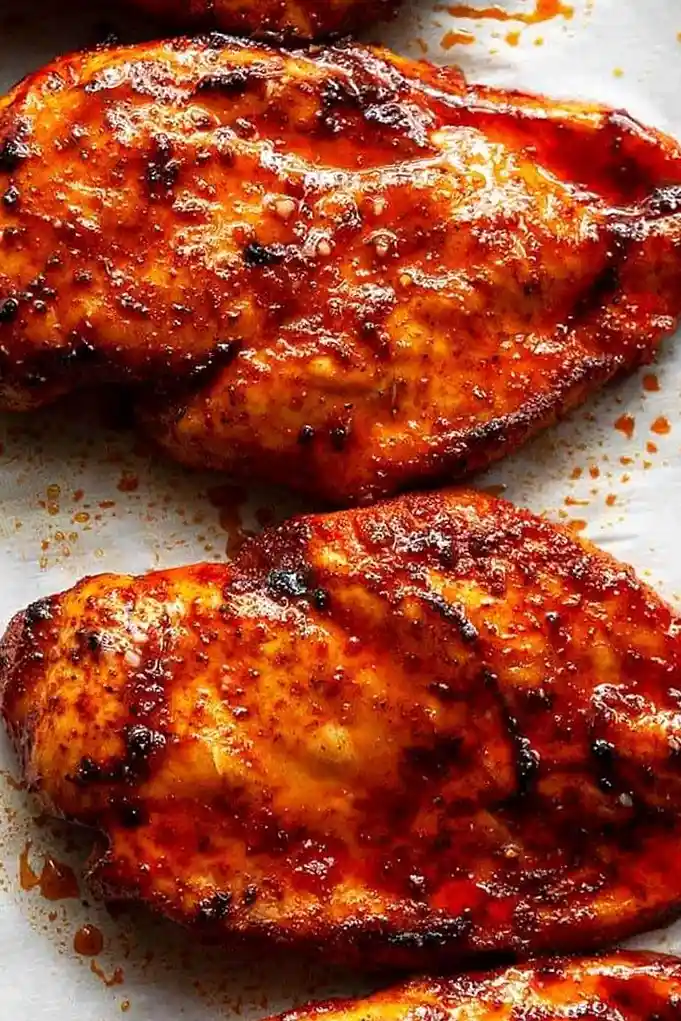
List of ingredients
- 4 boneless skinless chicken breasts (pounded to 1.5 cm even thickness)
- 1-2 tablespoons Cajun seasoning
- 1 tablespoon brown sugar
- 1 tablespoon oil (olive or canola)
- 1 teaspoon salt (or to taste)
- 2 tablespoons butter
- 2 cloves garlic, minced
step-by-step instructions
- Step: Preheat oven to 450°F (230°C).
- Step: Using a meat mallet or rolling pin, pound each chicken breast to 1.5 cm at the thickest part for even cooking.
- Step: Combine the Cajun seasoning, brown sugar, and salt in a small bowl.
- Step: Line a baking pan with parchment paper or foil, then place chicken in the pan.
- Step: Drizzle with oil and rub the seasoning mixture all over the chicken to coat evenly.
- Step: Bake for 18 minutes or until the internal temperature reaches 165°F (75°C) on an instant-read thermometer.
- Step: Broil on high for the final 2-3 minutes until golden and caramelized.
- Step: Remove from the oven and let rest for 5 minutes.
- Step: Optional: Melt butter in a small pan, sauté garlic for 30 seconds, mix with pan juices, and drizzle over chicken before serving.
Essential Preparation Techniques
The Importance of Uniform Thickness
Pounding your chicken to an even thickness is the most vital step in preventing dry meat. When breasts are uneven, the thin tail end overcooks while the thickest portion remains raw, leading to a frustrating texture. A quick pass with a meat mallet levels the playing field, ensuring every bite finishes cooking at exactly the same moment.
Why High Heat Matters
Cooking at 450°F might seem aggressive, but it serves a specific culinary purpose. Intense heat creates a rapid sear on the surface, which caramelizes the brown sugar and spices to form a protective crust. This crust acts as a barrier, keeping the moisture trapped inside rather than allowing it to evaporate into the oven air.
The Role of the Resting Period
Cutting into a hot chicken breast immediately causes all the moisture to spill out onto the cutting board. By resting the meat for five minutes, you allow the internal proteins to relax and reabsorb the juices. This simple patience ensures that every slice remains tender and succulent on the plate.
Refining Your Flavor Profile
Adjusting Cajun Spice Intensity
Cajun blends vary wildly by brand, with some leaning heavily into cayenne and others focusing on paprika and garlic. Before applying the spice rub, taste a small pinch of your blend to gauge the salt and heat levels. If your blend is pre-salted, reduce the added salt in the recipe to avoid an overly saline result.
Alternative Sweeteners
While brown sugar provides a unique molasses note that pairs perfectly with Cajun spices, you can use coconut sugar for a deeper, earthier profile. Avoid using liquid honey or maple syrup as the primary sweetener, as they can burn too quickly under the broiler and may cause the chicken to stick to the baking sheet. Keep the addition to a light dusting to ensure the chicken doesn’t become cloyingly sweet.
Practical Serving Strategies
Pairing With Starch Sides
This dish features a bold spice profile, making it a perfect match for mild, absorbent sides. Serve the chicken alongside fluffy jasmine rice, creamy mashed potatoes, or buttered couscous to soak up the garlic butter juices. Roasted root vegetables or steamed green beans also provide a nice, clean contrast to the intensity of the seasoning.
Fresh Garnishes
Adding a splash of brightness at the end can cut through the richness of the seasoned crust. A handful of freshly chopped parsley, cilantro, or green onions provides a pop of color and a fresh herbal note. You can also finish the dish with a slight squeeze of fresh lemon juice, which amplifies the natural flavor of the chicken and spices.
Storage and Reheating Guidance
Maintaining Moisture During Reheating
To reheat leftover chicken without turning it into leather, add a splash of water or broth to the bottom of your container. Cover the dish tightly with a lid or foil, which creates a steam-rich environment as the meat warms up. Avoid high-power microwave settings, as they cause the proteins to tighten and expel their moisture instantly.
Refrigerator Longevity
Store your cooked chicken in an airtight container within two hours of baking to maintain its safety and quality. It will remain at peak flavor for up to three days in the refrigerator. Ensure the container is sealed properly to prevent the spice rub from transferring its aroma to other items in your fridge.
Common Kitchen Queries
Can I cook this in a skillet instead of the oven?
Yes, you can sear the chicken in a heavy-bottomed skillet over medium-high heat with a little oil. Cook for about 5-6 minutes per side, but keep a close eye on the heat so the sugar in the rub doesn’t char too quickly. Using a thermometer is still the most accurate way to ensure it reaches 165°F without overcooking.
Is it necessary to use a meat mallet?
If you do not have a meat mallet, you can place the chicken breasts between two sheets of plastic wrap or wax paper. Use a heavy rolling pin or the flat bottom of a glass jar to gently pound the chicken. This achieves the same goal of flattening the meat without tearing the fibers as easily.
How do I know if my spice blend is too hot?
If you are sensitive to spice, start by using only one tablespoon of the seasoning mix rather than two. You can always increase the amount of paprika or dried herbs in your own custom blend to add color and flavor without increasing the heat. Taste the blend on a piece of raw vegetable first if you are unsure of the intensity.
Why did my seasoning burn?
Brown sugar has a low smoke point and can turn bitter if exposed to the broiler for too long. If you notice your oven runs particularly hot, keep an eye on the chicken during the final minutes of broiling. If it starts to look dark brown before the three-minute mark, take it out immediately, as the residual heat will finish the cooking process.
Print
Easy Oven Baked Cajun Chicken Breasts
- Total Time: PT25M
- Yield: 4 servings 1x
- Diet: High Protein
Description
Baked Cajun Chicken Breasts are easy to cook and incredibly juicy! Forget dry chicken with this tender, succulent oven-baked chicken breast recipe.
Ingredients
- 4 boneless skinless chicken breasts (pounded to 1.5 cm even thickness)
- 1–2 tablespoons Cajun seasoning
- 1 tablespoon brown sugar
- 1 tablespoon oil (olive or canola)
- 1 teaspoon salt (or to taste)
- 2 tablespoons butter
- 2 cloves garlic, minced
Instructions
- Step: Preheat oven to 450°F (230°C).
- Step: Using a meat mallet or rolling pin, pound each chicken breast to 1.5 cm at the thickest part for even cooking.
- Step: Combine the Cajun seasoning, brown sugar, and salt in a small bowl.
- Step: Line a baking pan with parchment paper or foil, then place chicken in the pan.
- Step: Drizzle with oil and rub the seasoning mixture all over the chicken to coat evenly.
- Step: Bake for 18 minutes or until the internal temperature reaches 165°F (75°C) on an instant-read thermometer.
- Step: Broil on high for the final 2-3 minutes until golden and caramelized.
- Step: Remove from the oven and let rest for 5 minutes.
- Step: Optional: Melt butter in a small pan, sauté garlic for 30 seconds, mix with pan juices, and drizzle over chicken before serving.
Notes
You can use store-bought Cajun seasoning or a homemade blend of paprika, garlic powder, black pepper, onion powder, cayenne pepper, dried oregano, and dried thyme.
- Prep Time: PT5M
- Cook Time: PT20M
- Category: Main Course
- Method: Baking
- Cuisine: American, Cajun
Nutrition
- Serving Size: 1 breast
- Calories: 224 kcal
- Sugar: 3 g
- Sodium: 759 mg
- Fat: 12 g
- Saturated Fat: 4 g
- Unsaturated Fat: 7 g
- Trans Fat: 0.3 g
- Carbohydrates: 3 g
- Fiber: 0 g
- Protein: 24 g
- Cholesterol: 87 mg