This grilled chicken features a spicy and sweet glaze made from gochujang for an authentic Korean flavor profile. It is a quick-cooking meal that is perfect for summer grilling and family gatherings.

List of ingredients
- 1 cup ketchup – provides the sweet and tangy base.
- 1/4 cup gochujang chili paste – adds the signature Korean spicy kick.
- 1/4 cup white vinegar – balances the sweetness with acidity.
- 1/4 cup honey – creates a thick, sticky glaze.
- 1 Tbsp soy sauce – adds depth and saltiness.
- 1 Tbsp ginger paste – provides a warm, aromatic flavor.
- 1 Tbsp garlic paste – adds a pungent, savory note.
- 6 to 8 boneless, skinless chicken thighs (or 4 chicken breasts) – the main protein for grilling.
- kosher salt – for seasoning.
- pepper – for seasoning.
step-by-step instructions
- Prepare the sauce: Combine the ketchup, gochujang, vinegar, honey, soy sauce, ginger, and garlic in a small saucepan. Bring the mixture to a boil, then reduce the heat and simmer for 5 minutes, stirring occasionally.
- Marinate the meat: Place the chicken thighs in a gallon-size plastic bag. Add a few spoonfuls of the prepared BBQ sauce along with kosher salt and pepper, massage the bag to coat the chicken evenly, and refrigerate for at least one hour or overnight.
- Grill the chicken: Preheat your grill to medium-high heat. Grill the chicken for 4 to 6 minutes per side, brushing on more BBQ sauce during the final 2 minutes of cooking.
- Finish and serve: Remove the chicken from the grill and serve immediately with the remaining BBQ sauce for dipping.
Mastering the Grill Technique
Maintaining Medium-High Heat
Ensure your grill is consistently hot before adding the meat. This creates an immediate sear that locks in juices and prevents the chicken from sticking. Use a grill thermometer to monitor the temperature.
Preventing Sauce Charring
Because the sauce contains honey and ketchup, it can burn quickly. Only apply the final glaze during the last two minutes of grilling. This ensures a caramelized finish without a bitter, burnt taste.
Checking for Internal Temperature
Use an instant-read digital thermometer to check the thickest part of the chicken. Chicken thighs are best when they reach an internal temperature of 165°F (74°C). This ensures safety while maintaining moisture.
Ingredient Substitutions and Tweaks
Replacing Gochujang with Sriracha and Miso
If gochujang is unavailable, mix equal parts sriracha and white miso paste. This combination mimics the fermented, spicy, and slightly sweet profile of the original paste. Adjust the ratio based on your heat preference.
Using Maple Syrup Instead of Honey
Maple syrup serves as an excellent alternative to honey. It provides a deeper, woodier sweetness that pairs well with the soy sauce. Use the same 1/4 cup measurement for a consistent consistency.
Apple Cider Vinegar for a Fruitier Tang
You can swap white vinegar for apple cider vinegar to add a subtle fruitiness. This version is slightly less sharp but still cuts through the richness of the chicken thighs. It works particularly well with chicken breasts.
Tamari for a Gluten-Free Option
Replace soy sauce with tamari to make the recipe gluten-free. Tamari has a similar salty profile and depth of flavor. Ensure the brand you choose is certified gluten-free.
Flavor Variations for the Glaze
Incorporating Toasted Sesame Oil
Stir in one tablespoon of toasted sesame oil after the sauce has cooled. This adds a rich, nutty aroma and a glossy finish to the glaze. It is a hallmark flavor in many Korean dishes.
Increasing the Heat Level
For those who prefer a spicier dish, add a teaspoon of crushed red pepper flakes during the simmering process. You can also add a pinch of cayenne pepper. This increases the heat without altering the sauce’s thickness.
Adding Fresh Lime for Brightness
Squeeze fresh lime juice over the chicken immediately after removing it from the grill. The acidity brightens the heavy flavors of the honey and gochujang. It adds a refreshing contrast to the savory glaze.
Best Ways to Serve This Dish
Pairing with Steamed Jasmine Rice
Serve the chicken over a bed of steamed jasmine or short-grain white rice. The rice acts as a neutral base that absorbs the extra BBQ sauce. It creates a filling and balanced meal.
Serving with Grilled Corn on the Cob
Grill corn alongside the chicken for a complete summer meal. Brush the corn with olive oil and sprinkle with salt and pepper. The sweetness of the corn complements the spicy chicken.
Adding a Side of Kimchi
A side of fermented kimchi provides a probiotic crunch and sharp acidity. The sour notes of the kimchi balance the sweetness of the glaze perfectly. It is a traditional accompaniment for Korean BBQ.
Serving as Sliders on Brioche Buns
Slice the cooked chicken into strips and place them on toasted brioche buns. Top with a vinegar-based cabbage slaw for added texture. This turns the recipe into a great party appetizer.
Storage and Food Safety
Refrigerating Leftover Chicken
Store leftover cooked chicken in an airtight container in the refrigerator for up to four days. Keep any remaining sauce in a separate jar to prevent the meat from becoming soggy. Label the container with the date of preparation.
Freezing Cooked Chicken Thighs
Cooked chicken can be frozen for up to three months. Wrap the meat tightly in aluminum foil and then place it in a heavy-duty freezer bag. This prevents freezer burn and preserves the flavor.
Storing Extra BBQ Sauce
Place unused sauce in a glass jar and keep it refrigerated for two weeks. The sauce can be repurposed as a glaze for tofu or grilled vegetables. Always use a clean spoon to avoid contamination.
Reheating for Maximum Flavor
Using the Oven for Even Heating
Warm the chicken in the oven at 325°F (163°C) until heated through. This method is slower but prevents the meat from becoming rubbery. Cover the dish with foil to retain moisture.
Quick Microwave Reheating Tips
Use medium power and cover the chicken with a damp paper towel. This traps steam and keeps the meat from drying out. Heat in 30-second intervals to avoid overcooking.
Refreshing the Glaze During Reheating
Add a teaspoon of water or chicken broth to the sauce before reheating. Stir in a fresh spoonful of sauce to restore the glossy appearance. This makes the reheated chicken taste freshly grilled.
Planning Ahead for Guests
Overnight Marination Benefits
Marinating the chicken overnight allows the flavors to penetrate deep into the meat. The vinegar in the sauce also helps tenderize the muscle fibers. This results in a more flavorful and juicy end product.
Preparing the Sauce in Advance
Make the BBQ sauce 24 hours before you plan to grill. This allows the flavors of the ginger and garlic to meld and mature. It also ensures the sauce is completely cool before it touches the raw meat.
Pre-portioning Chicken for Ease
Place marinated chicken into individual freezer bags. This allows you to pull out only the amount needed for a specific meal. It simplifies the process for those who meal prep during the week.
Troubleshooting Common Issues
Addressing Overly Thick Sauce
If the sauce becomes too thick during the simmering stage, whisk in a tablespoon of water. Do this over low heat to ensure the liquid incorporates smoothly. The goal is a consistency that coats the back of a spoon.
Fixing Chicken That Sticks to the Grill
Ensure your grill grates are thoroughly cleaned and lightly oiled before cooking. The sugars in the honey and ketchup bond easily to metal. Using a high-smoke-point oil like canola prevents sticking.
Balancing a Sauce That Is Too Spicy
If the gochujang makes the sauce too spicy for your taste, stir in extra honey or brown sugar. The sweetness neutralizes the heat of the chili paste. You can also add a small amount of unsalted butter for richness.
Frequently Asked Questions
Can I use chicken breasts instead of thighs?
Yes, you can use boneless, skinless chicken breasts. However, breasts cook faster and can dry out more easily, so reduce the grilling time slightly. Ensure they reach an internal temperature of 165°F.
How long can I marinate the chicken?
Marinate for at least one hour, but overnight is ideal. Do not exceed 48 hours, as the acidity from the vinegar can break down the meat’s texture and make it mushy.
Where can I find gochujang?
Gochujang is typically found in the international or Asian aisle of most large supermarkets. If it is not available there, check a local Korean or Asian grocery store.
Can I make this in an oven instead of a grill?
Yes, you can broil the chicken on a baking sheet. Set your oven to the high broiler setting and flip the chicken halfway through. This mimics the high heat and char of a grill.
Choosing the Right Protein
The Advantage of Chicken Thighs
Boneless, skinless thighs are recommended because they have a higher fat content. This makes them more forgiving on a hot grill and ensures they stay juicy. They hold up better to the bold flavors of the BBQ sauce.
Preparing Chicken Breasts for Success
When using breasts, pound them to an even thickness using a meat mallet. This ensures that the edges do not overcook before the center is done. This technique results in a more uniform texture.
Print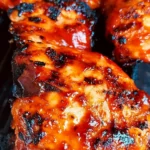
Savory Korean BBQ Grilled Chicken
- Total Time: 20 minutes
- Yield: 4 servings 1x
- Diet: General
Description
Korean BBQ Grilled Chicken is made with a homemade BBQ sauce made with Korean gochujang chili paste to give the sauce a spicy kick
Ingredients
- 1 cup ketchup
- 1/4 cup gochujang chili paste
- 1/4 cup white vinegar
- 1/4 cup honey
- 1 Tbsp soy sauce
- 1 Tbsp ginger paste
- 1 Tbsp garlic paste
- 6 to 8 boneless, skinless chicken thighs (or 4 chicken breasts)
- kosher salt
- pepper
Instructions
- Step 1: Put the ketchup, gochujang, vinegar, honey, soy sauce, ginger, and garlic in a small saucepan. Bring to a boil and then reduce the heat and simmer for 5 minutes, stirring a few times.
- Step 2: Put the chicken thighs in a gallon size plastic bag and add a few spoonfuls of the BBQ sauce and some kosher salt and pepper. Massage the bag until the chicken is coated and marinate in the fridge for at least an hour or overnight.
- Step 3: Preheat the grill to medium high heat. Grill the chicken 4 to 6 minutes per side. Brush with more of the BBQ sauce during the last 2 minutes of grilling.
- Step 4: Serve the chicken with the remaining BBQ sauce.
Notes
Gochujang is a Korean chili paste with a sweet and spicy balance. If you prefer less heat, use slightly less than the recipe calls for. For the best flavor, marinate the chicken overnight.
- Prep Time: 10 minutes
- Cook Time: 10 minutes
- Category: Main Course
- Method: Grilling
- Cuisine: Korean American
Nutrition
- Serving Size: 1 serving
- Calories: 245 kcal
- Sugar: 14 g
- Sodium: 750 mg
- Fat: 10 g
- Saturated Fat: 3 g
- Unsaturated Fat: 7 g
- Trans Fat: 0 g
- Carbohydrates: 18 g
- Fiber: 1 g
- Protein: 22 g
- Cholesterol: 70 mg